




Pipe Beveling Machine Setup Mistakes to Avoid
— —
Pipe Beveling Machine Setup Mistakes to Avoid
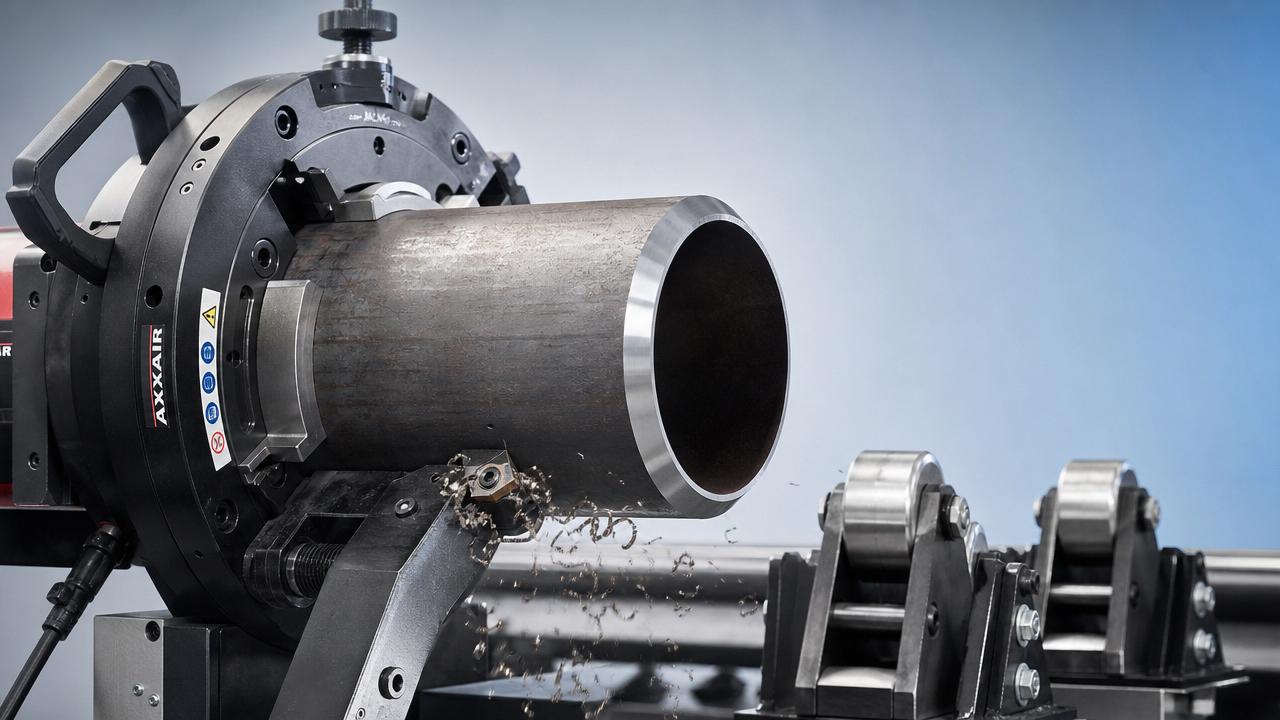
Setting up a Pipe beveling machine correctly is essential for safe operation, consistent bevel quality, and efficient pipe preparation. For operators working in fabrication, welding, or machining environments, even small setup errors can lead to poor fit-up, excessive tool wear, rework, or safety risks. Understanding the most common mistakes before starting the job helps improve productivity and protect both equipment and personnel. This guide highlights key setup issues to avoid so you can achieve cleaner bevels, smoother operation, and more reliable results on every project.
In daily pipe fabrication, setup quality often determines whether the welding team receives a joint ready for accurate fit-up. A 1 mm alignment error, an incorrect bevel angle, or unstable clamping can create hours of grinding, refitting, and inspection delays.
For operators, supervisors, and maintenance teams, the goal is not only to run the Pipe beveling machine faster. The real target is repeatable bevel geometry, controlled heat input during welding preparation, and predictable tool life across multiple pipe sizes.
1. Ignoring Pipe Condition Before Machine Setup
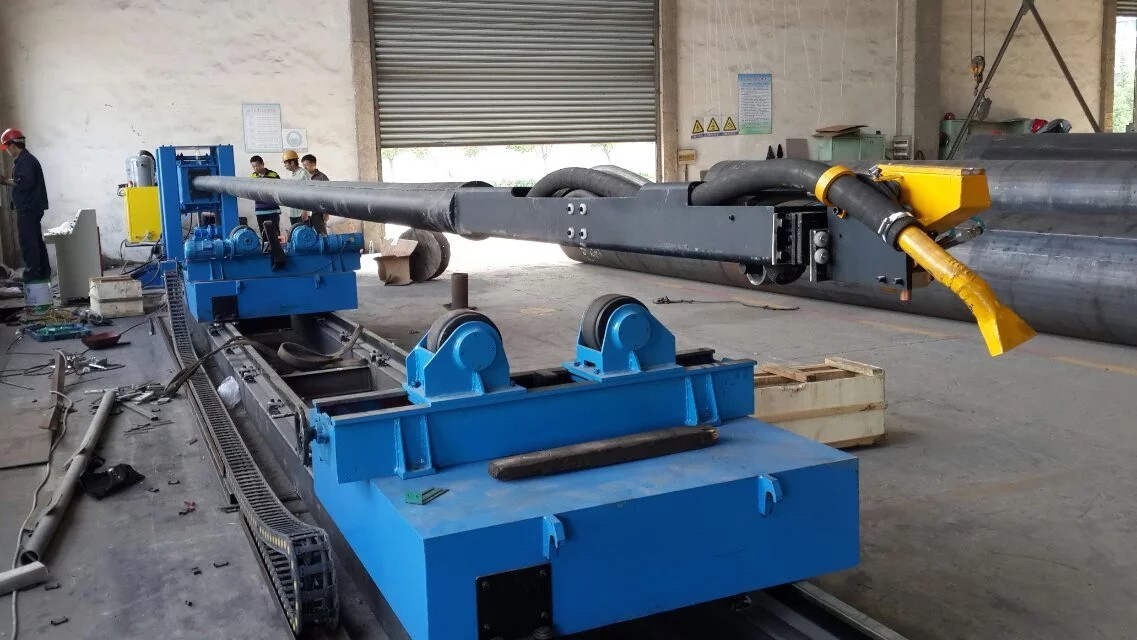
One of the most common mistakes is treating every pipe end as if it were clean, round, and ready for beveling. In reality, pipes may arrive with scale, dents, ovality, rust, torch-cut edges, or uneven wall thickness.
Before positioning the Pipe beveling machine, operators should perform a 3-point visual check: outside surface, internal bore, and pipe end squareness. This simple routine often prevents vibration and tool chatter during cutting.
Check roundness and wall thickness first
If a pipe is out-of-round by more than 1% of its diameter, clamping pressure may become uneven. That can shift the cutting head, reduce bevel consistency, and increase insert loading on one side.
Wall thickness variation is also important. A bevel prepared on a 6 mm wall pipe requires a different approach from a 25 mm wall pipe, especially when land size and root face must be controlled.
Pre-setup inspection checklist
- Remove loose rust, oil, paint, and slag within at least 50 mm of the pipe end.
- Measure outside diameter at 3 or 4 points to identify ovality before clamping.
- Confirm wall thickness with a gauge or ultrasonic reading when specifications are critical.
- Check whether the end cut is square within the project tolerance, commonly ±0.5 mm to ±1.5 mm.
Skipping these checks can make a capable Pipe beveling machine appear inaccurate. In many cases, the real issue is not machine performance but poor pipe preparation before the first cut.
2. Choosing the Wrong Clamping and Alignment Method
Clamping is the foundation of stable beveling. If the pipe moves by even 0.5 mm during cutting, the bevel face can become tapered, stepped, or visibly uneven around the circumference.
Operators often tighten clamps quickly to save 2 or 3 minutes, but uneven pressure may deform thin-wall pipes. For thick-wall pipes, insufficient pressure can allow rotation or vibration during heavy cutting.
The following table summarizes frequent clamping mistakes and practical corrections for field and workshop environments where a Pipe beveling machine is used every shift.
The main lesson is simple: clamping should hold the pipe securely without forcing it out of shape. Stable support, controlled tightening, and measured alignment reduce rework before welding begins.
Support long and heavy workpieces correctly
Large-diameter pipe preparation often requires more than the beveling unit itself. When pipes weigh several tons, support equipment helps maintain concentric rotation and prevents end-load stress on the machine.
For cylindrical welding and big diameter pipe butt welding, a Self aligning welding rotator can help rotate workpieces steadily. Rated load options from 5 T to 200 T, linear speed from 6–60 m/h, and CE compliance make it suitable for pressure vessels and heavy fabrication lines.
Although a rotator is not a replacement for a Pipe beveling machine, it supports upstream and downstream handling. This is especially useful when beveling, fitting, and welding are arranged as a connected production process.
3. Setting Incorrect Bevel Angle, Land, and Cutting Depth
A Pipe beveling machine must be adjusted according to the weld procedure, material thickness, and joint design. Guessing the bevel angle is one of the fastest ways to create fit-up problems.
Common bevel angles include 30°, 37.5°, and 45°, but the correct value depends on welding process, pipe standard, and inspection requirements. Operators should never rely only on habit.
Match settings to weld preparation requirements
For many carbon steel pipe joints, a root face between 1 mm and 2 mm may be specified. If the land is too thin, burn-through risk increases during root pass welding.
If the land is too thick, weld penetration becomes difficult and the welder may compensate with excessive heat. That can increase distortion, grinding time, and inspection rejection risk.
Operators should confirm the required geometry before setup, then perform a test cut on a sample or offcut where possible. A 5-minute trial can save 1–2 hours of correction work.
Common geometry mistakes to avoid
- Using the same angle for all wall thicknesses, regardless of welding process.
- Setting excessive cutting depth in one pass, causing vibration and insert damage.
- Failing to measure the root face after the first completed revolution.
- Ignoring internal counter-bore requirements for high-integrity pipe joints.
The safest approach is to work from the approved drawing or welding procedure specification. When tolerances are tight, record angle, feed, insert type, and final land size for repeat jobs.
4. Overlooking Tool Selection, Feed Rate, and Material Behavior
Cutting tools are consumables, but poor tool selection can turn them into a major cost item. A Pipe beveling machine needs inserts matched to steel grade, wall thickness, and cutting load.
Carbon steel, stainless steel, alloy pipe, and clad materials behave differently. For example, stainless steel work-hardens quickly, so rubbing instead of cutting can damage the edge within minutes.
Use controlled feed instead of forcing the cut
Operators sometimes increase feed aggressively to finish faster. However, a feed rate beyond the machine’s stable range can cause chatter marks, poor surface finish, and shortened gearbox life.
As a general practice, begin with a moderate feed, observe chip formation for 30–60 seconds, then adjust gradually. Blue chips, squealing noise, or intermittent cutting indicate an unstable setup.
The following comparison gives practical reference points. Actual settings should always follow the machine manual, tool supplier guidance, and project-specific welding requirements.
The key point is that feed, insert grade, and cutting depth must be treated as a system. Changing one setting without reviewing the others may create unstable operation.
Monitor wear before it becomes a quality defect
Tool wear rarely causes failure instantly. It usually appears as rougher bevel faces, higher cutting noise, longer cycle time, or dimensional drift after several pipe ends.
A practical method is to inspect inserts every 10–20 bevels, depending on pipe material and wall thickness. For demanding projects, inspection can be done every shift or after each batch.
5. Neglecting Safety, Maintenance, and Operator Discipline
A Pipe beveling machine combines rotating components, sharp tools, electrical systems, and heavy workpieces. Setup mistakes are not only quality issues; they can become serious safety hazards.
Operators should confirm guarding, emergency stop function, cable condition, air or hydraulic connections, and work area clearance before starting. A 2-minute safety check is faster than an incident report.
Build a repeatable 6-step setup routine
- Review drawing, weld procedure, bevel angle, root face, and pipe material.
- Inspect pipe end condition, cleanliness, roundness, and wall thickness.
- Select suitable clamping method, inserts, cutting depth, and support equipment.
- Perform alignment and confirm secure contact before powering the machine.
- Make a controlled test cut and measure bevel geometry at multiple points.
- Record settings for repeat production and inspect tools during the batch.
This routine is simple enough for daily use and detailed enough to prevent repeated errors. It also supports training when new operators join the workshop.
Maintenance points that affect setup accuracy
Setup accuracy depends on machine condition. Worn bearings, contaminated guide surfaces, loose fasteners, and damaged clamping jaws can all produce inconsistent bevels even with correct operator technique.
- Clean chips and abrasive dust after every shift to protect guide surfaces.
- Lubricate moving parts according to the manual, commonly weekly or after heavy use.
- Check power cables, plugs, switches, and emergency stop devices at least once per shift.
- Inspect clamping elements monthly, or sooner when bevel quality changes unexpectedly.
Maintenance should not be treated as separate from production. In pipe fabrication, a poorly maintained Pipe beveling machine can quietly add cost through rework, delays, and consumable waste.
6. Selecting Equipment and Support for Reliable Pipe Preparation
For operators, equipment selection influences daily setup difficulty. A machine that fits the pipe diameter range, wall thickness, power supply, and jobsite conditions will be easier to align and control.
Procurement teams should evaluate at least 4 factors: pipe size range, bevel geometry requirements, working environment, and after-sales support. Low purchase price alone rarely reflects total operating cost.
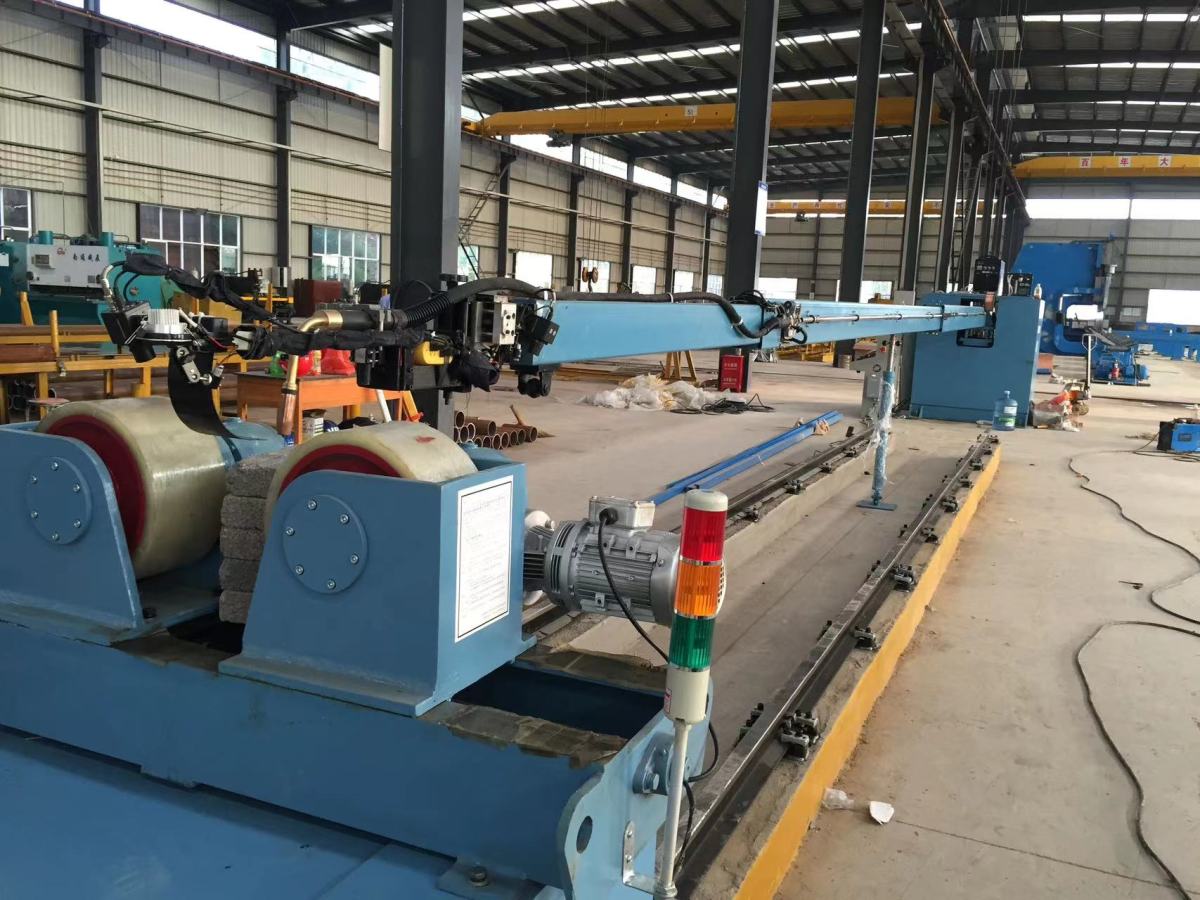
Questions to ask before buying or upgrading
- What pipe diameters and wall thicknesses account for 80% of production work?
- Is the machine mainly for workshop use, field repair, pipeline construction, or pressure vessel fabrication?
- Does the operator need facing, beveling, internal boring, or compound preparation?
- Are spare inserts, jaw sets, training, and technical documentation available when needed?
Wuxi Armada International Trade Co., Ltd supports manufacturers and fabricators with mechanical equipment for welding, cutting, machining, forming, deburring, and pipe processing applications.
Located in Wuxi City, Jiangsu Province, about 30 minutes from Shanghai by high-speed rail, the company has served industrial customers since October 2012 with practical equipment solutions.
Its product range includes automatic welding equipment, CNC cutting machines, milling machines, CNC lathes, welding robots, laser cutting machines, H-beam production line equipment, pipe benders, and related machinery.
Production and design are organized according to ISO9001 quality system certification and EU CE standards where applicable, helping buyers consider compliance, performance, and long-term operating reliability.
Final guidance for operators and supervisors
Correct setup is a discipline, not a one-time adjustment. Clean pipe ends, accurate alignment, suitable tooling, stable support, and documented settings all contribute to reliable beveling results.
When a Pipe beveling machine is used with consistent procedures, operators can reduce rework, improve weld fit-up, and protect equipment from unnecessary stress across repeated production batches.
If your workshop needs support with pipe preparation equipment, welding automation, or matched fabrication machinery, contact Wuxi Armada International Trade Co., Ltd to discuss product details, application requirements, and customized solutions.
