— —
U rib Forming Explained: From Steel Plate Bending to Welding
What A U Rib Is And Where It Is Used
A U rib is a longitudinal steel stiffener formed from plate into an open trough or a related U-shaped cross section. In an orthotropic steel bridge deck, multiple ribs are welded to the underside of a deck plate to improve its stiffness while keeping structural weight relatively low. The rib works with the deck plate, transverse supports and welds as a system; its performance cannot be judged from its shape alone. Dimensions, steel grade and connection details are established by the structural design and project specifications.
The term can also describe U-shaped stiffeners in other fabricated steel structures. Cross sections vary in depth, flange angle, bottom radius, wall thickness and overall length. A closed deck rib is formed when an open trough is attached to the deck plate, while an open stiffener remains exposed as an individual section. Distinguishing the finished structural arrangement from the loose formed part helps buyers describe the correct forming, handling and welding requirements.
Bridge fabricators, steel structure contractors, equipment integrators and project engineers are typical users of U rib production equipment. For bridge decks, repeated wheel loads make weld quality and fatigue-sensitive details particularly important. Industrial platforms and other fabricated assemblies may have different loading patterns and acceptance requirements. In each application, the engineering drawings, applicable design code and approved fabrication documents take precedence over generic machine settings or examples found in equipment literature.
Before requesting equipment, distinguish between making the rib and manufacturing a complete deck panel. The first task covers plate preparation and forming; the second adds positioning, fit-up, welding, inspection and panel handling. A press brake alone may be appropriate for a forming operation, whereas a deck fabrication line requires coordination among several stations. Defining the deliverable prevents a quotation for one machine from being mistaken for a complete production solution.
How Steel Plate Becomes A U Rib
Production begins with traceable plate of the specified grade and thickness. Check the material identification, surface condition and flatness before cutting blanks to the required dimensions. CNC plasma, flame or fiber laser cutting may be suitable depending on thickness, material, edge quality and production needs. Shearing can also be considered within machine and material limits. Cutting allowances should account for subsequent edge preparation and the dimensional behavior of the chosen forming process.
A press brake commonly forms the section through a planned series of bends using punches and dies suited to the required geometry. The tooling opening, bend sequence, plate orientation and machine capacity influence the resulting angle and radius. The material springs back after unloading, so trial pieces and adjustments may be necessary. Where the design or volume warrants it, purpose-designed tooling or automated forming arrangements can improve repeatability, subject to verification on the actual material.
Forming changes the geometry of the blank: bend allowance, internal radius, material thickness and mechanical properties affect the developed length and final profile. Differences between plate batches can also influence springback. Operators should establish settings on representative material and measure the first acceptable part before running a batch. Forming direction and minimum bend radius should follow the plate supplier's recommendations and the project requirements, especially when cold forming thicker or higher-strength steels.
After bending, inspect rib length, depth, flange spacing, bend angles, straightness and the condition of the edges that will meet the deck plate. The drawings define which features are critical and the permitted tolerances. Segregate parts that require correction, and record adjustments so the next batch starts from a controlled setting. Lifting and storage arrangements should support the rib without introducing twists or dents that could later increase fit-up gaps.
U Rib Types And Forming Equipment
U rib profiles can be grouped by application and geometry rather than by a single universal catalog. Some have nearly vertical sides, while others use inclined sides and a broader or narrower base. Radius, depth and flange detail affect tooling access, clearance and the interface with transverse members. A fabricator should provide the actual section drawing, including tolerances and any required edge preparation, because profiles with similar names may demand different production methods.
A press brake is a flexible choice when a shop must form several section sizes or switch between products. Suitability depends on usable bending length, tonnage, stroke, daylight, throat clearance, backgauge travel and tooling geometry. Nameplate capacity alone is insufficient: the required load must be assessed for the intended material, bend length, thickness and die opening. Ask the equipment supplier to check the full section and bending sequence, including clearance around the partly formed rib.
For long or repetitive sections, tandem press brakes or a dedicated forming arrangement may be considered when justified by output and part geometry. Synchronization, workpiece support and consistent positioning become more important as length increases. Roll forming can be suitable for some high-volume profiles, but its feasibility depends on the specified material, thickness and shape. Tooling investment, setup time and achievable tolerances should be evaluated against the actual product mix rather than assumed from the production method.
Supporting equipment influences throughput as much as the forming machine. Plate leveling can help address incoming flatness where appropriate; cutting machines prepare blanks; and handling devices move long parts between stations. Edge milling or deburring equipment may be relevant when the welding procedure or edge condition requires it. Wuxi Armada supplies press brakes, plate leveling machines, cutting equipment and welding machinery that buyers can discuss as individual purchases or as components of a planned workflow.
From Fit Up To Welding And Inspection
Before welding a U rib to a deck plate, confirm the rib position, orientation, edge condition and contact or root gap required by the approved joint detail. Remove contaminants that could compromise the weld, and use fixtures to hold the components without creating unacceptable local deformation. Tack welds must be compatible with the qualified procedure and examined as required by the project. A repeatable fit-up process reduces the likelihood that welding operators must compensate for inconsistent geometry.
The designer specifies the joint and required weld quality; the fabricator selects a suitable welding process and qualified procedure. Depending on the arrangement, mechanized gas metal arc welding, submerged arc welding or another approved process may be considered. Access to the rib sides, torch angle, travel direction and the specified penetration must be established before choosing equipment. Welding manipulators, positioning equipment and robots can assist with repeatable movement, but they do not replace joint qualification or operator oversight.
Sequence matters because heat input and restraint can distort the rib and deck plate. Plan the order of welds and panel movements around the approved procedure, structural detail and available fixtures. Monitor essential welding variables, consumable condition, preheat and interpass temperature when required by the applicable procedure. Any correction or repair should follow an approved method: uncontrolled heating or grinding can alter the geometry or damage a fatigue-sensitive connection.
Inspection normally combines dimensional checks and visual examination with additional nondestructive testing where the specification requires it. The method and acceptance criteria depend on the joint, accessibility and governing documents; ultrasonic, magnetic particle or other techniques are not interchangeable defaults. Retain material certificates, procedure qualifications, welder or operator qualifications, inspection records and repair history as applicable. A representative trial assembly can reveal access and distortion issues before production commitments are made.
Standards Applications And Supplier Verification
A U rib project may be governed by a bridge design code, a steel fabrication specification and separate welding and inspection requirements. Depending on jurisdiction and contract, documents such as AWS D1.5, EN 1090 and relevant ISO welding standards may be applicable. Their scope and edition must be confirmed by the project engineer and purchaser; they should not be treated as universally interchangeable. Contract drawings and project-specific fatigue and inspection provisions remain essential.
Machine compliance is a separate question from structural fabrication compliance. For equipment placed on a particular market, establish the applicable machinery safety, electrical and conformity requirements before ordering. Wuxi Armada lists ISO 9001, CE and SGS credentials in its supplied company information. Buyers should request current documentation, identify the certified entity and scope, and verify whether any CE declaration or SGS report applies to the specific machine and configuration being purchased.
In a bridge deck workshop, a practical equipment inquiry might combine blank cutting, press brake forming and mechanized welding with fixtures and inspection provisions. Wuxi Armada's listed portfolio includes CNC cutting machines, press brakes, welding manipulators, positioners and robots. The appropriate combination depends on plate size, joint design and target output. Request an engineering review of handling, access and interfaces; the availability of these machine categories alone does not establish that a complete U rib line is included.
The supplied customer list includes URALSTANKOIMPORT, MD Calbah Industries Pty Ltd and Lincoln Electric-MENA, among others. These names provide references to discuss with the supplier, but the available information does not establish their purchase scope, project dates or involvement in U rib fabrication. Ask for relevant, permissioned references and inspect comparable equipment where possible. Verify machine capabilities and project deliverables directly rather than treating a customer name as evidence of a specific installation.
How To Select And Commission Equipment
Start a procurement specification with the full profile drawing, steel grades, thickness range, maximum blank length and required dimensional tolerances. Add the expected annual volume, batch sizes and number of profile changes. For welding, include the deck dimensions, joint detail, required procedure, inspection plan and desired level of mechanization. This information allows suppliers to assess forming capacity, tooling, fixtures and access on a consistent basis, making competing proposals easier to compare.
Examine the production route from incoming plate to finished assembly. Identify crane capacity, loading space, support tables, extraction, electrical supply and the movement of long parts between machines. Ask who supplies tooling, consumables, fixtures, software and safety guarding, and who is responsible for integrating them. Define the interface between stations and any civil works in the contract. An apparently economical machine can become a bottleneck if the surrounding handling system is undersized.
Agree on acceptance tests before placing an order. A useful test uses representative material and the specified profile to check forming dimensions, cycle time and repeatability under agreed conditions. For welding equipment, define test joints, procedure requirements, inspection methods and acceptance limits with the project engineer. State whether testing occurs at the supplier's facility, after installation or at both stages, and document responsibilities for material, tooling, travel and corrective work.
Commissioning should cover installation checks, operator training, machine safety, preventive maintenance and a controlled production trial. Confirm access to manuals, spare parts, technical support and software backups in a language usable by the operating team. Record the validated settings for each material and profile, but reassess them when material properties, tooling or joint requirements change. Final acceptance should follow the agreed measurable criteria, not a demonstration using an unrelated sample.
Ownership Costs Maintenance And Future Trends
Total ownership cost includes more than the purchase price of a press brake or welding machine. Budget for tooling, freight, installation, utilities, extraction, fixtures, operator training and any integration work. During operation, consider labor, electricity, consumables, preventive maintenance, spare parts, scrap and rework. Long plate handling and inspection can be significant cost drivers even when machine cycle times are short. Compare proposals using the same scope and a realistic production schedule.
For an investment comparison, estimate annual savings from reduced labor, material loss and rework, then subtract added operating and maintenance costs. Divide the installed investment by the estimated annual net savings to obtain a simple payback estimate, while separately assessing financing, tax, residual value and downtime risk. Use measured or trial-based cycle times where available. Sensitivity checks for utilization and reject rate are important because a highly automated line may be underused when project volumes fluctuate.
Maintenance intervals should follow the equipment manufacturer's instructions and the actual duty cycle, not a generic calendar applied to every shop. Inspect tooling wear, hydraulic systems, gauges, clamps, welding torches, cables and safety devices at the prescribed intervals. Check measurement systems and machine alignment as specified, and investigate dimensional drift before defects accumulate. Keep critical spares and a record of faults so maintenance can be planned around production and inspection obligations.
The direction of travel is toward more connected production, including digital job records, automated measurement, programmable handling and improved welding monitoring. These tools can support traceability and reduce manual data entry, but their value depends on integration, data quality and the actual production mix. Share your U rib drawings, material range, output target and inspection requirements with Wuxi Armada to request a machine recommendation and a clearly scoped quotation for the intended workflow.
 Choosing a U rib production line for frequent profile changeoversChoose a U Rib production line built for frequent profile changeovers. Compare tooling, setup repeatability, and proven output to cut downtime and make a confident investment.
 What should a U rib fabrication line supplier demonstrate in a trial?Choosing a U Rib fabrication line supplier? Discover which trial checks prove accuracy, repeatable output, realistic throughput, and safe recovery before you invest.
 Fitting a U rib welding line into an existing bridge deck workshopFit a U rib welding line into your existing bridge deck workshop. Explore layout, crane access, utilities, and quality checks to reduce bottlenecks and plan a smoother retrofit.
 Reducing heat distortion with a U rib gantry welding machineReduce heat distortion with a U rib gantry welding machine. Discover practical fit-up, heat input, welding sequence, and clamp-release tips for flatter panels and less rework.
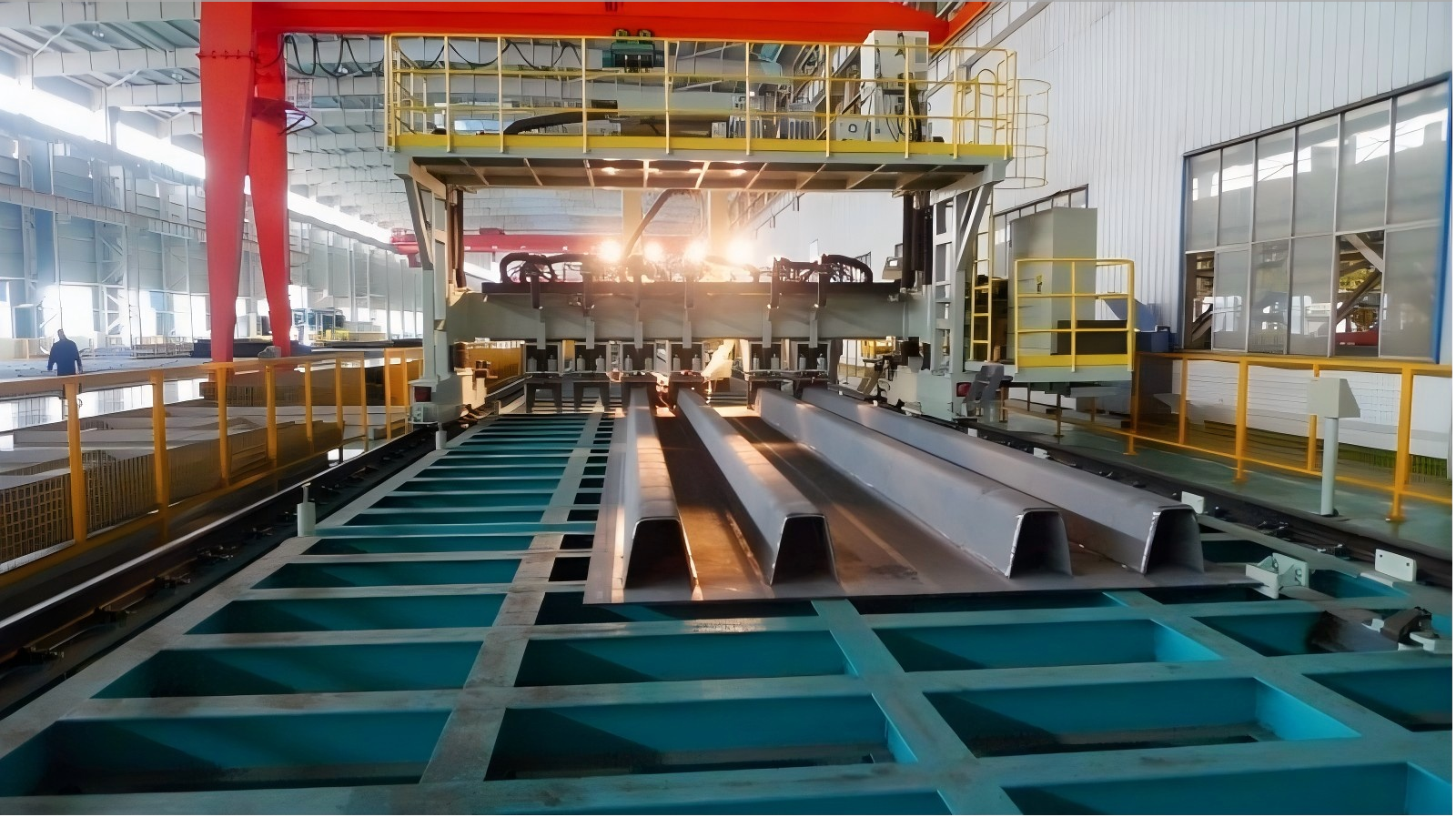
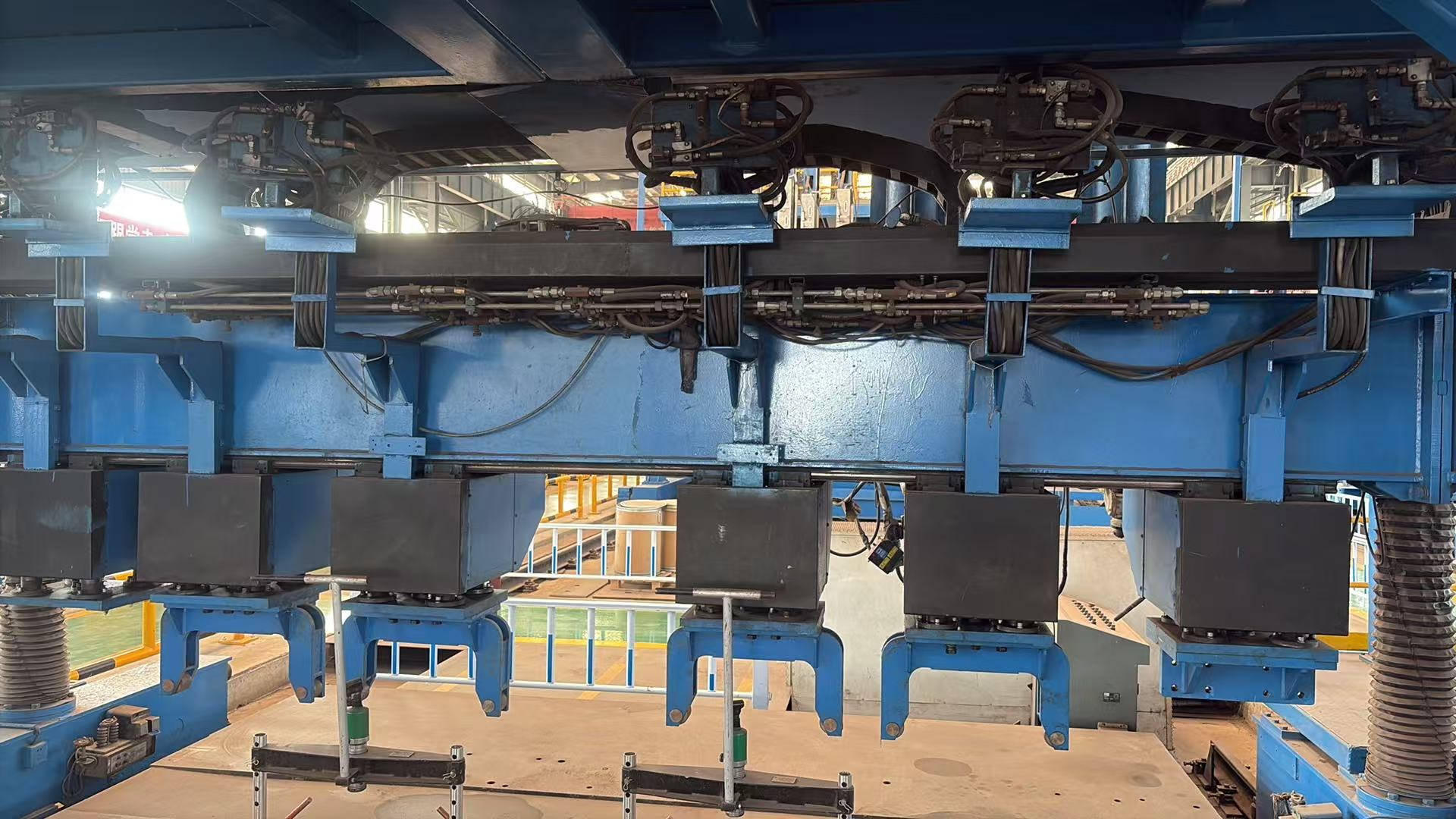
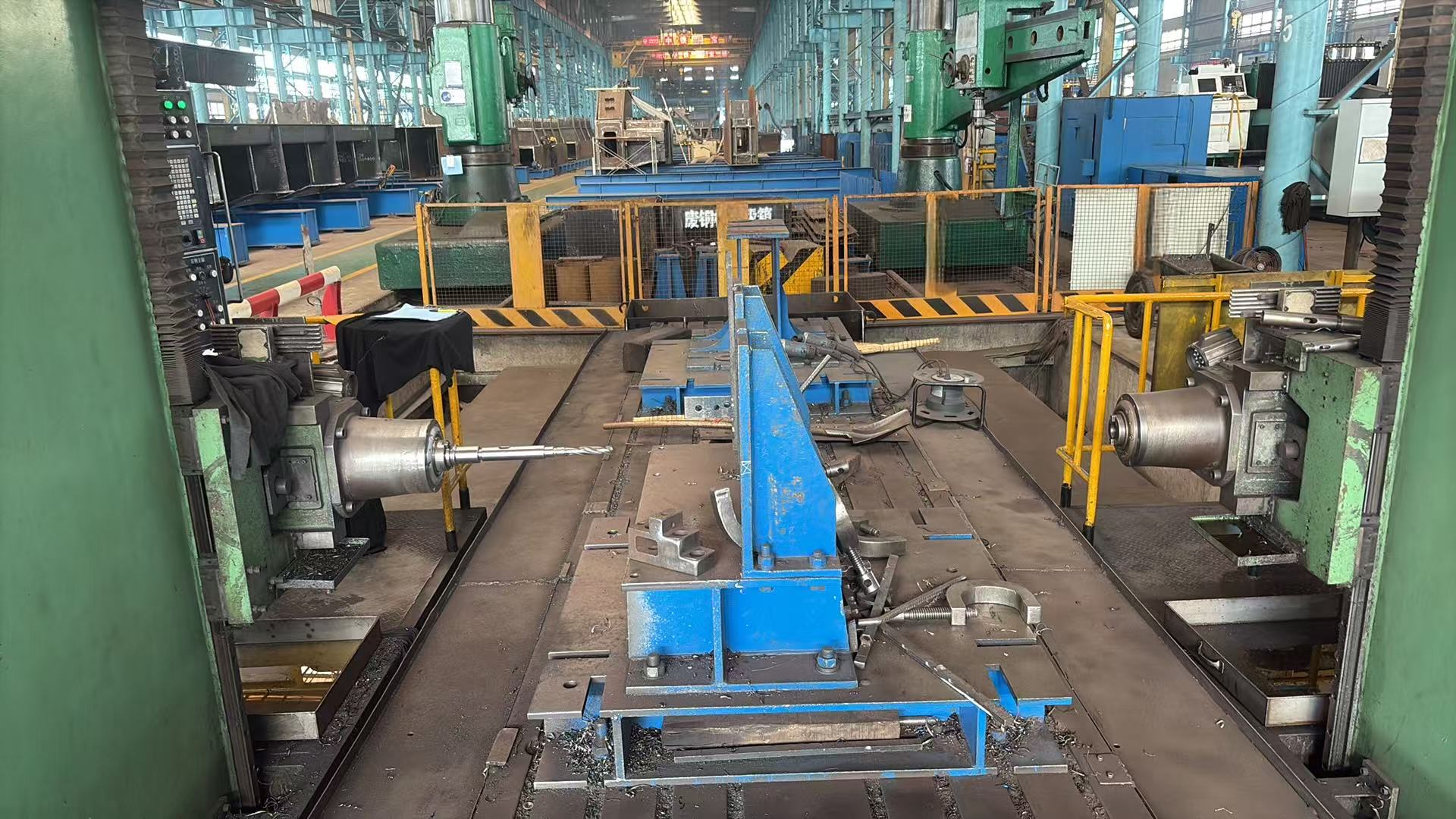
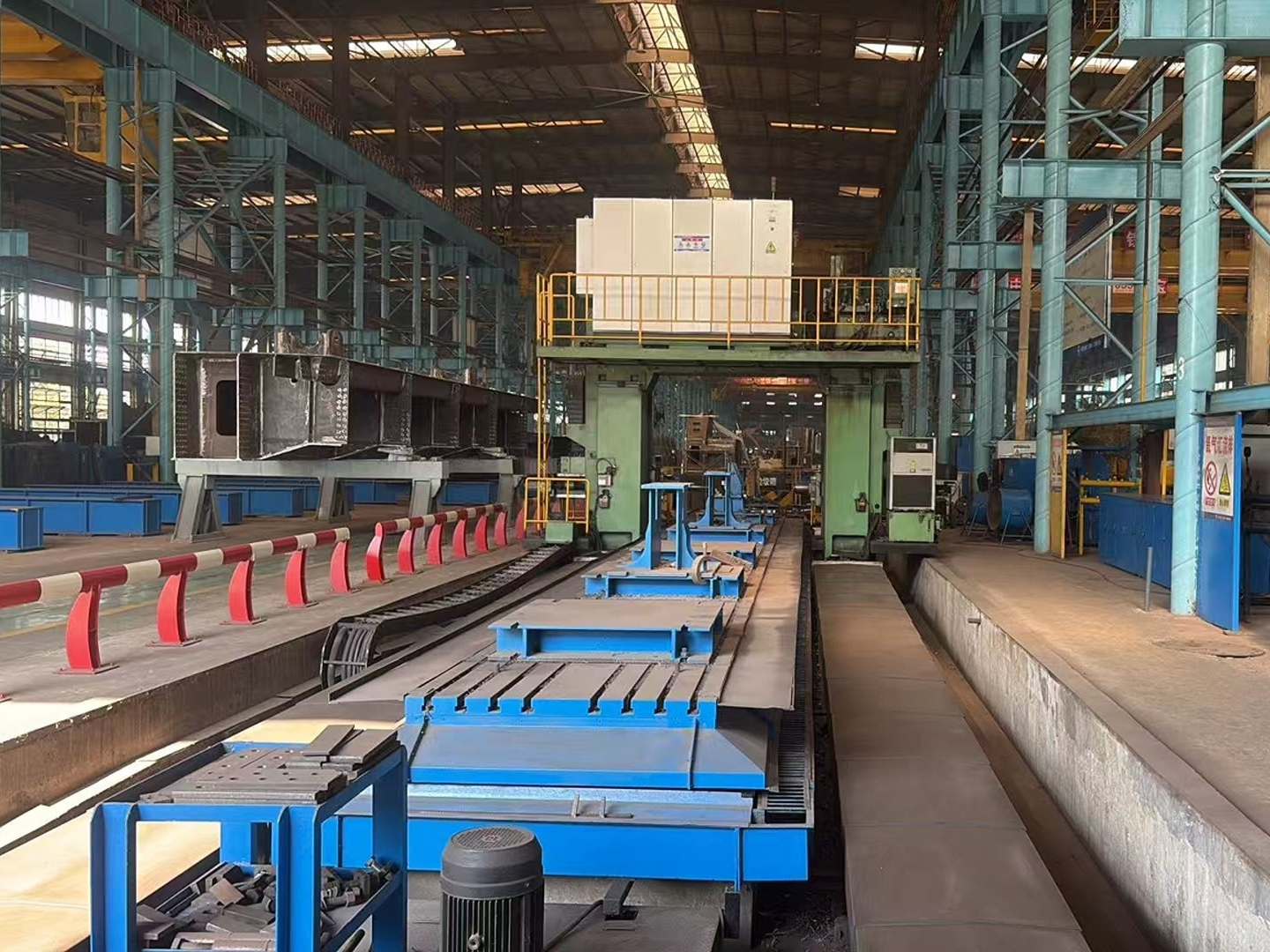
 U Rib double side cnc drilling machineThis U-rib double-sided CNC drilling machine features fixed workpiece and full automatic multi-axis drilling. Equipped with imported CNC servo systems, hydraulic clamping, quick bit replacement and automatic chip removal, it realizes high-precision, high-efficiency and stable drilling for U-rib plate units without manual marking.
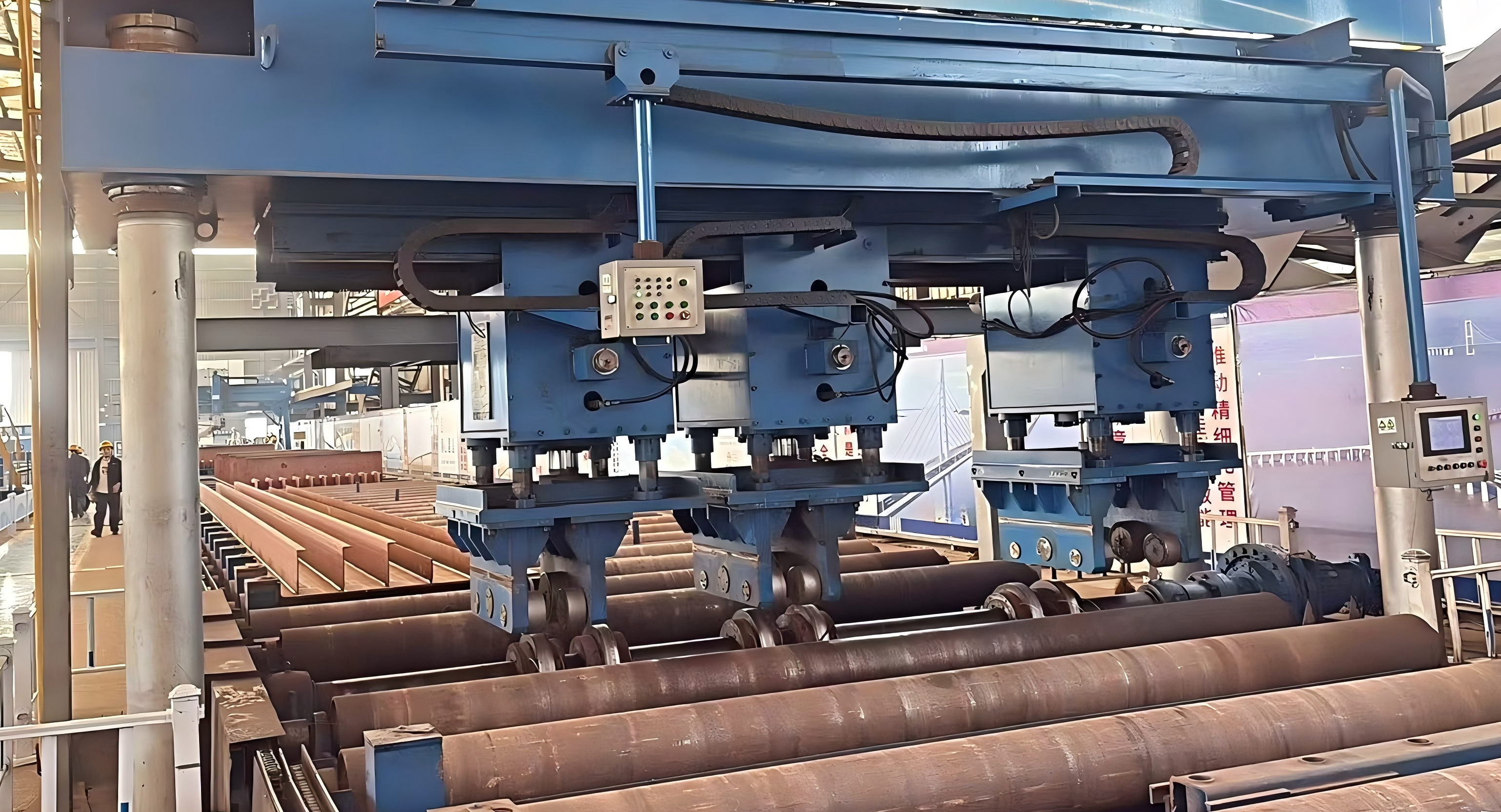
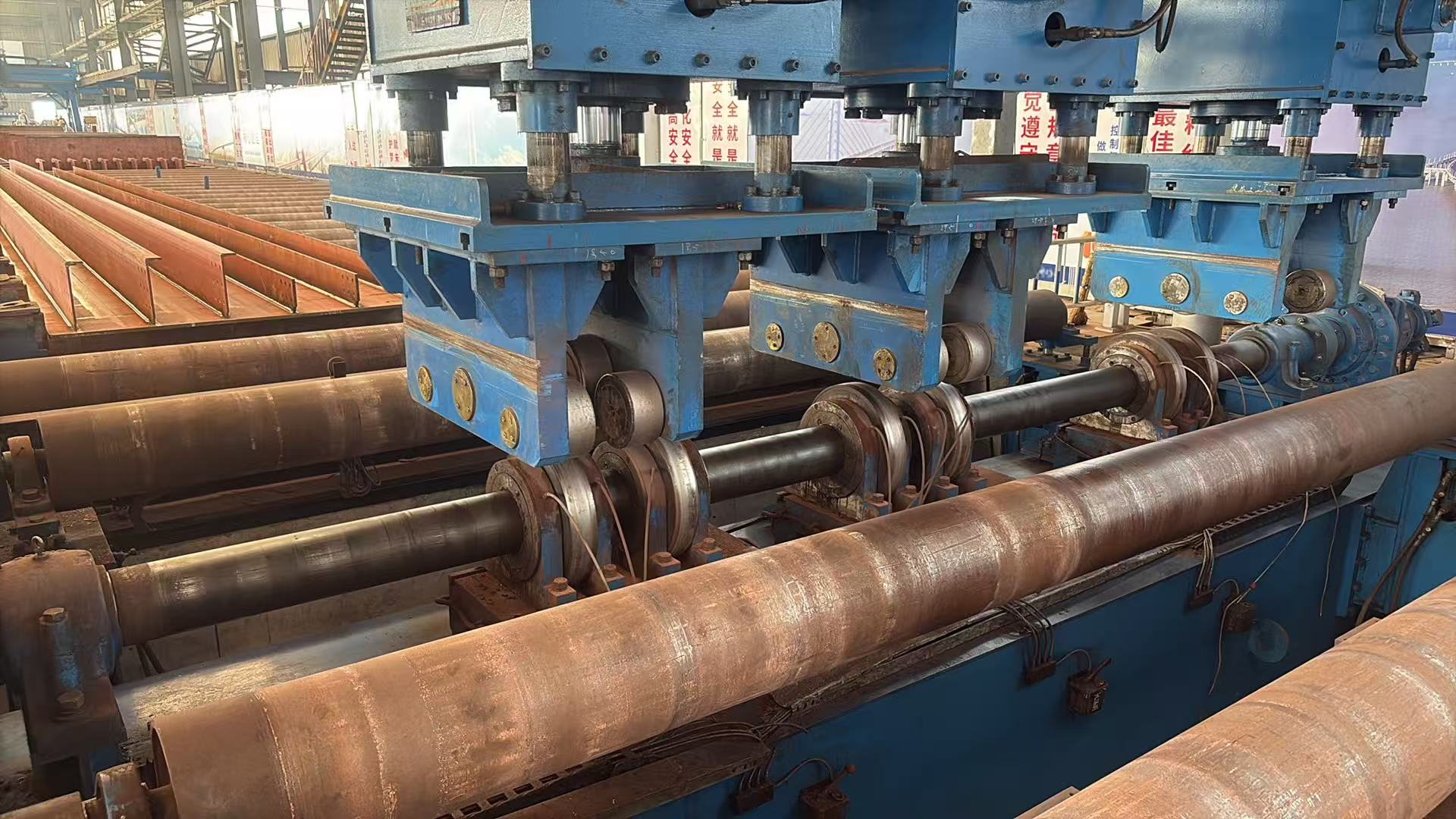
 U Rib Cold straightening machineThis U-rib plate straightening machine realizes automatic roller position adjustment according to U-rib spacing and plate thickness. Adopting symmetrical root separation rolling correction technology, it releases welding stress and eliminates plate deformation during forward and return strokes. It features high precision, fast correction speed and no damage to base material, which is the ideal equipment for U-rib plate unit post-weld straightening.
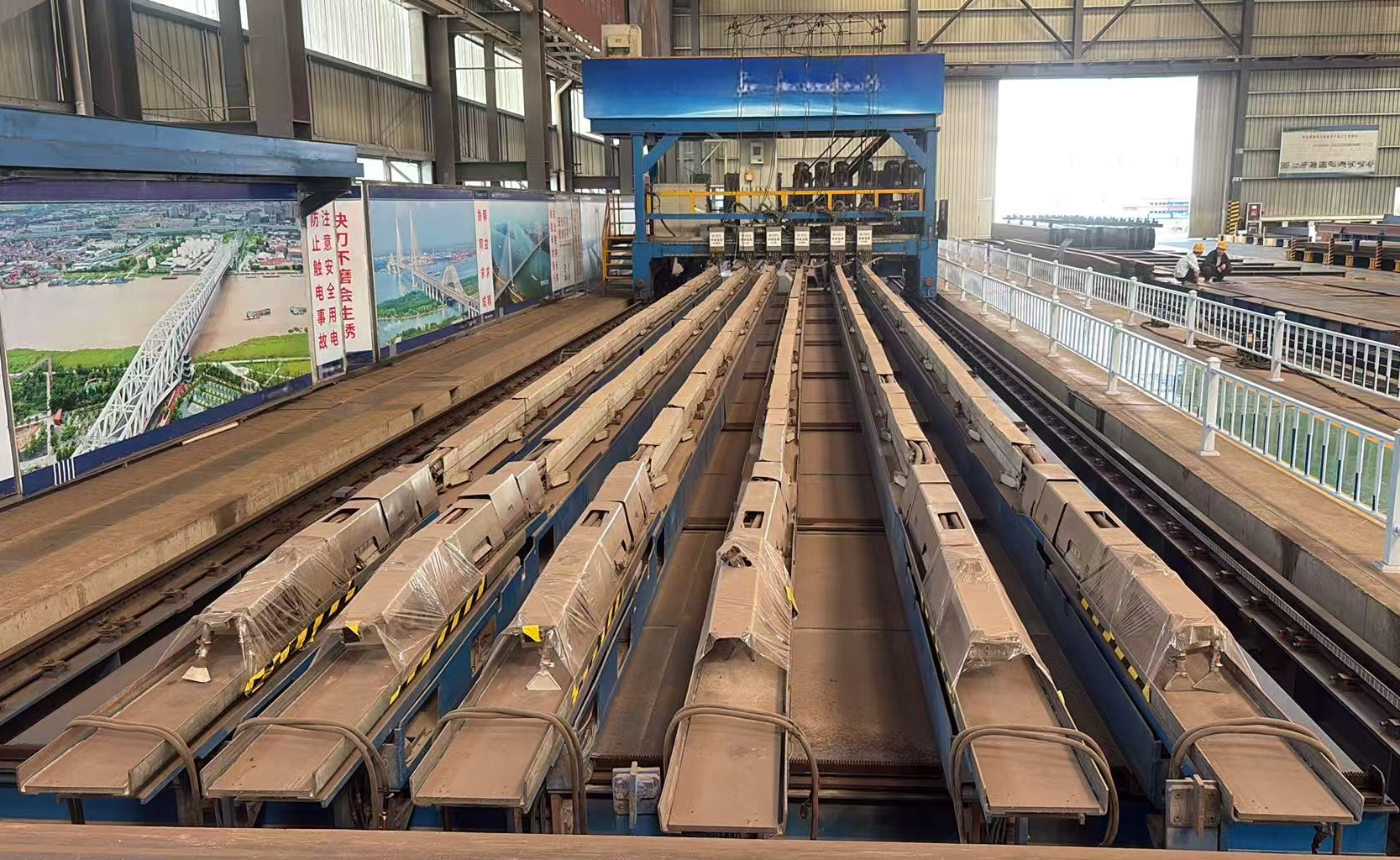
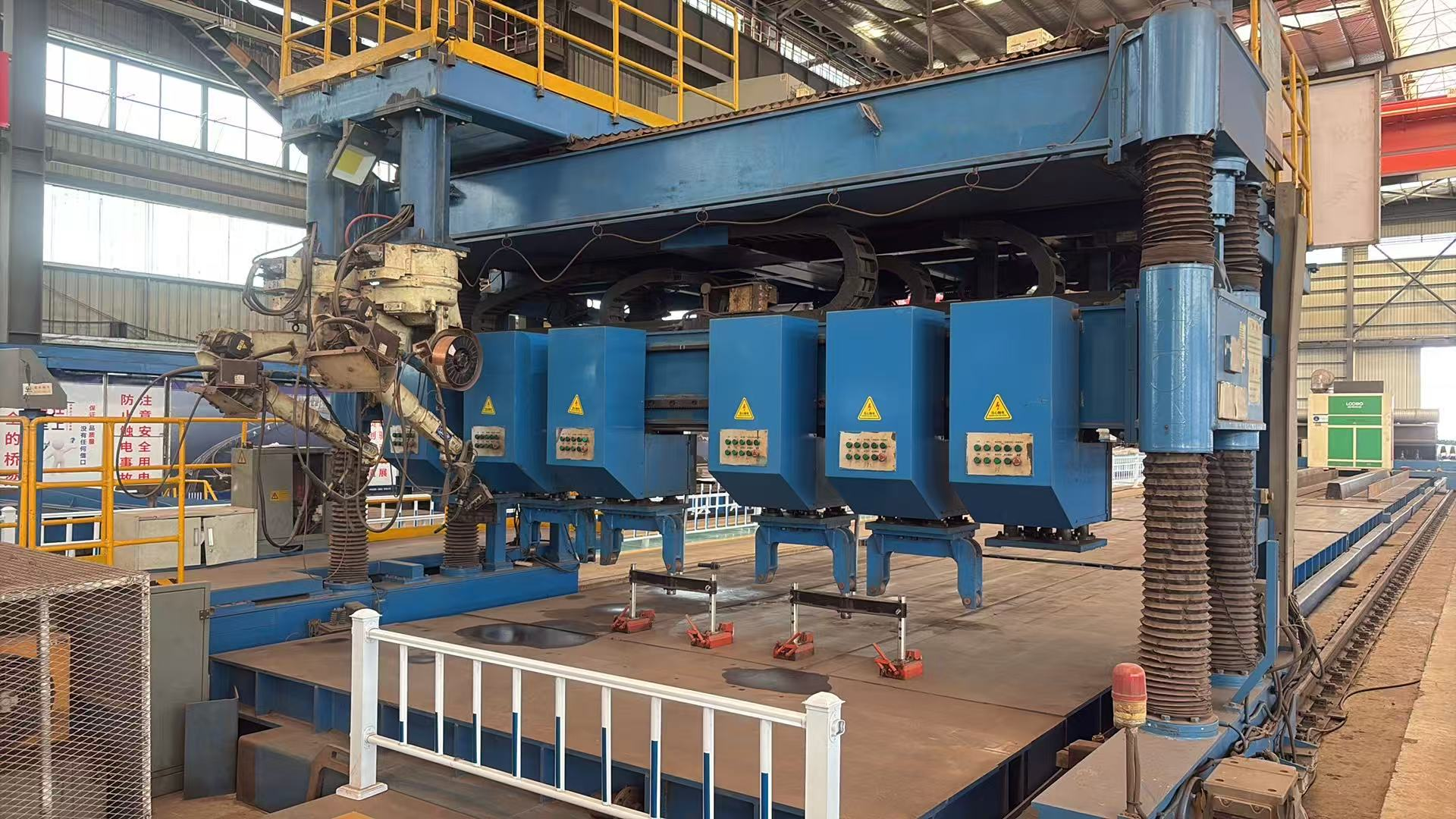
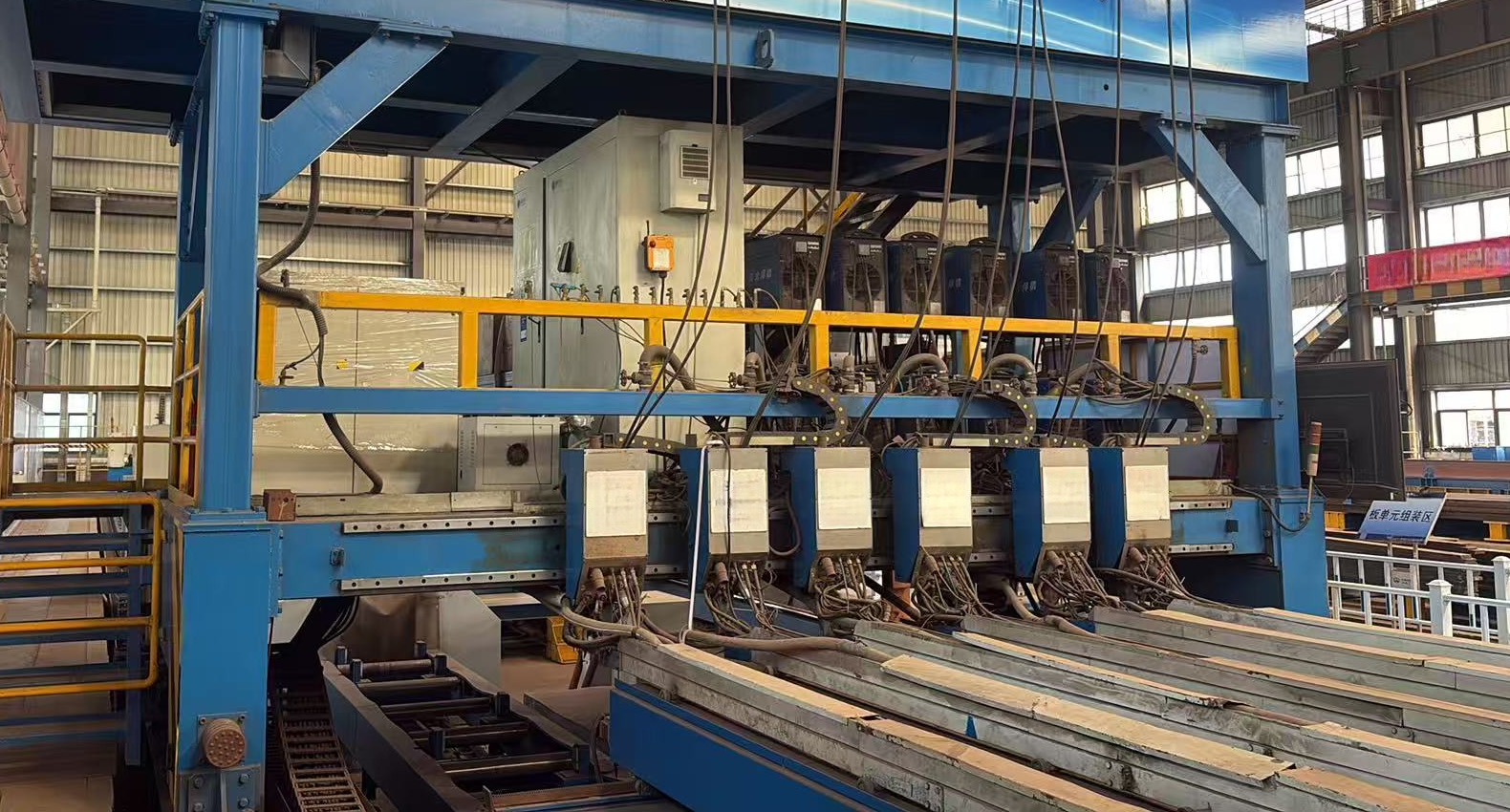
 U Rib inside welding machineThis system mainly consists of 6 sets of automatic welding arms for internal U-rib welds, and 1 gantry welding frame (including 12 welding machines, gas supply system, power supply system, wire feeding system, electrical control system, 6 adjustable welding arm moving tracks, 1 hydraulic plate unit automatic centering and clamping positioning system, and 1 software system).
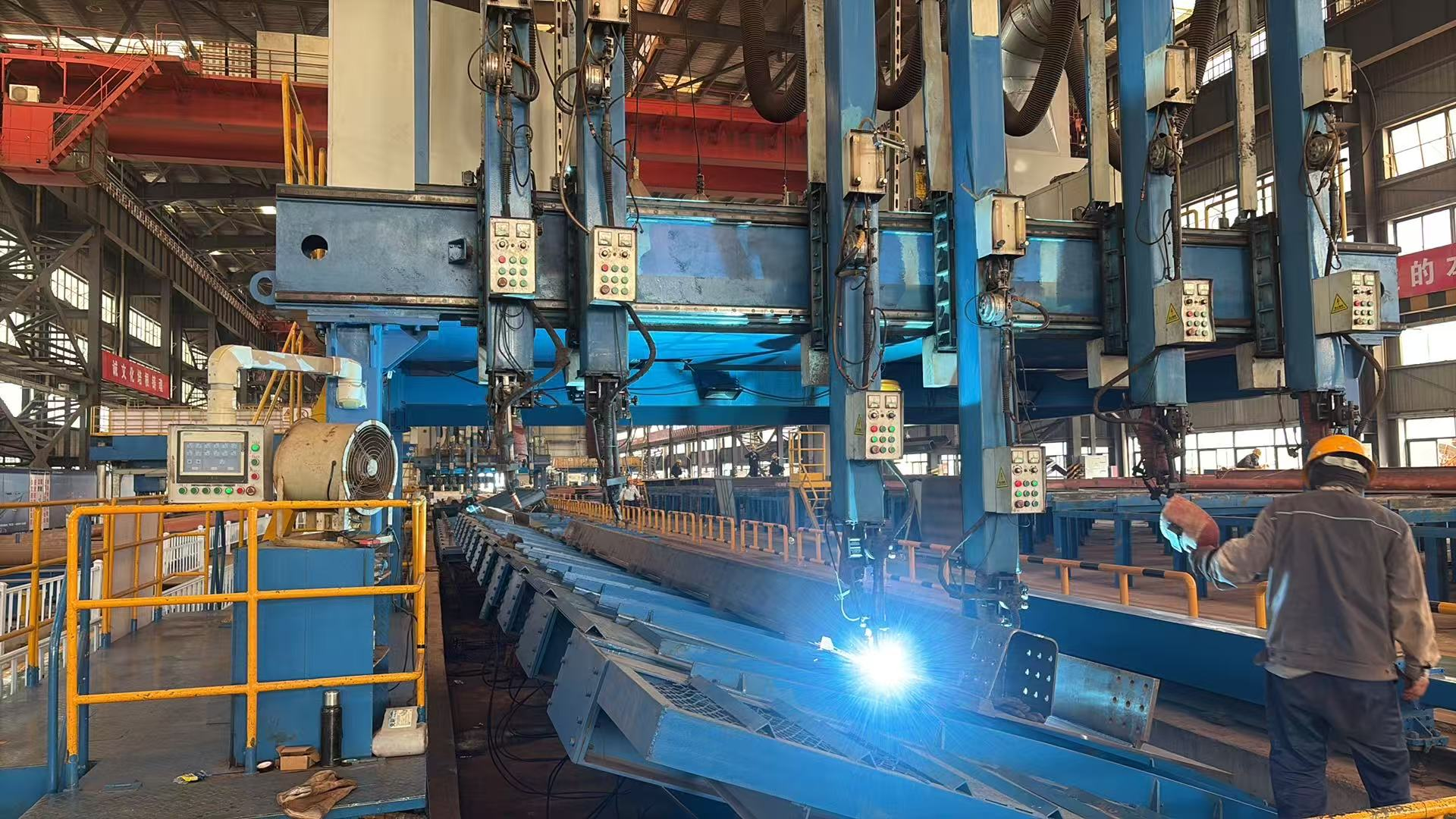
 U Rib Outside welding machineThis U‑rib portal outside welding machine carries out simultaneous gas‑shielded sub‑boat fillet welding for multiple U‑ribs and base plates. Equipped with bilateral drive, 6 sets of seam trackers, tiltable lifting beam (0~±38°), PLC control and digital centralized welding parameter adjustment, it delivers high welding efficiency with compact structure and easy operation.