




— —
space frame welding: A Complete Guide to Processes and Joint Design
Space Frame Welding: A Complete Guide To Processes And Joint Design
Space frame welding joins the steel tubes, end fittings, and nodes used in three-dimensional structural frameworks. These frameworks distribute loads through interconnected members and commonly support roofs, canopies, terminals, exhibition halls, and industrial buildings. Welding quality affects load transfer, dimensional accuracy, fatigue performance, and assembly reliability. A suitable production method therefore starts with the structural connection design, material specification, and inspection requirements, rather than simply choosing a welding power source or an automated machine.
The distinction between structural connection types is fundamental. In welded hollow-sphere systems, tubular members connect to engineered spherical nodes through specified weld details. In bolted ball systems, tubes may have welded cones or end fittings, while the final connection to a solid threaded ball is mechanical. Direct tubular joints connect members without a spherical node. These arrangements require different fixtures, access strategies, machining operations, and acceptance criteria; equipment suitable for one arrangement may not suit another.
A weld must provide the effective throat, penetration, continuity, and geometry required by the connection design. Full penetration is not automatically necessary for every joint, and a larger weld is not automatically safer. Excessive weld metal increases heat input, distortion, consumable use, and production time. Conversely, inadequate fusion or an undersized effective throat can undermine the intended load path. The responsible structural designer should define the connection requirements before fabrication personnel establish the welding procedure.
This guide addresses structural fabricators, machinery buyers, welding engineers, quality managers, and contractors planning repeatable space frame production. Its focus is the relationship between joint design, process control, equipment capability, and commercial performance. Wuxi Armada supplies space frame welding machines alongside positioning, cutting, machining, and other fabrication equipment. Buyers can use the following criteria to develop a technical inquiry that connects those machine capabilities with their actual drawings, production mix, and project specifications.
Joint Design And Material Preparation
Joint design begins with the forces acting through the connection and the geometry available to transfer them. Tube diameter, wall thickness, member angle, node size, eccentricity, and local stiffness all influence performance. Closely spaced members may restrict torch access or create overlapping weld zones. The designer must also consider whether the specified weld can be deposited and inspected in practice. A connection that appears acceptable in a drawing may still require a fabrication review before release.
Material identification supports both weldability and traceability. Confirm steel grade, delivery condition, wall thickness tolerances, and relevant material certificates before cutting. Preheat requirements depend on factors such as composition, thickness, hydrogen control, restraint, and the applicable procedure. Do not prescribe one preheat temperature for every space frame welding job. Where dissimilar grades or unusually thick fittings are involved, the welding coordinator should assess the combination and establish suitable consumables, temperature controls, and qualification requirements.
Edge preparation should follow the approved joint detail. Depending on wall thickness and access, the connection may require a square edge, bevel, controlled root opening, or a specified backing arrangement. Remove moisture, oil, rust, cutting residues, and incompatible coatings from the weld zone. Check tube ovality, cut squareness, fitting concentricity, and contact geometry before loading the fixture. Poor preparation often causes inconsistent gaps, which then demand operator correction and undermine the repeatability expected from mechanized welding.
Node machining requires equal attention. A ball milling and drilling machine can support spherical node preparation, subject to its configuration and the connection design. In threaded ball systems, hole direction, thread specification, engagement, and positional accuracy affect assembly. In welded hollow-sphere systems, node construction and weld access create different requirements. Specify inspection datums and tolerances from the engineering drawings; a smooth spherical surface alone does not demonstrate that a node meets its structural or assembly requirements.
Main Welding Processes And Operating Principles
Gas metal arc welding, often called MIG or MAG depending on the shielding gas, is widely applicable to carbon steel tube fabrication. A continuously fed wire forms the weld while shielding gas protects the molten pool. With a suitable power source and procedure, the process supports mechanized circumferential welding and repeatable deposition. Transfer mode, wire diameter, gas composition, contact tip distance, and travel speed must match the material, joint geometry, welding position, and required fusion profile.
Flux cored arc welding can offer useful deposition characteristics for selected structural applications. Gas shielded and self-shielded wires have different operating requirements and should not be treated as interchangeable. Slag removal between passes, fume extraction, consumable storage, and welding position require attention. Shielded metal arc welding remains useful for some erection work, repairs, and locations where equipment access is limited, although manual electrode changes and operator dependence can restrict productivity in repetitive factory production.
Gas tungsten arc welding provides precise control for suitable thin sections, roots, or specialized materials, but its deposition rate may be less attractive for routine structural production. Submerged arc welding can be productive for accessible, suitably oriented seams, yet flux containment and joint geometry limit its usefulness on small, crowded tubular nodes. Process selection should therefore follow accessibility and weld requirements. A process that performs well on straight seams may be unsuitable for a compact spherical connection.
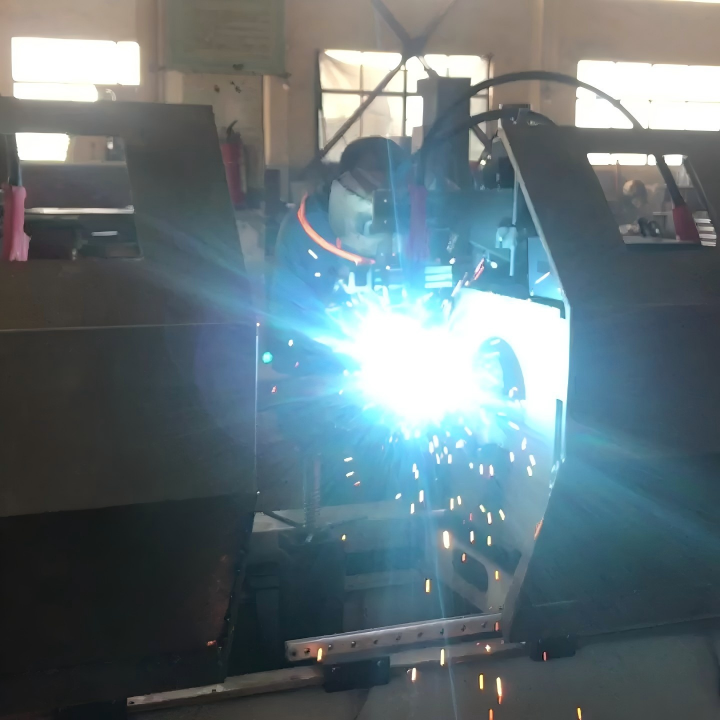
Mechanized space frame welding commonly coordinates workpiece rotation with a supported torch. A positioner or dedicated fixture maintains alignment while rotation speed controls circumferential travel. Programmable systems may coordinate arc initiation, rotation, welding parameters, overlap, and crater filling, depending on their configuration. Robotic systems provide additional motion flexibility but require reliable part presentation, collision planning, and suitable programming. Automation improves consistency only when fit-up, consumables, grounding, shielding, and the qualified operating range remain under control.
Production Workflow And Distortion Control
A practical production sequence starts with drawing review and material identification, followed by cutting, machining, cleaning, fit-up, tack welding, production welding, inspection, and surface preparation. Assign identification marks before parts become difficult to distinguish. Inspection checkpoints should prevent incorrect fittings or out-of-tolerance tubes from reaching welding. Where several machines contribute to one assembly, use consistent reference datums so that cutting, node machining, fixture loading, and final dimensional inspection measure the same functional relationships.
Fixtures should locate the tube and fitting without obstructing the torch or inspection access. Clamping must be adequate for alignment and safe rotation, but excessive restraint can increase residual stress and cracking susceptibility in demanding joints. Check chuck runout, support spacing, and the relationship between the rotational axis and weld path. Tack welds should follow the applicable procedure and be assessed before incorporation into the final weld. Defective tacks require correction rather than concealment beneath subsequent passes.
Distortion develops because heating and cooling cause uneven expansion and contraction. Control measures include consistent fit-up, balanced sequencing where practical, appropriate weld size, controlled heat input, and planned interpass temperatures. For a circumferential connection, verify how the starting point, pass sequence, and overlap affect local heating. Pre-setting may help in some repeatable assemblies, but it should follow trials and dimensional evidence. Uncontrolled forced cooling or improvised straightening can create additional metallurgical or dimensional problems.
Before routine production, weld a representative assembly and measure it after cooling and fixture release. Record angular deviation, overall length, fitting alignment, and any critical node dimensions. A component that appears straight while clamped may move when released. Use the trial to refine the fixture and sequence within the qualified procedure, then establish production checks at sensible intervals. Maintenance should include torch consumables, wire feeding, clamps, bearings, rotation accuracy, electrical connections, and gas delivery according to manufacturer instructions and operating conditions.
Quality Standards And Inspection Requirements
Select the governing standard from the project specification and destination market. AWS D1.1 may apply to structural steel work where specified, while ISO-based projects may use ISO 15614-1 for welding procedure qualification and ISO 9606-1 for welder qualification. Mechanized and automatic welding operators may require qualification under ISO 14732. Applicability depends on material, connection, contractual requirements, and the adopted edition. These documents serve different purposes and should not be treated as interchangeable certificates.
The welding procedure specification should define the variables needed to reproduce an acceptable weld, including process, joint preparation, consumables, welding position, electrical parameters, travel conditions, and relevant temperature controls. Qualification establishes supporting evidence within a defined range. A machine demonstration alone does not replace procedure qualification where the contract requires it. Similarly, changing a material group, thickness, process, or other essential variable may require review before production continues under the existing documentation.
Visual inspection should assess weld size, profile, continuity, visible cracking, undercut, and other specified surface conditions. Additional testing may include magnetic particle, penetrant, ultrasonic, or radiographic examination where suitable and required. The method must suit the geometry and the discontinuities being evaluated; small curved nodes and restricted access can complicate examination. Establish acceptance criteria, inspection coverage, personnel qualifications, and repair procedures before production. A statement that a weld was tested is incomplete without those details.
Wuxi Armada lists ISO 9001, CE, and SGS credentials in its supplied company information. Procurement teams should request the corresponding documents and verify the named entity, equipment scope, issuing details, and current applicability. ISO 9001 concerns quality management, while applicable CE documentation concerns relevant product conformity obligations; SGS documentation must be assessed by its stated scope. These credentials do not by themselves establish structural weld acceptance. Pair supplier documentation with representative trials, machine safety reviews, and project-specific welding controls.
Equipment Selection And Application Scenarios
Start equipment selection with a part matrix covering tube diameters, wall thicknesses, lengths, assembly weights, fitting types, joint positions, and expected production quantities. Include the most difficult parts as well as the most frequent. For rotating equipment, rated load alone is insufficient: eccentric loading, overturning moment, workpiece support, speed range, and fixture mass also matter. Require confirmation that the proposed arrangement can maintain stable movement and safe support across the intended operating envelope.
Evaluate a space frame welding machine through its complete cycle: loading, locating, clamping, welding, unloading, and changeover. Check torch adjustment, available access, fixture compatibility, control repeatability, and integration with the specified welding power source. A welding positioner can help orient assemblies, while manipulators support torch placement in suitable arrangements. Rotators generally suit appropriate cylindrical workpieces but need careful assessment for short tubes, small diameters, or assemblies whose fittings interfere with roller contact and rotation.
Wuxi Armada offers space frame welding machines, welding positioners, manipulators, rotators, welding robots, and cutting and machining equipment. This breadth gives buyers a basis for discussing several stages of a fabrication workflow with one supplier. For roof truss and canopy production, review the dedicated welding machine together with node preparation and tube cutting requirements. For mixed structural workshops, assess shared equipment against actual scheduling demands; a versatile machine provides limited benefit if frequent setup changes create production bottlenecks.
The supplied customer references include URALSTANKOIMPORT, MD Calbah Industries Pty Ltd, Zein Steel Industries Co.LLC, and Lincoln Electric-MENA. The available information does not identify their purchased machines, project dates, or performance results, so these names should serve as reference leads rather than documented space frame case studies. Request permission-based references relevant to your application and ask about commissioning, spare parts, documentation, and service response. Confirm proposed performance through a witnessed trial using representative joints and agreed acceptance criteria.
Ownership Costs And Investment Evaluation
The purchase price represents only part of the cost of a space frame welding system. Budget for fixtures, welding power sources, extraction, guarding, electrical installation, compressed air where needed, transport, commissioning, training, and initial spare parts. Clarify which items the quotation includes and which remain the buyer's responsibility. Facility preparation can materially affect the installation schedule, particularly where long workpieces require additional handling space, lifting equipment, or foundations specified for the selected machinery.
Operating costs include labor, filler metal, shielding gas, electricity, consumables, maintenance, inspection, and rework. Compare cost per accepted assembly rather than arc-on time alone. A faster welding cycle may produce little overall improvement if loading, fit-up, cooling, or inspection remains the constraint. Conversely, better positioning may reduce handling effort and improve access even when deposition speed changes little. Collect baseline production data before requesting productivity estimates so that the comparison reflects actual workshop conditions.
Estimate annual net savings from measured labor reductions, lower scrap and rework, and additional saleable output, then subtract added operating and maintenance costs. Simple payback equals the installed investment divided by annual net savings when those savings are positive. Keep assumptions visible, especially utilization, product mix, operator availability, and demand for additional capacity. Avoid counting the same benefit twice, such as treating released labor hours as both payroll savings and extra production without demonstrating how each will occur.
Use acceptance terms that connect commercial commitments to observable machine performance. Suitable measures include dimensional repeatability, cycle time for defined parts, changeover requirements, weld acceptance, safety functions, and completion of agreed training. Identify test materials, fixtures, procedures, and inspection responsibilities before the trial. Also review warranty scope, remote support, spare part availability, software backup arrangements, and documentation language. These provisions make competing quotations easier to compare and reduce uncertainty during installation and early production.
Future Trends And Procurement Planning
Space frame welding is moving toward greater coordination between digital drawings, machining, fixture setup, welding programs, and inspection records. Digital part identification can help preserve traceability through multiple production stages. Parameter logging can support troubleshooting and procedure compliance when the recorded variables are relevant and reliable. These capabilities should solve a defined production problem. Collecting large volumes of data provides limited value unless personnel can connect deviations with specific parts, procedures, equipment conditions, and corrective actions.
Seam finding, seam tracking, and adaptive controls may help manage suitable variations in joint location or geometry, depending on the sensor and application. They cannot compensate for every preparation defect or make an unsuitable joint weldable. Surface condition, restricted access, reflections, spatter, and changing geometry can affect sensing performance. Ask suppliers to demonstrate these functions on representative parts, including realistic variation, and establish the limits within which the system can maintain the required weld quality.
Flexible automation is particularly relevant where workshops handle many tube sizes and short production batches. Quick-change fixtures, reusable programs, and accessible controls can reduce setup effort, provided their performance is verified. Energy and consumable efficiency also deserve attention through reduced idle running, controlled gas delivery, appropriate weld sizes, and fewer rejected parts. Equipment upgrades should follow documented constraints: unreliable rotation, unavailable spares, excessive setup time, or insufficient control capability provide clearer investment reasons than machine age alone.
To discuss a system with Wuxi Armada, prepare representative drawings, material grades, dimensional ranges, assembly weights, expected batch sizes, production targets, and the governing welding and inspection requirements. Include photographs or models showing access restrictions and explain the available utilities and handling arrangements. Request a proposal identifying the machine, fixtures, process assumptions, supplied documentation, training, and acceptance trial. This information allows both parties to assess whether the proposed space frame welding equipment fits the connection design and production economics.
 Space Frame Welding Methods for Controlling Heat Distortion in Tubular NodesSpace frame welding methods for controlling heat distortion in tubular nodes, covering balanced sequences, fit-up, heat input, fixturing, and quality checks.
 How CNC Steel Ball Milling Machines Finish Spherical Surfaces to SpecificationCNC steel ball milling machine solutions deliver accurate spherical surfaces through stable kinematics, optimized tooling, workholding, and precision inspection.
 Space Frame Welding Machine Capacity: Matching Automation to Node ComplexitySpace frame welding machine capacity guide: match automation, axes, fixtures, and throughput to node complexity for reliable, scalable production.
![]() What to Verify in a Space Frame Welding Factory Before Project FabricationSpace frame welding factory checklist: verify material traceability, welding qualifications, fit-up accuracy, inspection controls, capacity, and packing before fabrication release.
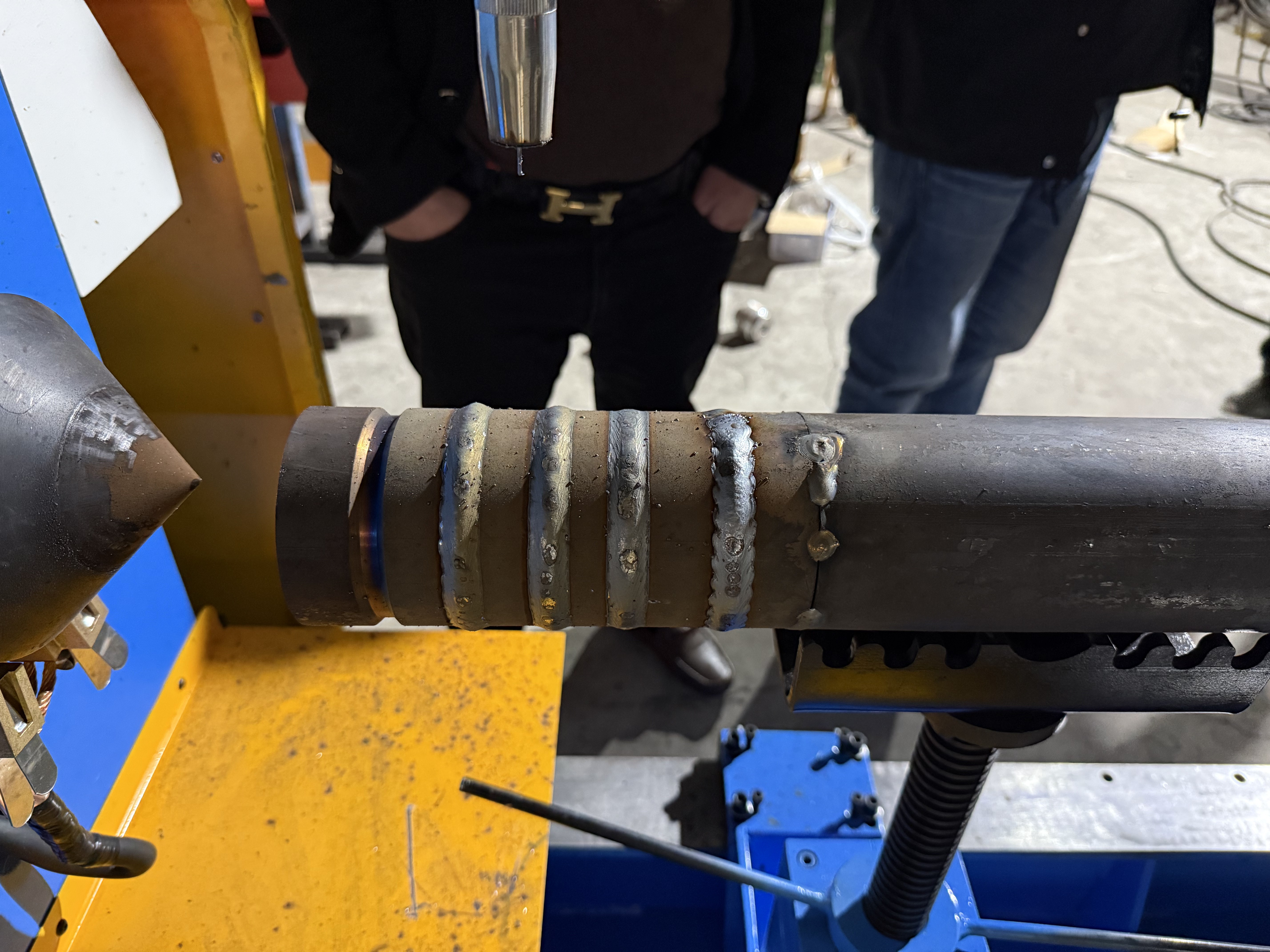
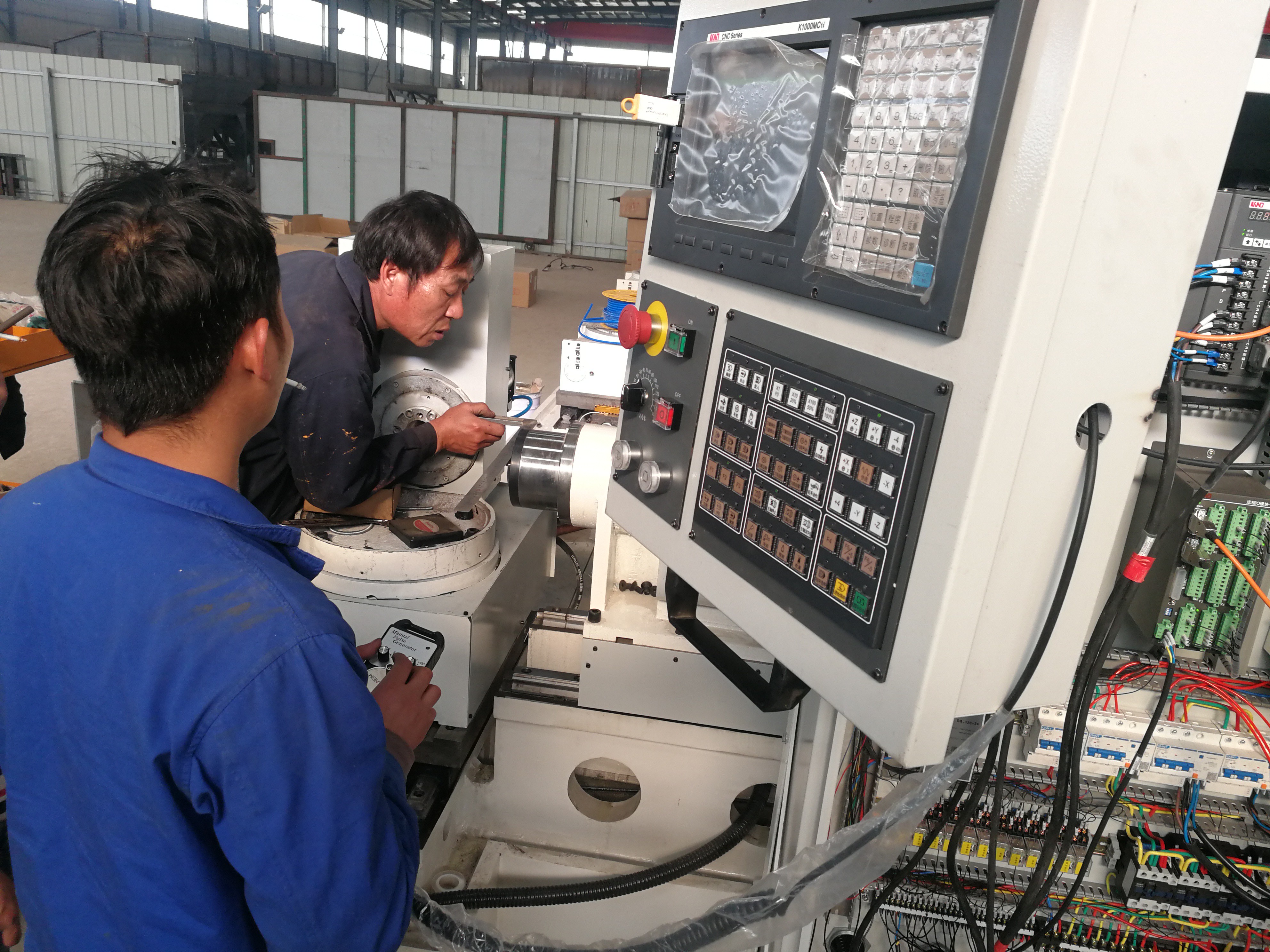

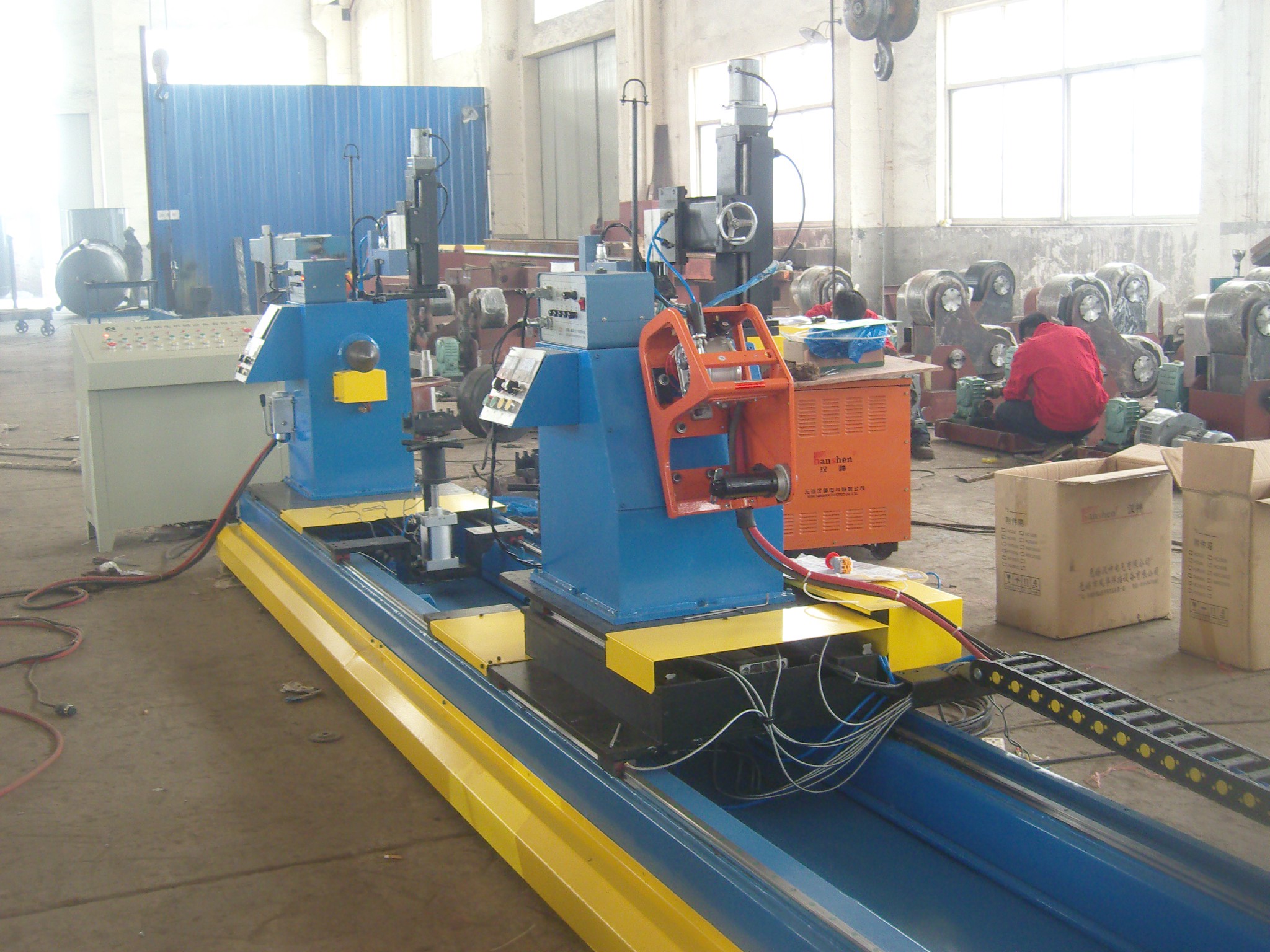
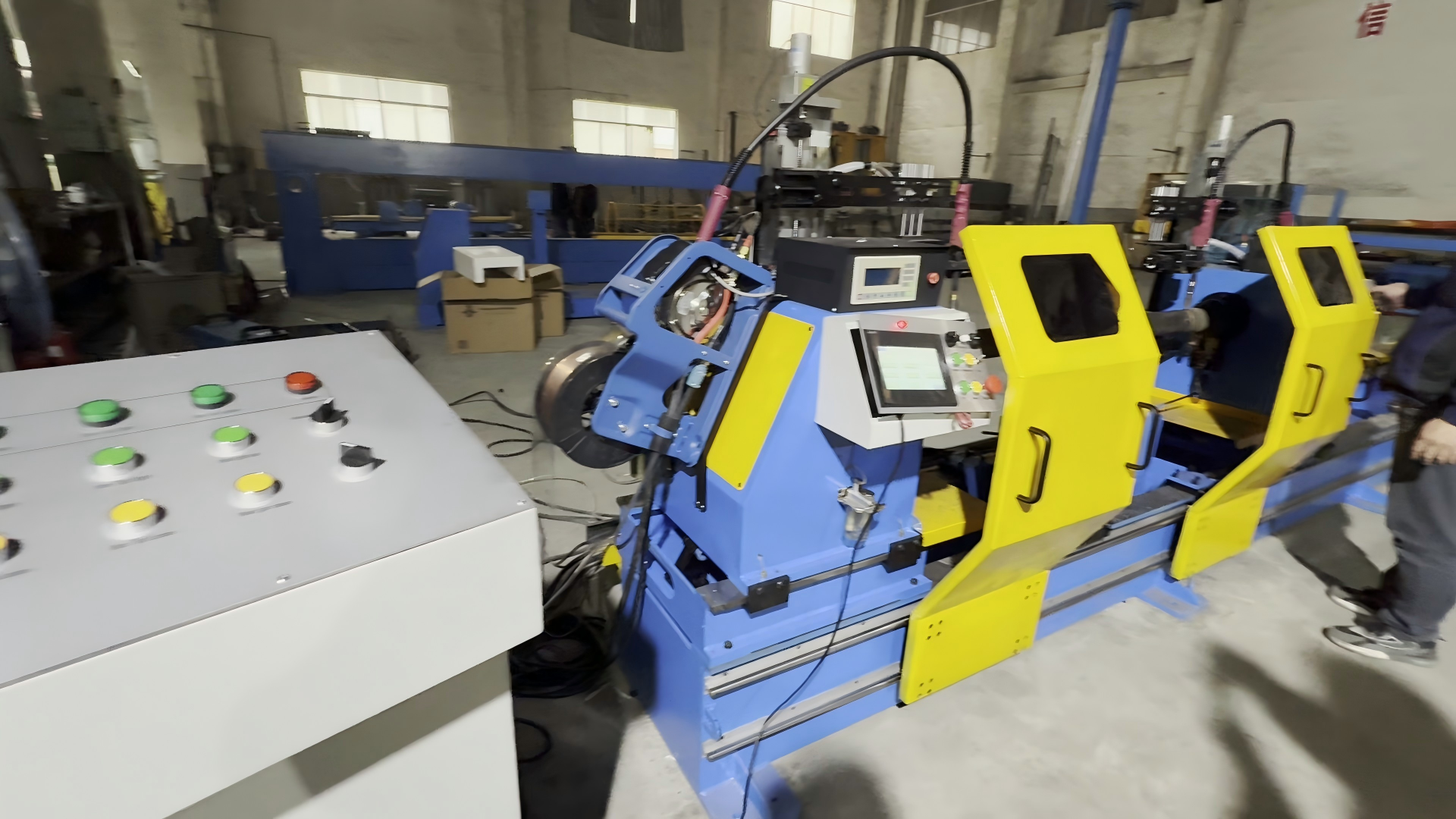
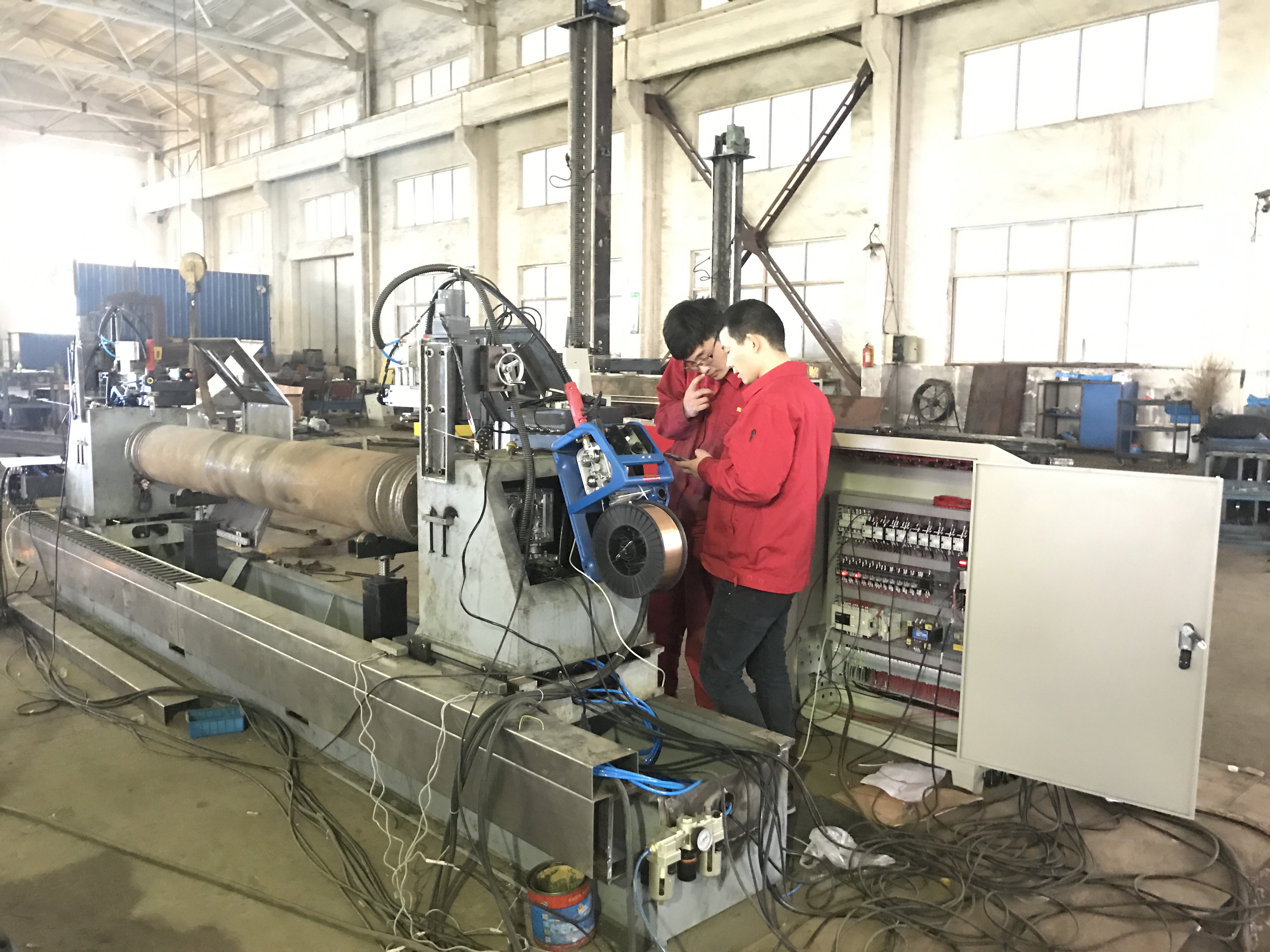
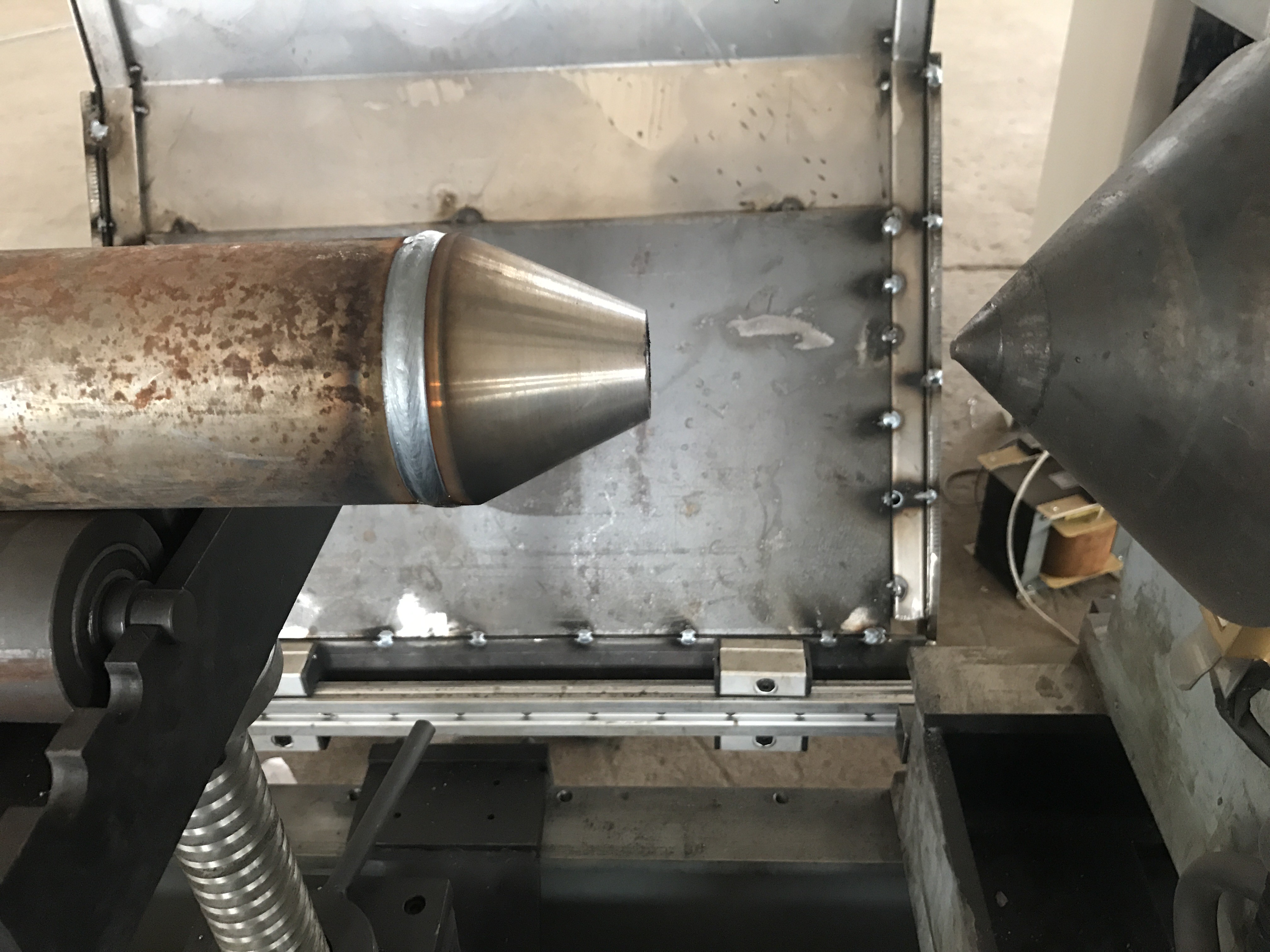
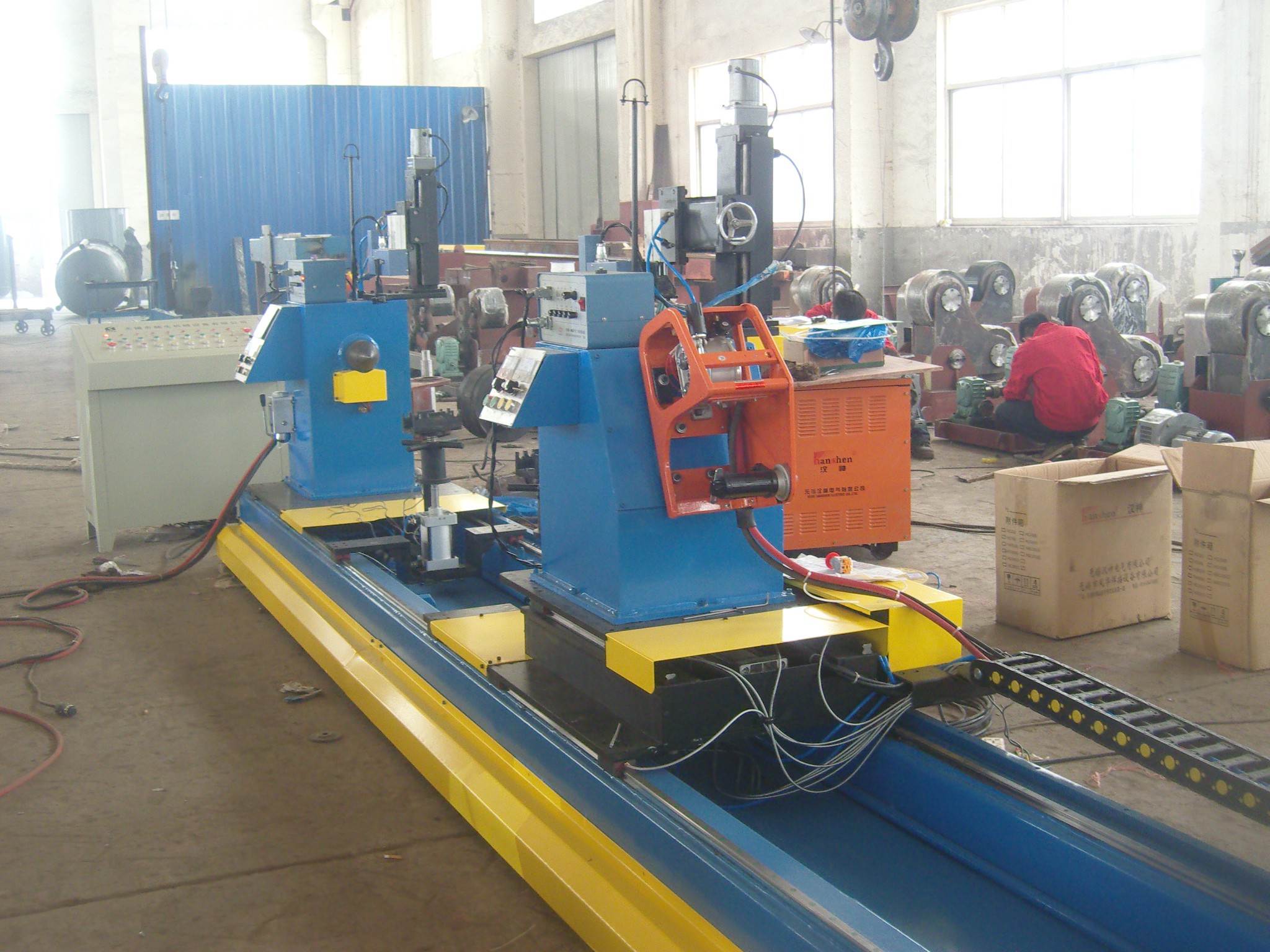
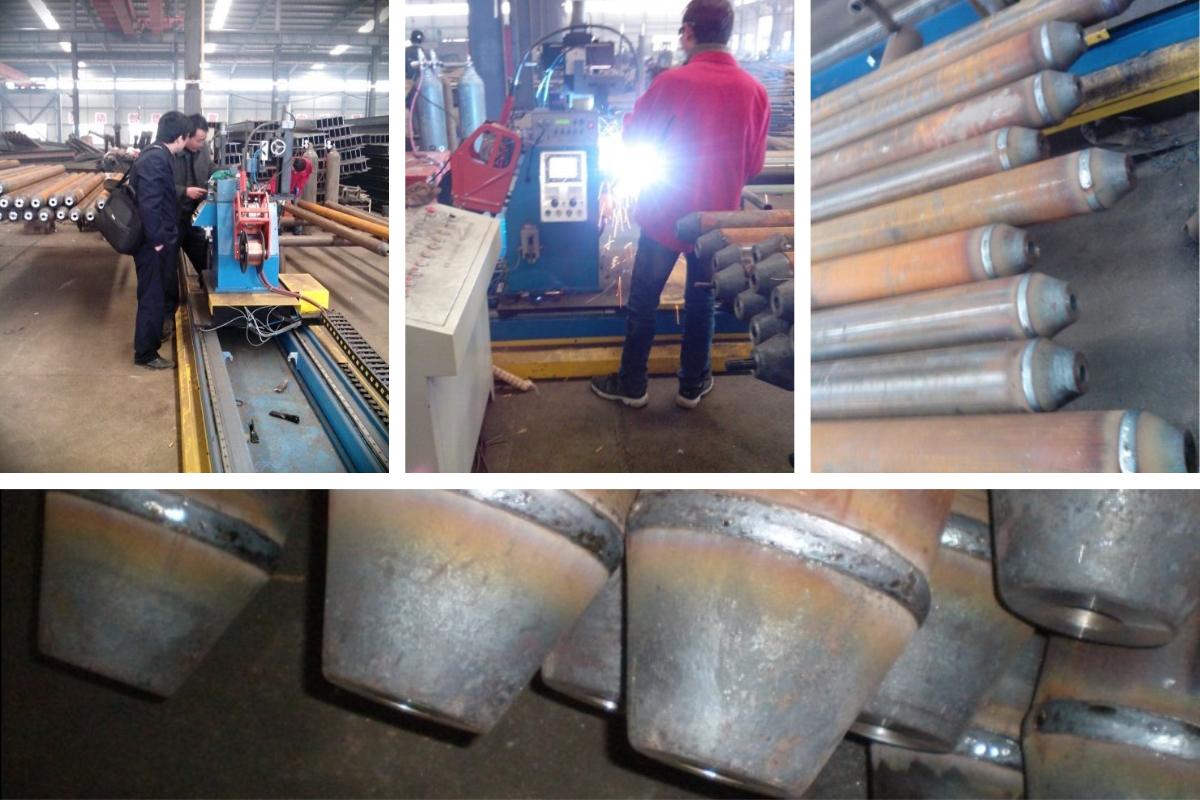
 Space frame welding machineBody of space frame welding machine is assembled by steel metal,structure parts are anneal processed,quite stable and durable;Automatic space frame truss welding machine realizes welding gun swing welding,welding gun is adjusted by manual;Main and vice withstanding device is by hydraulic,Space frame welding machine will loose after welding finishes,lifting of work piece adopts lead screw by manual.Automatic space frame welding machine Length of body is 7.2 meters,and width is 900mm,max welding gap could be 3-5cm,length of work piece should be under 5.5 meters,and diameter of work piece is 42mm-180mm
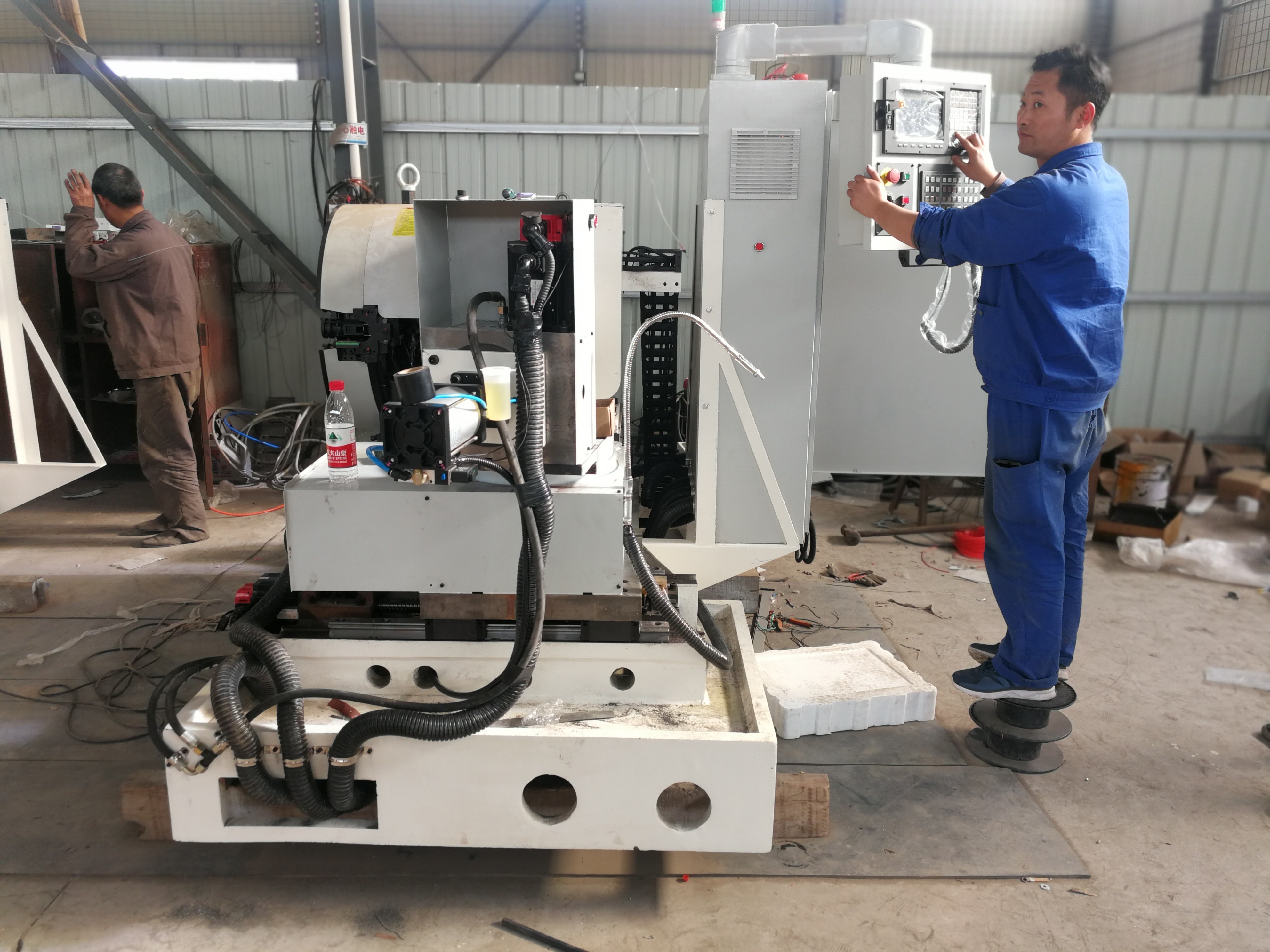
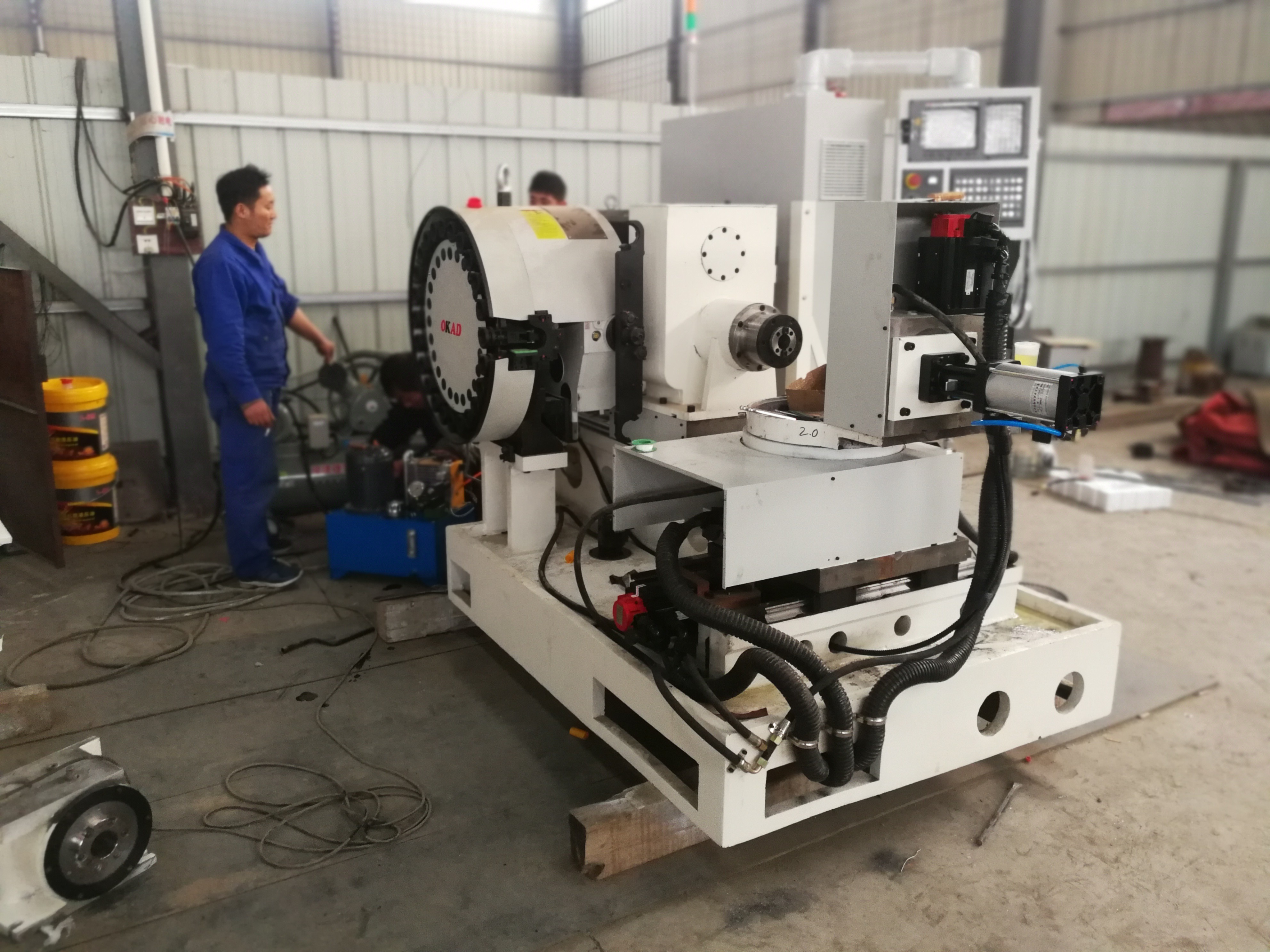
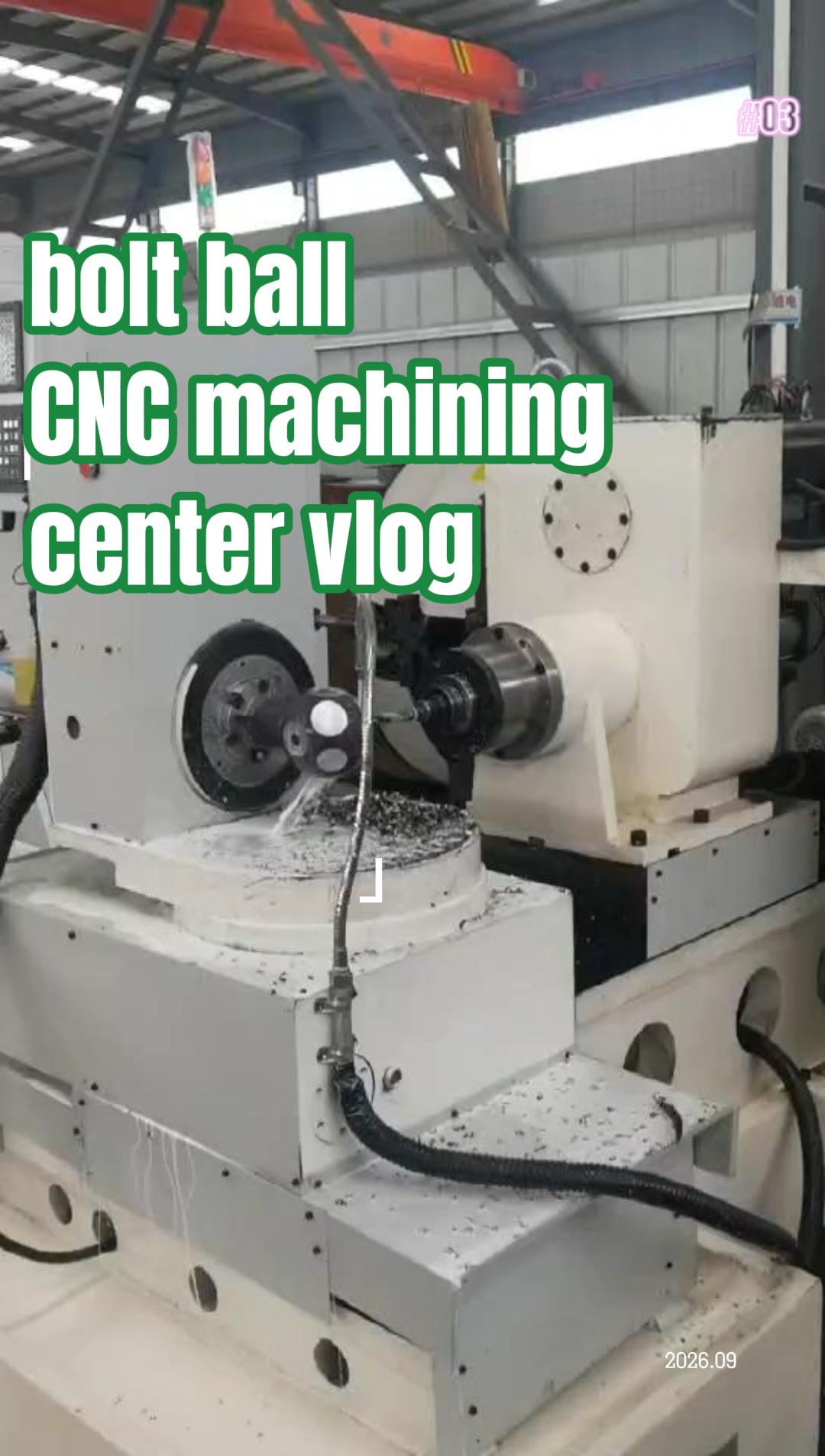
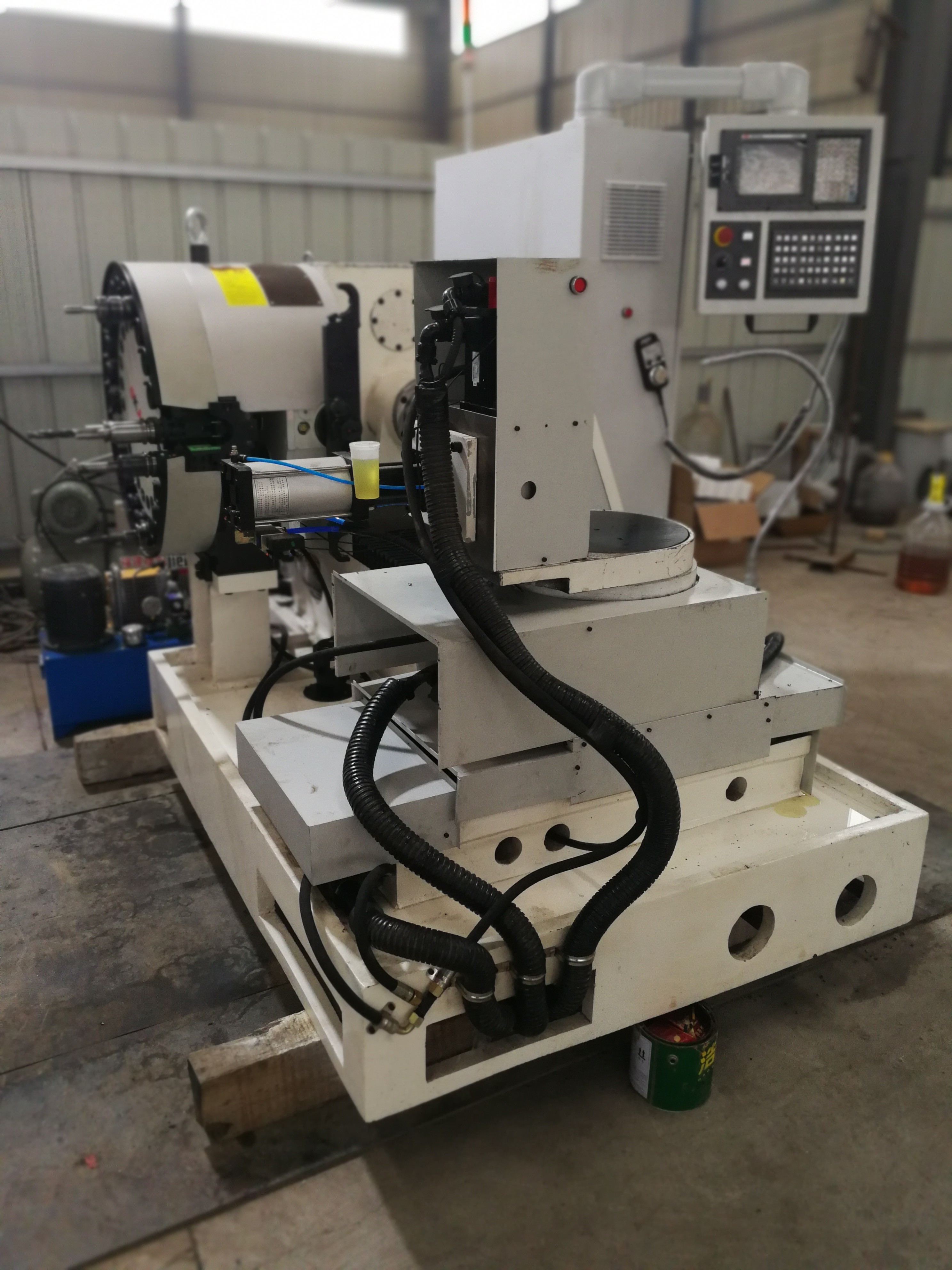
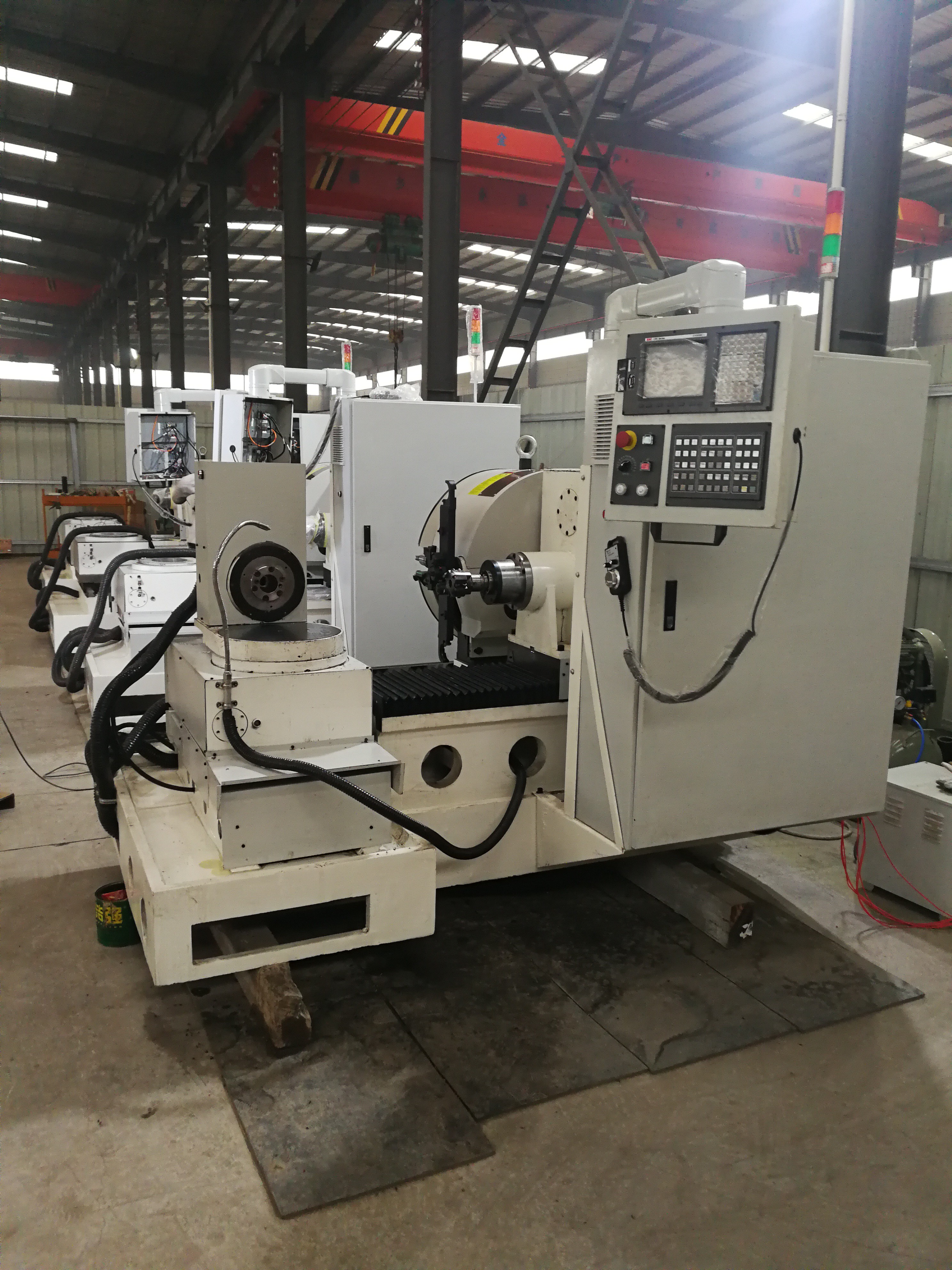
 Ball milling and drilling machineOur bolt ball CNC machining center is special equipment for processing all threaded holes on bolt balls. Featuring advanced CNC technology and high-performance CAM programming software, it completes multi-angle and multi-diameter hole machining in a single clamping. With automatic tool change and adjustable spindle speed, feed rate and tool path, it reduces repeated clamping and manual work. The system controls angles precisely to lower angular errors on bolt ball planes and delivers remarkable economic gains.
