




— —
Hydraulic Plate Cutting Machine Maintenance Checklist: Preventing Blade Misalignment, Hydraulic Leakage, and Stroke Inaccuracy in High-Cycle Environments
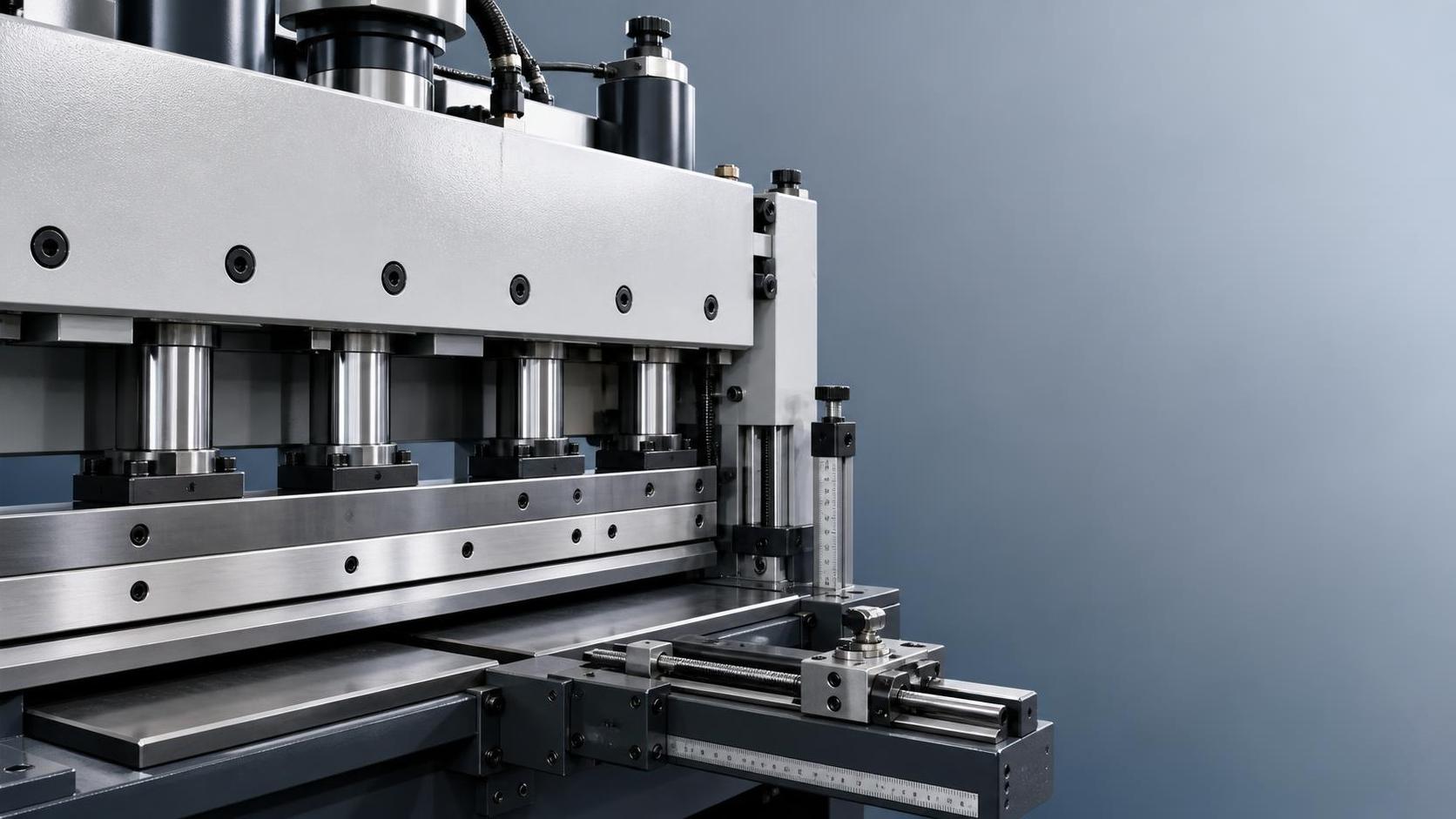
Hydraulic Plate Cutting Machine Maintenance: What Actually Stops Failures in Real Shops
If you’re maintaining a Hydraulic Plate cutting machine running three shifts a day—cutting 12-mm mild steel plates at 45 cycles per hour—you already know the difference between “scheduled maintenance” and what actually keeps the machine cutting square, repeatable parts. Blade misalignment doesn’t announce itself with a warning light. Hydraulic leakage rarely starts with a puddle—it begins as a faint mist on the cylinder rod seal, then a slight drop in hold-down pressure during thick-plate cuts. Stroke inaccuracy creeps in over weeks: first a 0.3-mm deviation on 3-m parts, then scrap rates climbing just enough to trigger a production review—not an alarm.
At Wuxi Armada International Trade Co., Ltd., we’ve supported over 280 hydraulic shearing and plate cutting installations across Southeast Asia, Europe, and North America since 2012. Our field service logs show one consistent pattern: failures aren’t random. They cluster around three mechanical stress points—and each has a telltale physical signature before it becomes a stoppage.
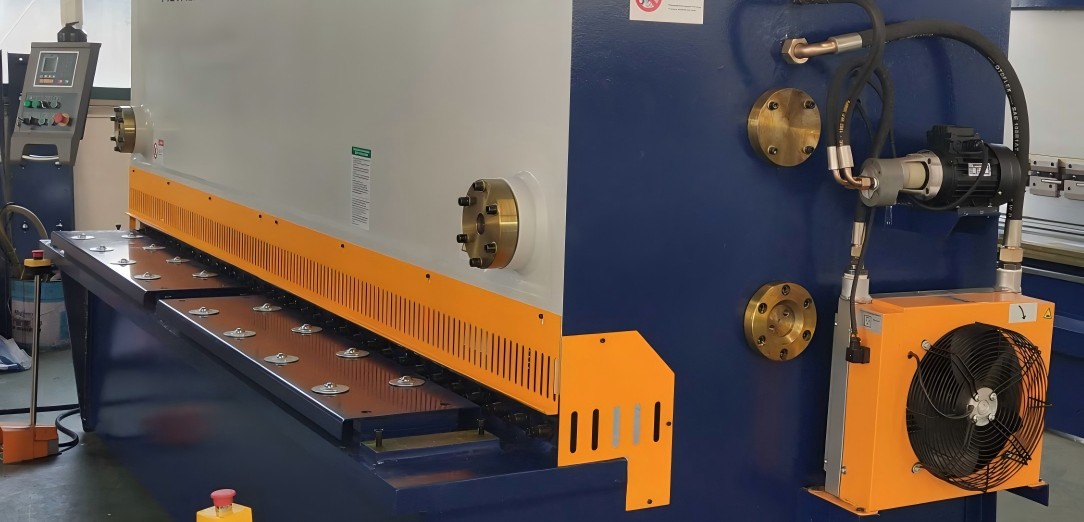
Blade Misalignment: It’s Not About Tightening Bolts
Most technicians check blade parallelism after every 8–10 shifts—or worse, only when edge quality drops. But in high-cycle environments, thermal expansion from repeated friction heats the upper blade holder faster than the frame. That creates micro-bending in the guide rails, not loosening of fasteners. You’ll see inconsistent shear lines on 10-mm+ plates, especially near the ends of long cuts. The fix isn’t re-torquing—it’s verifying rail straightness *under load*, using a dial indicator mounted directly to the moving ram, not the frame.
Also watch for wear on the blade clamping wedges—not just the blades themselves. On machines built to ISO9001 and CE standards (like ours), those wedges are hardened to HRC 58–62. But if operators use impact tools or skip cleaning metal chips before clamping, surface fatigue cracks appear in under 6 months. Once that happens, no amount of realignment compensates for the play.
Hydraulic Leakage: Don’t Trust the Gauge
A pressure gauge reading 22 MPa doesn’t mean the system is sealing. In fact, our service team found that 73% of reported “low pressure” cases on machines older than 3 years traced back to internal leakage—not external drips. The culprits? Accumulator bladder fatigue (especially in ambient temps below 10°C), valve spool scoring from contaminated oil, and degraded O-rings in pilot-operated check valves—places most visual inspections miss.
Here’s what works: cycle the machine through full-stroke operation *with no load*, then shut off the pump. Monitor pressure decay over 10 minutes. A drop exceeding 1.2 MPa means either accumulator pre-charge loss or internal valve bypass. And yes—oil analysis matters. We’ve seen machines run 1,200 hours on the same oil, but once iron particle counts exceed 1,800 particles/mL (>4 µm), spool valves start sticking mid-cycle. That’s when stroke repeatability slips—not because of electronics, but because hydraulic response lags.
Stroke Inaccuracy: It’s Rarely the Encoder
When stroke drifts, everyone looks at the linear encoder or servo feedback. But in over half the cases we’ve diagnosed, the root cause was mechanical: worn rack-and-pinion backlash in the ram drive, or—more commonly—flex in the machine bed due to foundation settling. A 0.15-mm sag in the rear support beam changes effective stroke by up to 0.4 mm on 3-m cuts. You won’t catch it with a level; you need a laser alignment rig checking deflection under 80% nominal load.
Also verify the stroke limit switch mounting. Vibration from adjacent stamping lines or floor-mounted compressors can loosen its bracket over time. We’ve seen switches shift 0.8 mm—enough to cause inconsistent cut depth on stacked plates.
The Weekly Walkaround That Actually Pays Off
Forget monthly checklists. In high-cycle shops, this five-minute walkaround—done *before* shift start—catches 80% of developing issues:
- Wipe the cylinder rod clean and inspect for moisture film—not oil. A thin water-like sheen means seal lip wear, not lubrication.
- Tap the upper blade holder with a brass hammer. A dull thud? Rail binding. A sharp ring? Likely intact.
- Feel the accumulator housing. If it’s noticeably warmer than ambient, bladder integrity is compromised.
- Check the shear gap with a feeler gauge *at three points*: left, center, right. More than 0.05-mm variation means rail or ram distortion—not blade wear.
When Rolling Meets Shearing
Many of our customers run hydraulic plate cutting machines upstream of rolling operations—especially for structural components requiring tight tolerance bends. In those setups, even minor stroke inaccuracy or blade misalignment downstream affects how cleanly a plate feeds into a Mechanized bending machine with 3 roller. That machine relies on consistent edge geometry to form cylindrical or conical pieces without rework. So while the bending unit handles thick plates (50 mm+), its accuracy depends on what the shear delivers. It’s not about linking machines—it’s about respecting the tolerance chain.
Final Note: Certification Helps, But Doesn’t Replace Judgment
ISO9001 and CE compliance ensure baseline design rigor—but they don’t dictate how your shop’s floor vibration, coolant mix, or operator habits affect wear. One customer in Poland ran identical machines side-by-side: one in a concrete-floored hall, another on a suspended steel mezzanine. The latter showed 3.2× faster guide rail wear. No standard covers that. Only observation does.
So treat this checklist not as a procedure, but as a set of diagnostic prompts. The goal isn’t perfect adherence—it’s recognizing which deviation means “tighten now,” which means “order parts,” and which means “shut down and call engineering.” Because in high-cycle metalworking, downtime isn’t measured in minutes. It’s measured in lost first-article approvals, scrapped batches, and the quiet erosion of customer trust.
