




When Does a Hydraulic Pipe Bender Start Losing Bend Accuracy?
— —
When Does a Hydraulic Pipe Bender Start Losing Bend Accuracy?
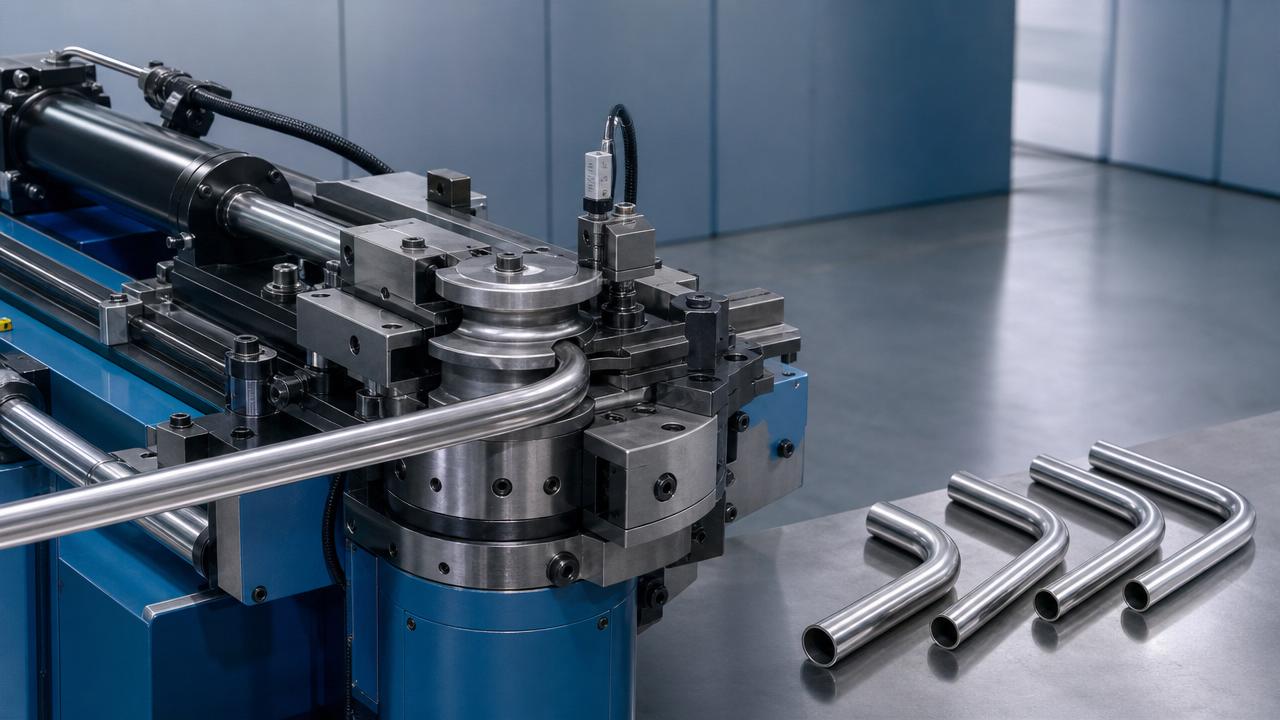
A Hydraulic Pipe bender does not lose accuracy all at once—it usually happens through small warning signs such as angle deviation, inconsistent springback, or unstable clamping. For after-sales maintenance teams, spotting these early changes is critical to preventing defective bends, customer complaints, and downtime. Understanding when bend accuracy starts to decline helps you plan inspection, adjustment, and replacement before performance affects production.
What Usually Signals the Start of Accuracy Loss in a Hydraulic Pipe bender?
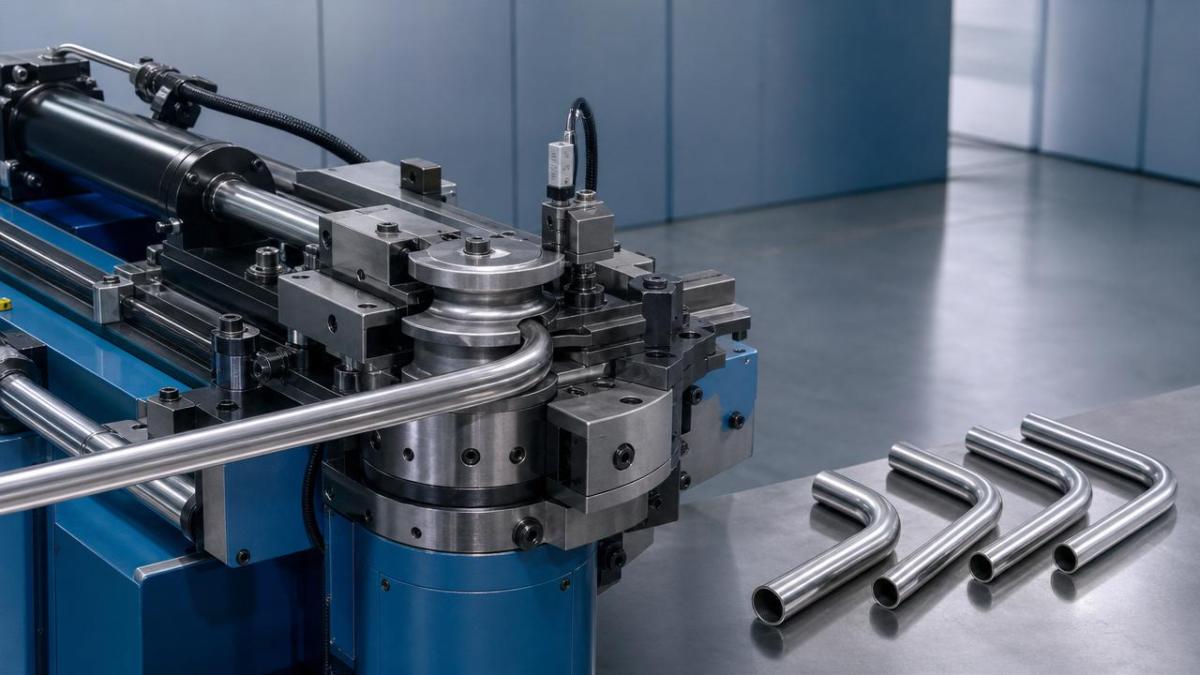
In manufacturing and metal fabrication, bend accuracy is not just a quality metric. It affects downstream welding, fit-up, assembly speed, scrap rate, and final dimensional compliance. For after-sales maintenance personnel, the challenge is that a Hydraulic Pipe bender often continues operating while its real bending precision is already degrading.
The earliest phase of inaccuracy usually appears as a repeatability problem rather than a total failure. A machine may still complete bends, but one batch reaches 89 degrees, the next 91 degrees, and the operator begins making manual compensation. This is the point where maintenance should step in, because repeated operator correction often hides a developing mechanical or hydraulic issue.
Typical warning signs include:
- Bend angles drifting outside the normal tolerance range on the same material and tooling setup.
- Springback values changing from one workpiece to another without any material change.
- Clamping marks becoming inconsistent, suggesting unstable pressure or uneven holding force.
- Mandrel, die, or pressure die contact surfaces showing uneven wear patterns.
- Operators reporting that compensation values need frequent adjustment to keep parts acceptable.
Once these signs appear, the machine has already entered a risk stage. It may still meet output targets for a short time, but process capability starts shrinking. In high-mix or export-oriented production, that is often where warranty complaints and dimensional mismatch begin.
Which Components Most Often Cause Bend Deviation First?
A Hydraulic Pipe bender loses accuracy because several subsystems age at different speeds. Maintenance teams should not focus only on hydraulic pressure. In most practical service cases, bend deviation is the result of interaction between hydraulics, tooling wear, mechanical looseness, and control calibration.
Hydraulic system instability
Pressure fluctuation is one of the first hidden causes. Internal leakage in cylinders, worn seals, contaminated oil, sticky valves, or unstable pump output can reduce the consistency of clamp force and bend force. Even when peak pressure looks acceptable, pressure response time may no longer be stable enough for repeatable results.
Tooling wear and alignment shift
Bend die, clamp die, pressure die, and mandrel all influence geometric accuracy. A small wear groove or surface deformation can change how the tube feeds and rotates during bending. In many workshops, tooling remains in use longer than it should because it still “works,” but dimensional consistency has already dropped.
Mechanical play in moving assemblies
Clearance in pins, bearings, slides, guide rails, or rotary components can create micro-movements that are difficult to notice during idle checks. Under load, however, these small clearances become angle variation, ovality, wrinkling, or position drift.
Sensor and control calibration drift
If encoders, angle sensors, limit switches, or servo position references drift over time, the machine may stop at the wrong point even when the mechanical structure is sound. This is especially important in CNC-assisted bending where apparent movement accuracy depends on feedback quality.
The table below helps maintenance personnel connect the first symptom with the most probable inspection focus on a Hydraulic Pipe bender.
For after-sales teams, the main value of this approach is speed. Instead of checking every subsystem equally, you can narrow the root cause using the symptom pattern and reduce downtime during customer support visits.
When Should Maintenance Intervene Instead of Letting Operators Compensate?
Operator compensation is useful for material variation, but it should not become a substitute for maintenance. If the compensation value changes too often, the Hydraulic Pipe bender is no longer running in a controlled state. That matters even more in fabrication lines where bent parts later move to welding, machining, or structural assembly.
A practical rule is to intervene when any of the following conditions appear for more than a short production run:
- Angle correction must be updated repeatedly for the same tube specification.
- The machine passes first-piece inspection but fails repeatability checks later in the shift.
- One operator can maintain acceptable quality, but another cannot, indicating the process depends too much on personal adjustment.
- Bending quality changes after oil temperature rises, which often points to hydraulic wear or valve response problems.
- The same bend program performs differently after a tooling changeover even though setup records were followed.
If these conditions are ignored, the cost is rarely limited to bending. Mis-bent parts disrupt weld fixtures, increase rework at fitting stations, and can delay final shipment. That is why maintenance teams in machining and fabrication plants increasingly use trend-based inspection rather than waiting for a full breakdown.
How Can You Build a Practical Inspection Schedule for a Hydraulic Pipe bender?
A good schedule combines daily observation, weekly verification, and periodic accuracy checks. It should also match the actual workload: wall thickness, material hardness, bend complexity, and daily production volume all affect wear speed.
Daily checks
- Inspect oil level, contamination signs, visible leakage, and unusual noise.
- Check clamp surfaces and dies for metal dust, galling, or scoring.
- Run a sample part and compare bend angle with the setup standard.
Weekly checks
- Verify hydraulic pressure stability during actual bending, not only at idle.
- Inspect fasteners, slide play, and guide wear on moving assemblies.
- Review offset and compensation history recorded by operators.
Monthly or batch-based checks
- Measure repeatability using the same material lot and approved tooling.
- Recalibrate angle measurement or position feedback if the machine is CNC-controlled.
- Inspect wear parts and compare dimensions against service limits.
For maintenance planning, this service-oriented table can be used to define when the Hydraulic Pipe bender needs inspection, adjustment, or parts replacement.
This schedule is especially useful for after-sales teams supporting multiple machine types, because it creates a standard service logic rather than relying on operator intuition alone.
Why Do Material, Tooling, and Process Conditions Sometimes Look Like Machine Failure?
Not every bend problem means the machine is worn out. Many service disputes come from mixed causes. A Hydraulic Pipe bender may appear inaccurate when the actual issue is inconsistent tube material, wrong die selection, poor lubrication, or unrecorded setup changes.
After-sales personnel should separate machine-origin deviations from process-origin deviations by checking three things first:
- Whether the material lot, wall thickness, and hardness are consistent with the original process record.
- Whether the die set and mandrel configuration match the current tube specification.
- Whether the problem occurs on one program only or across several standard parts.
This distinction matters because unnecessary parts replacement increases service cost without restoring accuracy. In a busy fabrication plant, structured diagnosis is more valuable than replacing components based on guesswork.
That same logic applies across other equipment categories. In automated joining lines, for example, stable accuracy also depends on fixture condition, program integrity, and motion coordination. For customers running integrated metalworking operations, equipment such as the 7 axis railway type welding robot is often evaluated with the same maintenance mindset: repeatability, alarm visibility, safe emergency stop access, and suitability for large workpieces. In railway welding applications, its 7 CNC axes and ground rail support length of 12 meters reflect how process stability and serviceability must be designed together, not treated separately.
What Should After-Sales Teams Check Before Recommending Major Repair or Replacement?
Before recommending cylinder overhaul, valve replacement, tooling renewal, or machine replacement, maintenance teams should complete a decision review. This avoids over-servicing machines that only need calibration or under-servicing machines that are already affecting production cost.
A practical decision checklist
- Compare current bend repeatability against the customer’s accepted tolerance, not only against visual judgment.
- Review maintenance history to identify recurring faults, repeated seal changes, or frequent pressure corrections.
- Estimate the production impact: scrap, rework time, operator intervention, and downstream assembly delays.
- Check spare parts availability and lead time for critical hydraulic, control, and tooling items.
- Confirm whether the machine still matches current product mix, especially if tighter tolerances are now required.
In many cases, the right answer is not immediate replacement. It may be a phased plan: restore calibration now, replace wear tooling next, and schedule hydraulic refurbishment during planned downtime. This approach controls budget while protecting output.
How Do Standards, Documentation, and Supplier Support Reduce Accuracy Problems?
In the manufacturing and processing machinery sector, bend accuracy depends not only on machine condition but also on documentation discipline. Service manuals, setup records, spare parts traceability, and operator-maintenance coordination all reduce troubleshooting time.
For international buyers and service departments, equipment sourced from suppliers that organize production according to ISO9001 quality system practices and relevant CE-oriented design requirements often offers an advantage in documentation consistency, process control, and after-sales communication. This is especially useful when machines are exported across Southeast Asia, Europe, the Americas, and Oceania, where service clarity matters as much as initial machine delivery.
Wuxi Armada International Trade Co., Ltd focuses on mechanical equipment and related products across welding, cutting, machine tools, plate processing, deburring, and bending applications. For after-sales maintenance teams, that broader equipment understanding is valuable because real factories rarely operate a Hydraulic Pipe bender in isolation. Bend quality often affects welding fixtures, machining sequences, and final assembly accuracy.
FAQ for Maintenance Teams Handling Hydraulic Pipe bender Accuracy Issues
How often should bend accuracy be verified on a production machine?
For stable, repetitive production, a daily sample check plus a monthly repeatability check is a practical baseline. If the machine bends different materials or frequent small batches, verification should happen at each setup change and again after the first production run reaches thermal stability.
Is angle deviation always caused by hydraulic pressure problems?
No. Pressure instability is common, but angle deviation can also result from worn dies, sensor drift, tube slip, mandrel mispositioning, mechanical looseness, or inconsistent material properties. Effective troubleshooting requires comparing the symptom pattern against the whole bending system.
When should tooling be replaced instead of adjusted?
If the tooling surface shows clear wear grooves, uneven contact marks, repeated slip, or it no longer maintains repeatability after cleaning and setup correction, replacement becomes more economical than repeated adjustment. Persistent compensation is usually a sign that the die geometry is no longer stable enough.
Can after-sales teams reduce customer complaints without major machine retrofit?
Yes. In many cases, complaint frequency drops significantly when teams introduce standard inspection records, sample-based repeatability checks, calibration routines, tooling life control, and operator reporting rules. The goal is not only repair, but also earlier detection.
Why Choose Us for Equipment Support, Selection, and Process-Oriented Advice?
For after-sales maintenance personnel, the real need is not a generic sales answer. You need support that connects machine condition, process performance, parts planning, and delivery expectations. Wuxi Armada International Trade Co., Ltd supplies a wide range of manufacturing and processing machinery, including pipe benders, welding equipment, CNC cutting machines, machine tools, plate processing equipment, and robotic solutions. That range helps us discuss your issue in the context of the full production line, not just one isolated machine.
If you are evaluating a Hydraulic Pipe bender problem, planning spare parts, or comparing repair versus replacement, you can consult us on specific points such as:
- Parameter confirmation for tube size, bend radius, wall thickness, and process repeatability needs.
- Product selection based on workload, tolerance expectation, and factory application scenario.
- Delivery lead time and spare parts planning for maintenance-critical components.
- Customized solutions when your line includes bending, welding, cutting, and material handling together.
- Certification and compliance communication for projects that require ISO9001-based production management or CE-related considerations.
- Quotation discussion for new equipment, replacement options, or combined machinery procurement.
If your team is seeing early bend drift, unstable springback, or growing operator compensation on a Hydraulic Pipe bender, now is the right time to review the machine condition before defects spread into welding and assembly. Contact us with your part drawings, current machine status, tolerance targets, and service questions, and we can help you assess suitable equipment, maintenance priorities, and practical next steps.
