




Welding Positioner Cost Factors: What Changes Total Investment in 2026
— —
Welding Positioner Cost Factors: What Changes Total Investment in 2026
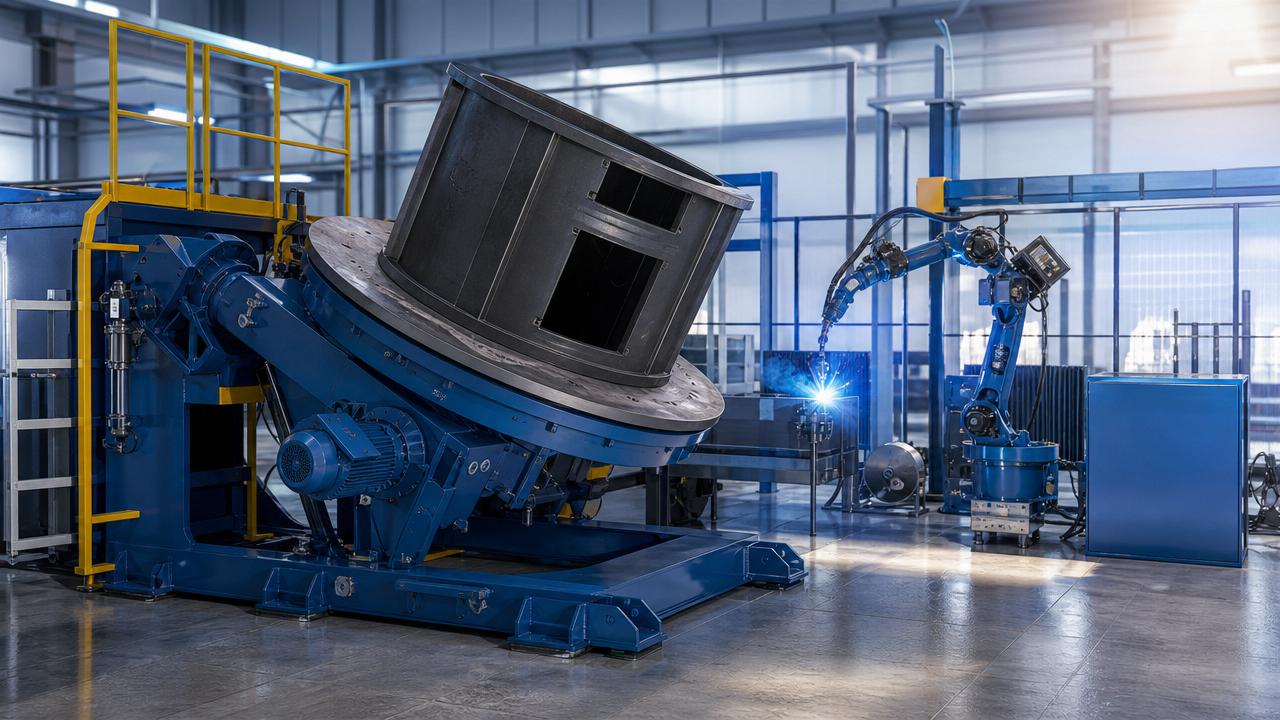
For finance decision-makers planning equipment budgets in 2026, understanding what drives Welding positioner costs is essential to controlling total investment. Beyond the initial purchase price, factors such as load capacity, automation level, safety features, customization, compliance standards, and long-term maintenance can significantly affect the final budget. A clear cost breakdown helps buyers compare options more accurately and make smarter, lower-risk purchasing decisions.
What Finance Teams Need to Know First About Welding positioner Cost
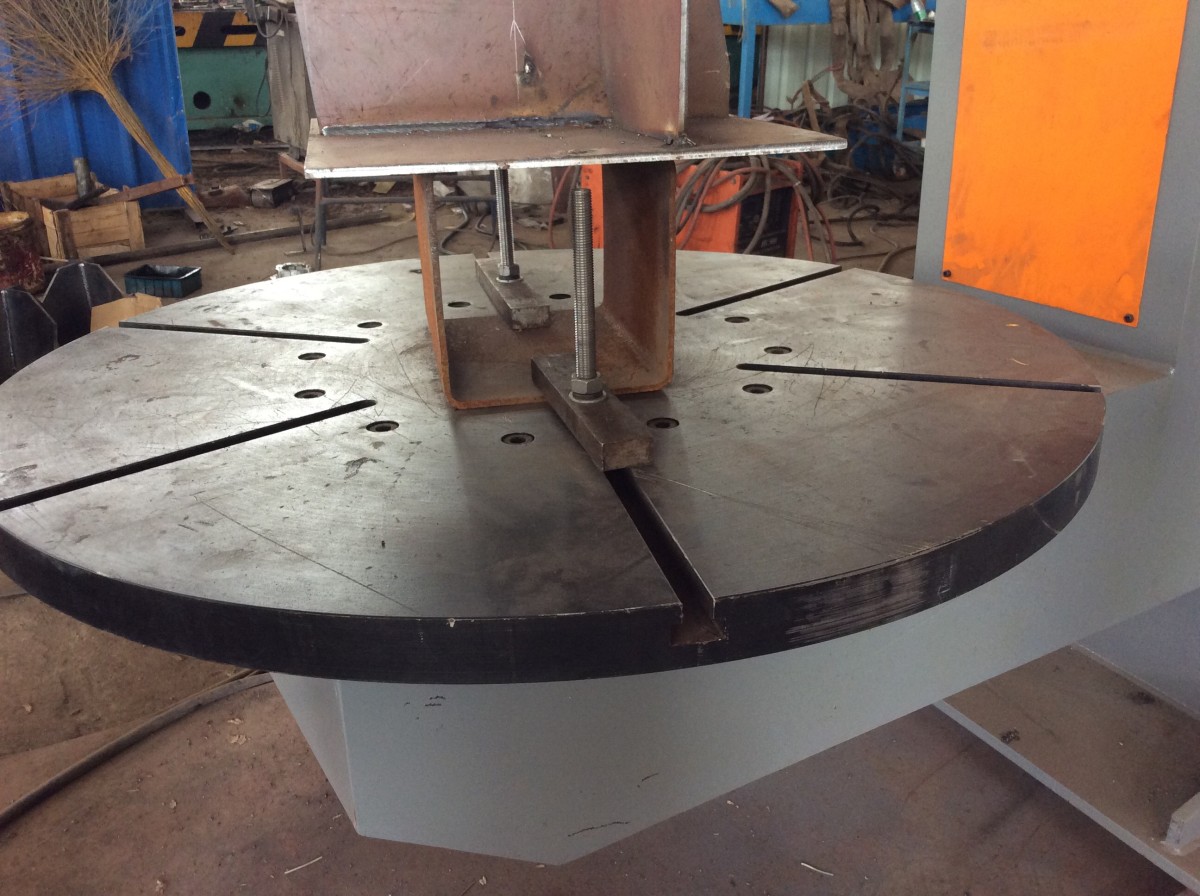
The core search intent behind Welding positioner pricing is not just “What is the price?” but “What will change my full equipment investment in 2026?”
For finance approvers, the key issue is budget accuracy. A low quoted price can still lead to high lifecycle cost if specifications, installation, or downtime risks are ignored.
In practice, total investment usually changes because of five variables: load requirements, control sophistication, safety and compliance, customization, and after-sales support capacity.
If your evaluation only compares base machine prices, you may approve equipment that creates hidden spending through retrofits, production delays, or maintenance dependence later.
Which Cost Factors Have the Biggest Impact on Total Investment?
The first major factor is load capacity. A Welding positioner designed for heavier or longer workpieces requires stronger structure, drive systems, and stability protection.
That means price increases are not arbitrary. They are usually tied to steel consumption, motor power, gearbox grade, and the need for more precise rotation control.
The second factor is table size and work envelope. Larger parts need larger positioning ranges, better support geometry, and stronger anti-deformation design, all of which raise cost.
The third factor is automation level. Manual or semi-automatic models cost less upfront, but PLC-based control, synchronized motion, and programmable interfaces increase the investment.
However, for operations with repetitive welding tasks, higher automation can reduce labor dependence, setup time, and scrap, which improves the financial case over time.
The fourth factor is rotational accuracy and speed control. Industries with strict weld consistency requirements often need more stable positioning performance, which raises component quality expectations.
The fifth factor is duty cycle. Machines intended for continuous industrial use must tolerate longer operating hours, which usually means higher-grade bearings, motors, and electrical systems.
Why Safety, Compliance, and Risk Control Matter to Financial Approval
Finance teams often focus on purchase price, but safety-related features strongly influence both direct cost and risk-adjusted value in equipment procurement decisions.
Emergency stop systems, grounding protection, clear alarm indicators, and electrical reliability all add cost, yet they can lower accident exposure and unplanned shutdown risk.
For export-oriented or internationally audited manufacturers, ISO-aligned production and CE-related expectations may also affect the supplier selection and total compliance budget.
When a supplier already works under ISO9001 quality systems and EU CE-oriented standards, buyers may reduce secondary verification effort and procurement uncertainty.
This matters especially when the Welding positioner will be integrated into larger automated welding cells where one weak subsystem can affect the entire line’s operating safety.
How Customization Changes Budget More Than Buyers Expect
Standard models are easier to price, but many industrial applications need customized dimensions, fixtures, controls, or integration with robots and upstream handling systems.
Customization can include non-standard table diameter, higher lifting stroke, special tilting angles, fixture matching, software communication, or adaptation to oversized workpieces.
Each customization item may look manageable alone, yet together they affect engineering hours, manufacturing complexity, testing, transport, and commissioning cost.
This is why finance teams should request a structured quotation that separates standard equipment price from optional functional upgrades and project-specific integration charges.
That format makes internal comparison easier and helps prevent later disputes over what was included in the original investment approval.
What Hidden Costs Should Be Included Beyond the Purchase Price?
The base quotation is only one part of the real number. Freight, packing, import duties, installation, operator training, and spare parts should all be budgeted early.
Power requirements and foundation preparation may also affect cost, especially if the Welding positioner is part of a new or upgraded fabrication line.
Another common hidden cost is production interruption during installation. If changeover planning is weak, the true cost may include lost throughput, not just equipment expense.
Maintenance support is another major variable. Lower-cost machines sometimes rely on hard-to-source components or weak technical service, increasing downtime and replacement delays.
Finance decision-makers should therefore evaluate not only capex, but also expected maintenance frequency, parts availability, training needs, and service response time.
How to Judge ROI Instead of Chasing the Lowest Quote
The best purchasing decision is rarely the lowest initial price. It is the option that delivers acceptable risk, stable output, and predictable ownership cost.
A useful internal method is to compare suppliers using total cost of ownership over three to five years rather than only first-year purchase expense.
Include labor savings, weld quality consistency, reduced rework, uptime, operator safety, and integration compatibility in your scoring model.
For example, a system with better motion control and automation may cost more initially, but it can lower labor intensity and improve throughput enough to justify approval.
Where large workpieces are involved, buyers may also consider broader automation solutions. One example is the 7 axis cantilever type welding robot.
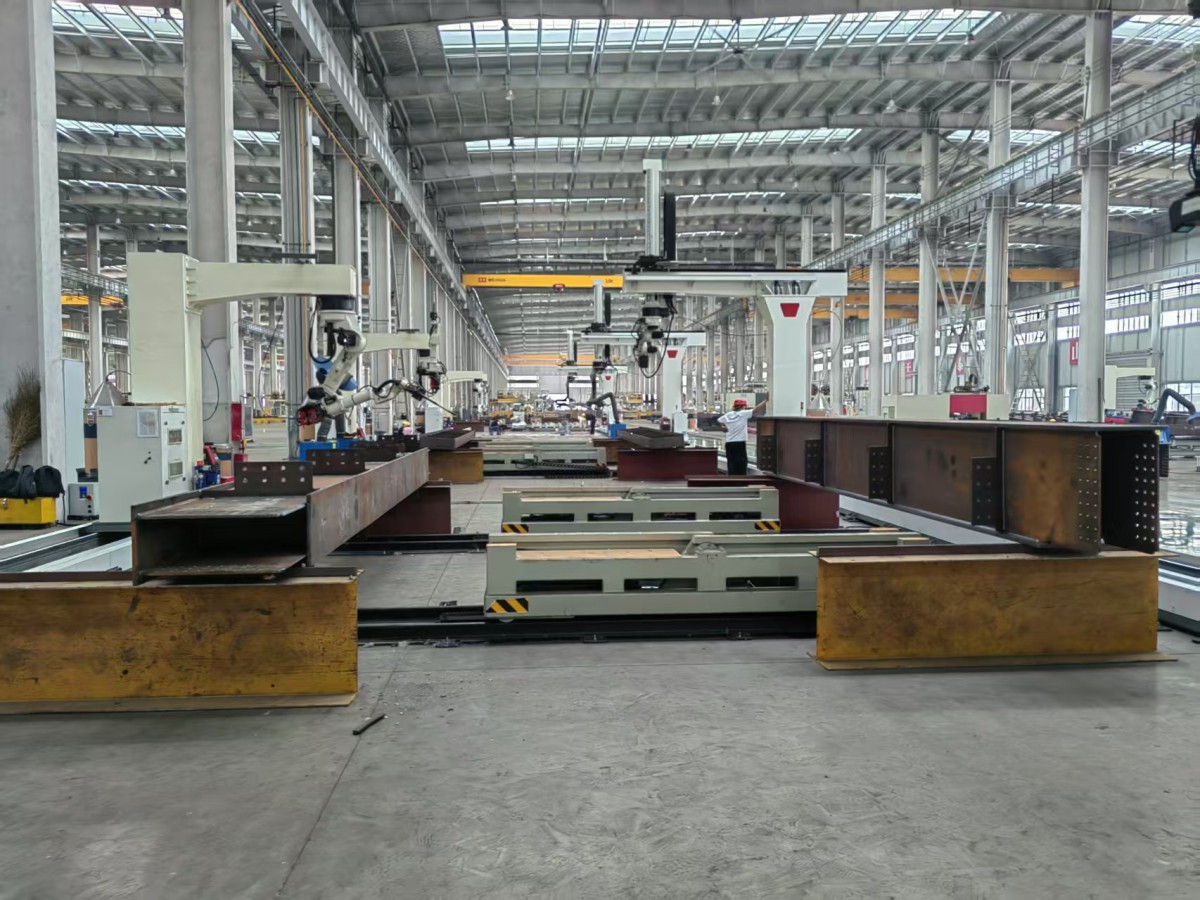
It supports workpieces up to 12,000 mm in length, with 7-axis control, automatic weld extraction, arc tracking correction, and visible alarm indication for system status.
For workpieces longer than 12 meters and below 25 meters, two robots can be used for regional welding, improving efficiency in high-volume structural applications.
Although this is not a direct substitute for every Welding positioner project, it shows how process scope and automation depth can significantly reshape investment logic.
Questions Finance Approvers Should Ask Before Signing Off
Ask whether the quoted model matches actual workpiece weight, dimensions, and production rhythm rather than only current minimum requirements.
Ask which features are standard, which are optional, and which integration tasks will create additional engineering or commissioning charges later.
Ask how the supplier handles spare parts, remote support, training, and fault response, because post-sale reliability directly affects equipment payback.
Ask whether the machine includes the necessary safety grounding, emergency stop layout, and alarm logic expected in your operating environment.
Finally, ask for a lifecycle-oriented business case. A credible supplier should help explain not only price, but also long-term operating value and risk profile.
Conclusion: Build the 2026 Budget Around Total Value, Not Unit Price Alone
In 2026, Welding positioner investment decisions will be shaped by much more than catalog pricing. Capacity, automation, safety, customization, and support all matter.
For finance decision-makers, the smartest approach is to evaluate full project cost, expected productivity impact, and operational risk before approving any purchase.
When cost drivers are clearly separated and compared, it becomes easier to defend the budget internally and choose equipment that supports long-term manufacturing performance.
A well-scoped investment may cost more upfront, but it often delivers lower total ownership cost and fewer surprises over the life of the equipment.
