




— —
Why self aligning welding rotator demand keeps rising
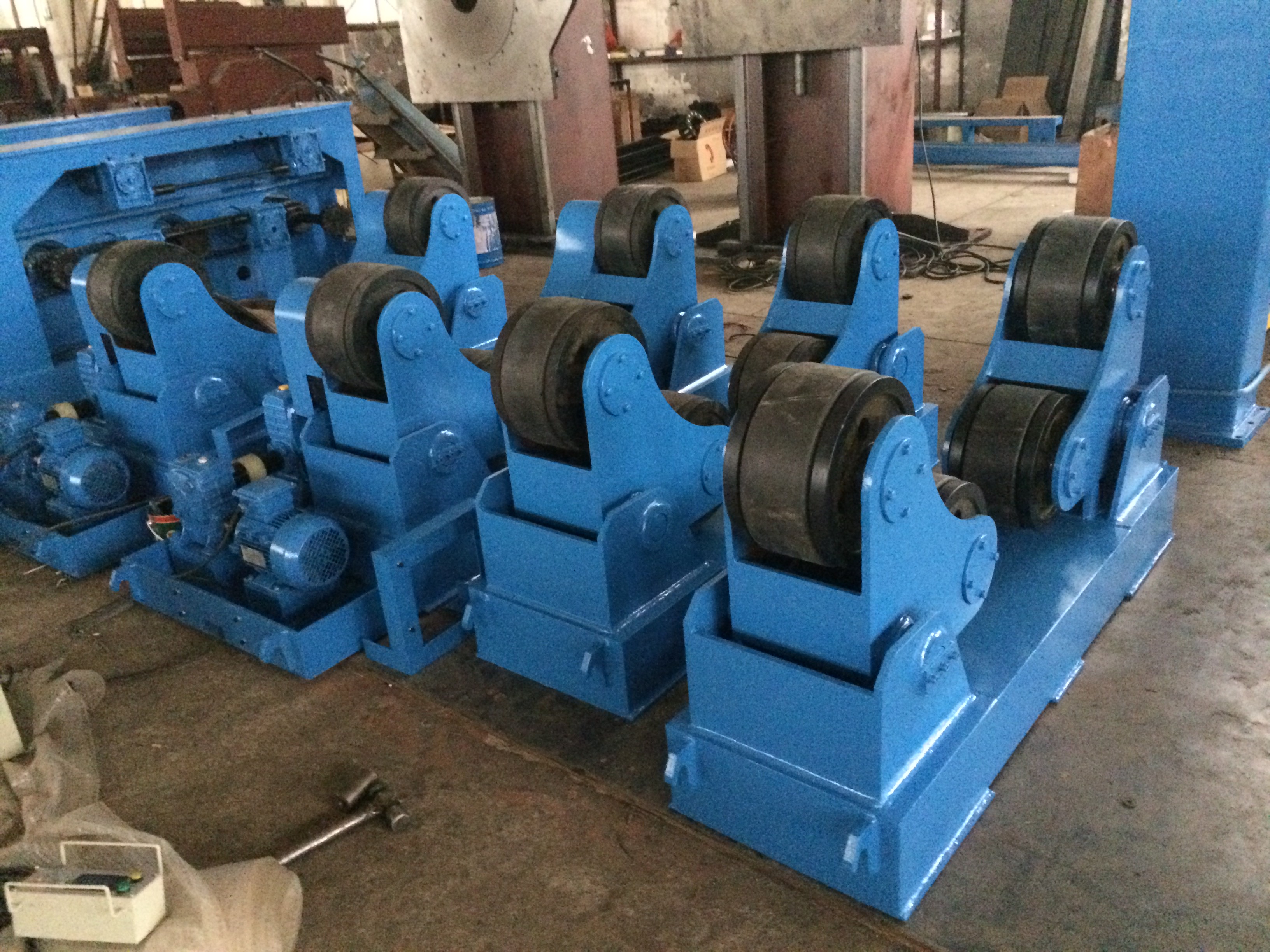
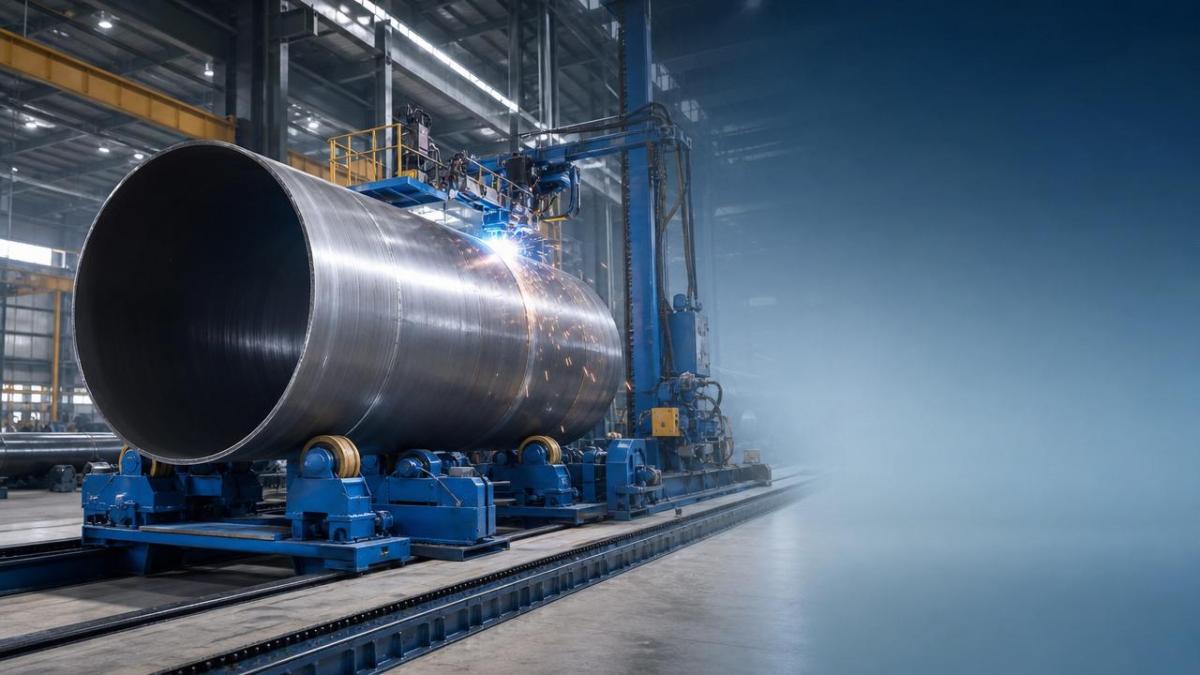
As fabrication projects demand higher efficiency, precision, and safety, Self aligning welding rotator solutions are becoming a preferred choice for industrial manufacturers worldwide. For business decision-makers, the rising demand reflects more than a market trend—it signals a practical need for equipment that reduces setup time, improves weld quality, and adapts to varying workpiece sizes in modern production environments.
In heavy fabrication, pressure vessel manufacturing, pipe welding, and steel structure production, even a 10–15 minute setup delay per workpiece can affect weekly output. That is why buyers are no longer evaluating rotators only by price, but by alignment speed, load range, automation compatibility, and long-term operating stability.
For companies planning capital equipment upgrades, the interest in Self aligning welding rotator systems also connects to broader production goals: fewer manual adjustments, safer handling of cylindrical workpieces, and more predictable weld consistency across 2 shifts or even 24/7 operations.
Why the market is shifting toward self-aligning systems
Traditional welding rotators require operators to manually adjust wheel spacing according to pipe or vessel diameter. In mixed-batch production, where diameters may change from 500mm to 4500mm, repeated setup becomes a direct cost driver. Self aligning welding rotator designs solve this by automatically adapting to the workpiece profile within a defined capacity range.
For decision-makers, the real value is not the mechanism alone. It is the reduction in non-welding time, the lower dependence on operator experience, and the improved repeatability when welding carbon steel, stainless steel, or alloy components with different wall thicknesses.
Key drivers behind rising demand
- Batch diversity is increasing, with many workshops processing 3–8 different diameters in a single week.
- Labor costs are rising, making manual repositioning less attractive in medium and large plants.
- Quality targets are stricter, especially where circumferential weld accuracy and stable rotation speed matter.
- Safety expectations are higher for workpieces weighing 5t, 10t, or more.
Operational impact on welding lines
A well-matched Self aligning welding rotator can shorten changeover steps from 4–6 manual actions to 1–2 monitored actions. In practical workshop conditions, this helps reduce idle arc time losses and supports better coordination with manipulators, column-and-boom systems, and submerged arc welding stations.
The comparison below shows why many manufacturers are replacing fixed or manually adjusted units in projects that involve medium-to-heavy fabrication.
The key conclusion is simple: when product variation increases, automatic alignment creates measurable value. For manufacturers handling frequent specification changes, the payback often comes from saved labor hours, reduced setup errors, and smoother production scheduling rather than from speed alone.
How buyers should evaluate a Self aligning welding rotator
Procurement decisions in fabrication equipment should start with process reality, not catalog claims. A Self aligning welding rotator must fit load demand, workpiece diameter, welding method, floor layout, and future automation plans. Buying a 20t unit for a workshop that regularly processes 30t vessels creates a risk. So does overbuying without considering line utilization.
Four essential evaluation points
- Load capacity and safety margin, ideally matched with expected maximum weight plus a practical reserve.
- Diameter range and wheel material suitability for the actual steel surface condition.
- Control system functions such as variable speed, remote pendant, and synchronization options.
- Service support, spare parts availability, and documentation for installation and maintenance.
Common procurement mistakes
Many buyers focus on the initial quotation but overlook floor loading, center height compatibility, or integration with welding manipulators. Another common issue is selecting by rated tonnage only, without checking whether the workpiece length, shell stiffness, and support points are appropriate for stable rotation.
In steel structure lines, this broader evaluation often extends beyond rotators. For example, long-section handling may also require turnover equipment. In H-beam production, some manufacturers pair welding stations with H beam Chain turnover machine solutions to improve handling of long and heavy workpieces. With load capacity options from 3t to 15t, flipping angle of ±360°, and motor power of 1.1kw×4, such equipment supports safer repositioning and better weld access on long members.
The table below summarizes practical buyer checkpoints that are frequently used during equipment comparison and technical clarification.
A disciplined review process reduces technical mismatch. It also helps procurement, engineering, and production teams agree on the same 4–6 acceptance criteria before the order is released.
Why supplier capability matters as much as machine configuration
A rotator may look straightforward on paper, but project success often depends on how well the supplier understands fabrication workflow. Business buyers usually need more than equipment supply. They need parameter confirmation, layout suggestions, quality consistency, shipping coordination, and responsive technical communication.
Wuxi Armada International Trade Co., Ltd, established in October 2012 in Wuxi, Jiangsu Province, serves customers in machinery and metalworking equipment with a broad portfolio that includes automatic welding equipment, CNC cutting machines, machine tools, welding robots, laser cutting machines, and H-beam production line equipment. Located about 30 minutes from Shanghai by high-speed rail, the company supports international buyers with practical access and manufacturing coordination.
What decision-makers should expect from a qualified supplier
- Clear confirmation of workpiece weight, diameter, length, and welding process before quotation.
- Production organized according to ISO9001 quality system requirements and relevant CE-oriented expectations where applicable.
- Ability to recommend matching equipment for cutting, welding, turning, or beam fabrication lines.
- Export experience across multiple regions, which helps with packing, documentation, and communication rhythm.
A practical implementation path
A typical project can be managed in 5 steps: requirement review, technical proposal, confirmation of drawings or parameters, production and inspection, then shipment and after-sales follow-up. This process is especially important when a Self aligning welding rotator must integrate with existing welding stations or material handling equipment.
For long structural components, the second handling stage may require dedicated turnover support. In that context, a system such as the H beam Chain turnover machine can be considered where head-tail frame synchronous flipping, lifting and stabilization control, and remote operation are important for safe long-distance control in H-beam lines.
The rising demand for Self aligning welding rotator equipment is a direct response to modern fabrication pressure: more product variation, tighter quality targets, and stronger safety requirements. For enterprise buyers, the right investment is the one that balances capacity, flexibility, workflow compatibility, and dependable supplier support.
If your factory is planning a welding line upgrade, vessel handling improvement, or H-beam production optimization, now is the right time to review your equipment strategy. Contact Wuxi Armada International Trade Co., Ltd to get a tailored solution, discuss technical details, and explore more fabrication equipment options for your production goals.
