




Can China welding rotator quality meet export standards
— —
Can China welding rotator quality meet export standards
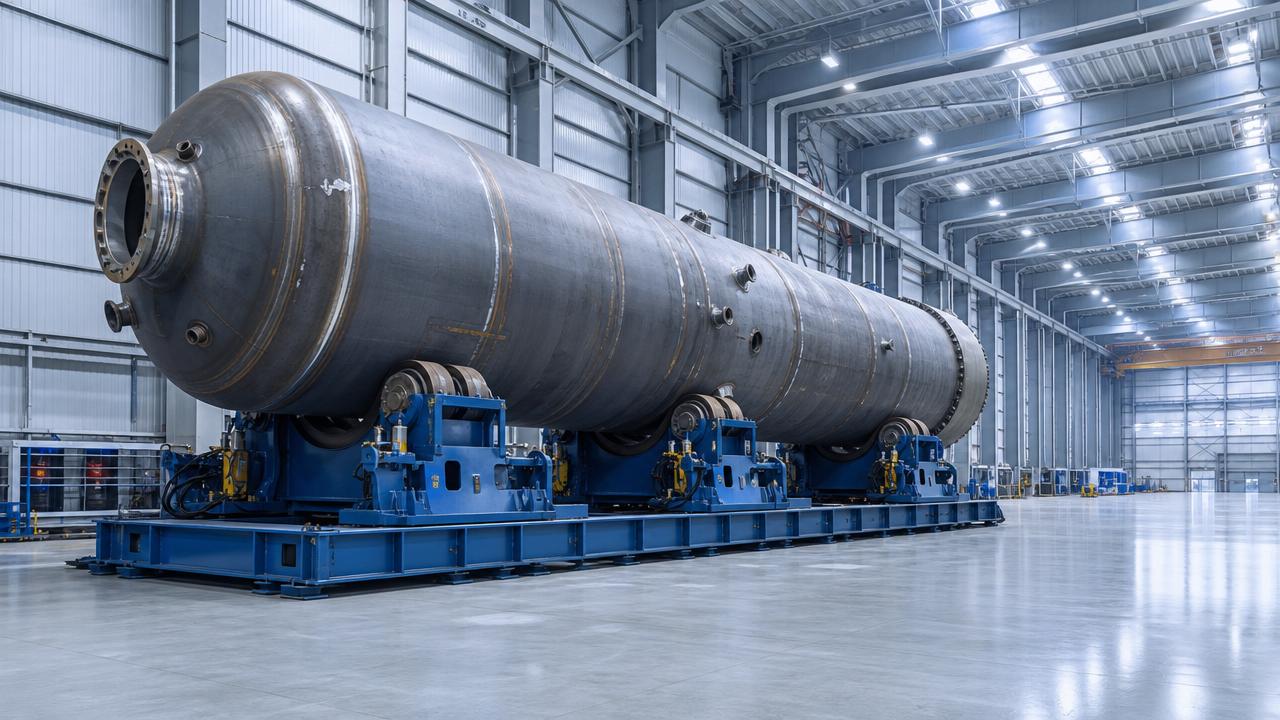
Can China welding rotator quality truly meet export standards? In many cases, yes.
The real answer depends on certification, process control, component quality, and after-sales support.
Today, China welding rotator products are widely exported because many factories follow ISO9001 systems and EU CE requirements.
When production discipline is strong, buyers can expect stable performance, competitive pricing, and reliable delivery.
What does export-standard China welding rotator quality really mean?
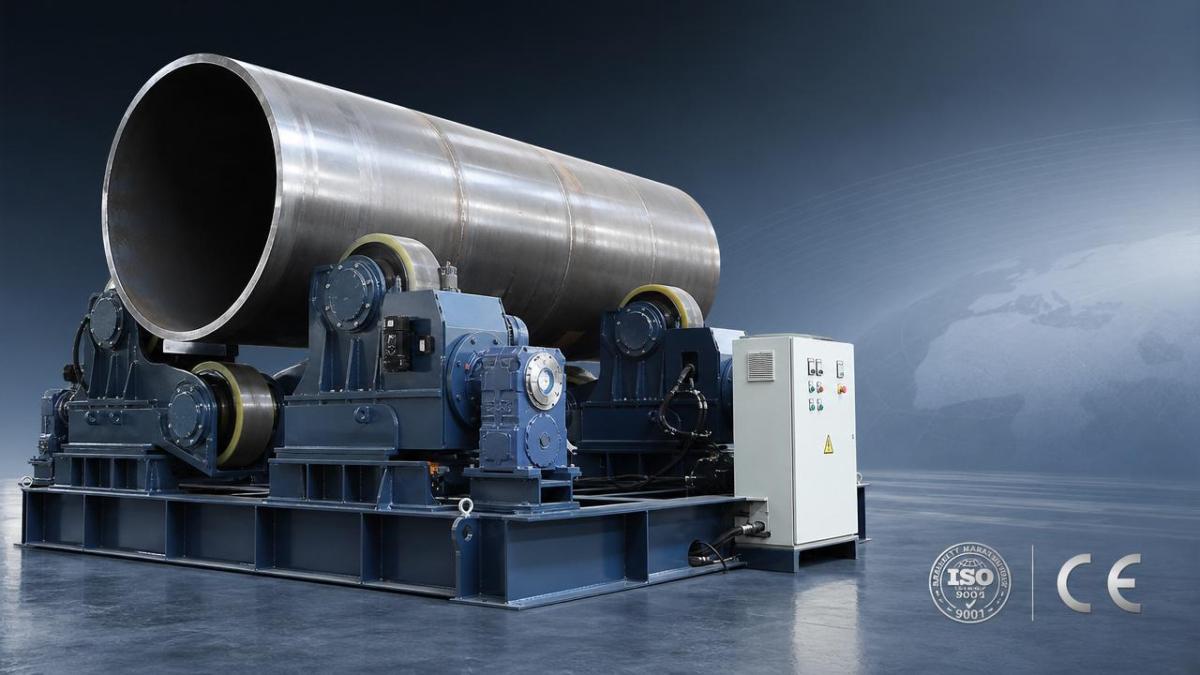
Export standards are not defined by price alone. They combine safety, accuracy, durability, documentation, and compliance.
A qualified China welding rotator should meet mechanical, electrical, and operational expectations for international use.
Key indicators usually include:
- ISO9001-based quality management
- CE-oriented electrical and safety design
- Stable roller synchronization and load capacity
- Reliable motor, gearbox, and control system performance
- Traceable testing before shipment
If these points are verified, China welding rotator quality can match many export project requirements.
Which factors most affect China welding rotator quality?
Quality starts with design, but it is secured by manufacturing discipline.
Frame strength, roller material, drive consistency, and control stability are critical in heavy welding applications.
Surface finish alone cannot prove quality. Internal components matter more over time.
Good suppliers also test speed regulation, rotation smoothness, noise, and long-hour operation before export.
Wuxi Armada International Trade Co., Ltd supplies mechanical equipment under strict production organization.
Its product planning follows ISO9001 quality system certification and EU CE standards.
This approach helps improve consistency across automatic welding equipment, CNC machines, and metal processing lines.
How can buyers judge whether a China welding rotator is suitable?
Start with the working application. Vessel diameter, workpiece weight, welding speed, and duty cycle all matter.
Then ask for technical details, inspection records, and compliance documents.
Use this quick evaluation table:
A dependable China welding rotator supplier should answer these points clearly and quickly.
Are there common risks or misunderstandings in export sourcing?
Yes. The biggest mistake is comparing only quotations.
A lower price may exclude certifications, stronger rollers, brand components, or service documentation.
Another misunderstanding is assuming all China welding rotator models are equal.
In reality, quality varies by factory experience, testing standards, and engineering support.
It is also useful to review the supplier’s broader machinery capability.
For example, sheet metal finishing equipment often reflects process discipline in related machinery manufacturing.
One example is the RNS1000 Sheet metal deburring machine.
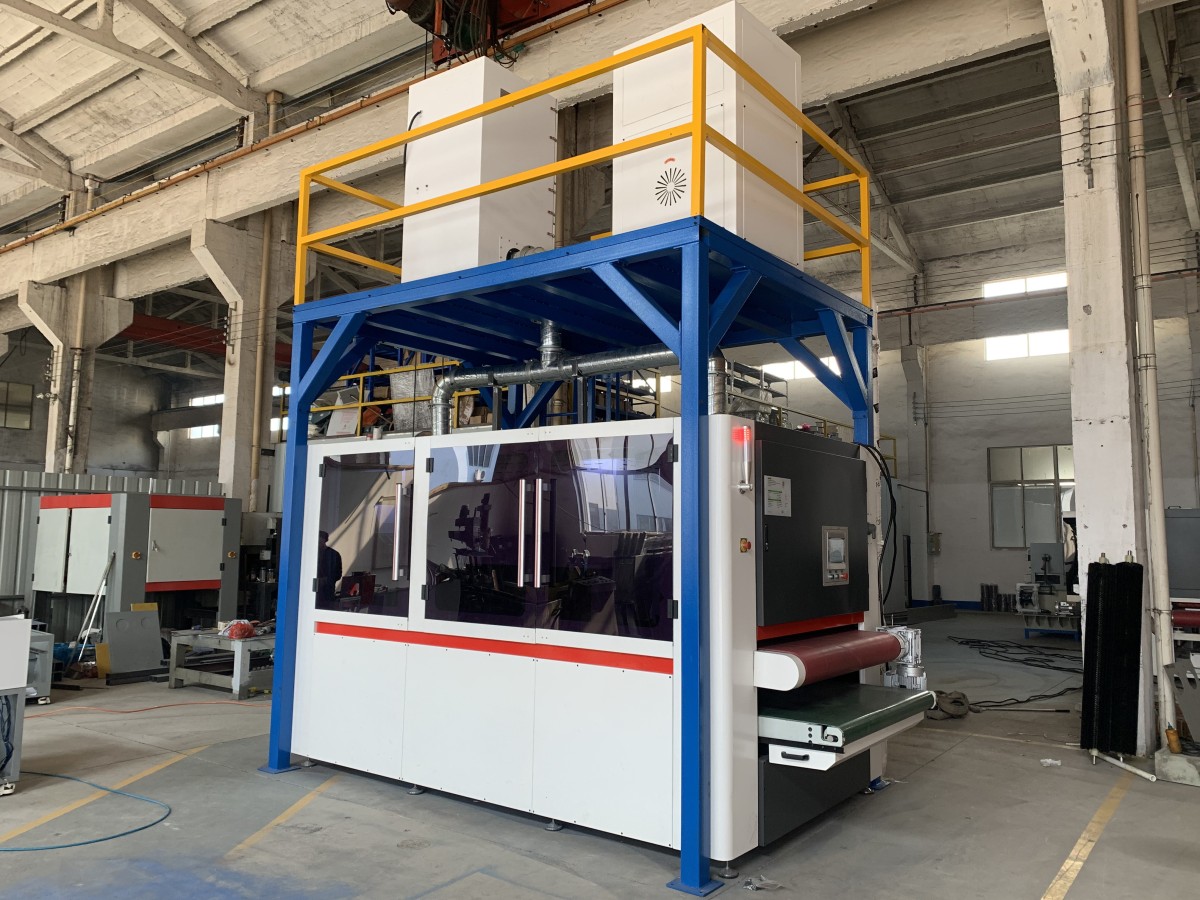
It supports stamping, shearing, laser cutting, plasma cutting, and flame cutting applications.
With PLC control, a 10-inch touch screen, and 1000mm maximum processing width, it shows practical manufacturing depth.
Functions like 360-degree deburring, descaling, polishing, and efficient dust removal indicate attention to industrial usability.
How do cost, delivery, and long-term value compare?
China welding rotator solutions are often chosen for balanced value rather than lowest initial price.
A well-made unit can reduce maintenance interruptions and improve welding productivity over years of service.
Delivery reliability is also important. Established exporters usually manage documentation, packing, and schedule control better.
When evaluating total cost, include commissioning support, spare parts, training, and voltage customization.
That wider view gives a more realistic picture of China welding rotator export value.
What is the practical conclusion for export buyers?
China welding rotator quality can meet export standards when supported by proven systems and real testing.
The safest path is to verify certification, inspect specifications, compare component quality, and confirm service response.
Strong suppliers combine manufacturing experience, compliant design, and stable export execution.
If the goal is dependable performance with competitive global sourcing, China welding rotator equipment remains a practical option.
The next step is simple: request technical data, testing records, and a configuration proposal matched to the actual welding task.
