— —
Drilling and Milling Machine: The Complete 2026 Guide to Types, Functions, and Industrial Applications
What Is A Drilling And Milling Machine
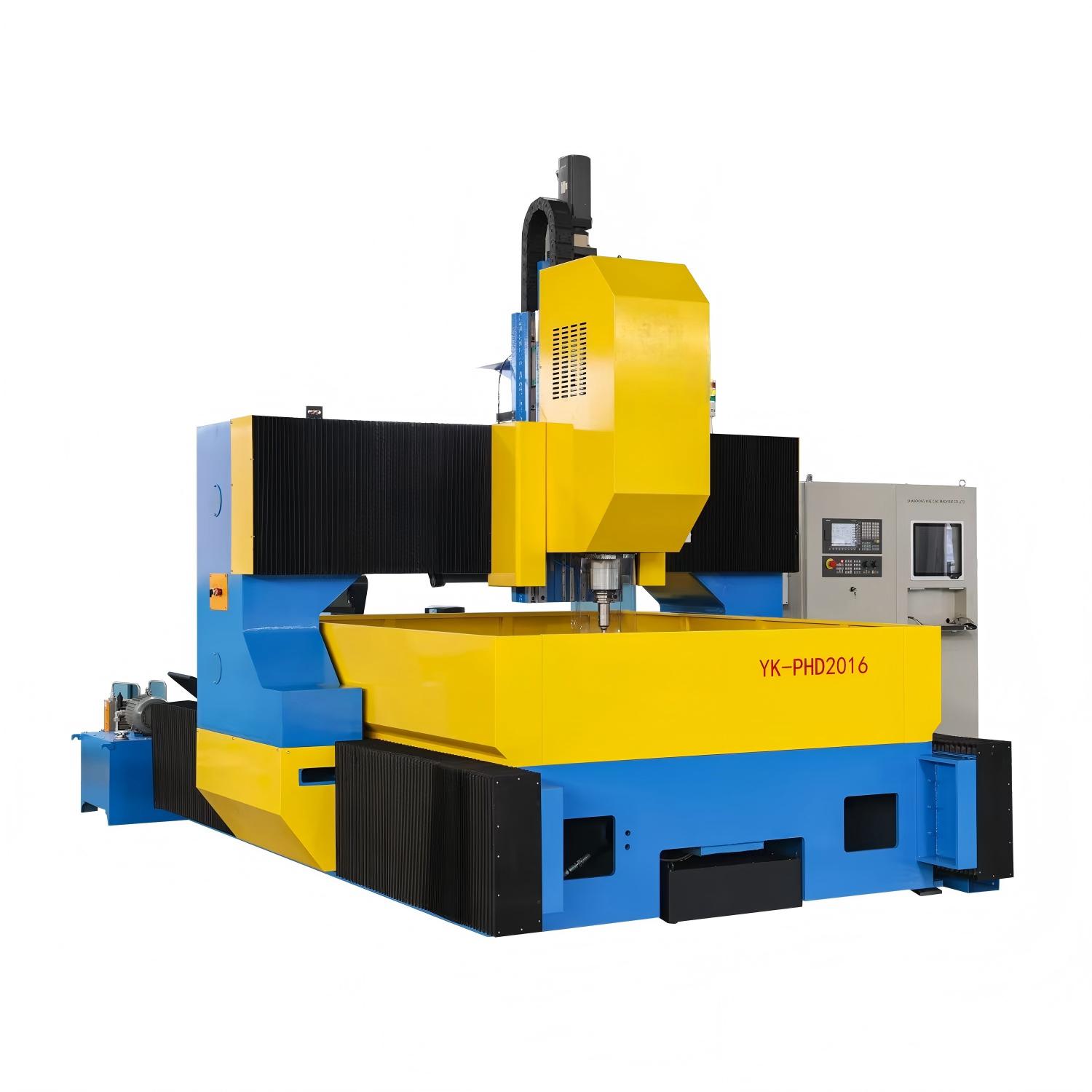
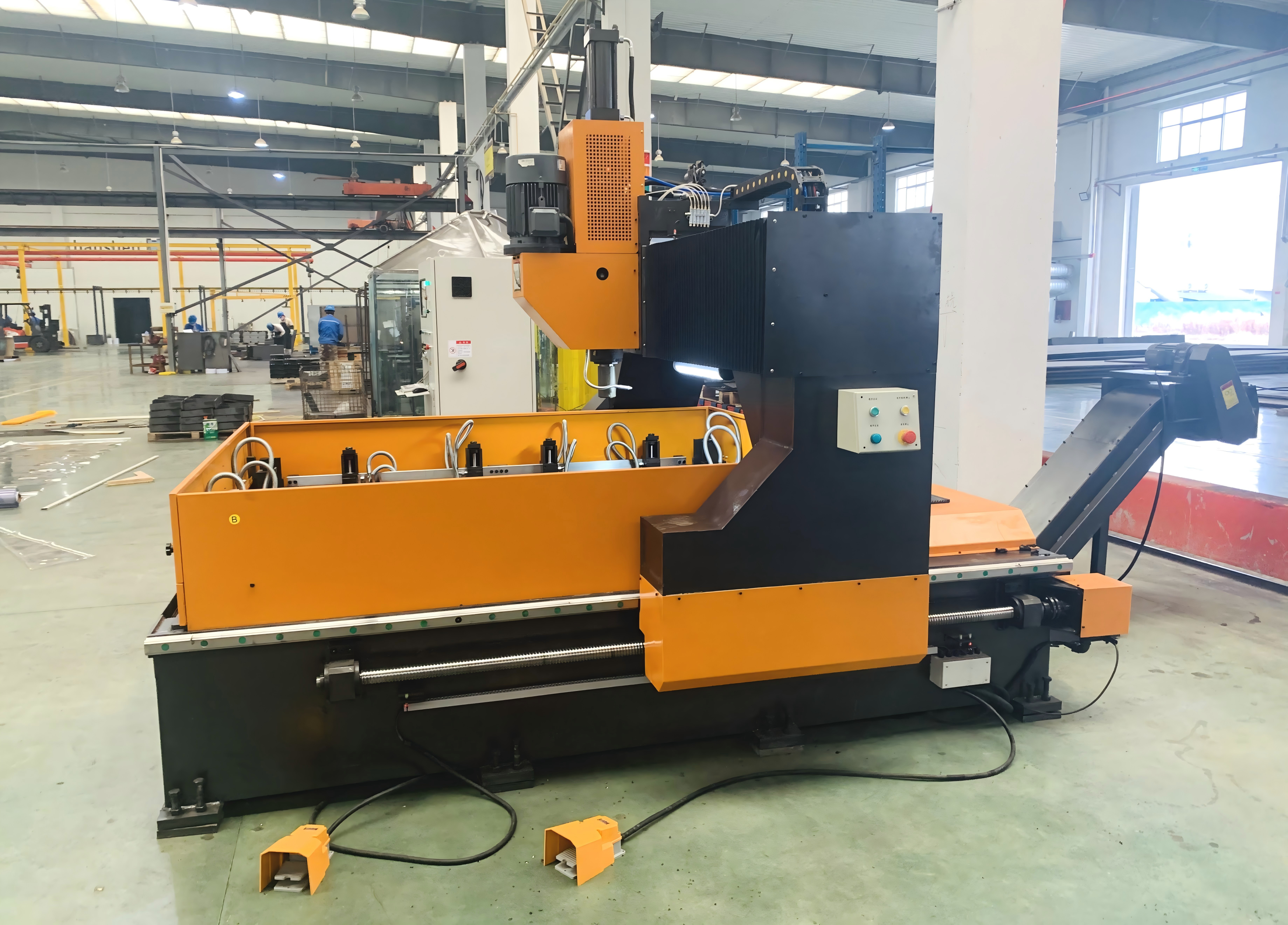
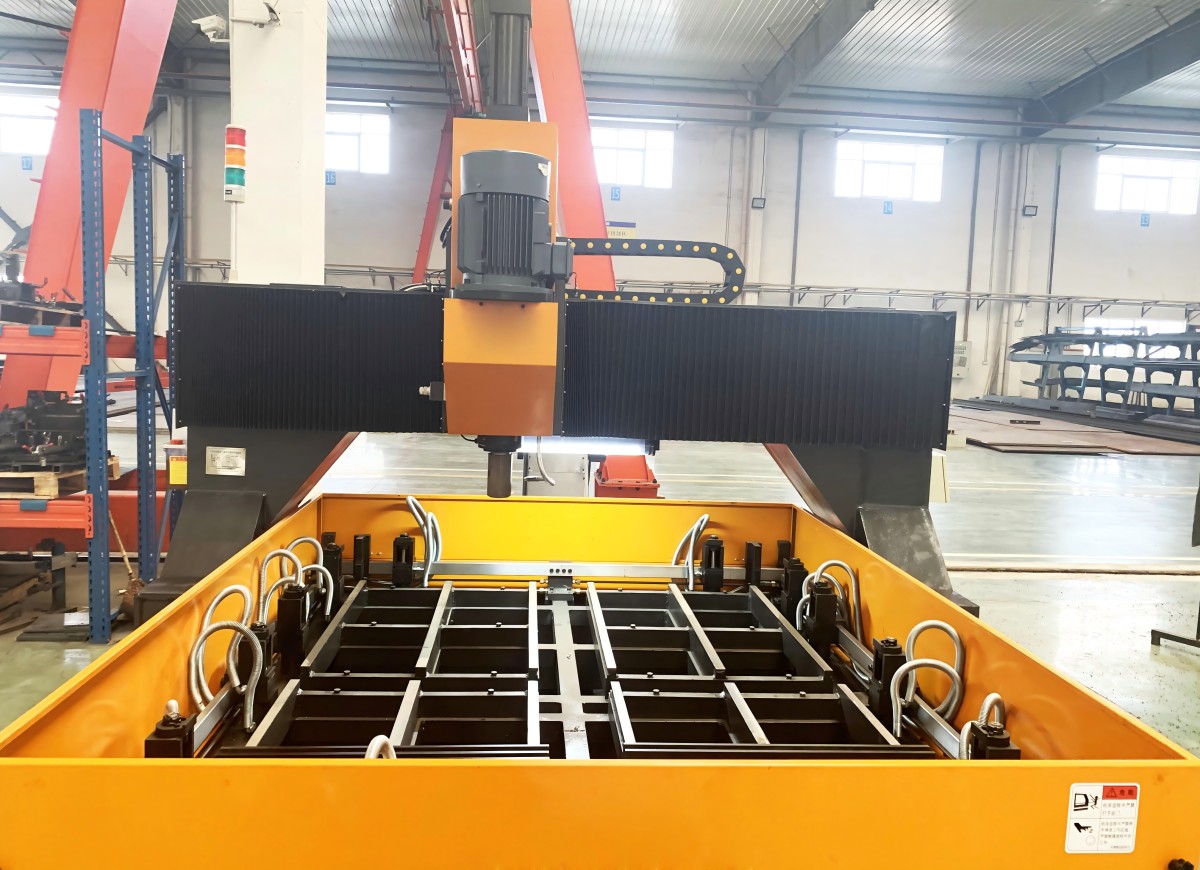
A drilling and milling machine is a metalworking system designed to perform both hole processing and surface or profile machining on a single structure. In practical factory use, it can drill, enlarge, countersink, tap, slot, face, or interpolate features depending on spindle power, feed control, tooling, and machine configuration.
The core value of a drilling and milling machine is process consolidation. Instead of moving a workpiece between separate drilling and milling stations, manufacturers can reduce clamping cycles, improve positional consistency, and shorten lead time. This matters most when handling steel plates, flanges, tube sheets, structural members, and medium to heavy fabricated parts.
From an industrial standards perspective, buyers usually assess spindle accuracy, table or gantry rigidity, axis repeatability, feed stability, lubrication, guarding, electrical safety, and documentation. For export projects, certification such as ISO9001, CE, and SGS-related inspection support adds confidence in quality control and shipment readiness.
In the manufacturing and processing machinery sector, a drilling and milling machine often sits between conventional radial drilling equipment and more automated CNC machining solutions. That makes it relevant for workshops that need broader capability than a single-purpose drill, but do not want unnecessary complexity for every production job.
How The Technology Works
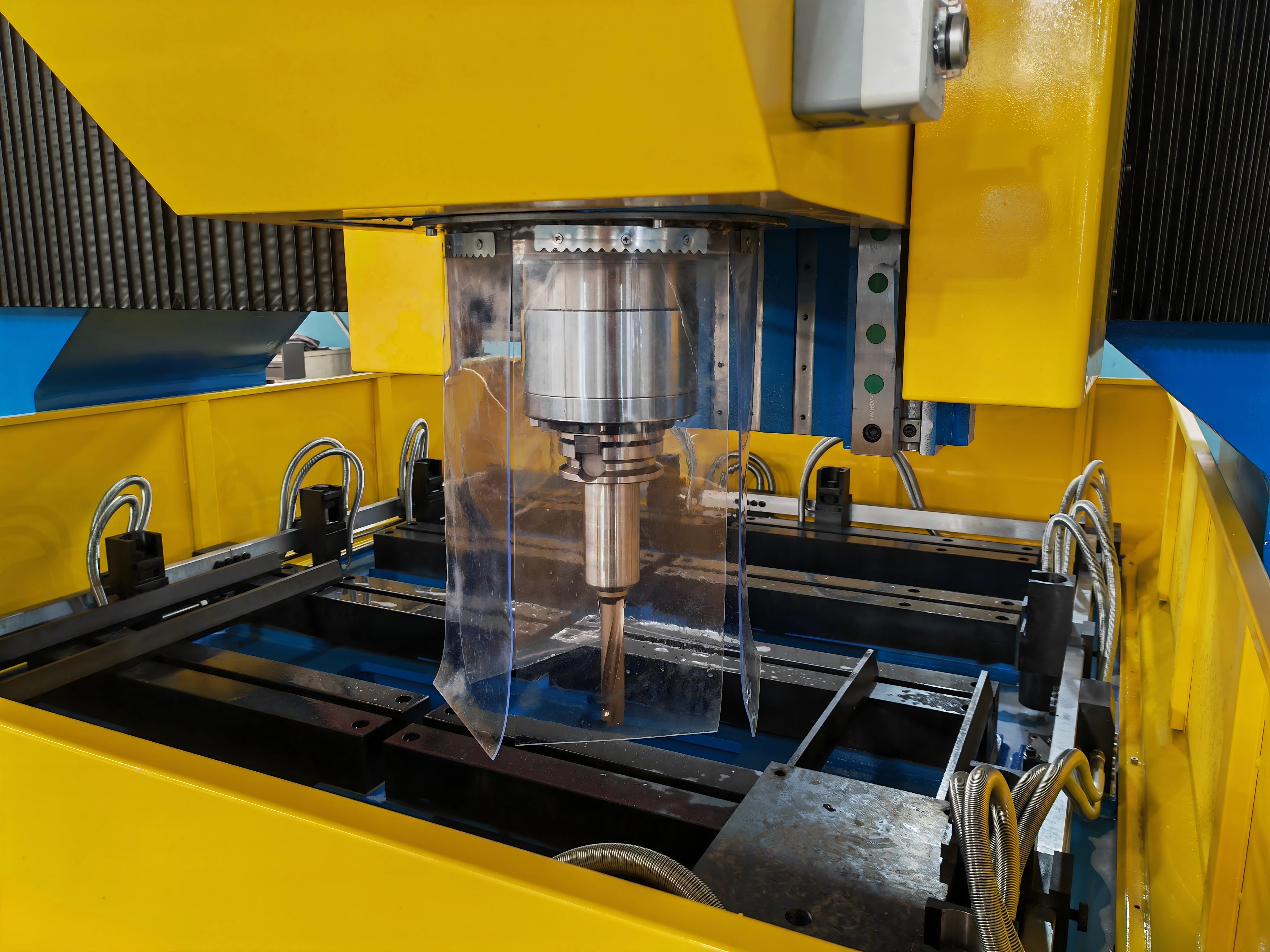
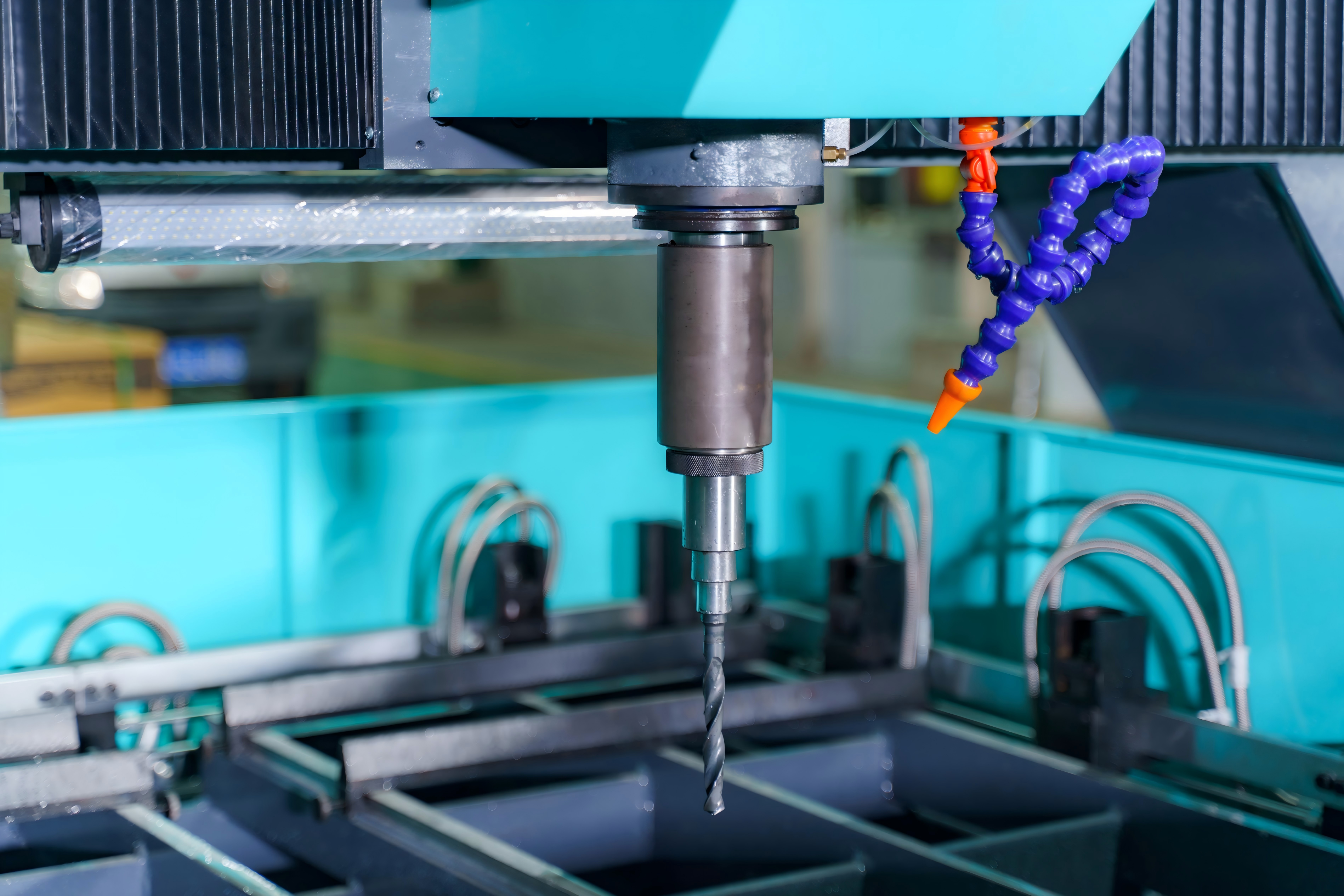
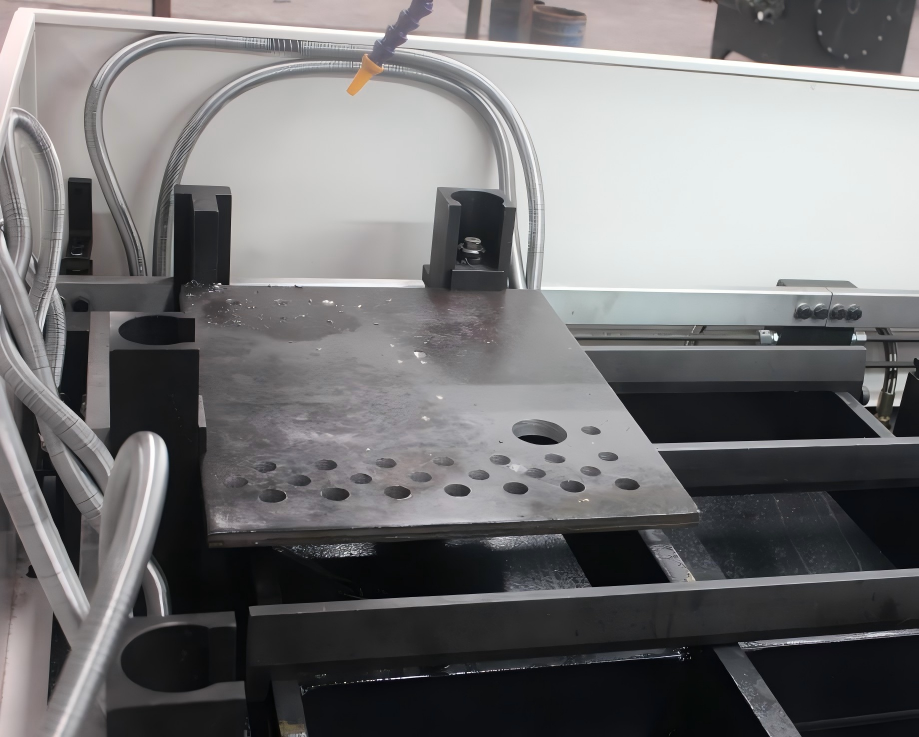
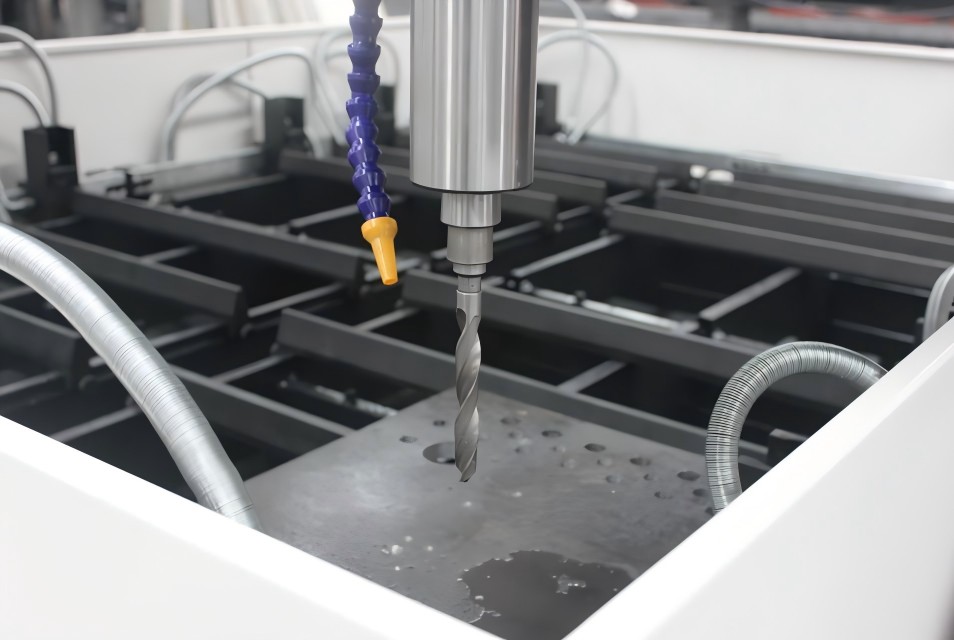
The operating principle combines controlled spindle rotation with linear movement along one or more axes. During drilling, the spindle advances vertically into the material while speed and feed are matched to tool diameter, workpiece hardness, and coolant condition. During milling, the cutter removes material laterally or across a plane to generate flat surfaces, slots, edges, or contour features.
Machine performance depends on the interaction of spindle torque, structural rigidity, guideway stability, and servo coordination. If the frame deflects under load or the feed system lacks smooth control, both hole quality and milled surface finish will suffer. For this reason, industrial buyers look closely at bed construction, gantry stiffness, bearings, and drive quality.
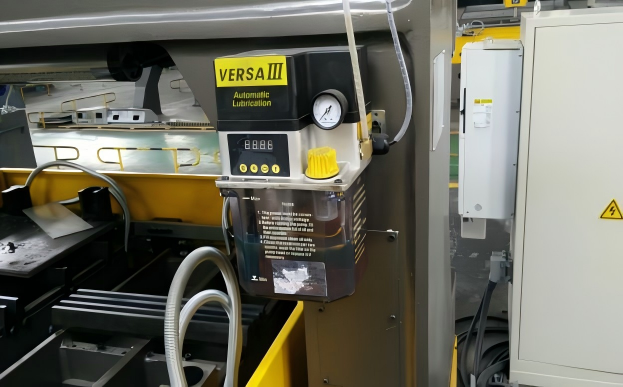
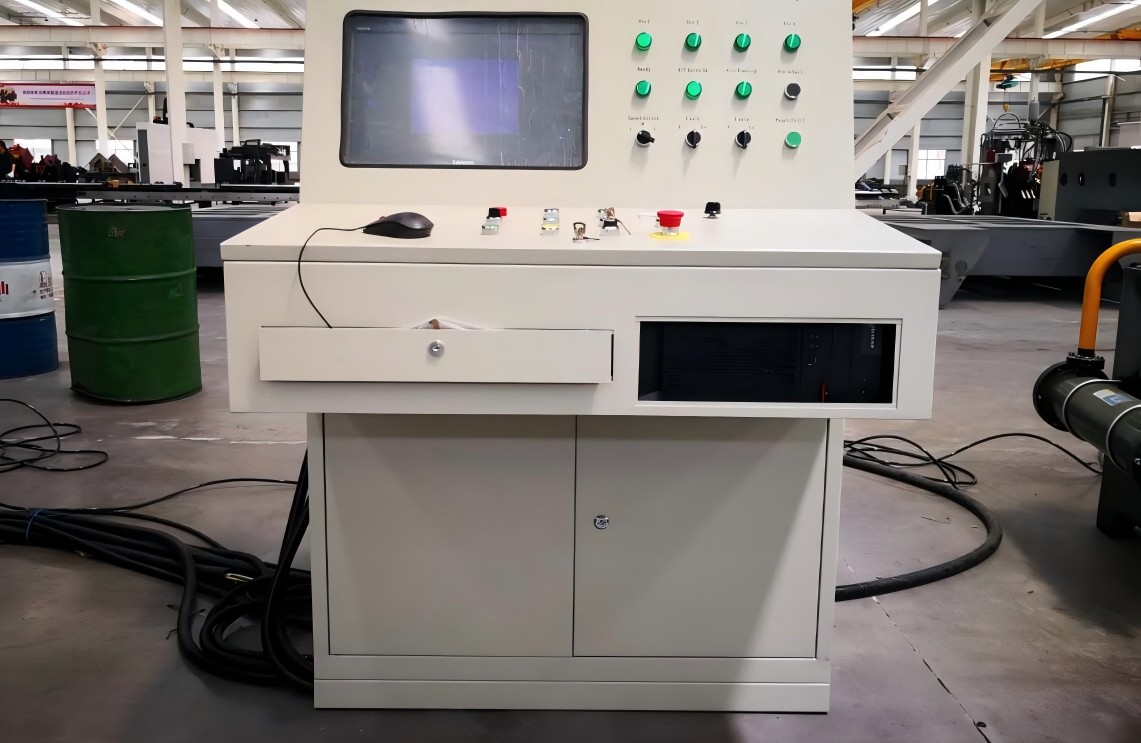
On CNC models, the control system stores part programs, manages coordinate positioning, and automates repeated cycles. Sensors, lubrication systems, coolant delivery, and tool management functions further improve consistency. In plate and flange processing, this automation is especially useful because hole patterns, edge preparation, and facing operations often repeat across production batches.
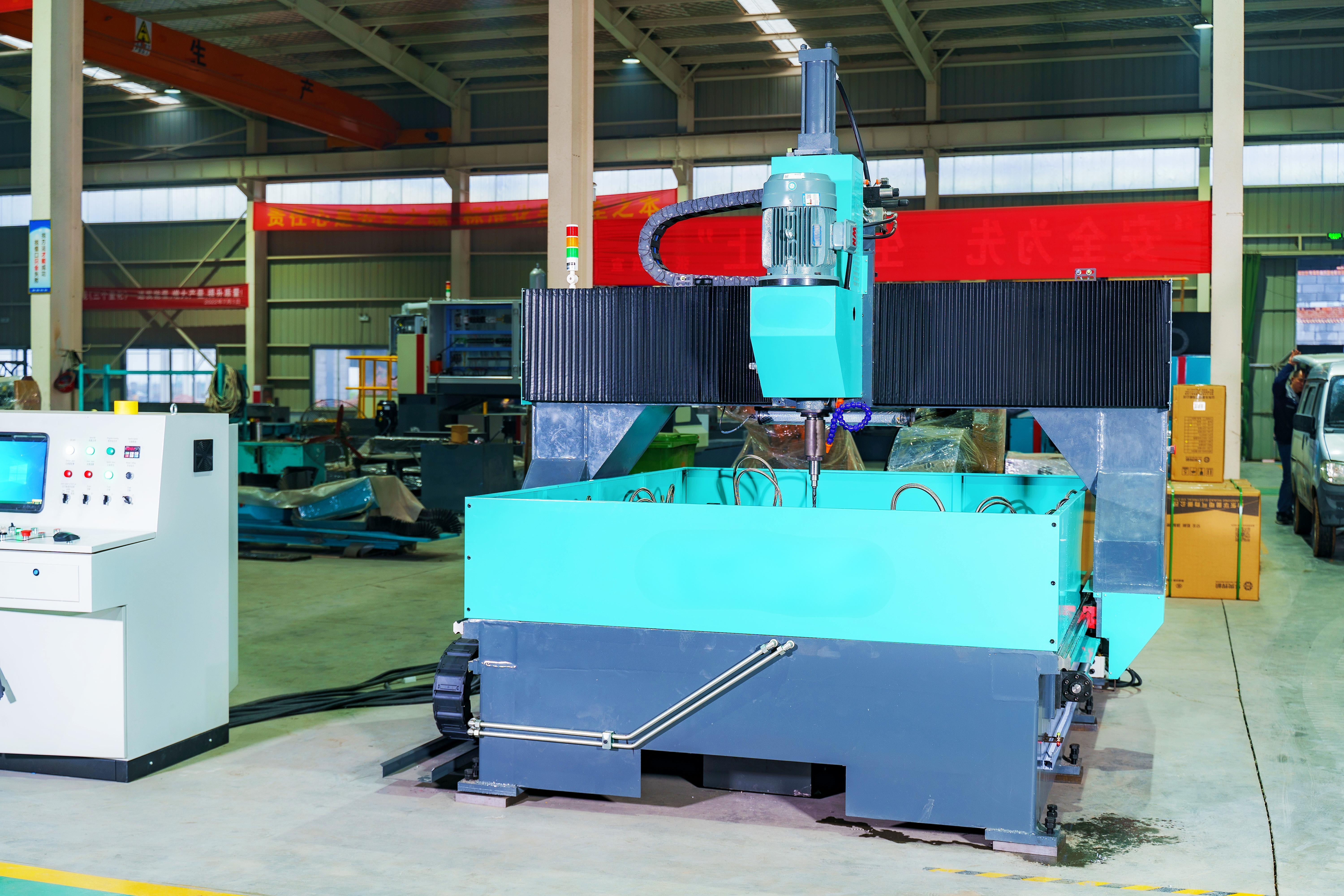
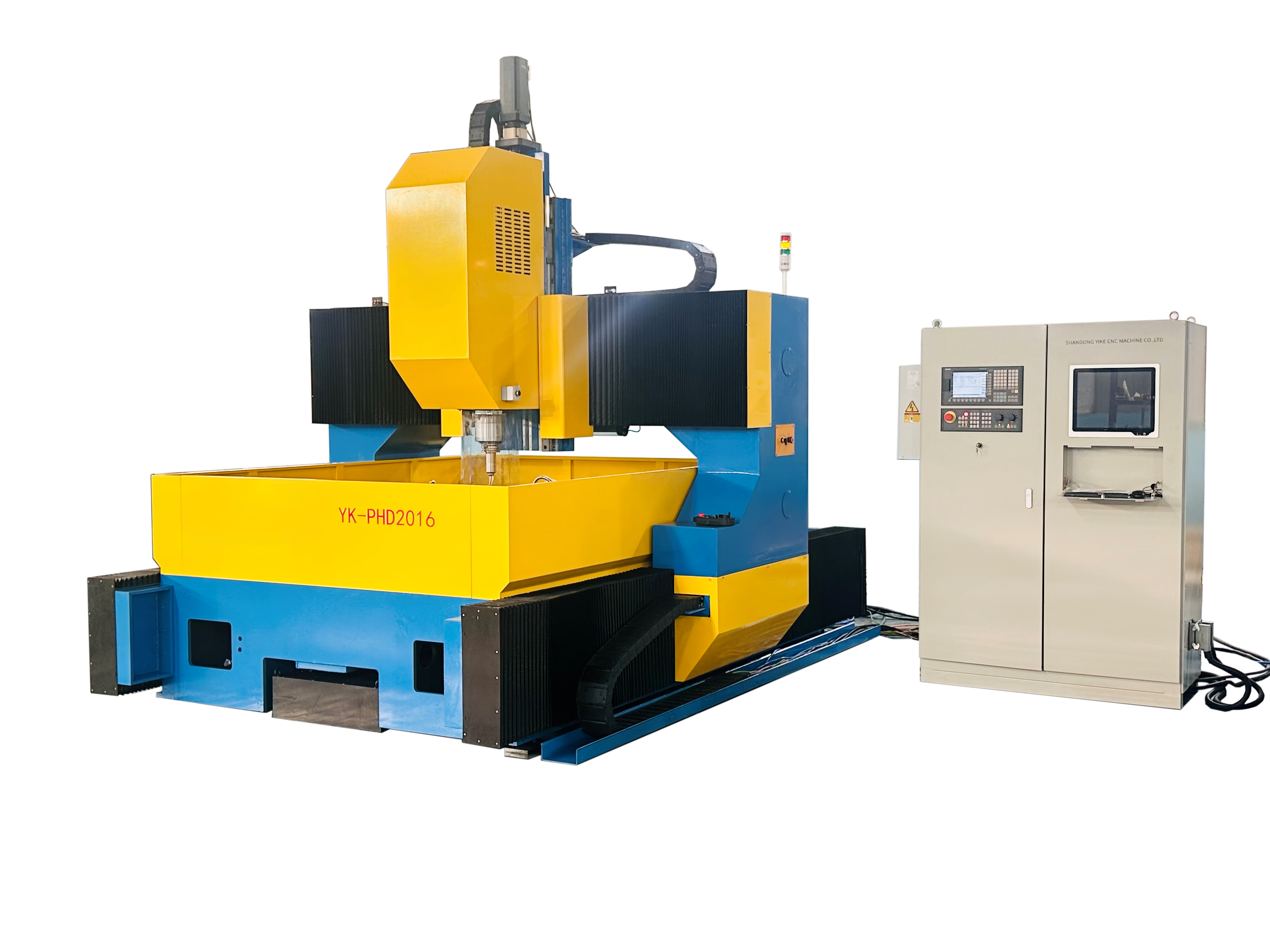
A related solution in this category is the high speed CNC drilling and milling machine for steel plates, flanges, and tube sheets. This format is widely valued when users need tighter hole spacing control, reduced manual layout work, and higher throughput for fabricated assemblies used in energy, steel construction, and heavy equipment supply chains.
Main Types And Core Functions
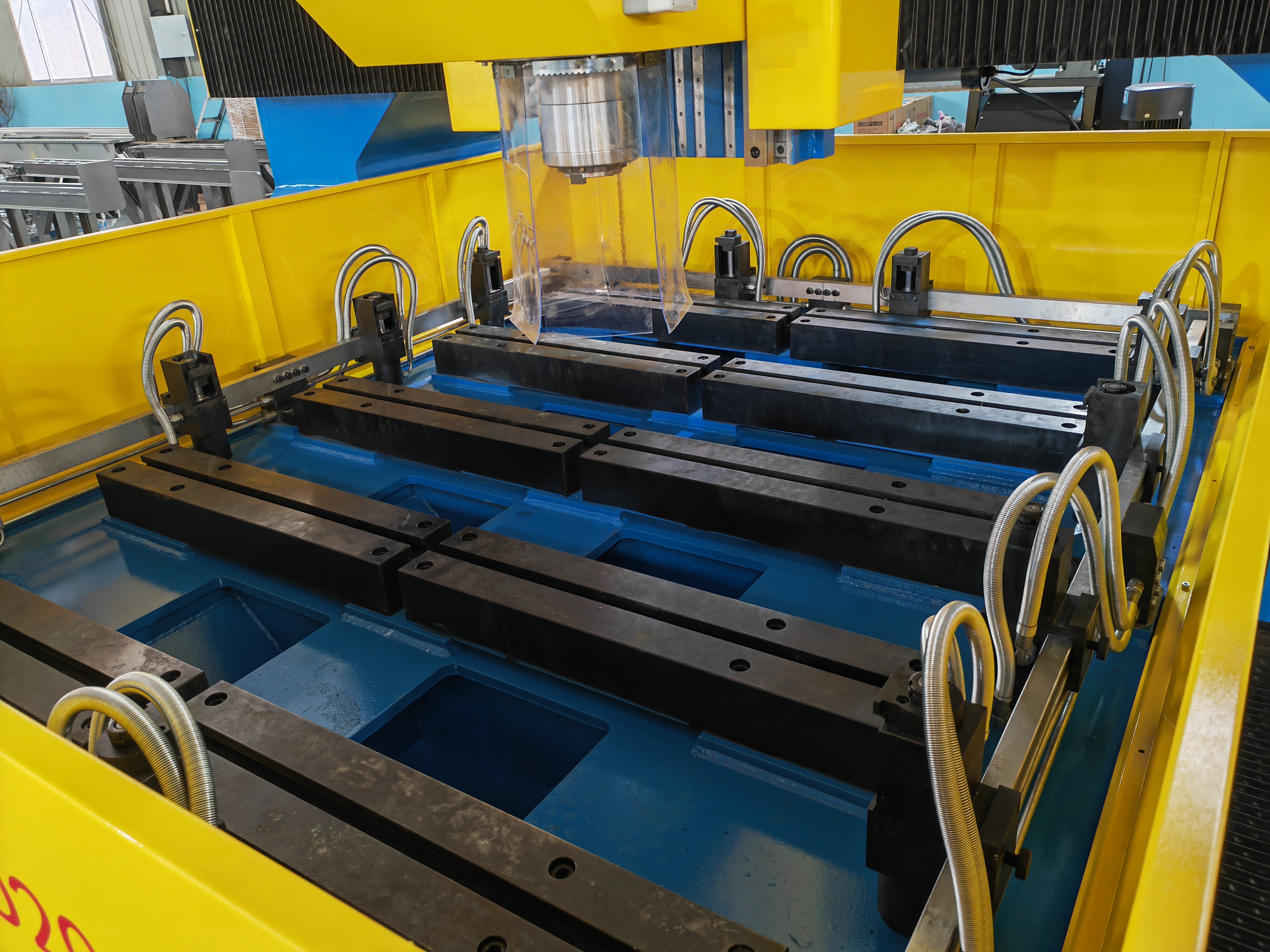
The most common classification starts with bench, turret, bed-type, radial, and CNC gantry machines. Smaller manual or semi-manual units are suitable for repair shops, tool rooms, and low-volume work. Heavier bed or gantry configurations are preferred for large plates, long components, and applications where rigidity and travel matter more than compact footprint.
A radial drilling machine can cover large work areas with flexible head positioning, but its milling capability is limited compared with dedicated milling structures. By contrast, a purpose-built drilling and milling machine integrates stronger axis control and broader process capability, making it more suitable for parts that require both precise hole patterns and surface machining.
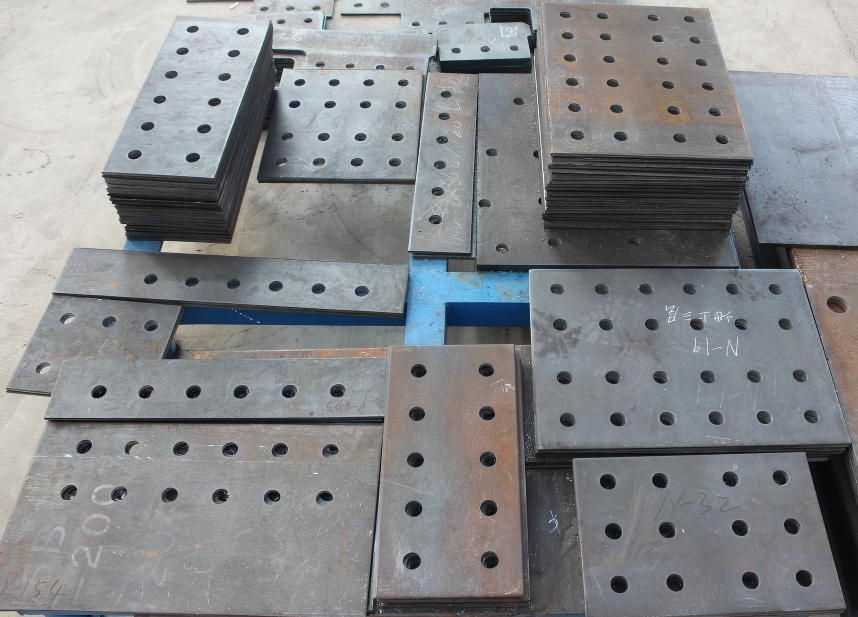
CNC drilling and milling machines usually support drilling, tapping, spot facing, countersinking, pocket milling, edge clean-up, and limited contour work. Depending on the design, they may process steel plates, H beam connection parts, flanges, base plates, tube sheets, and fabricated weldments. The right type depends on workpiece dimensions, tolerances, and production rhythm.
For manufacturers serving structural steel or pressure-related fabrication, machine selection often connects to adjacent equipment such as face milling machines, edge milling machines, H beam lines, CNC cutting systems, and plate handling equipment. Wuxi Armada’s broader product range is useful here because buyers can align a drilling and milling machine with upstream cutting and downstream welding workflows.
Who Uses It And Why It Matters
The target users of a drilling and milling machine include steel fabricators, pressure vessel workshops, shipbuilding suppliers, industrial subcontractors, equipment manufacturers, and maintenance-focused plants. These users often face a mix of custom drawings, medium-batch production, and dimensional requirements that make separate manual operations inefficient.
The reason this equipment matters is straightforward: it reduces handling, improves repeatability, and supports more predictable scheduling. When one machine can complete drilling and milling steps in sequence, the workshop gains better part traceability and less dependence on operator layout skill. That becomes commercially important when deadlines are tight and scrap costs are high.
Compared with traditional standalone processes, an integrated drilling and milling machine can also improve floor efficiency. Fewer re-clamps mean fewer positioning errors, while CNC programming helps standardize output across shifts. This is not a universal replacement for machining centers, but it is often the more practical choice for large fabricated workpieces and steel-processing jobs.
For buyers sourcing from Wuxi Armada, the advantage is less about one isolated machine and more about system familiarity with fabrication lines. Because the company supplies welding manipulators, rotators, cutting machines, face milling machines, edge milling machines, radial drilling machines, and H beam equipment, recommendations can be matched to real workshop flow rather than abstract specifications alone.
How To Choose The Right Machine
Selection should begin with the workpiece, not the catalog. Buyers need to define maximum plate size, material grade, thickness range, hole diameter, spacing tolerance, milling depth, and expected annual output. A machine that looks economical on paper may become restrictive if the table size, axis travel, or spindle torque does not match the actual job mix.
The next layer is process capability. Ask whether the drilling and milling machine must support tapping, countersinking, interpolation, face milling, or automatic tool change. Also confirm the control language, nesting or programming method, coolant arrangement, chip removal, and whether fixtures are standard or custom. These factors influence both ramp-up time and operator dependence.
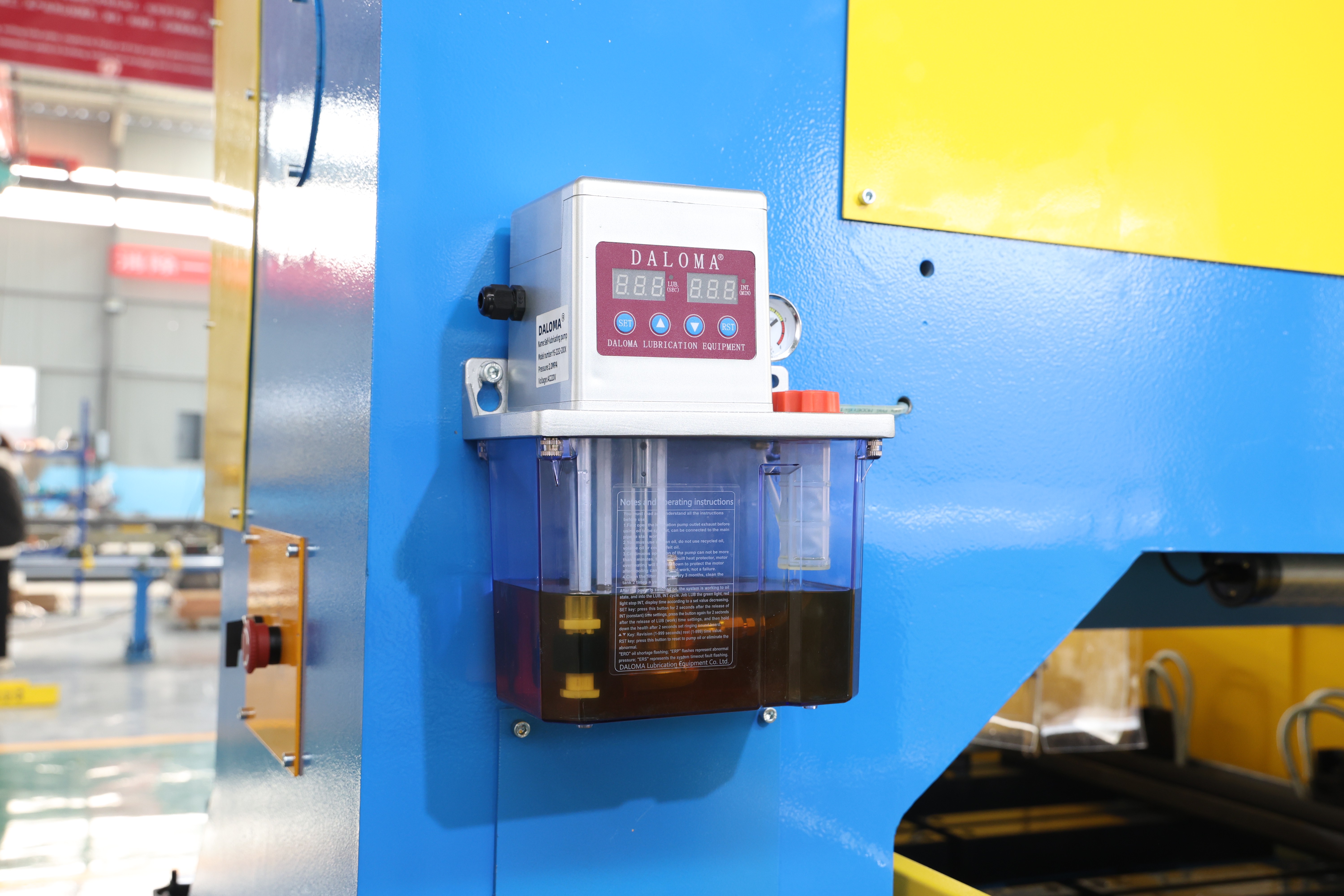
Build quality deserves equal attention. Review frame design, guideway type, spindle brand or grade, electrical components, lubrication method, enclosure protection, and service access. For export buyers, it is also sensible to check spare parts planning, manuals, remote support responsiveness, and what inspection records are available before shipment.
A useful buying approach is to compare present needs with a two- to three-year workload forecast. If the factory expects more fabricated steel, tube sheet, or flange work, a CNC drilling and milling machine with stronger automation may produce a better return than a manual unit. The right decision is usually the one that keeps capacity aligned with realistic order growth.
Applications, Standards, And Global Project Context
Common applications for a drilling and milling machine include steel plate processing, flange hole pattern machining, tube sheet preparation, base plate finishing, structural connection components, and fabricated assemblies that require both accurate holes and clean machined surfaces. These parts appear in sectors such as construction steel, energy equipment, transport infrastructure, marine supply, and general heavy fabrication.
In global sourcing, market access is supported by practical compliance rather than marketing claims. Buyers typically expect traceable production control, inspection discipline, export packing suitability, and general conformity with electrical and mechanical safety requirements. Wuxi Armada cites ISO9001, CE, and SGS certificates, which are relevant trust signals when evaluating manufacturing organization and cross-border procurement readiness.
The company’s customer list, including URALSTANKOIMPORT, MD Calbah Industries Pty Ltd, Ersay International Transport, Contevix comercio e servicos ltda, BatysMunaiGazZhabdyktary LLP, PT.Cahaya mas Cemerlang, Estructuras Metalicas Girders Chile Limitada, and Lincoln Electric-MENA, suggests experience serving varied regions and industrial environments. That matters because installation conditions, operator skill, and material standards often differ significantly from market to market.
Where this becomes practical is in project-type manufacturing. A buyer handling heavy steel structures may combine CNC flame or plasma cutting, drilling and milling, H beam assembly, welding, and shot blasting into one process chain. In such settings, supplier coordination across multiple machine categories can reduce interface problems during planning, delivery, and commissioning.
Manufacturing, Installation, And Quality Control
A reliable drilling and milling machine depends on disciplined manufacturing stages: frame fabrication, stress-sensitive machining, spindle and axis assembly, electrical integration, alignment, trial running, and inspection. The exact process differs by machine type, but the essential objective is consistent rigidity and motion accuracy under industrial load, not just acceptable appearance at factory acceptance.
Quality control should focus on measurable points such as axis travel accuracy, spindle runout, repeat positioning, lubrication flow, coolant function, noise, vibration, and trial-cut results on representative material. For CNC models, buyers should also verify software stability, program import method, alarm logic, and backup procedures. These checks are more useful than relying only on brochure specifications.
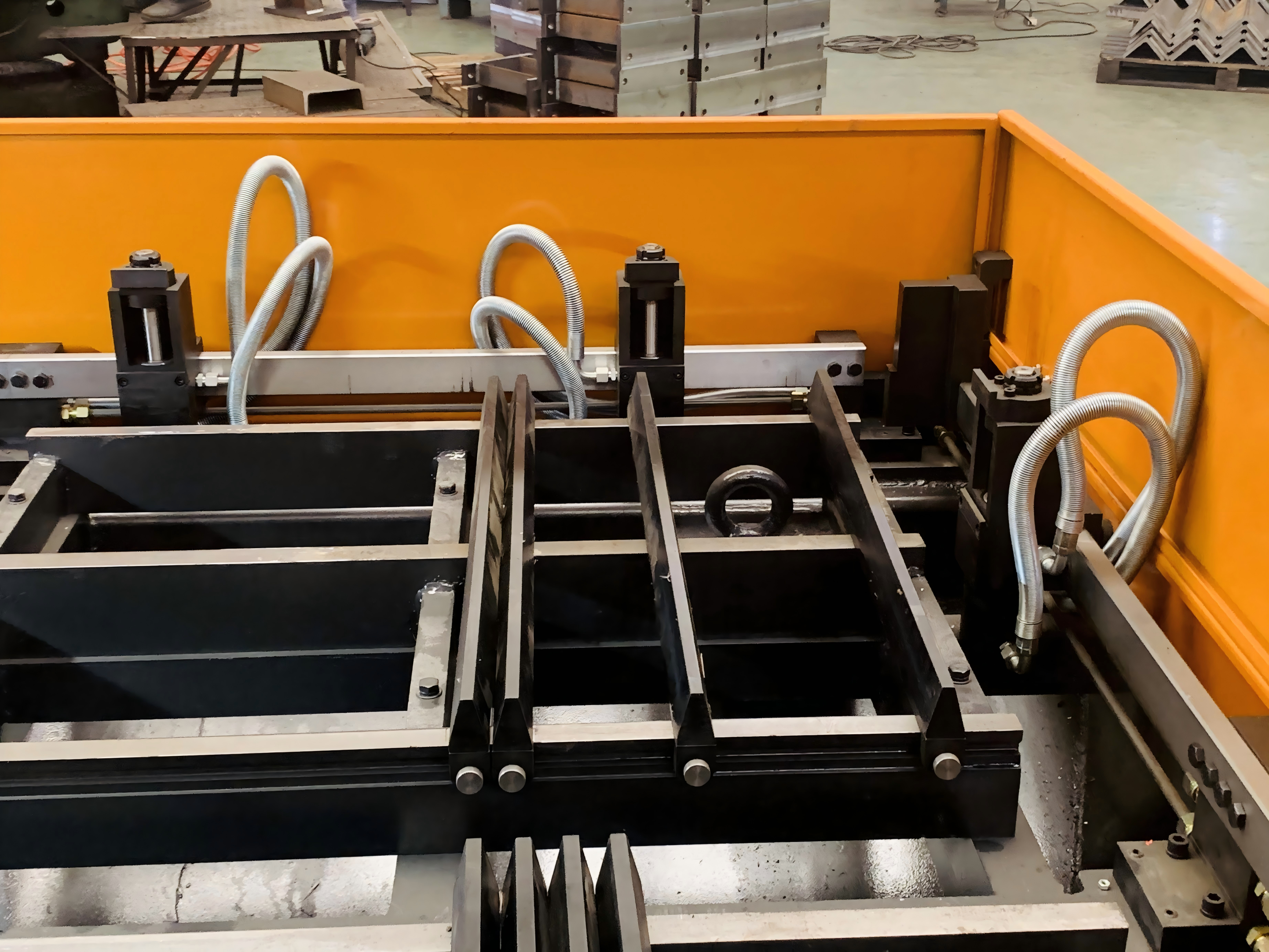
Installation planning is often underestimated. Foundation condition, lifting access, power supply, compressed air, coolant management, chip handling, and operator safety zones should be confirmed before delivery. After placement, alignment and commissioning should be documented, and operators should be trained on tooling, parameter setup, and daily inspection routines.
For workshops building a more complete processing line, a supplier with adjacent machine expertise can simplify implementation. Wuxi Armada’s experience across cutting, welding, beam processing, milling, and drilling equipment can help buyers coordinate interfaces between machines, especially when materials flow from raw plate preparation to final fabricated assembly.
Maintenance, Cost, And Future Trends
Maintenance should follow a predictable rhythm rather than a failure-only approach. Daily checks normally include lubrication level, coolant condition, chip accumulation, spindle sound, and fixture cleanliness. Weekly and monthly routines usually cover backlash review, fastener condition, filters, electrical cabinet cleanliness, and calibration confirmation. The right service interval depends on duty cycle, material type, and environmental contamination.
From a procurement perspective, total cost of ownership includes more than machine price. Tooling consumption, setup time, labor skill, spare parts lead time, power use, downtime risk, floor space, and scrap rate all affect the real cost of a drilling and milling machine. A lower upfront quotation can become expensive if the machine lacks rigidity, support, or process fit.
ROI improves when buyers match machine capability to repeatable revenue work. For small-batch production, the best result often comes from flexible CNC programming, quick fixturing, and stable performance across several part families rather than extreme speed on one job only. This is why price-factor analysis should always be linked to output quality and schedule reliability.
Looking toward 2026, the main trends are stronger CNC integration, faster programming for nested part layouts, better remote diagnostics, more efficient chip and coolant management, and broader use of combined processing lines. Buyers evaluating a drilling and milling machine today should consider not only current capacity, but also how easily the machine can fit into a more digital, traceable, and automation-ready workshop environment.
 How to Judge If One Drilling Machine Can Meet Export Order NeedsCan a drilling machine process both H beam and sheet metal? Learn how to judge export order fit by capacity, precision, changeover efficiency, and cost before you buy.
 Can One Drilling Machine Handle Cutting and Drilling for Export Orders?Can one drilling machine handle cutting and drilling for export orders? Learn when one machine saves cost, meets precision goals, and supports reliable export production.
 How a Multi Spindle Drilling Machine Reduces Cycle Time in Repetitive Hole PatternsMulti spindle drilling machine solutions cut cycle time in repetitive hole patterns by drilling multiple holes at once, improving throughput, consistency, and cost efficiency. Learn how to boost productivity.
 Common CNC Drilling Machine Accuracy Problems and How to Troubleshoot ThemCNC drilling machine accuracy problems can cause off-position holes, poor finish, and unstable repeatability. Learn practical troubleshooting steps to reduce downtime fast.
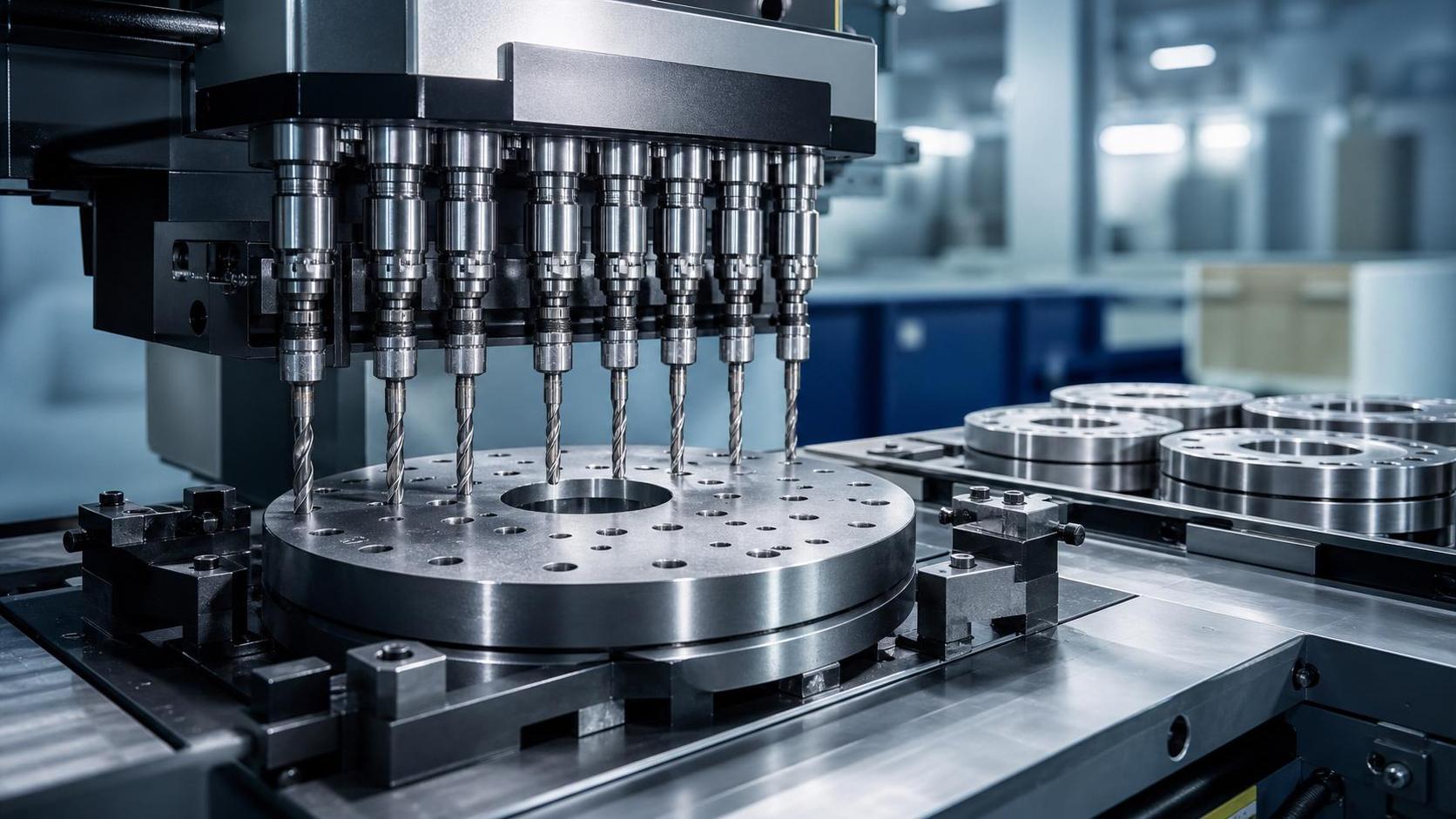
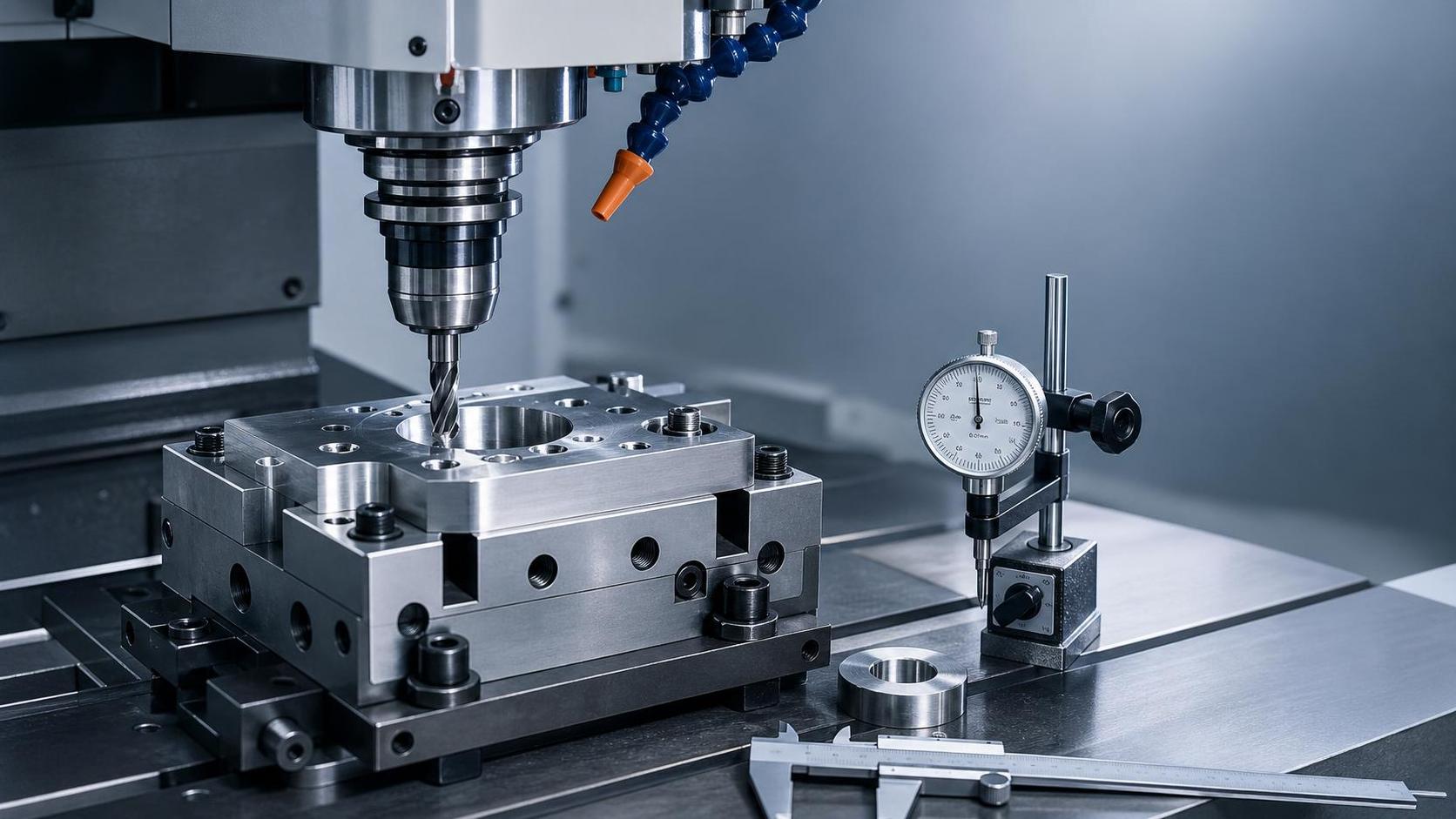
 High Speed CNC Drilling And Milling Machine For Steel Plates/ Flanges/ Tube Sheets1.Model: YK-PHD1010/ YK-PHD1616/ YK-PHD2016/ YK-PHD3016/ YK-PHD4016
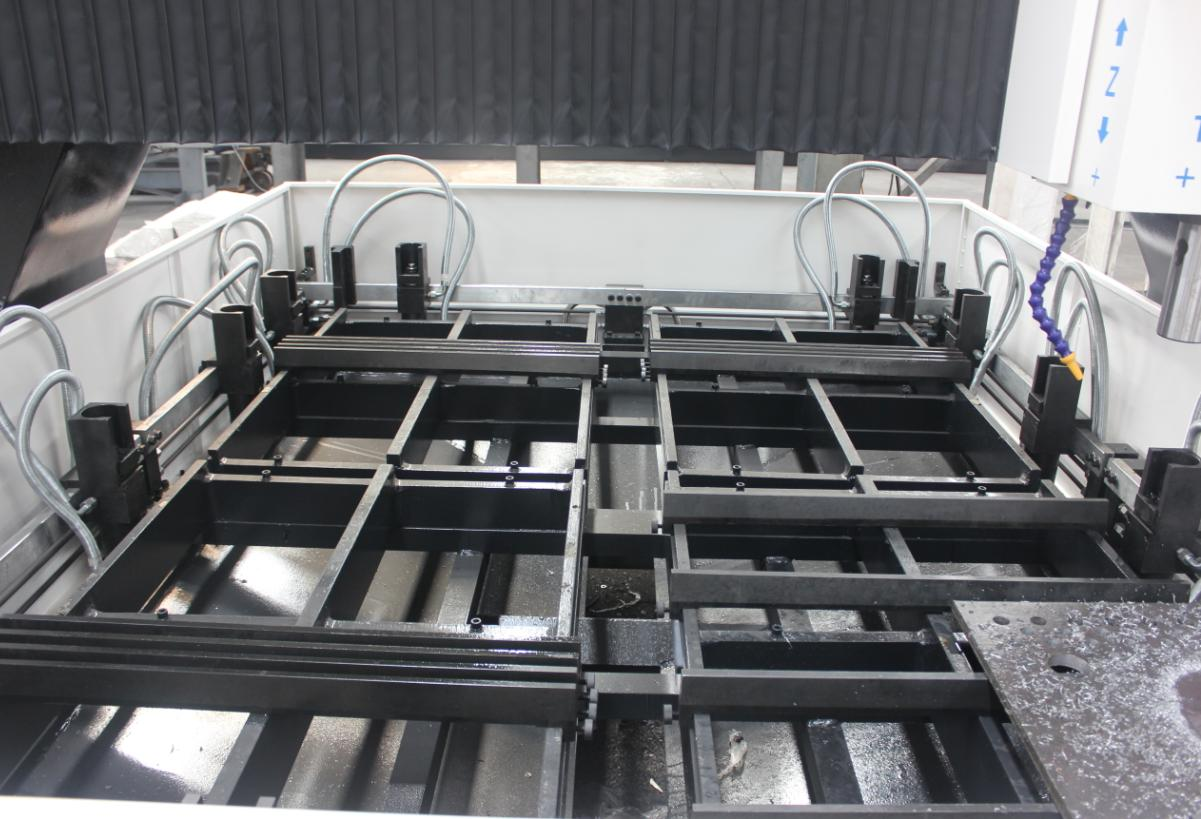
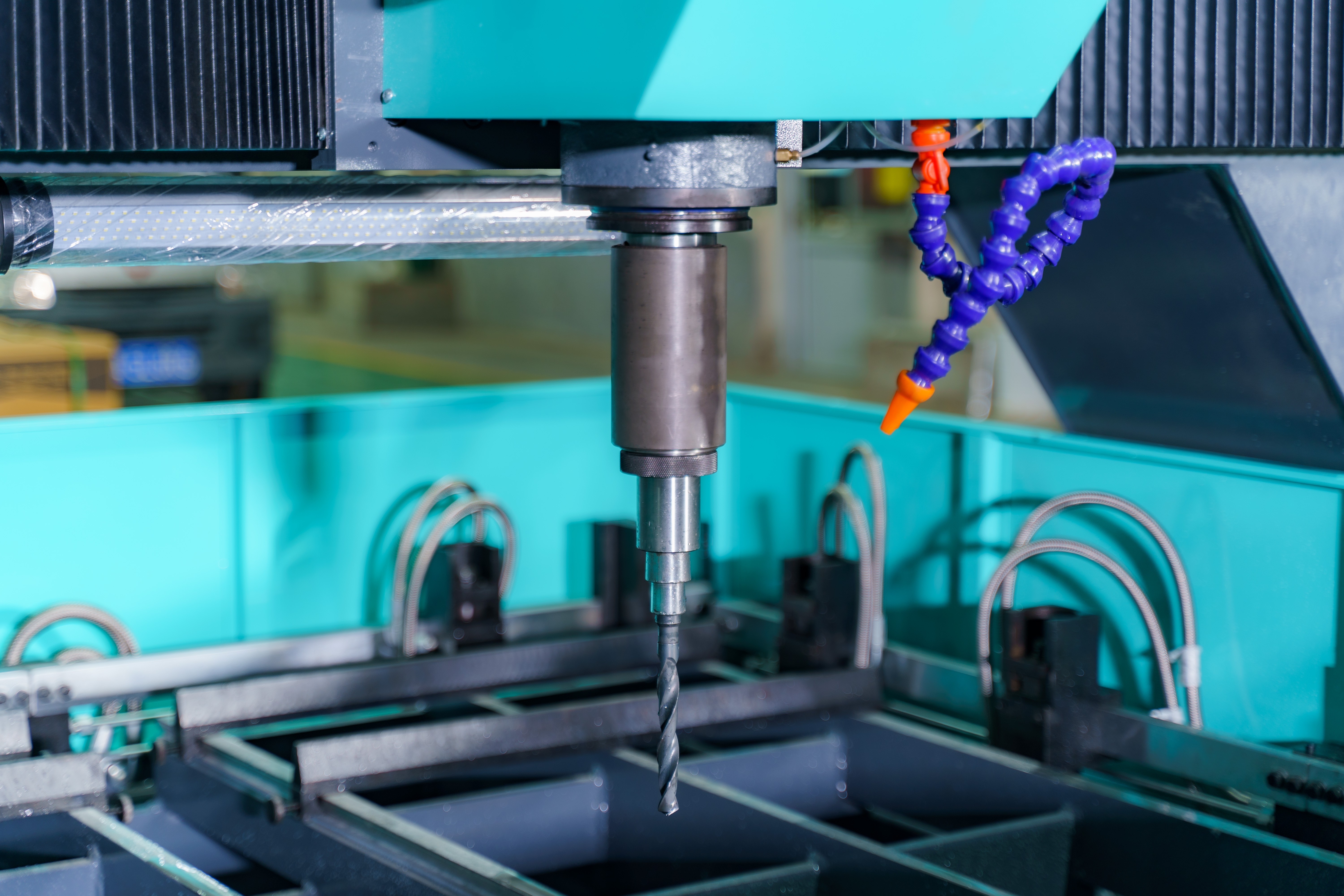
2.This machine is a gantry mobile CNC high-speed drilling and milling machine. It is mainly used for drilling, tapping and milling of workpieces such as steel plates, flanges, heat exchangers, tube sheets, and slewing supports. Carbide drills can be used for high-speed drilling with internal cooling. This machine is equipped with KND or Siemens CNC system bus control, convenient operation, can achieve automation, high -precision, multi -variety, small and medium -sized production.") CNC Drilling Machine For Steel Plates (Normal Speed)Model: YK-PD2012/ YK-PD2016/ YK-PD3016/ YK-PD4016/ YK-PD2020-2
CNC Drilling Machine For Steel Plates (Normal Speed)Model: YK-PD2012/ YK-PD2016/ YK-PD3016/ YK-PD4016/ YK-PD2020-2
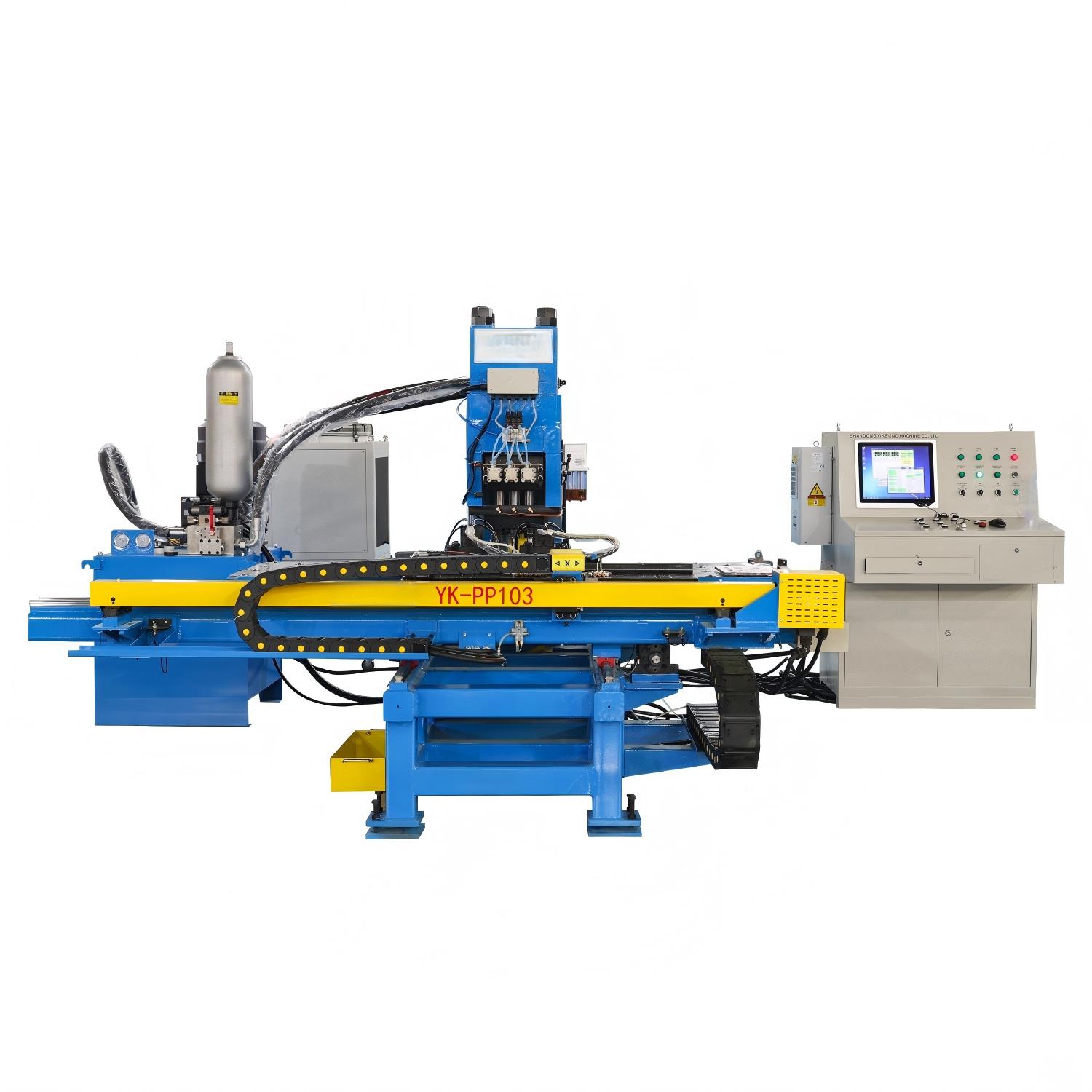
This is special CNC machine for drilling plates and flanges, mainly used in steel structure, tower, bridge and other industries. CNC Punching And Marking Machine For Steel PlatesModel: YK-PP103/ YK-PPR103/ YK-PP104/ YK-PPR104
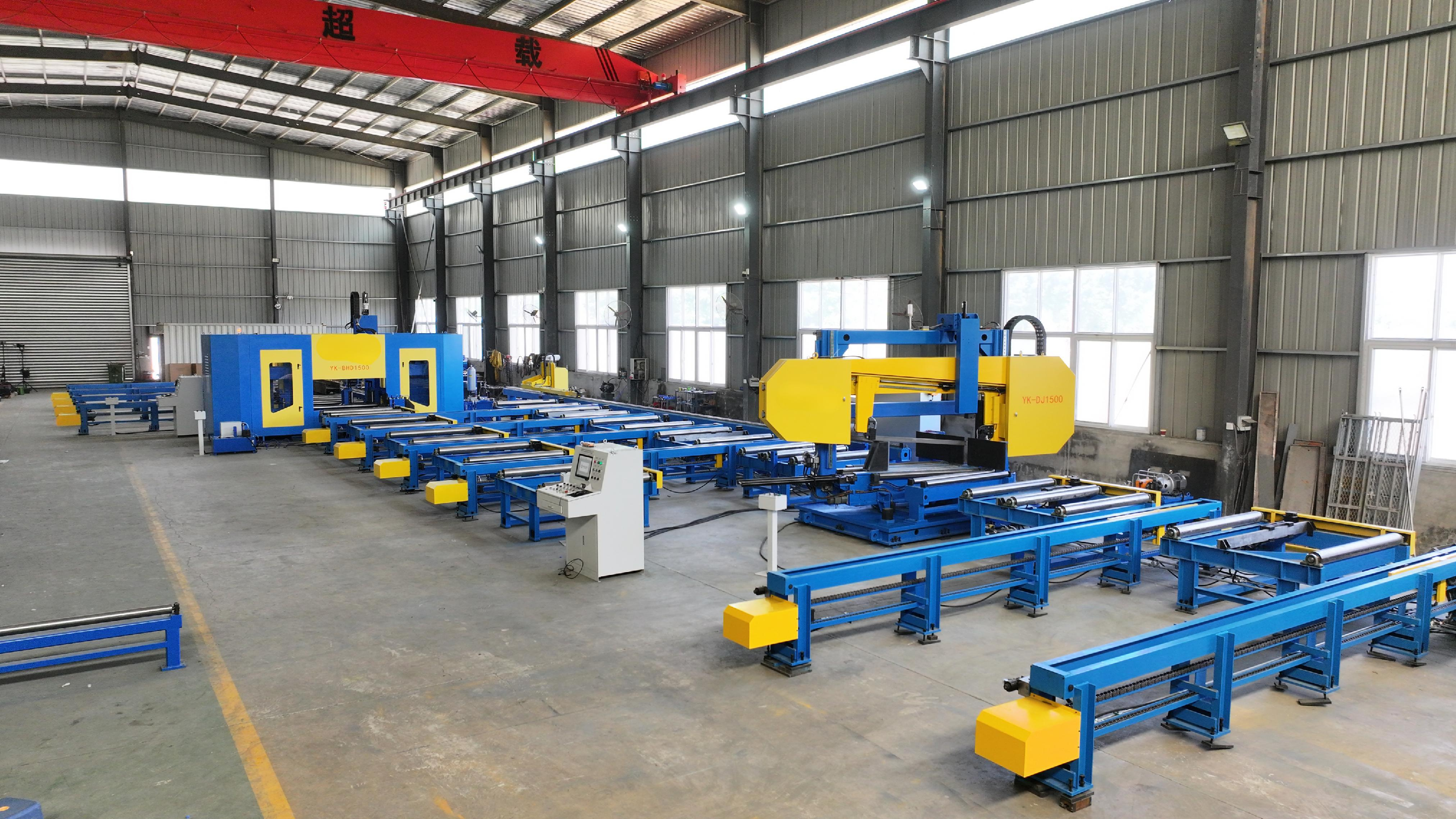
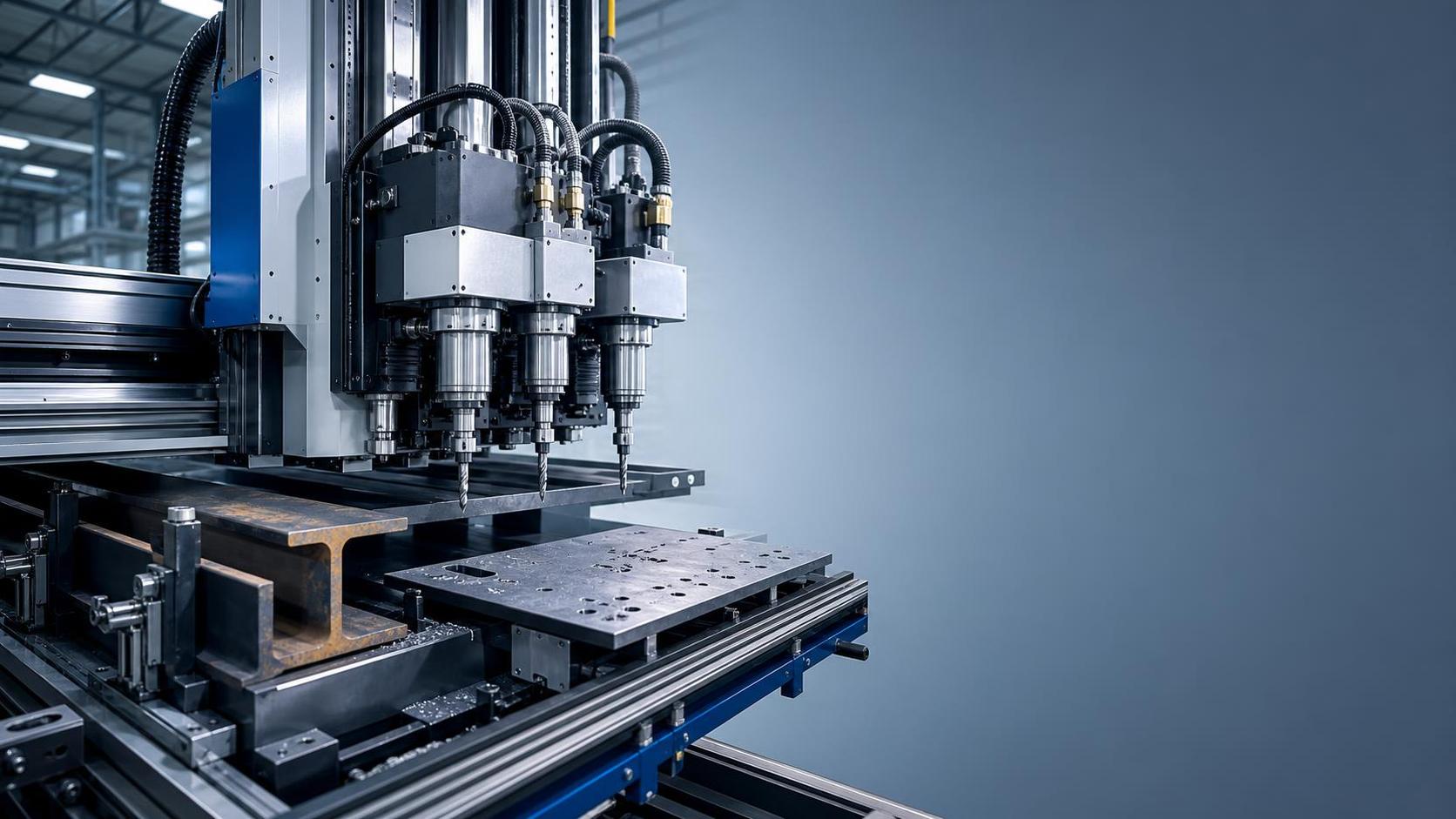
Special CNC machine for punching and marking of steel plates in the field of steel tower industry. It is also used to punch and mark of steel plates of other industries. H beam 3D drilling machineThis machine tool is mainly used for drilling operations on H-shaped steel, channel steel and box-type beams, and is widely applied in industries such as steel structure buildings, bridges, and parking garages. The 7-axis CNC steel three-dimensional drilling machine uses seven servo motors to achieve drilling positioning in two vertical directions, one horizontal direction, and one length direction, as well as servo feed for three main axes. On the three drilling surfaces, each surface has one drilling main axis, and each drilling main axis on each surface is driven by a variable frequency motor. The drilling main axis is a servo-driven drilling main axis. When the hole diameters on each surface are the same, the holes on all three surfaces can be processed after the workpiece passes through the equipment once, resulting in high efficiency and high hole position accuracy. It is an indispensable equipment for ensuring quality in the steel structure manufacturing industry.