




— —
How Much Can CNC Shearing Improve Sheet Metal Yield in 2026?
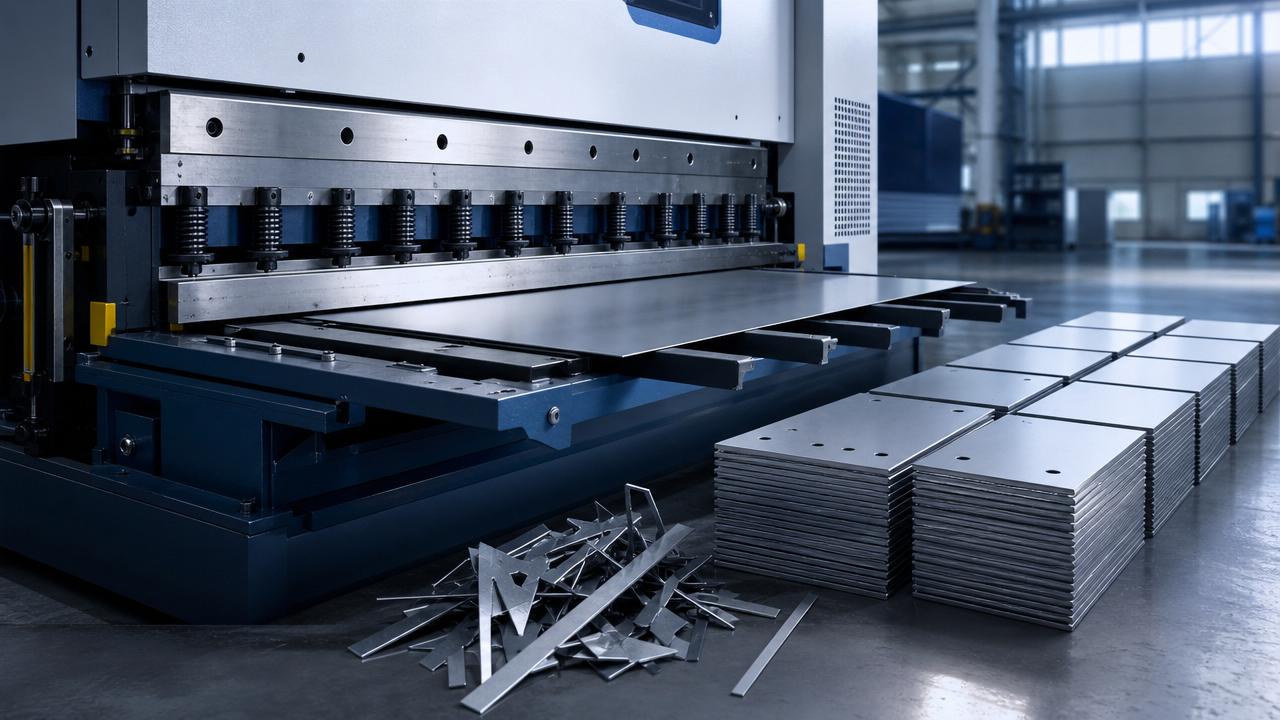
How much can CNC shearing machine improve sheet metal yield rate? For business evaluators in 2026, the short answer is: often by 3% to 10%, and sometimes more when replacing outdated manual or hydraulic stop systems. The real value, however, is not only in better cut accuracy.
CNC shearing improves sheet metal yield by reducing setup error, minimizing trim loss, lowering rework, and making output more consistent across shifts. For companies processing large sheet volumes, even a small gain in yield can create a meaningful annual cost advantage.
For investment decision-makers, the right question is not simply whether CNC shearing is faster. It is whether the machine can convert more purchased material into sellable parts, while controlling labor variability, scrap rates, and downstream production risk.
What business evaluators really need to know before estimating yield improvement
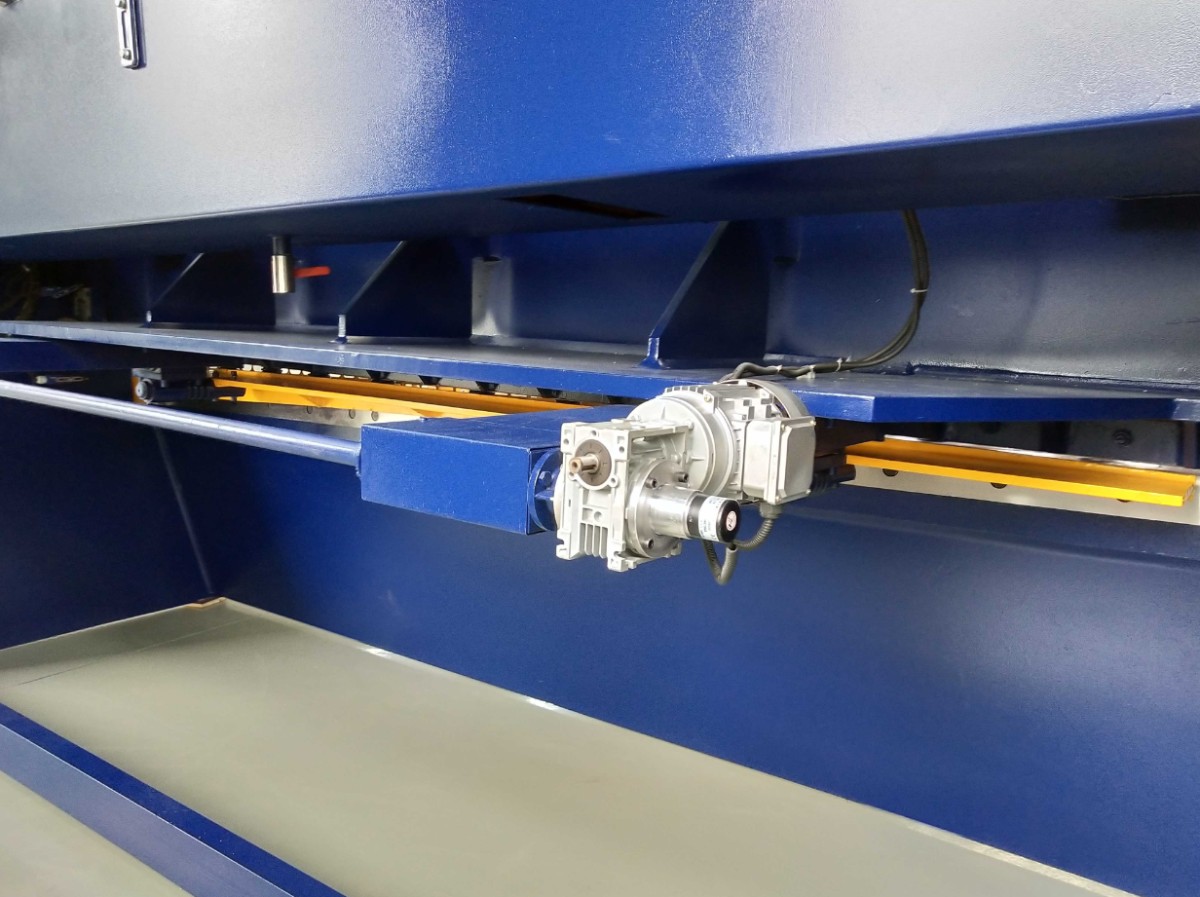
When buyers search “How much can CNC shearing machine improve sheet metal yield rate?”, they are usually not looking for a theoretical machine definition. They want a practical benchmark for ROI, cost reduction, and suitability for their production environment.
The key concern is whether a CNC shearing machine can deliver measurable material savings under real factory conditions. That depends on sheet thickness range, cutting length, operator skill, nesting discipline, tolerance standards, and how often product sizes change.
For commercial evaluation teams, the most useful answer includes three layers: expected yield gain range, the production conditions required to achieve it, and the payback logic behind the improvement. Without those three elements, any percentage claim is incomplete.
In 2026, this matters even more because sheet metal processors face higher pressure on raw material cost, quotation accuracy, labor efficiency, and delivery stability. Equipment investment decisions are now judged not only by output capacity, but by margin protection.
How much can CNC shearing improve sheet metal yield in practical terms?
In many sheet metal operations, a CNC shearing machine can improve yield rate by around 3% to 10% compared with conventional shearing methods. In certain high-mix or poor-control workshops, the improvement can exceed that range after process standardization.
The lower end of the range usually applies when the existing process is already disciplined, operators are experienced, and material planning is good. The higher end becomes more realistic when manual backgauge error, inconsistent cut positioning, and repeated trimming are common problems.
For example, if a factory processes 2,000 tons of sheet annually, a 4% yield improvement means 80 additional tons converted into usable parts instead of waste. At today’s material prices, that can represent a substantial yearly financial gain.
That is why business evaluators should calculate yield improvement as a material value issue, not only as an equipment feature. Better shearing control creates savings at the very beginning of the fabrication process, and those savings often multiply downstream.
Why CNC shearing machines improve yield more than conventional shears
The main reason is positioning precision. A CNC shearing machine controls the backgauge accurately and repeatably, which reduces dimensional deviation and avoids unnecessary recutting or over-trimming. This directly increases the usable area obtained from each sheet.
Another reason is consistency. Manual shearing quality can vary by operator, shift, and fatigue level. CNC control reduces that variability, so the factory gets a more stable yield rate over time instead of occasional good performance mixed with hidden losses.
Programming also helps. Once dimensions and sequences are entered, the machine can repeat them with less dependence on operator judgment. This is especially valuable for companies running frequent order changes, medium batch sizes, or customer-specific dimensions.
In addition, many modern CNC shearing systems support better integration with upstream planning and downstream bending or welding operations. When cuts are more accurate, fewer parts are rejected later because of fit-up issues, edge mismatch, or size inconsistency.
Which factors determine whether the yield gain will be 3% or 10%
Not every factory will achieve the same result. The first factor is the condition of the current process. If the plant still relies on manual measuring and repeated trial cuts, CNC shearing usually creates a larger jump in yield performance.
The second factor is product mix. Companies producing many different rectangular blanks, strips, panels, and standard sheet parts often benefit strongly from programmable backgauge precision. The more frequent the size change, the more valuable CNC repeatability becomes.
The third factor is material cost. If the factory processes stainless steel, aluminum alloy, coated sheet, or thicker carbon steel with high value per ton, even modest yield improvement produces strong financial returns. Material savings matter more when the input cost is high.
The fourth factor is management discipline. A CNC shearing machine cannot solve poor production planning by itself. To realize the best sheet metal yield rate improvement, companies also need correct job sequencing, cut-list management, maintenance, and operator training.
How CNC shearing affects scrap, rework, and hidden operating costs
Many buyers evaluate shearing machines mainly on cutting thickness and blade length. That is important, but it misses a major business issue: hidden cost. Scrap is only one visible part of yield loss in sheet metal processing.
When cut accuracy is unstable, factories often generate rework, extra inspections, replacement blanks, delayed bending schedules, and wasted labor time. These losses may not appear clearly in the machine utilization report, but they reduce gross margin on every order.
CNC shearing helps control these hidden costs by producing more predictable first-pass results. Parts arrive at the next process with fewer dimensional surprises, which supports steadier flow through bending, welding, assembly, and final quality checks.
For business evaluators, this means the real answer to “How much can CNC shearing machine improve sheet metal yield rate?” should include not only direct material yield, but also the reduction of non-value-added activity across the production chain.
How to estimate ROI from sheet metal yield improvement
A practical ROI model starts with annual material consumption. Multiply total sheet purchase volume by average material cost, then apply a conservative yield improvement scenario such as 3%, 5%, and 8%. This creates an easy decision framework.
Next, add secondary savings. These may include lower scrap handling cost, reduced overtime, less rework, lower dependence on highly experienced shear operators, and fewer quality-related production interruptions. Together, these often make the project more attractive.
Then compare the result with total investment cost, including machine price, installation, training, tooling, maintenance planning, and any layout modification. The best procurement decisions are based on full operating economics, not on purchase price alone.
For many processors, the payback period can be reasonable when raw material volume is high and the current process is inefficient. Even when direct labor savings are limited, material yield improvement alone can justify the equipment under the right conditions.
Where CNC shearing delivers the strongest value in 2026
In 2026, CNC shearing is especially valuable for manufacturers facing tighter margins, rising quality expectations, and frequent order customization. These conditions make repeatable material utilization more important than ever for staying competitive.
The strongest use cases include sheet metal service centers, fabrication workshops, enclosure producers, HVAC component manufacturers, structural part suppliers, and general industrial plants that need accurate straight cutting before bending or welding.
It is also highly relevant in export-oriented manufacturing. When delivery commitments are strict and defect tolerance is low, process stability matters as much as speed. Consistent shearing quality helps protect schedules and reduces the risk of costly remakes.
For multi-country suppliers or contract manufacturers, a CNC shearing machine also supports standardization. It becomes easier to define process parameters, train teams, and maintain more uniform quality across batches, customers, and operating periods.
What buyers should check before choosing a CNC shearing machine
First, verify whether the machine specifications match actual production needs. Important items include cutting thickness, cutting length, backgauge travel, control system capability, repeat positioning accuracy, blade quality, and overall frame rigidity.
Second, assess whether the supplier understands application economics, not just machine assembly. A useful supplier should help estimate expected yield gain, recommend the right model, and explain how to adapt the equipment to your product mix.
Third, review compliance and manufacturing discipline. Companies that organize production under ISO9001 quality systems and relevant CE standards generally offer better process control, documentation, and confidence for international industrial buyers.
Fourth, ask about after-sales support, spare parts availability, operator training, and commissioning guidance. Yield improvement depends not only on machine design, but on whether the equipment can be installed quickly and run correctly from the beginning.
How Wuxi Armada supports sheet metal equipment buyers
For buyers evaluating CNC shearing and related sheet metal processing equipment, Wuxi Armada International Trade Co., Ltd offers a broad industrial product portfolio shaped by practical export and manufacturing experience.
The company specializes in mechanical equipment and related products, including bending machines, shearing machines, plate rolling machines, leveling machines, deburring machines, CNC cutting machines, laser cutting machines, welding equipment, and other fabrication systems.
Located in Wuxi, Jiangsu Province, close to Shanghai, the company serves international markets including Southeast Asia, Europe, North and South America, and Oceania. This global exposure helps support buyers with varied technical and commercial expectations.
Production and design are organized according to ISO9001 quality system certification and EU CE standards. For business evaluators, that matters because equipment value is not only about function, but also about reliability, documentation, and procurement confidence.
Final judgment: is CNC shearing a worthwhile yield improvement investment?
For many sheet metal manufacturers, yes. A CNC shearing machine can improve sheet metal yield rate meaningfully, often in the 3% to 10% range, while also reducing process variation, scrap, and hidden rework costs.
The exact improvement depends on starting conditions, product mix, production discipline, and material value. Companies with high annual sheet consumption, frequent dimension changes, or unstable manual shearing processes usually see the strongest business case.
For business evaluators in 2026, the smart approach is to measure CNC shearing not as a standalone machine upgrade, but as a material efficiency and margin protection tool. That perspective leads to better ROI analysis and more confident capital decisions.
If your goal is to improve sheet metal yield, reduce waste, and strengthen production consistency, CNC shearing deserves serious consideration as part of a modern fabrication investment strategy.
