




Why automatic vessel welding rotator cuts welding errors
— —
Why automatic vessel welding rotator cuts welding errors
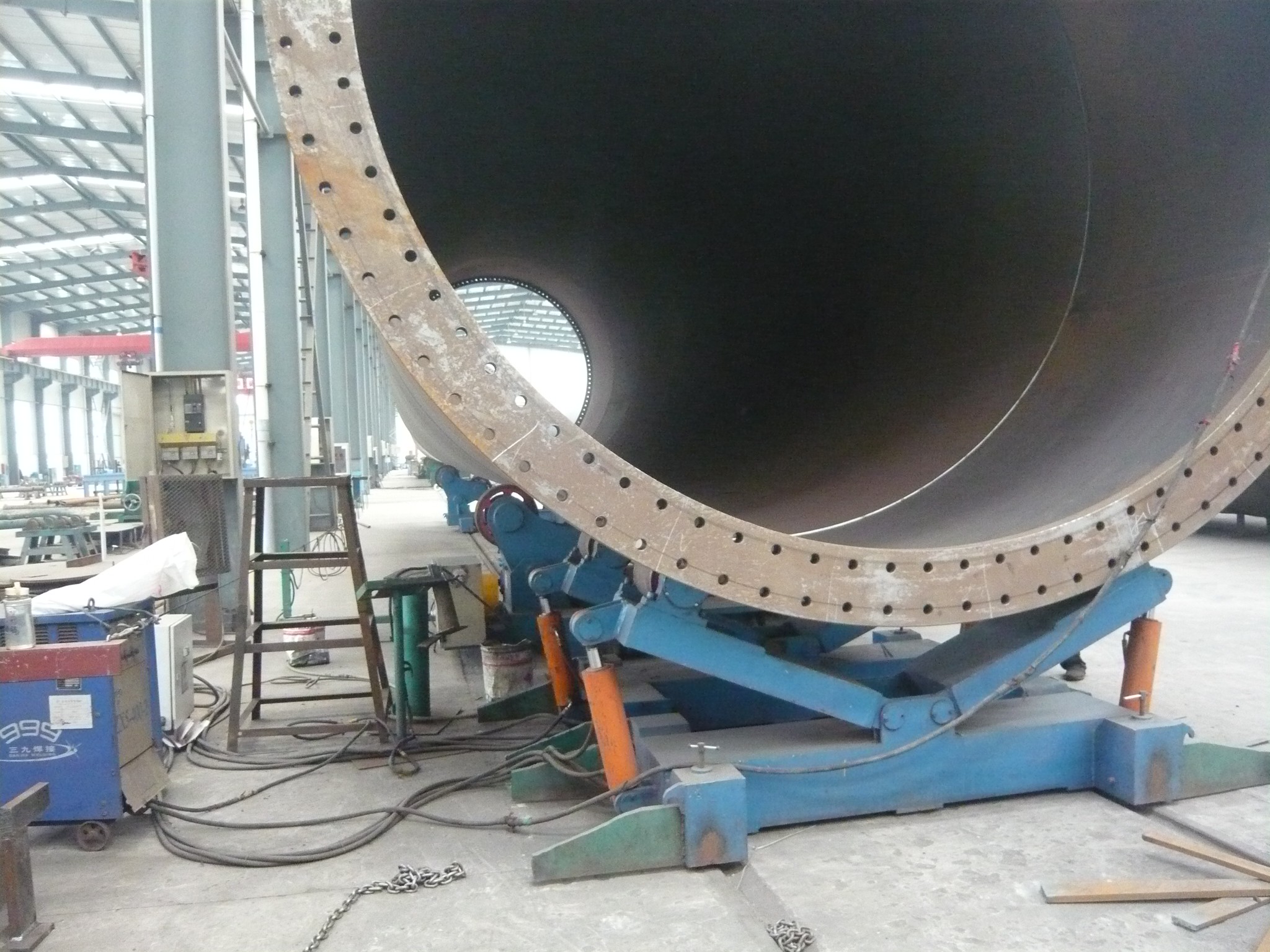
For quality control and safety managers, reducing weld defects is critical to both compliance and production efficiency. An Automatic vessel welding rotator helps minimize alignment mistakes, uneven seams, and operator-related inconsistencies by keeping vessels stable and precisely positioned during welding. This article explains why the technology is becoming essential in modern metal fabrication and how it supports safer, more reliable welding results.
Why does an Automatic vessel welding rotator reduce welding errors so effectively?
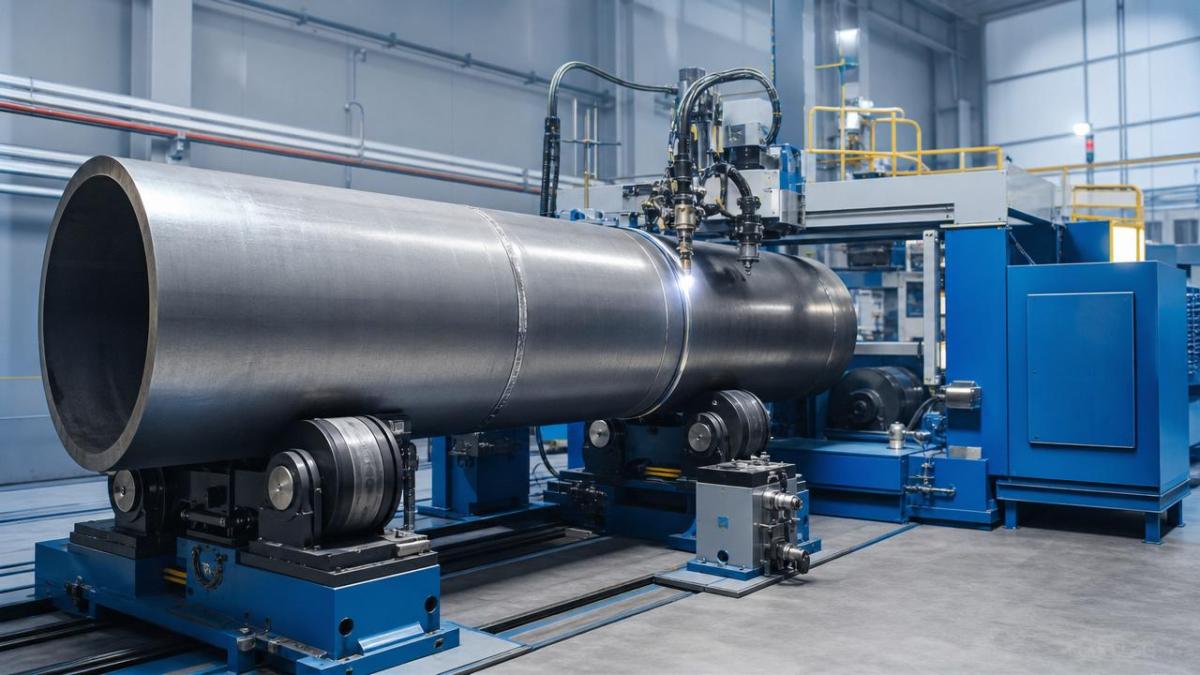
In vessel fabrication, many weld defects start before the arc is even struck. Poor fit-up, unstable rotation, uneven joint exposure, and inconsistent torch travel often create undercut, lack of fusion, overlap, and excessive reinforcement.
An Automatic vessel welding rotator addresses these issues by rotating cylindrical workpieces smoothly and at a controlled speed. For quality teams, this means more repeatable welding conditions. For safety managers, it means less manual intervention near suspended or moving heavy vessels.
In manufacturing and processing machinery environments, this matters because pressure vessels, tanks, boiler shells, and pipe sections are rarely forgiving. When workpieces are large and seam quality is audited, positioning accuracy becomes part of the quality system, not just a convenience.
- Stable rotation helps maintain uniform weld bead appearance around the circumference.
- Controlled speed supports better heat input management and reduces variation between operators.
- Accurate vessel positioning lowers the chance of rework caused by seam wandering or misalignment.
- Reduced manual handling improves shop-floor safety during long or heavy-component welding.
Typical error sources that rotators help control
QC inspections often find the same root causes: inconsistent root gap, uneven tack quality, off-center loading, unstable rolling, and abrupt starts or stops. A well-matched Automatic vessel welding rotator does not solve every welding problem, but it removes several mechanical sources of variation that directly affect defect rates.
What quality and safety problems are most common in vessel welding?
The table below summarizes common fabrication problems and shows how an Automatic vessel welding rotator contributes to prevention from both a quality and safety perspective.
For safety management, the key value is not only fewer incidents but also more predictable operations. For quality control, fewer process variables mean inspections become more meaningful because the welding setup itself is more stable.
How does the equipment fit into a complete vessel fabrication process?
An Automatic vessel welding rotator performs best when the upstream edge preparation is also consistent. If bevel geometry varies from plate to plate, even excellent rotational control cannot fully prevent weld inconsistencies.
That is why many fabrication plants review the full line: plate cutting, edge milling, fit-up, tack welding, rolling, longitudinal seam welding, circumferential seam welding, and final inspection. In this chain, edge quality has a direct influence on weld penetration and distortion control.
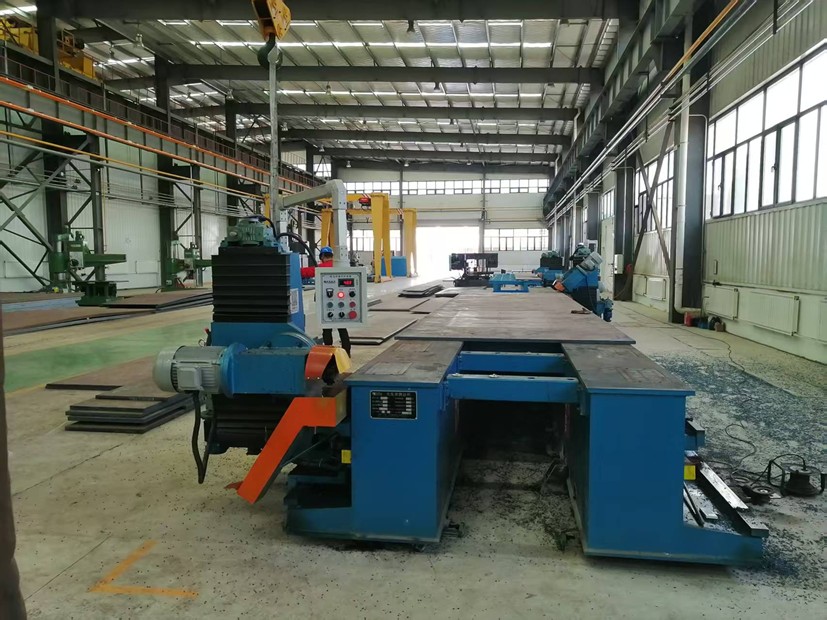
For workshops processing carbon steel, stainless steel, or aluminum plates for pressure vessels, boilers, ship manufacture, electric, chemical, and machinery applications, an insertive upgrade may also include Non-standard Edge Milling Machine Without Pressure Beam. It is used to process straight flanges, bevel edges, and U type grooves before welding, helping reduce joint inconsistency at the source.
- Automatic clamping and edge detection can improve preparation repeatability before vessel assembly.
- The XBJ series supports effective milling lengths from 4000 mm to 18000 mm.
- Processing steel plate thickness is typically 8 mm to 100 mm, with customized options available.
- A milling angle range of 0° to 90° supports common bevel preparation needs in vessel shops.
For QC teams, this process view is important. Defects are often blamed on welders or welding power sources, but poor plate edge preparation can be an equally important contributor.
Automatic vessel welding rotator vs manual handling: what changes in daily production?
When buyers compare investment options, they should look beyond purchase price. The real question is how much process stability and risk reduction the equipment adds over a full production cycle.
This comparison shows why the equipment is often justified by lower rework, smoother workflow, and better control over compliance-related weld quality records rather than by labor savings alone.
What should QC and safety managers check before purchasing?
Key selection checklist
- Confirm vessel diameter range, weight, shell thickness, and center-of-gravity conditions.
- Match rotational speed control to the welding process, whether MIG, SAW, TIG, or automated circumferential welding.
- Review wheel material, anti-slip performance, and support stability for your specific plate and vessel materials.
- Check integration needs with fit-up stations, manipulators, welding heads, or upstream beveling equipment.
- Ask about electrical configuration, safety interlocks, documentation, and maintenance access.
Suppliers serving global markets should also understand documentation expectations for ISO9001-based quality systems and CE-related export requirements where applicable. This is especially relevant when your internal audits require traceable equipment specifications and operating procedures.
Wuxi Armada International Trade Co., Ltd, established in 2012 in Wuxi, Jiangsu Province, focuses on mechanical equipment including automatic welding equipment, CNC cutting machines, milling machines, CNC machine tools, welding robots, laser cutting machines, H-beam production line equipment, and related fabrication machinery. For buyers, that broader portfolio is useful because welding quality problems often involve more than one machine in the production chain.
FAQ: practical questions before you invest
Is an Automatic vessel welding rotator only useful for large factories?
No. It is valuable wherever cylindrical welding quality must be controlled and manual repositioning creates variability. Small and mid-sized fabricators often benefit when rework costs, delivery pressure, and inspection failures are affecting margins.
What processes benefit most from this equipment?
Circumferential welding of vessels, tanks, pipe sections, and boiler components typically sees the clearest improvement. The more the weld depends on stable seam presentation, the more helpful the rotator becomes.
Can it solve defects if edge preparation is poor?
Not completely. Stable rotation reduces positioning-related errors, but inconsistent bevels, dirty joint surfaces, or poor fit-up still create defect risks. That is why many buyers pair welding automation with edge preparation upgrades.
What is a common purchasing mistake?
A frequent mistake is selecting based only on nominal load capacity. QC and safety managers should also evaluate speed control smoothness, workpiece stability, integration needs, operator protection, and service support for installation and commissioning.
Why choose us for welding and fabrication equipment planning?
For buyers in manufacturing and processing machinery, equipment selection is rarely about one machine in isolation. It is about whether the supplier can help you connect welding, cutting, milling, handling, and compliance needs into a workable production solution.
Wuxi Armada International Trade Co., Ltd supplies a wide range of fabrication equipment and organizes production and design according to ISO9001 quality system practices and EU CE standards. With export experience across Southeast Asia, Europe, North and South America, and Oceania, the company can support discussions that go beyond catalog comparison.
- Confirm working capacity, vessel dimensions, and applicable welding process requirements.
- Review suitable configurations for Automatic vessel welding rotator integration with your current line.
- Discuss beveling or plate preparation needs, including the second-stage use of the XBJ series edge milling solution.
- Ask about delivery time, customization scope, electrical standards, and documentation expectations.
- Request quotation support based on your drawings, plate thickness range, materials, and inspection criteria.
If your team is comparing options for defect reduction, safer vessel handling, or upstream edge preparation, contact us with your parameters, target standards, and production goals. A clearer specification at the start usually prevents costly correction later.
