




When is a bolt adjusting welding rotator the better fit
— —
When is a bolt adjusting welding rotator the better fit
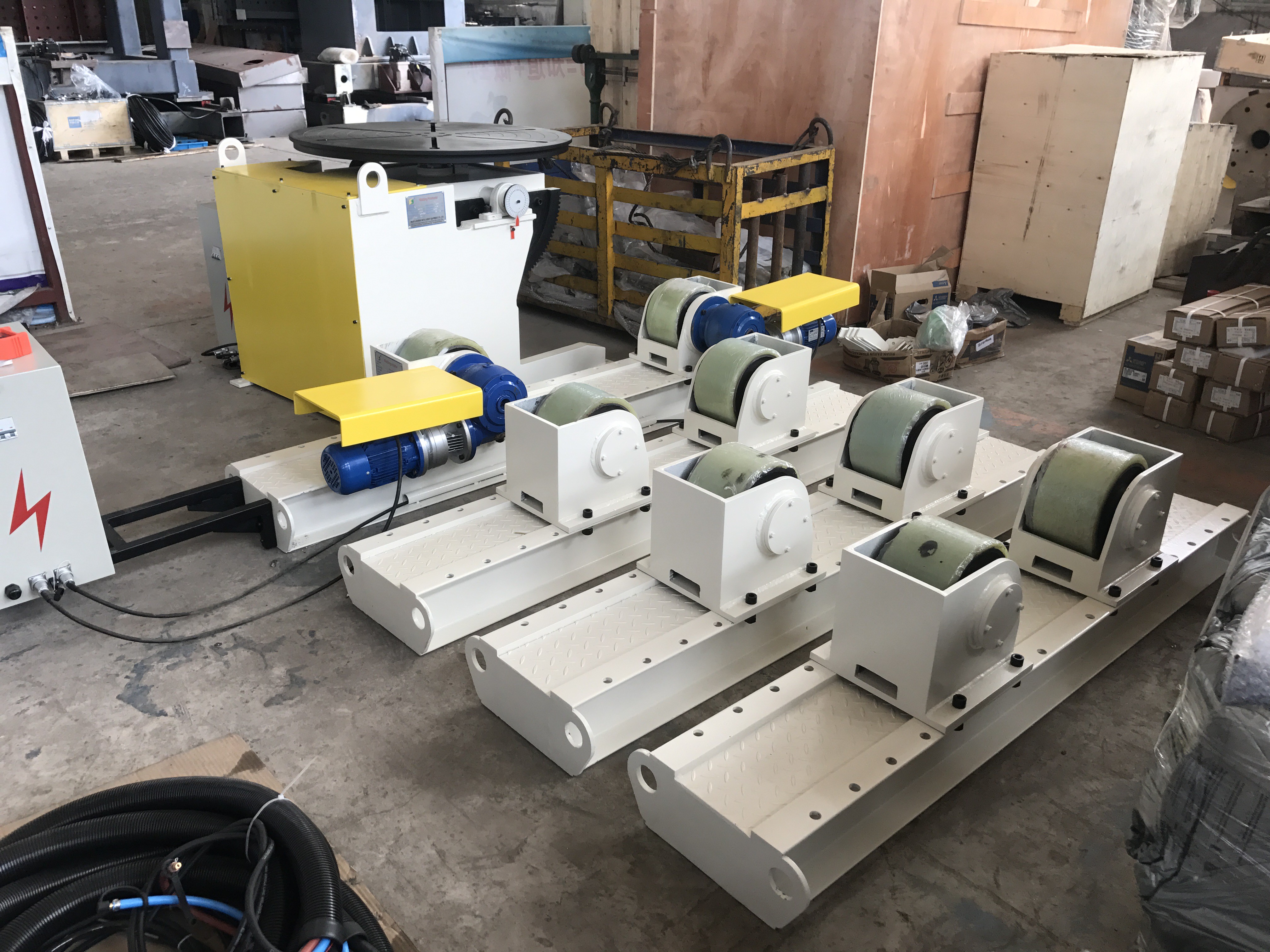
For technical evaluators comparing pipe and vessel turning solutions, a Bolt adjusting welding rotator is often the better fit when stability, load distribution, and precise alignment matter more than rapid wheel adjustment. It is especially suitable for handling heavy workpieces, variable diameters, and demanding welding environments where reliable support and controlled rotation directly affect weld quality, safety, and overall production efficiency.
Why Bolt adjusting welding rotator demand is becoming more selective
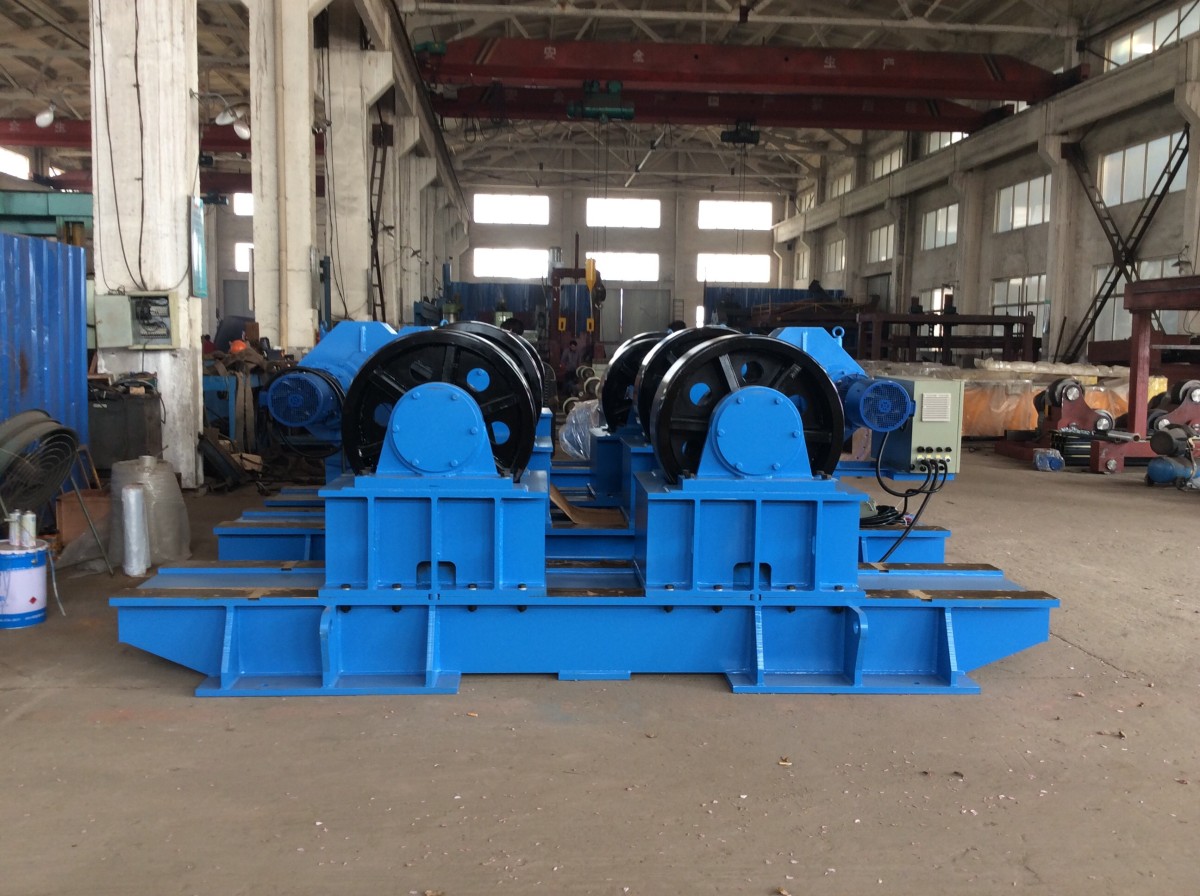
In metal fabrication, workpieces are getting larger, heavier, and more varied.
That shift changes how turning equipment is evaluated across welding lines.
A Bolt adjusting welding rotator is no longer judged only by price or speed.
It is increasingly chosen for predictable support, repeatable positioning, and safer rotation under high loads.
As vessel fabrication standards rise, alignment tolerance and weld consistency matter more than quick setup alone.
This is why the Bolt adjusting welding rotator often outperforms self-adjusting alternatives in controlled production environments.
Current signals show a stronger preference for stability over speed
Several market signals explain this selection trend in manufacturing and processing machinery.
- Heavier cylindrical parts require better wheel spacing control.
- Thicker wall sections need steadier rotation during multilayer welding.
- Projects with repeat dimensions benefit from fixed, locked adjustment positions.
- Higher quality demands reduce tolerance for slipping or uneven load transfer.
- Safety expectations push buyers toward more mechanically secure support systems.
These factors make the Bolt adjusting welding rotator a stronger match where process control matters more than frequent diameter switching.
When a Bolt adjusting welding rotator is the better fit
The best fit appears in applications that reward rigidity and precise load placement.
In these situations, a Bolt adjusting welding rotator supports weld penetration consistency and smoother seam tracking.
What is driving this equipment choice across fabrication lines
The shift is not random. It reflects changing production priorities.
- More projects involve oversized parts with high center-of-gravity concerns.
- Welding automation requires steadier rotation input for reliable torch travel.
- Rework costs have become more visible in project profitability.
- Inspection standards reward roundness control and seam consistency.
- Lifecycle value is increasingly favored over short-term convenience.
This same logic affects surrounding equipment choices.
For example, accurate holemaking on medium and large-sized metal parts also depends on stable machine structures.
That is why some workshops pair rotator investments with tools like the Radial drilling machine.
Models such as Z3032 to Z3080 cover drilling diameters from 32 mm to 80 mm.
They also support reaming, boring, tapping, and ±180º swivel arm rotation for flexible processing.
How the trend affects production quality, safety, and workflow
A Bolt adjusting welding rotator influences more than turning speed.
It can improve bead uniformity by reducing micro-movement during rotation.
It also helps maintain a more balanced contact pattern between wheels and workpiece.
From a safety angle, secure adjustment lowers the risk of unstable rolling on heavy cylindrical sections.
From a workflow angle, fixed settings support repeatable job preparation for similar part families.
This reduces operator correction time and can simplify quality verification.
What should be evaluated before choosing a Bolt adjusting welding rotator
- Actual workpiece weight, not only nominal capacity.
- Diameter range and how often it changes.
- Surface condition and expected friction behavior.
- Required alignment precision for root pass and final pass welding.
- Integration with manipulators, welding columns, or automated controls.
- Maintenance accessibility and long-term workshop durability.
A good decision compares operating conditions, not just catalog descriptions.
A practical next step for better equipment matching
Review part sizes, welding duration, batch repeatability, and alignment risk together.
If rotation stability and secure support rank above fast wheel adjustment, a Bolt adjusting welding rotator is likely the better fit.
Wuxi Armada International Trade Co., Ltd supplies welding and metalworking equipment built around ISO9001 management and EU CE-oriented standards.
For projects involving automatic welding systems, CNC equipment, and heavy fabrication machinery, detailed technical matching will create better long-term results.
The right Bolt adjusting welding rotator should ultimately improve weld quality, workshop safety, and production efficiency at the same time.
