




When an Automatic Tank Welding Manipulator Improves Weld Consistency
— —
When an Automatic Tank Welding Manipulator Improves Weld Consistency
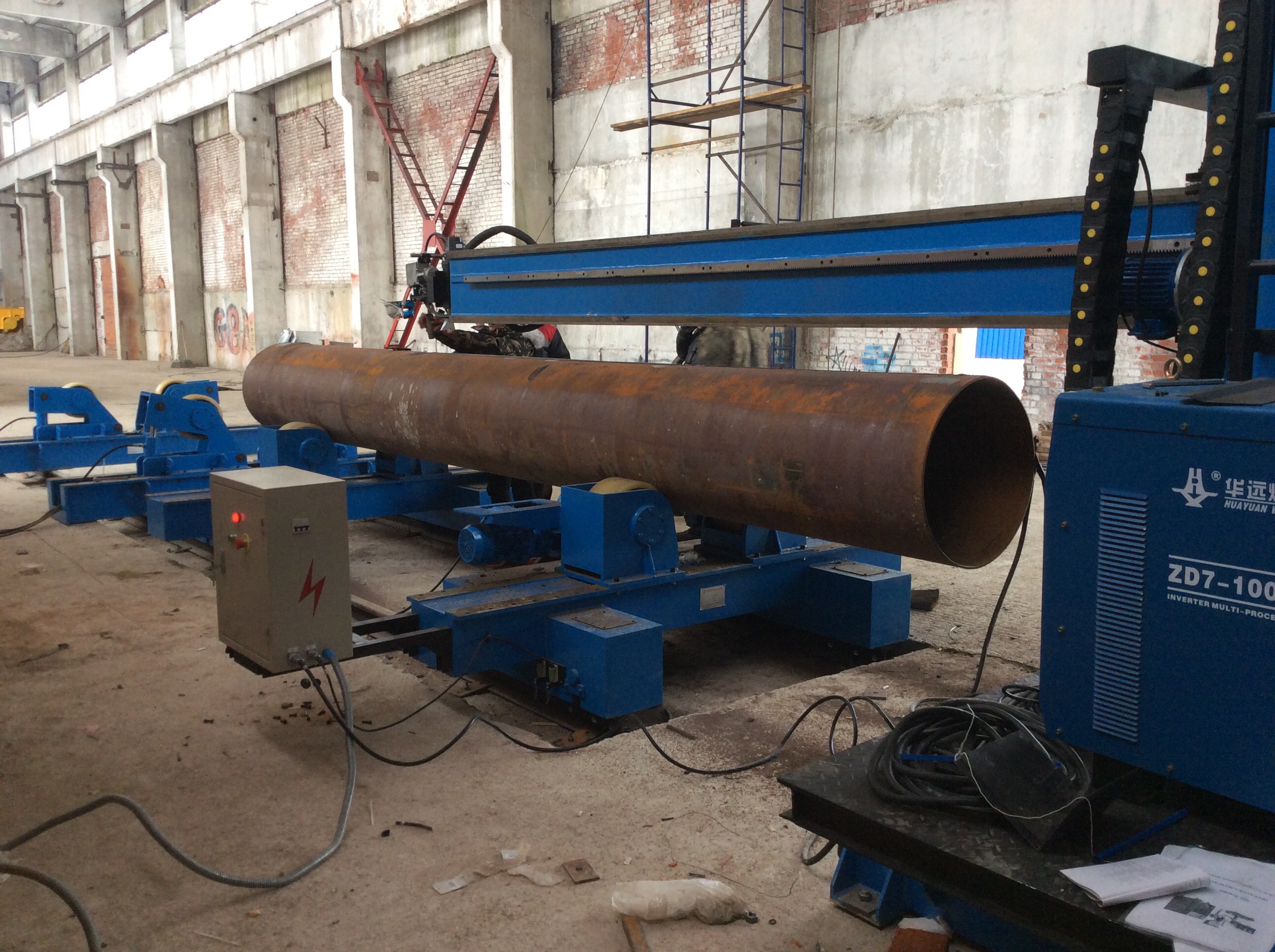
For quality control and safety managers, maintaining uniform welds on storage tanks is critical to preventing leaks, rework, and compliance risks. An Automatic Tank welding manipulator improves weld consistency through stable torch travel, accurate positioning, and repeatable seam control. It supports safer fabrication, better surface finish, and more predictable production results on large tank projects.
What does an Automatic Tank welding manipulator actually improve?
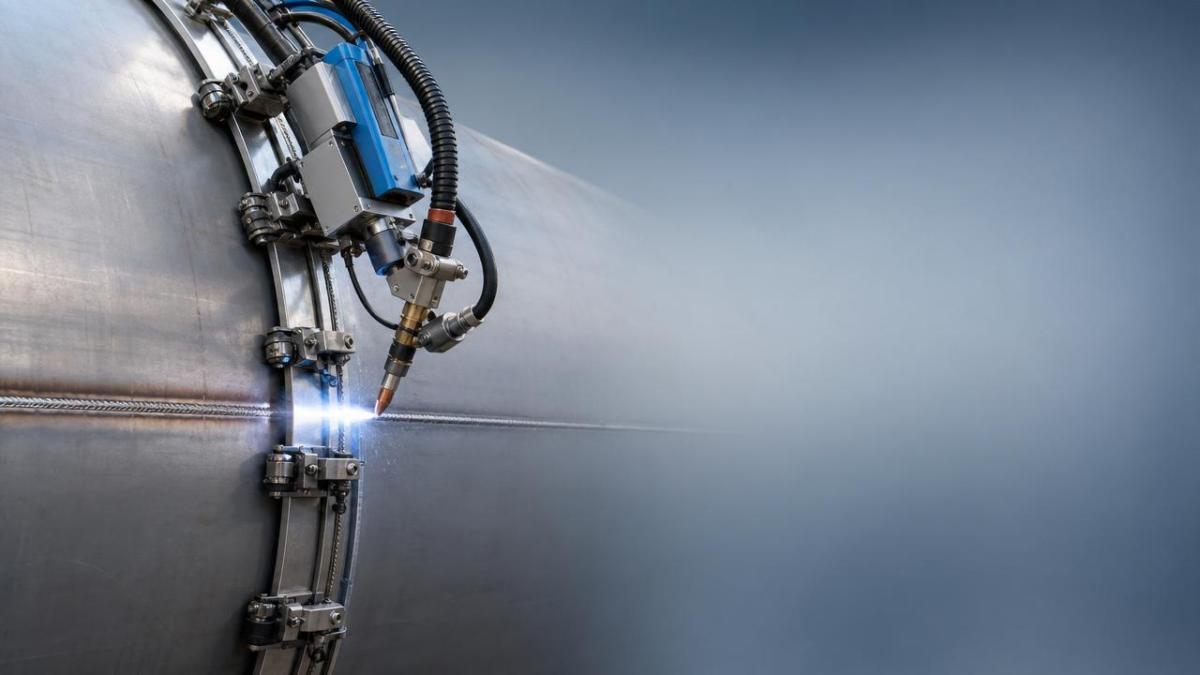
The main improvement is repeatability. Manual welding often varies with operator angle, travel speed, and fatigue. Automated movement keeps those variables under tighter control.
An Automatic Tank welding manipulator helps maintain a constant arc length and smoother torch path. That reduces uneven bead shape, undercut, overlap, and inconsistent penetration.
On circumferential or longitudinal tank seams, consistency matters more than peak speed. Stable welding quality lowers repair rates and supports pressure integrity requirements.
In fabrication workshops, this also improves documentation. Process parameters become easier to standardize, compare, and validate against ISO9001 and CE-oriented quality expectations.
Which tank and vessel applications benefit most?
The best results appear on large-diameter tanks, repeated batch production, and long continuous seams. These jobs demand uniform motion over distances that challenge manual consistency.
Common applications include petrochemical vessels, water storage tanks, solar water heater cylinders, pipelines, and selected automotive components with straight seam requirements.
A useful supporting solution is the Longitudinal seam welding machine. It is designed for straight seam work in industries such as petrochemical processing, pipeline production, and solar water heater manufacturing.
Available models include ZF-1000 through ZF-3000. Welding lengths reach up to 3000 mm, with material thickness from 1 mm to 8 mm.
Its pneumatic key-type clamping structure distributes force evenly. That helps prevent workpiece deformation, a major cause of inconsistent seam geometry.
How does this equipment create more consistent welds than manual methods?
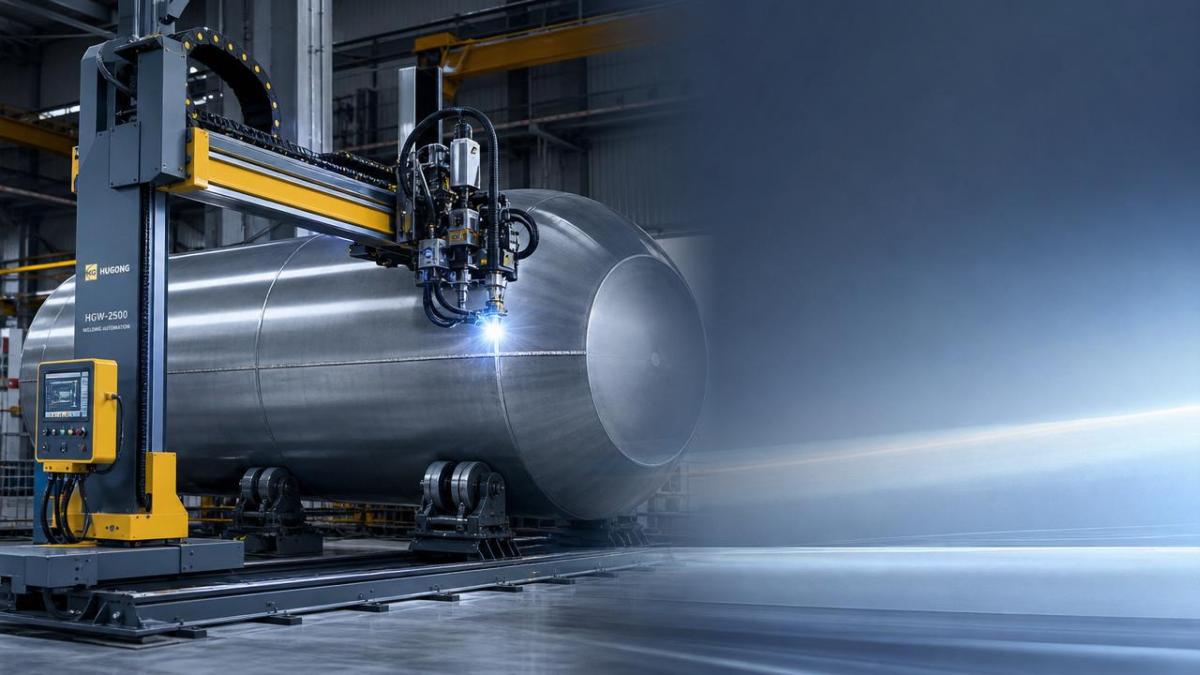
Consistency comes from controlled motion and reliable fixturing. A good Automatic Tank welding manipulator combines both, rather than relying only on torch automation.
Key technical factors usually include:
- Steady travel speed without sudden acceleration
- Accurate torch alignment along the seam centerline
- Uniform clamping to minimize gap variation
- PLC-based control for repeatable settings
- Smooth drive systems that reduce vibration
For example, DC motor or servo-driven torch movement supports stepless speed regulation. Gear rack transmission and ground track surfaces can further improve motion stability.
Some systems also support argon welding, submerged arc welding, gas shielded welding, and plasma welding. Process flexibility helps maintain quality across different materials and joint designs.
What should be checked before choosing an Automatic Tank welding manipulator?
Selection should start with the real weld task, not the machine size alone. The wrong match can reduce the expected consistency benefit.
It is also wise to verify minimum and maximum diameter limits, welding length, and usable speed range. These values directly affect production suitability.
What common mistakes reduce weld consistency after installation?
A frequent mistake is assuming automation removes all process variation. Poor joint preparation still causes inconsistent penetration and bead appearance.
Another issue is weak clamping. If the workpiece shifts or distorts, even a precise Automatic Tank welding manipulator cannot keep the seam perfectly stable.
Parameter copying is also risky. Settings that work on one tank diameter or thickness may fail on another without adjustment.
Maintenance matters too. Worn tracks, unstable cable routing, and inconsistent gas supply can gradually reduce weld quality without obvious warning.
How should implementation be planned for better results?
Start with a sample production run. Measure bead uniformity, distortion, repair rate, and welding time before and after automation.
Create standard procedures for fit-up, clamping pressure, torch position, and speed ranges. This turns equipment capability into repeatable factory performance.
When straight seam work is frequent, a second integrated option may be the Longitudinal seam welding machine. Features such as PLC control, optional oscillator, and copper template back protection support neat weld formation.
Wuxi Armada International Trade Co., Ltd supplies welding and metalworking equipment with broad export experience. Its product portfolio covers welding automation, CNC machines, robots, cutting systems, and beam production equipment.
If weld uniformity, safety, and throughput need improvement, evaluating an Automatic Tank welding manipulator is a practical next step. Review seam type, tank dimensions, deformation risk, and control requirements, then compare equipment against actual production targets.
