




What defines a reliable welding rotator manufacturer today
— —
What defines a reliable welding rotator manufacturer today
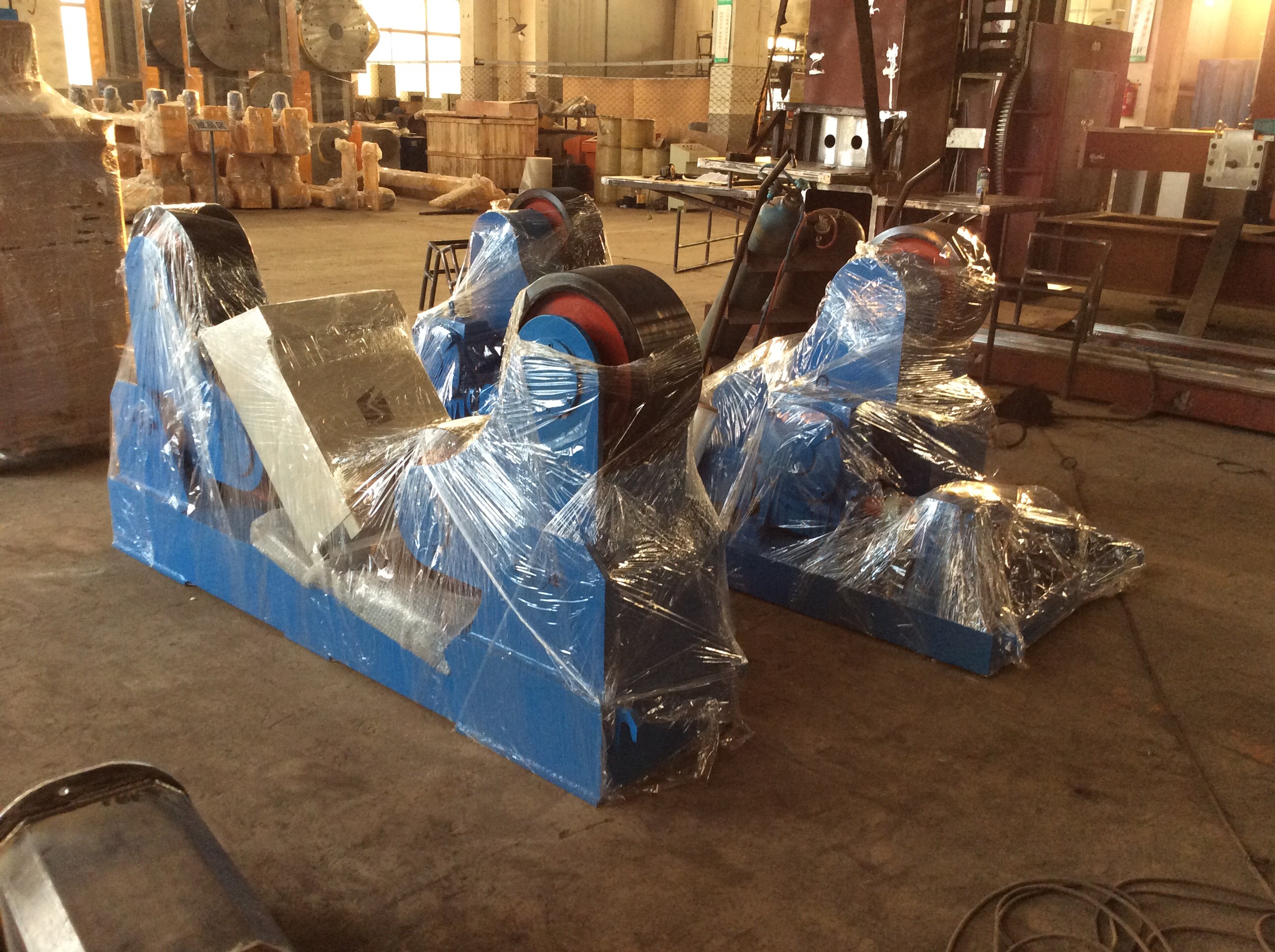
Choosing a reliable Welding rotator manufacturer today means looking beyond price to evaluate engineering strength, quality standards, customization capability, and global service support. For business evaluators in the manufacturing machinery sector, the right supplier should combine proven production experience, stable product performance, and compliance with international requirements to reduce risk and improve long-term investment value.
How should business evaluators judge a Welding rotator manufacturer?
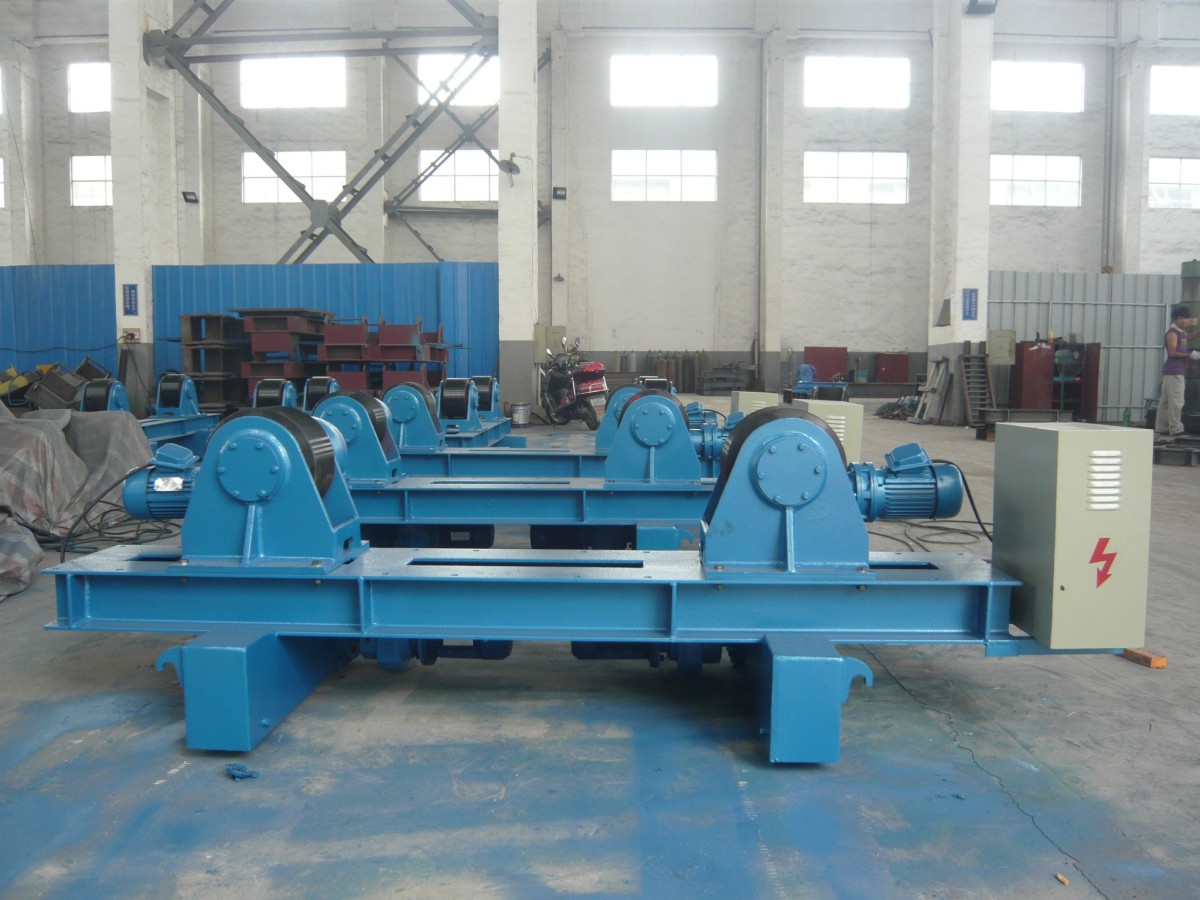
In heavy fabrication, pressure vessel production, steel structure assembly, and pipe welding, a Welding rotator manufacturer affects more than equipment supply. The manufacturer influences weld quality consistency, operator efficiency, spare parts availability, and long-term maintenance cost.
That is why procurement teams increasingly assess supplier depth instead of comparing quotations only. A low initial purchase price can become expensive if the machine lacks load stability, control precision, or after-sales responsiveness.
- Engineering capability: Can the supplier match turning capacity, roller layout, control mode, and integration requirements to the workpiece?
- Manufacturing discipline: Are production and inspection organized under recognized quality procedures such as ISO9001?
- Compliance readiness: Can the supplier support CE-related expectations and standard export documentation where required?
- Service continuity: Can the manufacturer respond on commissioning, wear parts, electrical troubleshooting, and operator guidance?
For evaluators, reliability is measurable. It appears in design details, documentation quality, communication speed, and the supplier’s ability to recommend a complete welding handling solution rather than a single machine.
What separates a dependable supplier from a trading-only source?
The table below highlights the practical checkpoints that help identify whether a Welding rotator manufacturer can support industrial purchasing decisions with lower execution risk.
This comparison matters in manufacturing machinery procurement because welding automation often sits inside a broader line. If the supplier cannot understand upstream and downstream equipment, hidden compatibility issues can delay installation and output.
Why do engineering range and complementary products matter?
A reliable Welding rotator manufacturer should not operate in a technical vacuum. Buyers often need coordinated equipment such as welding positioners, CNC cutting machines, welding robots, plate processing machines, or H-beam line equipment to achieve stable throughput.
Wuxi Armada International Trade Co., Ltd, established in 2012 in Wuxi, Jiangsu Province, works in this broader machinery environment. Its product scope covers automatic welding equipment, CNC cutting machines, milling machines, CNC machine tools, lathes, laser cutting machines, H-beam production lines, bending machines, shearing machines, plate rolling machines, leveling machines, deburring machines, pipe benders, thread rolling machines, and edge processing equipment.
For evaluators, this wider portfolio is useful because it supports solution matching. A project involving circumferential welding may benefit from both a rotator and an Welding positioner depending on weld access, part geometry, and operator workflow.
A practical example of inserted solution value
In many fabrication workshops, rotating the vessel is not enough. Flanges, branch pipes, irregular frames, or offset components may require tilting and precise angular control. In such cases, a positioner with VFD rotation, 0 to 90 degrees or up to 120 degrees tilting, and wireless remote operation can improve weld accessibility and reduce repeated crane handling.
Available models such as HB-1, HB-3, HB-6, HB-10, HB-20, and larger units up to HB-500 cover rated load capacities from 100 kg to 50000 kg. This kind of range allows a buyer to align table diameter, tilting angle, motor power, and eccentric load conditions with actual production needs instead of overbuying or undersizing.
Which technical details should procurement teams verify first?
When reviewing a Welding rotator manufacturer, business evaluators should request technical confirmation beyond catalog language. The most common purchasing error is to approve load capacity without checking workpiece balance, roller adjustment, control type, and production rhythm.
The following selection table shows which parameters have the biggest impact on machine suitability and commercial risk.
These details also apply when comparing auxiliary equipment. For example, if a project requires tilting and indexed welding positions, a second look at an integrated handling setup with forged gear transmission, T-slot worktable fixing, and configurable control options may lower labor input and shorten setup time.
What compliance and export factors reduce procurement risk?
For international buyers, a capable Welding rotator manufacturer should understand both machine performance and transaction execution. This includes drawings, manuals, nameplate details, electrical documentation, protective packing, and communication suitable for overseas installation.
- ISO9001-based production organization helps standardize process control and inspection discipline.
- CE-oriented design thinking is important for buyers serving Europe or using EU-style compliance frameworks.
- Export experience to Southeast Asia, Europe, North and South America, and Oceania usually improves packaging, document handling, and response to localized requirements.
Wuxi Armada emphasizes production and design according to ISO9001 quality system certification and EU CE standards. For evaluators, this supports a more disciplined review path when delivery reliability and documentation quality are part of the approval process.
Common questions buyers ask before approving a Welding rotator manufacturer
How do I compare two suppliers if both meet the basic specification?
Compare response depth, not just specification sheets. Ask each supplier to explain drive configuration, control logic, spare parts strategy, delivery scope, and how the machine will behave under your actual workpiece dimensions and welding sequence.
What is the most overlooked risk in welding handling equipment purchasing?
Mismatch between nominal capacity and real operating condition. Eccentric load, large diameter parts, and frequent starts and stops can change the requirement significantly. This is why a reliable Welding rotator manufacturer asks for detailed part information early.
When should a buyer consider a positioner instead of only a rotator?
Consider it when the workpiece needs controlled tilting, face access, angular positioning, or fixture mounting on a table. Models from 100 kg to 20000 kg are common for many fabrication tasks, while larger solutions are available for heavier assemblies.
What service questions should be discussed before placing an order?
Clarify drawing confirmation, production lead time, test procedure, packing method, electrical standard, spare parts list, remote guidance, and whether customization is needed for voltage, control accessories, or workpiece-specific fixtures.
Why choose us for welding handling and fabrication machinery sourcing?
For business evaluators, the best supplier is one that reduces uncertainty across technical review, procurement coordination, and after-sales communication. Wuxi Armada combines machinery sourcing experience with a broad equipment portfolio relevant to welding, cutting, forming, and structural fabrication applications.
If you are assessing a Welding rotator manufacturer, you can consult us on key points that directly affect purchasing decisions: parameter confirmation, model selection, matching of rotators with positioners or robotic welding cells, delivery cycle, voltage customization, certification expectations, packing for export, and quotation communication for complete line solutions.
A focused technical discussion at the inquiry stage can save weeks later. Share your workpiece weight, diameter range, welding process, plant power standard, and target market requirements, and we can help narrow down a practical, lower-risk equipment plan.
