




What affects space frame welding machine prices most?
— —
What affects space frame welding machine prices most?
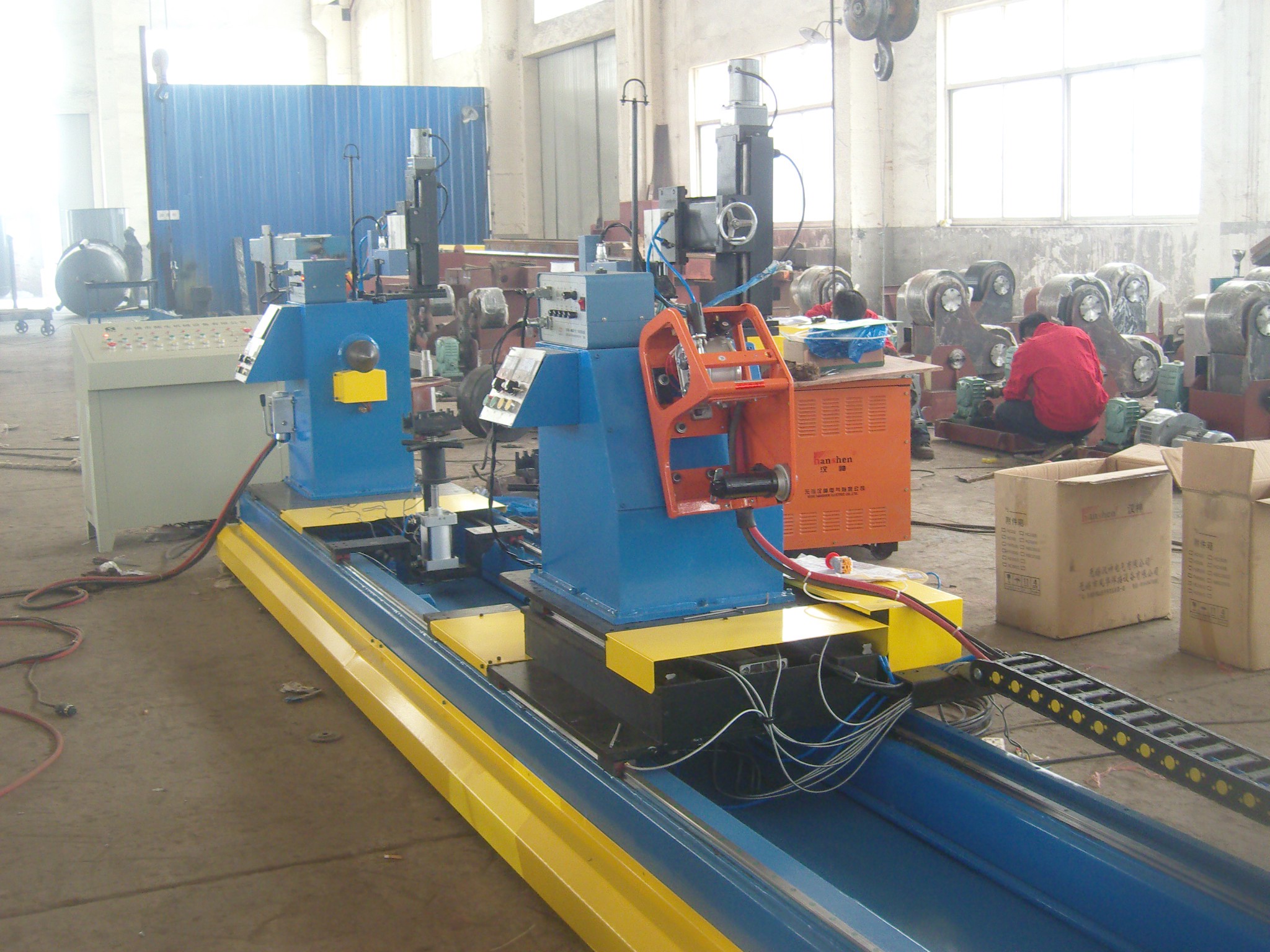
For financial decision-makers, Space frame welding machine pricing is shaped by more than the initial quote. Automation level, welding accuracy, production capacity, material compatibility, certification standards, and long-term maintenance costs all influence the total investment. Understanding these key factors helps buyers compare suppliers more confidently, control budget risk, and choose equipment that delivers stronger value over time.
In metal fabrication and structural production, a Space frame welding machine is usually evaluated not only by engineering teams, but also by finance managers who must justify capital expenditure, predict operating costs, and reduce procurement risk. That makes price analysis a cross-functional task involving output targets, compliance requirements, labor savings, and expected service life.
For companies sourcing from experienced machinery suppliers such as Wuxi Armada International Trade Co., Ltd, the discussion often goes beyond equipment cost alone. Buyers also compare production stability, export standards, spare parts support, lead time, and whether the machine fits a broader manufacturing line that may include CNC cutting, robotic welding, milling, or thread rolling equipment.
The Main Cost Drivers Behind a Space Frame Welding Machine
The price gap between two Space frame welding machine options can be significant, sometimes varying by 20% to 50% depending on configuration. In most projects, the largest cost drivers are automation level, welding accuracy, structural size range, duty cycle, and software complexity.
Automation level and labor reduction
A semi-automatic unit usually has a lower entry price than a fully automated line, but it may require 2 to 4 operators per shift rather than 1 to 2. For finance teams, this changes the real payback calculation. A higher-priced automated machine can reduce manual positioning, improve consistency, and lower rework over a 3 to 5 year period.
Why this matters to budget approval
- Lower labor dependency during peak production months
- Reduced scrap caused by alignment or weld repeatability issues
- More predictable output per 8-hour or 12-hour shift
- Better cost control when wages rise annually
Welding precision, fixture quality, and control systems
Higher precision usually means better fixture design, more stable motion control, and stronger frame rigidity. If the machine is expected to hold tight dimensional tolerances such as ±0.5 mm to ±1.0 mm across repeated joints, the cost will rise because the hardware, sensors, and calibration process become more demanding.
For buyers serving export markets, tighter consistency can also reduce downstream correction time. This is particularly important when the welded frame must match pre-cut tubes, CNC-machined components, or robotic assembly steps.
Capacity, material range, and duty cycle
A machine built for light, intermittent production will cost less than one designed for multi-shift industrial use. If your plant runs 16 to 20 hours per day, the power system, cooling design, and mechanical durability must support that workload. Material range also matters. Equipment designed for multiple profiles, wall thicknesses, or steel grades generally carries a higher price because flexibility requires stronger engineering.
The table below shows how common specification choices influence price and long-term financial impact.
For finance approval, the key takeaway is simple: the cheapest machine on paper may become the most expensive if it creates bottlenecks, quality claims, or excessive manual intervention. Price should be tested against annual output, labor structure, and expected machine utilization.
Hidden Costs That Change the Real Investment
When comparing a Space frame welding machine, many buyers focus on the quotation itself and overlook the costs that appear after installation. In practice, these hidden items often account for 10% to 30% of the project budget during the first 12 months.
Installation, training, and commissioning
Commissioning can take 3 to 10 days depending on machine complexity, fixture quantity, and whether on-site welding samples are required. If the supplier provides operator training, process parameter support, and remote troubleshooting, the startup period is usually shorter and production stabilizes faster.
Spare parts, maintenance intervals, and service response
Finance teams should ask how often consumables and key parts need replacement. A lower-cost machine with short maintenance intervals may disrupt output every 2 to 3 months, while a stronger industrial build may need only routine checks plus planned service at 6-month or 12-month intervals.
Four questions worth asking suppliers
- What spare parts are included in the base quotation?
- What is the normal lead time for wear components: 7 days, 15 days, or longer?
- Is remote diagnosis available for electrical or PLC issues?
- What production data or acceptance records are provided at handover?
Certification and export compliance
If the equipment will be imported into Europe or used by multinational buyers, CE-related design, electrical documentation, and safety protection may add to the initial cost. However, this can reduce customs friction, internal audit risk, and future retrofit spending. Suppliers that organize production according to ISO9001 systems generally offer stronger process consistency as well.
The table below helps financial reviewers compare visible and hidden cost items before purchase approval.
A clear cost map reduces approval delays. It also helps finance, operations, and purchasing teams compare suppliers on the same basis rather than reacting only to a low ex-works number.
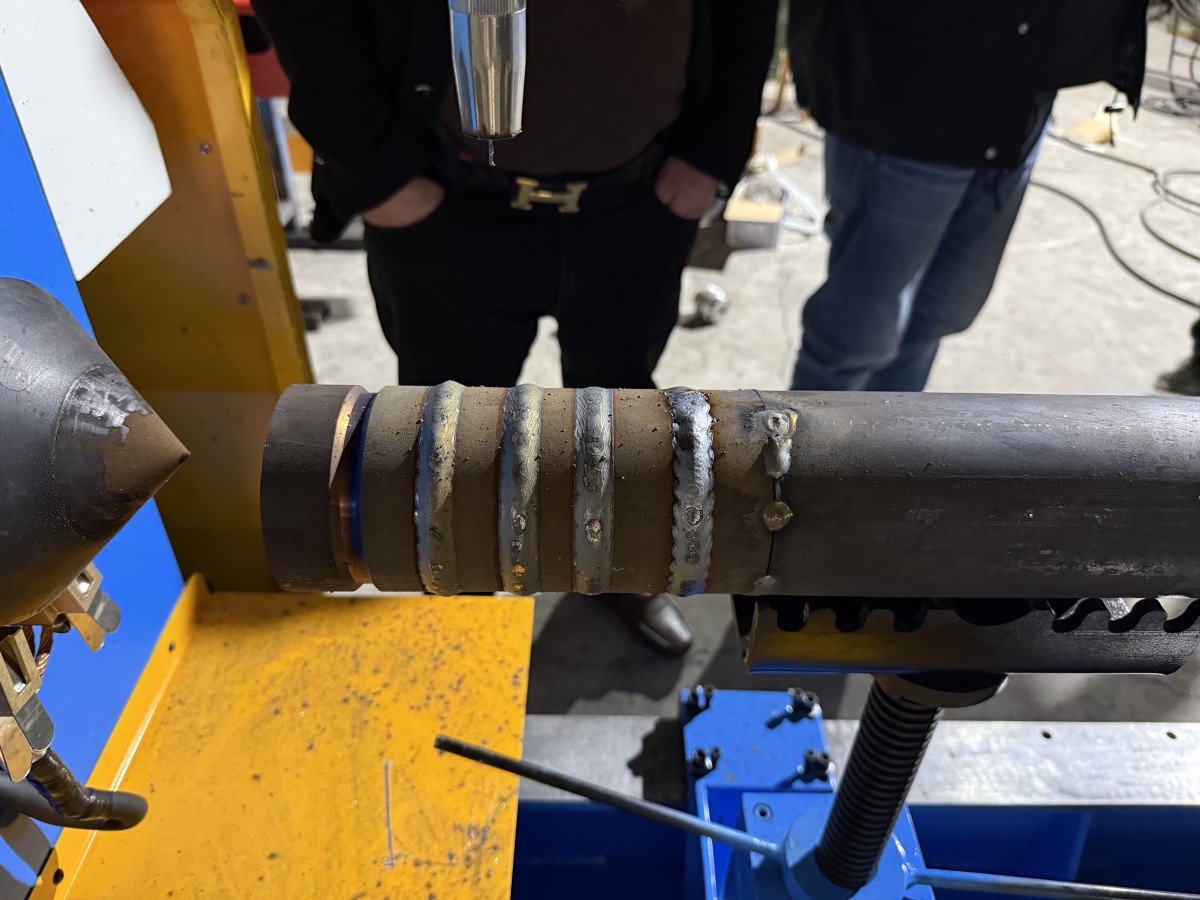
How Financial Buyers Should Evaluate Supplier Quotations
A strong quotation review process usually includes at least 5 checkpoints: technical scope, output assumptions, warranty terms, service capacity, and total operating cost. This makes Space frame welding machine selection more objective and less dependent on sales language.
Match the machine to annual output, not just unit price
If your factory produces low volume and many design variations, a flexible configuration may create better value than a fully customized high-speed line. On the other hand, for repetitive production above several thousand assemblies per year, automation usually improves cost recovery and planning stability.
Check line integration and adjacent equipment planning
Many manufacturers do not buy one machine in isolation. A welding cell may sit alongside CNC cutting systems, robotic handling, end face milling units, or thread rolling machines. In such cases, compatibility with existing power supply, workshop layout, data control, and material flow can influence the true cost as much as the machine itself.
For example, companies in the construction industry often pair frame fabrication with fastening or threaded component production. In that context, equipment such as the Z28-150 thread rolling machine may also be evaluated during line planning. Its rolling material diameter range of Φ6–Φ50 mm for radial feed, maximum rolling pressure of 180KN, spindle speeds of 36, 47, 60, and 78 r/min, and 5.5 kW active power show how buyers compare throughput, power load, and process automation across related metalworking assets.
Useful quotation review checklist
- Compare quoted output under the same weld size and material thickness
- Confirm accepted material types and dimensional range
- Request a list of included electrical brands and control components
- Verify warranty duration and excluded consumables
- Ask for sample acceptance standards before shipment
- Estimate annual maintenance budget as a percentage of machine value
Suppliers with broad machinery experience can be especially useful here. Wuxi Armada International Trade Co., Ltd has been engaged in mechanical equipment supply since 2012 and covers multiple fabrication categories, from automatic welding equipment and CNC cutting machines to laser cutting systems, lathes, plate processing machines, and thread rolling solutions. That wider product understanding can help buyers evaluate line compatibility instead of making a narrow single-machine decision.
Common Pricing Mistakes and Better Buying Strategies
One common mistake is assuming that all Space frame welding machine quotations describe the same scope. In reality, fixture count, software functions, safety guarding, transformer capacity, and commissioning support may differ considerably. A price difference of 15% may reflect missing items rather than a true supplier advantage.
Mistake 1: comparing incomplete quotations
Always request a line-by-line breakdown. Finance teams should identify what is included in the base machine, what is optional, and what may be invoiced later. This avoids budget overruns after deposit payment or prior to shipment.
Mistake 2: ignoring lifecycle cost
A lower quote can still produce a weaker return if downtime is frequent, spare parts are difficult to source, or yield loss remains high. Even a 3% to 5% increase in rework can materially affect annual profitability in batch fabrication.
Mistake 3: buying too much or too little capacity
Over-specification ties up capital and extends payback. Under-specification creates expansion pressure within 12 to 18 months. The best buying strategy is to align machine size with realistic production forecasts, labor availability, and quality requirements for the next 2 to 3 years.
Space frame welding machine prices are affected most by the factors that shape real manufacturing value: automation, precision, throughput, compliance, and serviceability. Financial decision-makers who review both initial quotation and lifetime operating cost are better positioned to control risk and approve the right investment.
If you are comparing suppliers for welding, cutting, rolling, or broader fabrication equipment, working with an experienced machinery partner can simplify technical review and purchasing coordination. Contact Wuxi Armada International Trade Co., Ltd to discuss your production targets, request a tailored solution, or get more details on equipment selection and related manufacturing systems.
