




What a Reliable Welding Manipulator Factory Should Show You
— —
What a Reliable Welding Manipulator Factory Should Show You
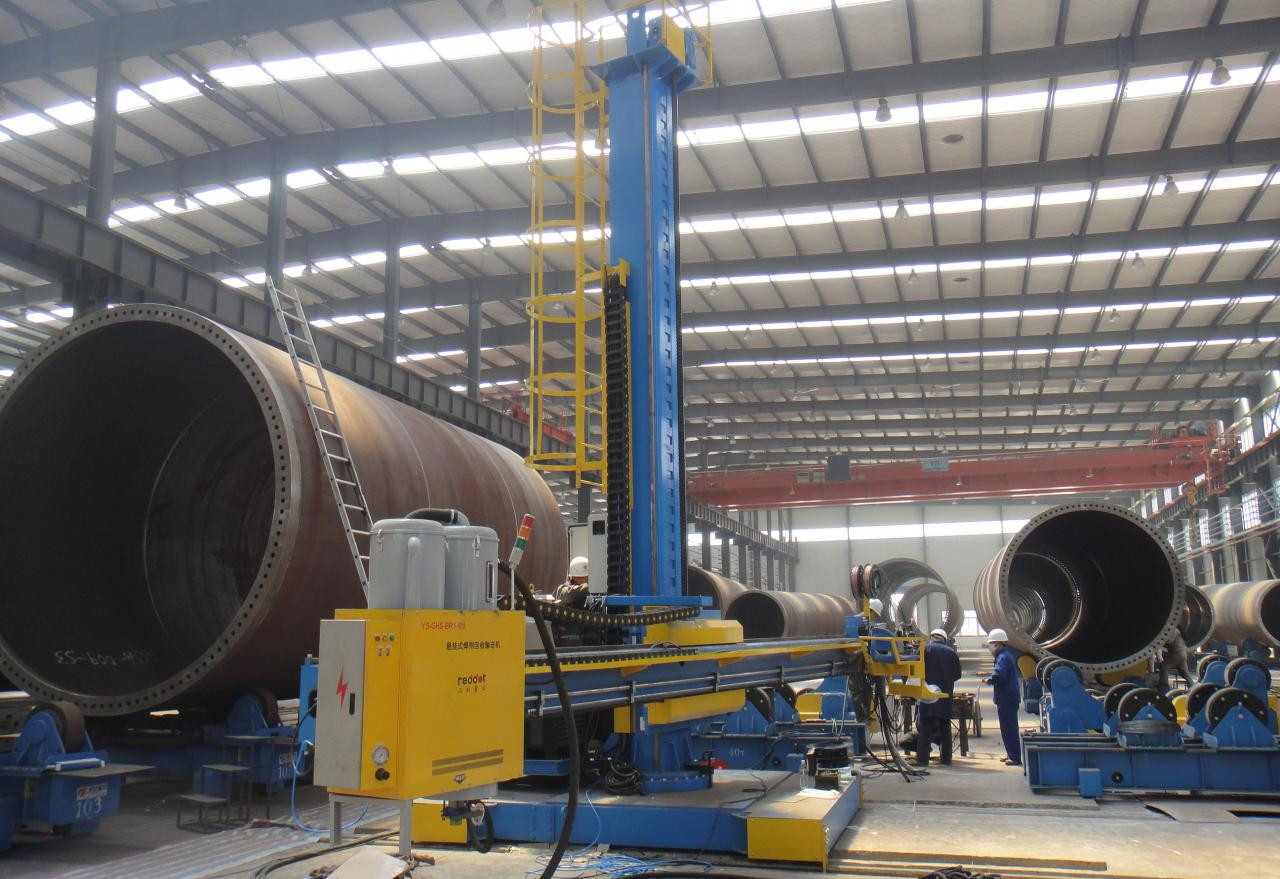
When evaluating a Welding manipulator factory, buyers need more than a product catalog—they need clear proof of engineering strength, quality control, compliance, and service reliability. For business assessment teams, the right factory should demonstrate not only advanced equipment and stable performance, but also real manufacturing experience, international standards, and the ability to support long-term project success.
What Business Evaluators Are Really Looking For
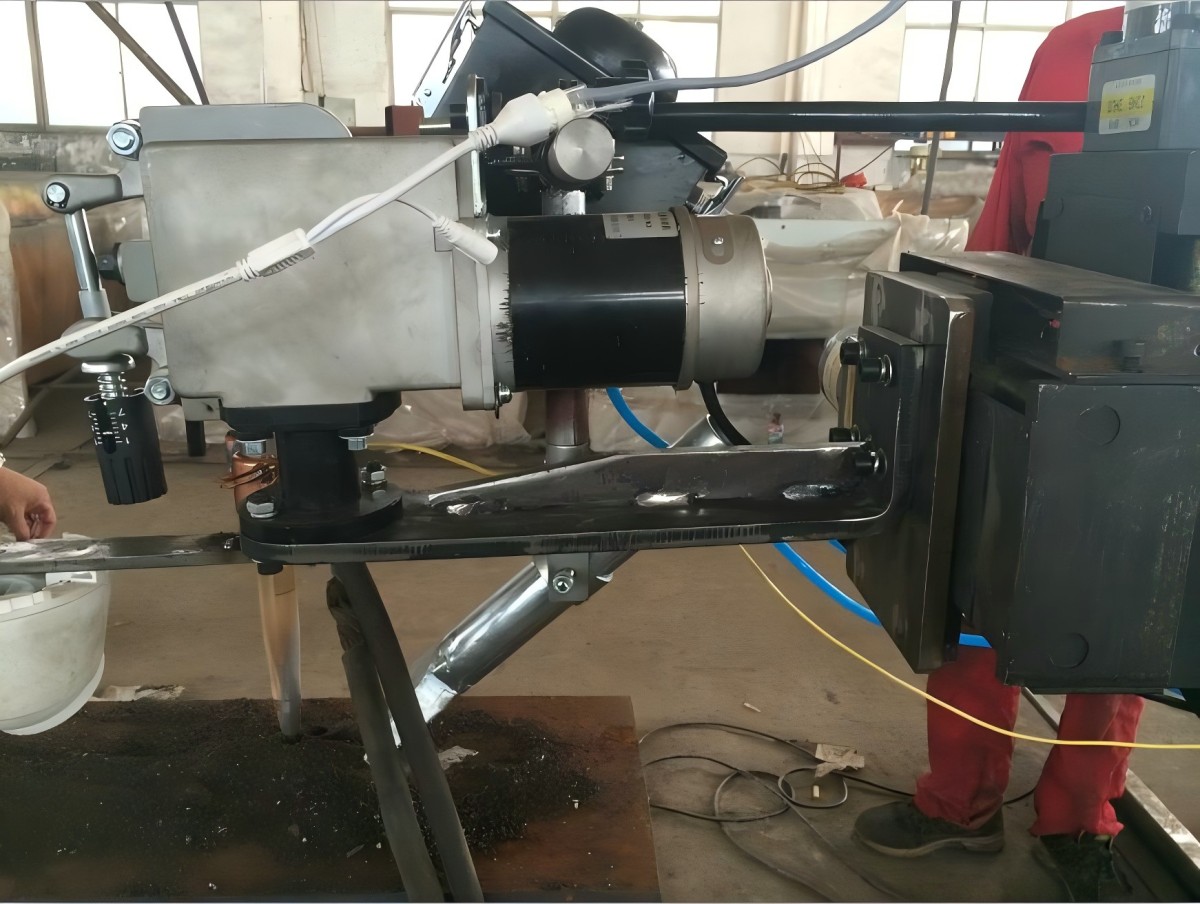
The core search intent behind “Welding manipulator factory” is practical supplier assessment. Buyers are not only looking for a machine maker, but for evidence that a factory can deliver consistent quality.
For assessment teams, the main question is simple: can this supplier support production goals, reduce project risk, and remain reliable after installation? A trustworthy factory should answer that clearly.
This means the evaluation should go beyond brochures. A reliable manufacturer should be able to show its workshop conditions, process controls, design capability, testing methods, export experience, and after-sales response structure.
Show Real Manufacturing Capability, Not Just Trading Language
A dependable Welding manipulator factory should clearly show whether it is a true manufacturing source, an integrated supplier, or mainly a trading company coordinating production resources.
That distinction matters because it affects lead time control, customization depth, quality consistency, and problem-solving speed. Business buyers need transparency about who designs, who builds, and who owns the process.
Strong factories usually provide workshop photos, equipment lists, assembly procedures, welding standards, machining resources, and demonstration of in-house testing. These details help evaluators verify real production capacity.
For example, companies with broad machinery experience often understand how upstream and downstream equipment must work together in actual fabrication lines, not only as isolated products.
Wuxi Armada International Trade Co., Ltd, based in Wuxi near Shanghai, operates in a wide machinery field that includes automatic welding equipment, CNC cutting systems, machine tools, welding robots, and H-beam production line equipment.
Engineering Depth Should Be Visible in the Discussion
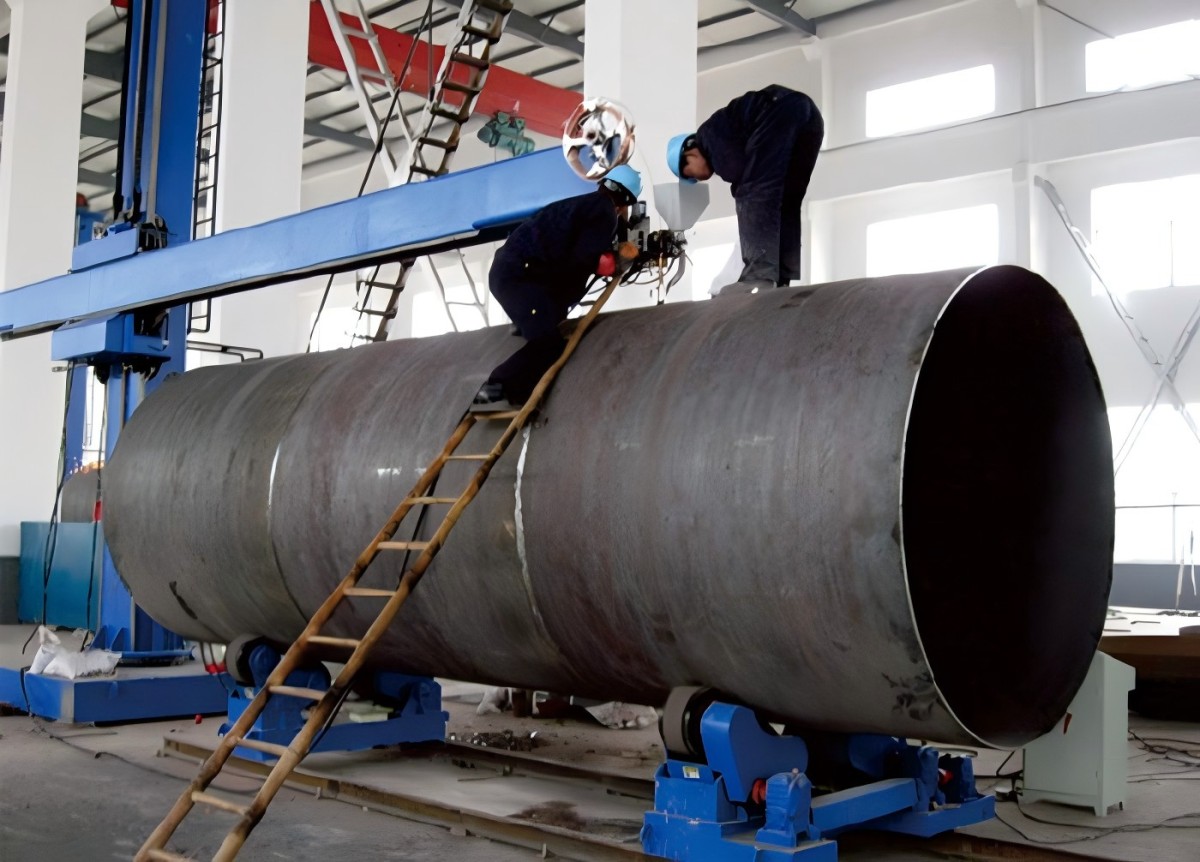
A serious factory should be able to discuss application details, not just quote prices. Evaluators should expect clear answers about load capacity, boom travel, column rotation, control systems, welding integration, and operator safety.
If the supplier cannot explain how the welding manipulator fits different workpieces, welding heads, positioners, or production rhythm, that is usually a warning sign.
Reliable engineering teams will also discuss customization boundaries. They should explain which parameters are standard, which are optional, and how modifications affect delivery, cost, maintenance, and long-term stability.
This is especially important for buyers comparing integrated metalworking solutions. A supplier familiar with bending, cutting, milling, and welding processes can often offer stronger line-level recommendations.
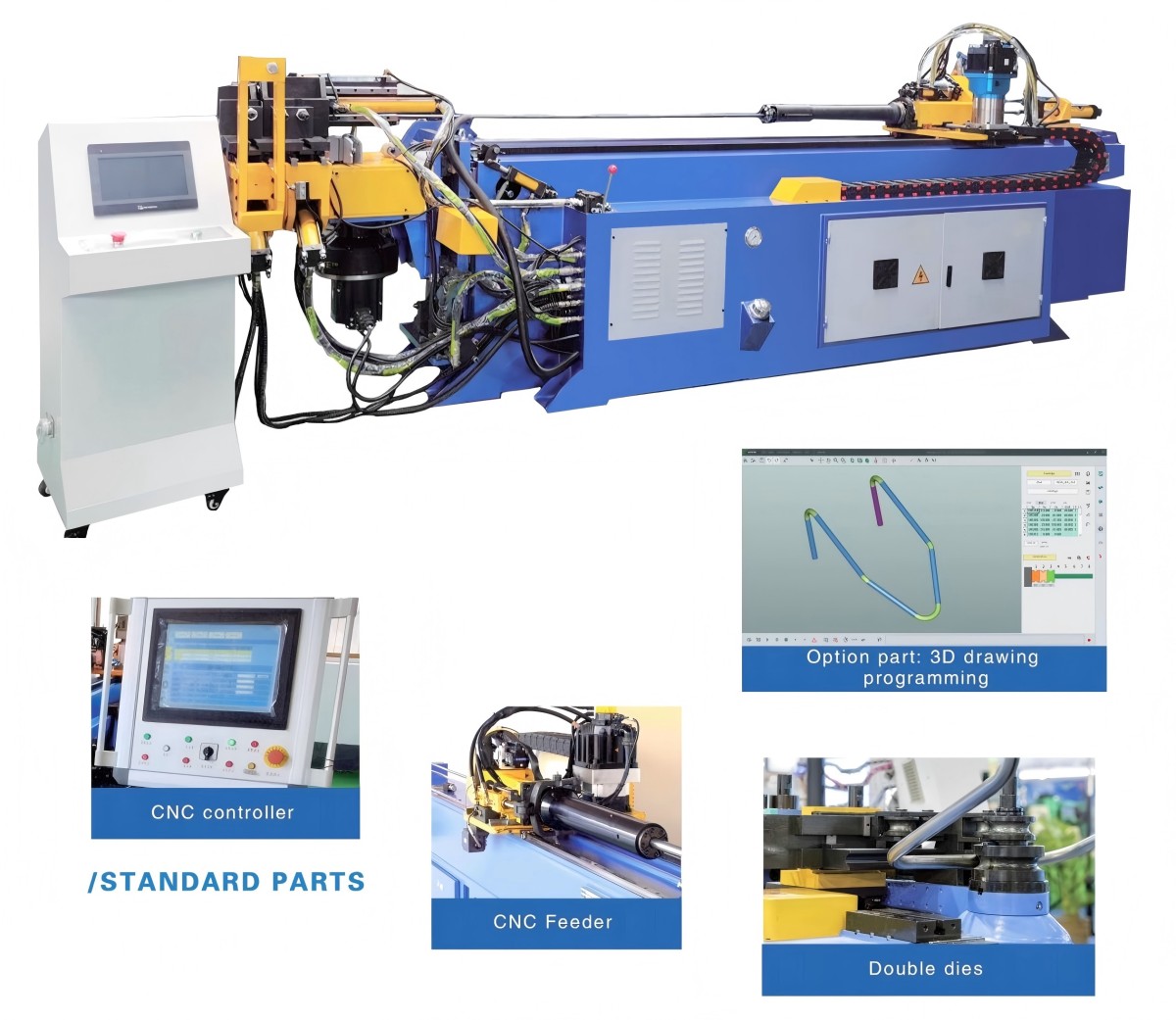
In some projects, buyers also review adjacent equipment such as the CNC hydraulic pipe bending machine, especially when planning broader fabrication capacity instead of a single welding unit purchase.
Quality Control Must Be Demonstrated with Process Evidence
One of the biggest concerns for business assessment teams is whether quality is built into the process or only checked at the end. Reliable factories should show documented inspection procedures.
This includes incoming material checks, fabrication tolerances, assembly inspection points, electrical verification, motion testing, and final performance validation before shipment.
ISO9001 alignment is useful, but evaluators should still ask how it is applied in daily operations. Good factories can explain who signs off each stage and how records are stored.
Suppliers that organize production according to ISO9001 quality systems and EU CE standards provide stronger confidence, especially for international buyers concerned with repeatability and compliance.
Just as with automated tube processing equipment using PLC control, servo feeding, data backup, and safety interlocks, process discipline matters because performance consistency depends on more than basic machine structure.
Compliance, Safety, and Export Readiness Matter More Than Many Buyers Expect
For overseas procurement, compliance is not a secondary issue. A reliable Welding manipulator factory should explain applicable standards, CE-related practices, electrical configuration options, and safety protection design.
Buyers should also confirm documentation support. This may include manuals, wiring diagrams, spare parts lists, inspection reports, packing plans, and installation guidance for destination markets.
Export experience adds real value because it reduces avoidable mistakes. Factories that have shipped to Southeast Asia, Europe, the Americas, and Oceania usually understand logistics, packaging, and communication expectations better.
That experience often translates into fewer delays, clearer technical coordination, and more practical support when customer teams need remote troubleshooting or commissioning assistance.
After-Sales Support Is Part of the Product
Many factory evaluations focus too heavily on purchase price and not enough on support quality. In reality, weak after-sales service can make an otherwise acceptable machine costly over time.
A reliable supplier should define response times, spare parts availability, warranty scope, remote service capability, and escalation procedures for urgent production issues.
Assessment teams should also ask who will provide support: factory engineers, regional partners, or sales staff. Clear responsibility is critical when equipment downtime affects delivery commitments.
Good suppliers usually combine technical seriousness with practical service habits. Honest communication, realistic timelines, and solution-oriented follow-up often signal a healthier long-term partnership.
How to Make a Confident Supplier Judgment
The best way to evaluate a Welding manipulator factory is to combine technical review, quality verification, compliance checks, and service assessment into one decision framework.
Do not rely on catalog language alone. Ask for workshop evidence, test records, exported project references, engineering communication, and a clear explanation of how the supplier manages risk.
If a factory can demonstrate manufacturing substance, documented quality control, international standard awareness, and dependable support, it is far more likely to protect your investment.
In short, a reliable factory should show proof, not promises. For business assessment teams, that is the difference between buying equipment and building a dependable production partnership.
