




Welding Positioner Selection Guide for Expanding Dealer Product Lines
— —
Welding Positioner Selection Guide for Expanding Dealer Product Lines
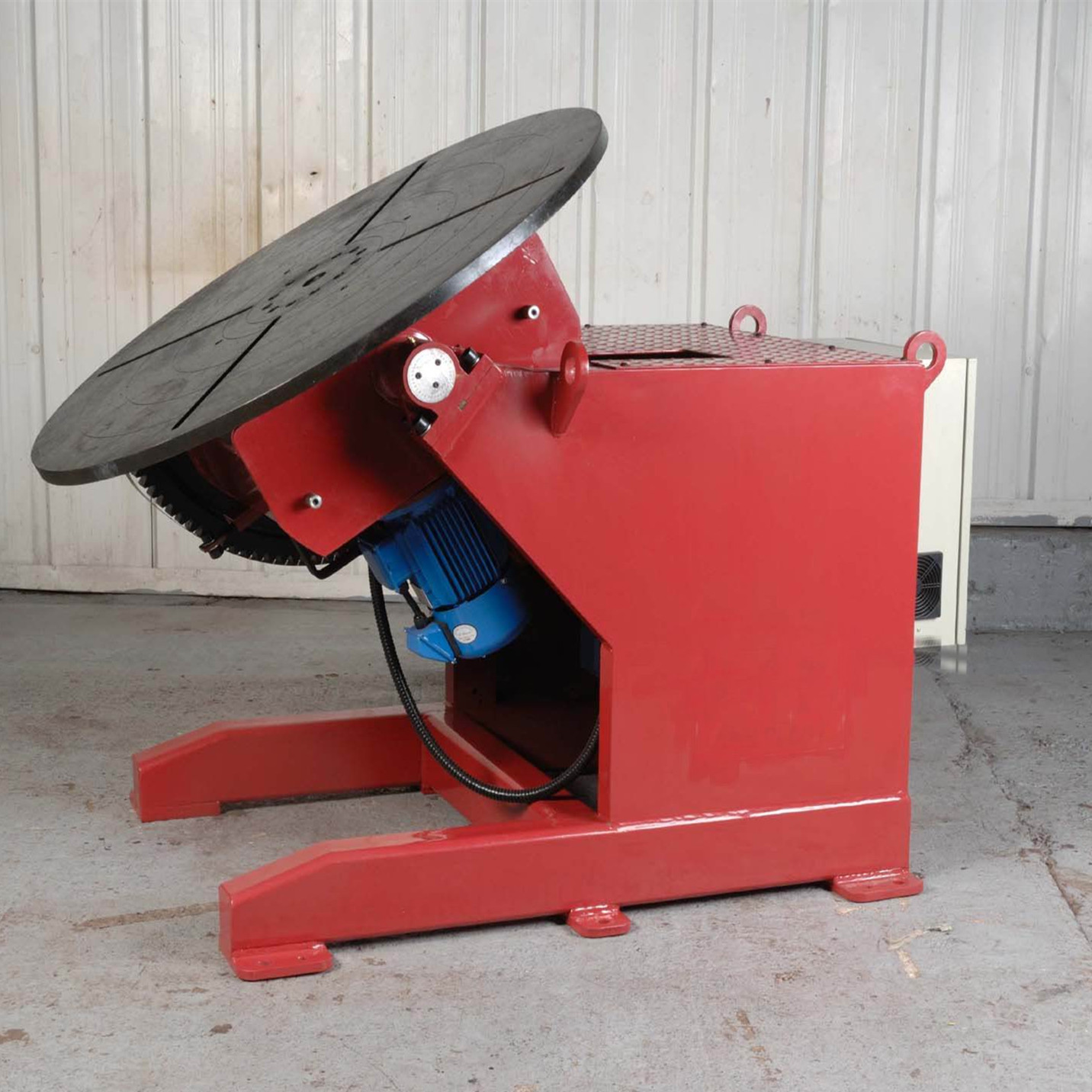
For dealers, distributors, and agents looking to expand profitable equipment portfolios, choosing the right Welding positioner is a smart strategic move. With rising demand for efficient, precise, and flexible welding solutions, understanding key selection factors can help you match customer needs, strengthen market competitiveness, and add reliable, high-value machinery to your product line.
In fabrication, pressure vessel work, steel structure production, and automated welding cells, a Welding positioner directly affects weld quality, operator efficiency, and project throughput. For channel partners, the challenge is not only selecting a machine that performs well, but also choosing configurations that fit local market demand, budget levels, and after-sales service capacity.
Wuxi Armada International Trade Co., Ltd, established in 2012 in Wuxi, Jiangsu Province, supplies a broad range of mechanical equipment including automatic welding equipment, CNC cutting machines, welding robots, laser cutting machines, lathes, milling machines, and H-beam production line solutions. With production and design organized in line with ISO9001 systems and EU CE standards, the company supports overseas buyers across Southeast Asia, Europe, the Americas, and Oceania with practical machinery solutions for industrial processing.
Why a Welding Positioner Deserves a Place in a Dealer Product Line
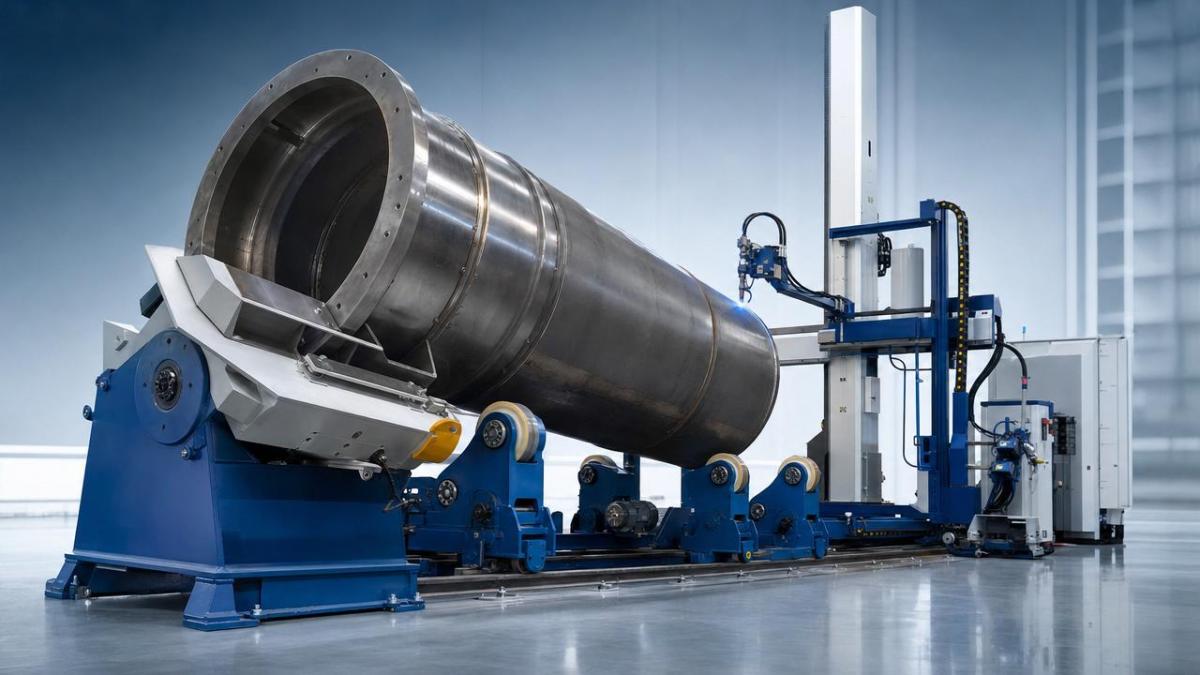
A Welding positioner is more than an accessory. It is a productivity tool that rotates, tilts, and presents the workpiece at a better welding angle, often reducing repositioning time by 20%–40% in typical fabrication jobs. For end users, this means more stable weld seams, lower labor fatigue, and fewer quality defects.
For dealers and distributors, the commercial value is equally clear. A Welding positioner can be sold as a standalone machine, bundled with welding manipulators and welding rotators, or paired with robotic welding systems. This creates at least 3 sales paths: entry-level manual shops, mid-range semi-automatic fabrication lines, and advanced automated production cells.
Core customer groups and demand patterns
Most customer inquiries fall into 4 broad sectors: structural steel, pipe and tank fabrication, machinery manufacturing, and custom metalworking workshops. In these markets, buyers typically compare load capacity, table diameter, tilt angle, rotation speed, and control type within the first 2 to 3 quotation rounds.
- Small workshops often ask for 100kg–500kg capacity units with simple foot pedal control.
- Medium fabricators frequently need 1 ton–3 ton models for vessels, frames, and pipe assemblies.
- Heavy industry users may require 5 ton–20 ton systems integrated with column and boom setups.
The table below helps dealers map customer segments to practical Welding positioner opportunities.
The key takeaway is that the right Welding positioner range should cover both fast-moving standard units and a smaller number of higher-value engineered solutions. This balance helps improve inventory turnover while protecting margin.
How to Evaluate Welding Positioner Specifications for Market Fit
When selecting a Welding positioner for resale, dealers should avoid focusing on capacity alone. In practice, 6 technical points usually determine whether the machine fits customer applications: load rating, center-of-gravity allowance, table size, tilt range, rotation speed, and control method.
1. Load capacity and safety margin
Many buyers ask for nominal load only, but dealers should confirm the actual workpiece weight plus fixture weight. A safe recommendation is to reserve a 20%–30% capacity margin. For example, a part weighing 800kg with a 120kg fixture should not be matched to a 1 ton unit without checking eccentric load conditions.
2. Tilt angle and rotational control
Standard tilt ranges often fall between 0° and 90°, while rotation speed may vary from 0.1 to 1 rpm or more depending on the application. Thin-wall parts and cosmetic welds usually benefit from smoother variable-speed control, especially when the positioner is paired with MIG, TIG, or SAW processes.
3. Controls and integration options
A basic Welding positioner may use a manual switch and foot pedal. Mid-level systems often include remote pendants and frequency control. Higher-end units can support communication with robotic cells or linked equipment. For distributors building broader metalworking portfolios, cross-selling related equipment matters. For example, a shop that cuts profiles before welding may also need an Band Saw Machine for bars, tubes, and structural sections, especially when moving toward automated production flow.
The following comparison table can help sales teams qualify leads faster during early technical discussions.
In most markets, variable-speed models with moderate customization potential are easier to sell than highly specialized machines. They address roughly 70% of common workshop needs while keeping lead times and spare parts planning manageable.
Commercial Factors Dealers Should Not Ignore
A technically strong Welding positioner does not automatically become a good distribution product. Channel success depends on delivery reliability, documentation quality, spare part readiness, and installation simplicity. These factors often influence repeat orders more than a small difference in purchase price.
Lead time, support, and documentation
For standard models, many buyers expect delivery within 15–30 days. Custom fixtures or heavy-duty units may require 4–8 weeks. Dealers should confirm whether the supplier can provide wiring diagrams, operation manuals, spare parts lists, and remote technical support within 24–48 hours when issues arise.
Compliance and export readiness
For overseas distribution, exported machinery should be reviewed for destination-market electrical standards, operator safety labeling, and available certification documents. A supplier experienced in ISO9001-based production management and EU CE-oriented design processes can reduce documentation delays and customs complications.
A practical 5-point sourcing checklist
- Confirm 20%–30% load safety margin for target applications.
- Check speed control, tilt function, and control interface options.
- Review standard lead time, spare parts availability, and packing method.
- Request drawings, manuals, and electrical schematics before order closure.
- Plan cross-selling with welding robots, cutting machines, and workshop handling equipment.
This checklist helps dealers reduce quotation errors, especially when selling into fabrication plants that compare 2 to 4 suppliers before final approval.
Building a Stronger Equipment Portfolio Around Welding Applications
The most profitable dealers rarely sell a Welding positioner in isolation. They build solution bundles around cutting, fit-up, welding, and finishing. A customer preparing tubes, bars, and profiles for welded assemblies may need cutting equipment before moving to positioning and welding stages. In mechanical engineering workshops, this equipment logic is often more persuasive than price-only selling.
That is why many distributors combine welding products with CNC cutting systems, welding robots, edge milling equipment, and, where cutting accuracy and automation are important, an Band Saw Machine. CNC sawing machines can automatically control feed speed and motion parameters, while hydraulic and electrical systems support stable programmed cycles in mechanical processing environments.
Portfolio strategy for channel growth
A balanced portfolio usually contains 3 layers: fast-selling entry machines, mid-range configurable systems, and project-based heavy equipment. This structure supports both shorter sales cycles and larger contract opportunities. It also allows agents to approach customers at different stages of factory expansion.
- Entry layer: compact Welding positioner units for local fabrication shops.
- Mid-range layer: configurable systems for batch welding and repeat jobs.
- Project layer: integrated lines with automation, handling, and precision cutting support.
Choosing the right Welding positioner is ultimately a market-fit decision, not just a mechanical specification decision. Dealers who evaluate load range, application diversity, delivery cycle, and service support can build a more competitive product line and respond faster to industrial buyers seeking dependable fabrication equipment.
With broad experience in welding equipment, CNC machinery, metal processing systems, and export-oriented supply, Wuxi Armada International Trade Co., Ltd can support distributors and agents looking for practical machinery solutions backed by careful design and honest service. Contact us today to discuss your market needs, get a customized product recommendation, or learn more about complete equipment solutions for your distribution business.
