




Welding Positioner Factory Audit: 7 Signs of Reliable Production Quality
— —
Welding Positioner Factory Audit: 7 Signs of Reliable Production Quality
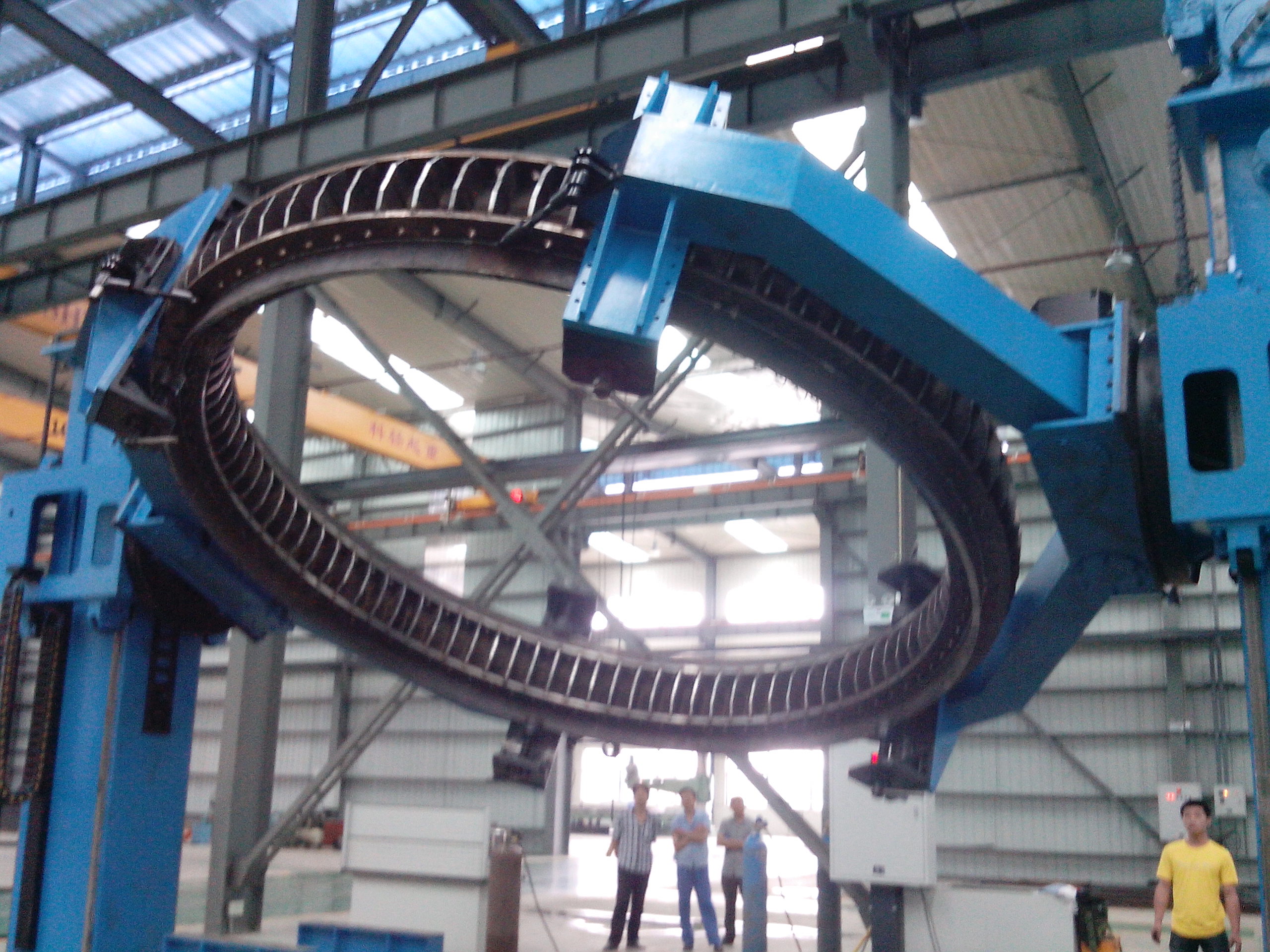
Choosing the right Welding positioner factory is critical for quality control and workplace safety.
A dependable source supports stable output, compliant production, and long service life.
This guide explains seven practical signs that reveal reliable production quality in welding positioner manufacturing.
What a Welding Positioner Factory Should Demonstrate
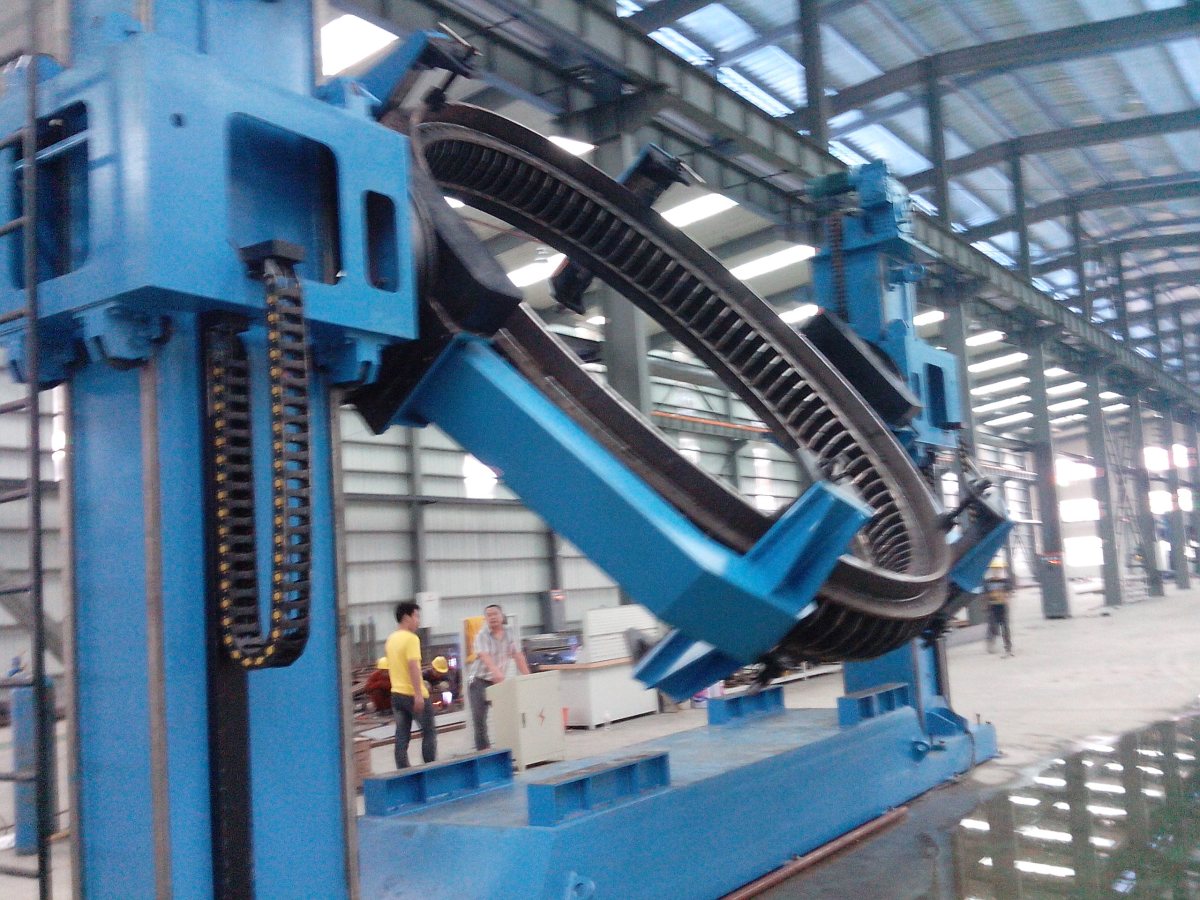
A Welding positioner factory builds equipment that rotates or tilts workpieces during welding operations.
Its real value lies in precision control, repeatability, operator safety, and production efficiency.
In metal fabrication, weak design or unstable assembly can create weld defects, downtime, and safety risks.
For that reason, factory audit points should go beyond price, brochures, or machine appearance.
Current Quality Priorities in Manufacturing Equipment Supply
Today, buyers focus on traceability, standards compliance, and process consistency across every production stage.
These priorities are especially important when reviewing a Welding positioner factory for industrial applications.
Seven Signs of Reliable Production Quality
1. Clear quality management documentation
A reliable Welding positioner factory should show controlled procedures, inspection standards, and corrective action records.
ISO9001-based workflows are useful when they are active, updated, and tied to actual shop practice.
2. Stable welding and machining capability
Check whether frames, turntables, and support parts are machined with repeatable accuracy.
Consistent fit-up, smooth rotation, and controlled runout indicate disciplined manufacturing capability.
3. Material traceability and component control
Reliable factories identify steel grades, motors, reducers, bearings, and electrical components by batch or supplier records.
This reduces hidden quality risks and supports maintenance planning later.
4. Functional testing before shipment
A trustworthy Welding positioner factory performs load testing, tilt verification, limit switch checks, and control system trials.
Request videos, reports, or witness testing if the project is technically demanding.
5. Safety-oriented design details
Look for emergency stop design, overload consideration, cable protection, guarding, and clear operating labels.
These details often reveal whether the factory values long-term field reliability.
6. Engineering responsiveness for customization
Many applications need special table sizes, rotation speed, or integration with welding robots.
A capable factory can provide drawings, layout suggestions, and parameter clarification quickly.
7. Export experience and compliance awareness
Factories serving overseas projects usually understand CE-related expectations, packaging rules, and documentation accuracy.
That experience lowers communication risk and improves delivery confidence.
Business Value of a Reliable Factory Audit
Auditing a Welding positioner factory helps reduce warranty claims, installation delays, and avoidable safety incidents.
It also supports better lifecycle cost control through stronger components and more stable performance.
Wuxi Armada International Trade Co., Ltd supplies metalworking and fabrication equipment under ISO9001-oriented management and CE-minded production practice.
Its equipment portfolio covers welding automation, CNC cutting, machine tools, and plate processing systems for global markets.
Typical Audit Scenarios in Fabrication Equipment Projects
- New workshop setup requiring multiple welding stations
- Capacity expansion with robot-ready positioners
- Replacement of unstable legacy equipment
- Export projects needing stronger compliance documents
In broader machining lines, support equipment quality matters as much as welding automation quality.
For example, Radial drilling machine models such as Z3032 to Z3080 suit medium and large-sized metal parts.
They support drilling, reaming, tapping, boring, and flexible arm movement for single-piece or small-batch production.
Features like hydraulic clamping, wide spindle speed range, and heat-treated components reflect similar quality expectations.
Practical Audit Checklist Before Final Selection
- Review factory layout and key process flow.
- Check inspection tools and calibration status.
- Verify sample test records and shipment reports.
- Confirm component brands and replacement availability.
- Assess technical communication speed and accuracy.
Next Step for Better Supplier Evaluation
A Welding positioner factory should be judged by evidence, not only promises.
Use these seven signs to compare suppliers, structure audits, and reduce project risk before ordering.
A short audit checklist, test review, and drawing confirmation can greatly improve final equipment reliability.
