




Welding Manipulator Features That Affect Long Term Operating Cost
— —
Welding Manipulator Features That Affect Long Term Operating Cost
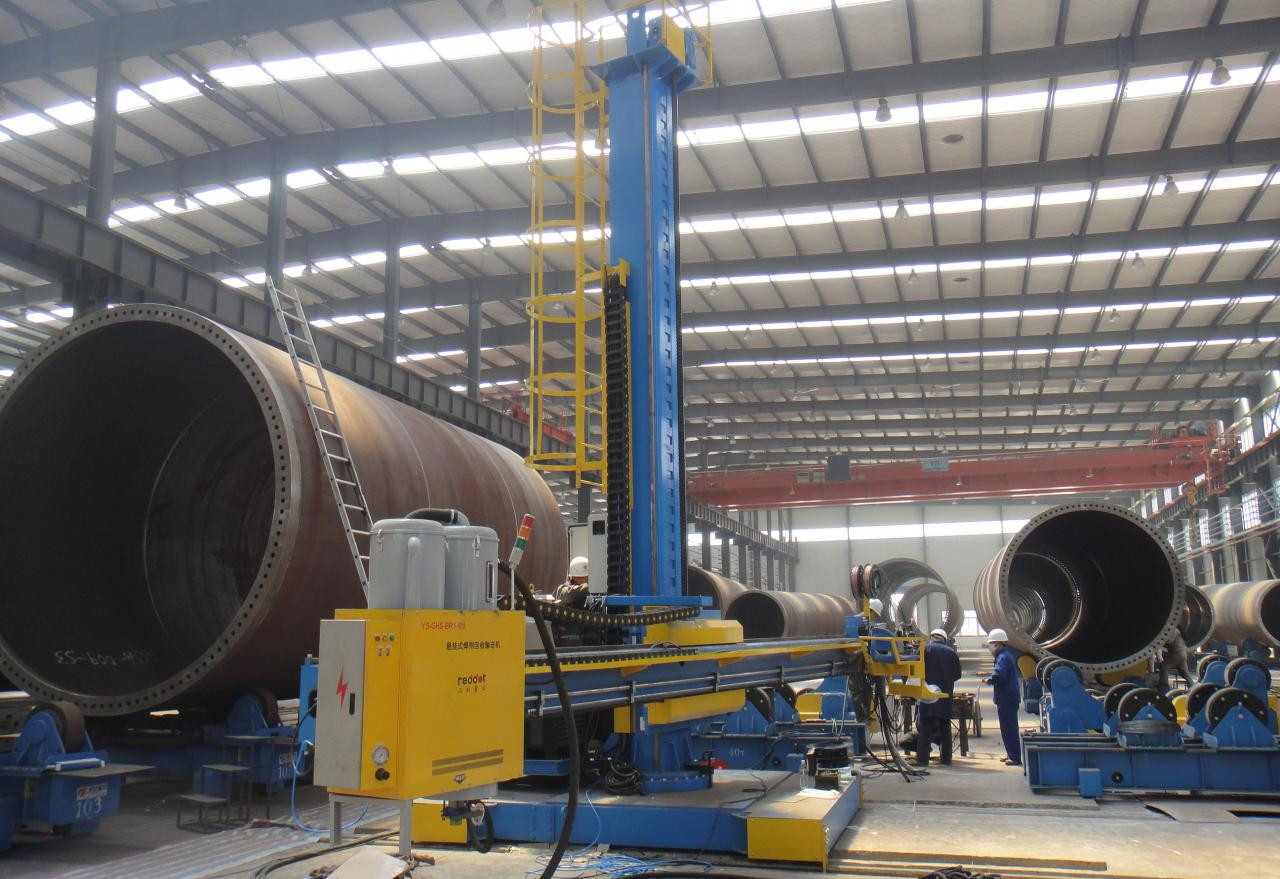
When evaluating a Welding Manipulator, purchase price is only part of the equation.
Long-term operating cost is shaped by energy use, wear resistance, maintenance intervals, and control stability.
In metal fabrication, the right Welding Manipulator can lower downtime, improve weld consistency, and protect lifetime equipment value.
When high-duty welding lines demand stable cost control
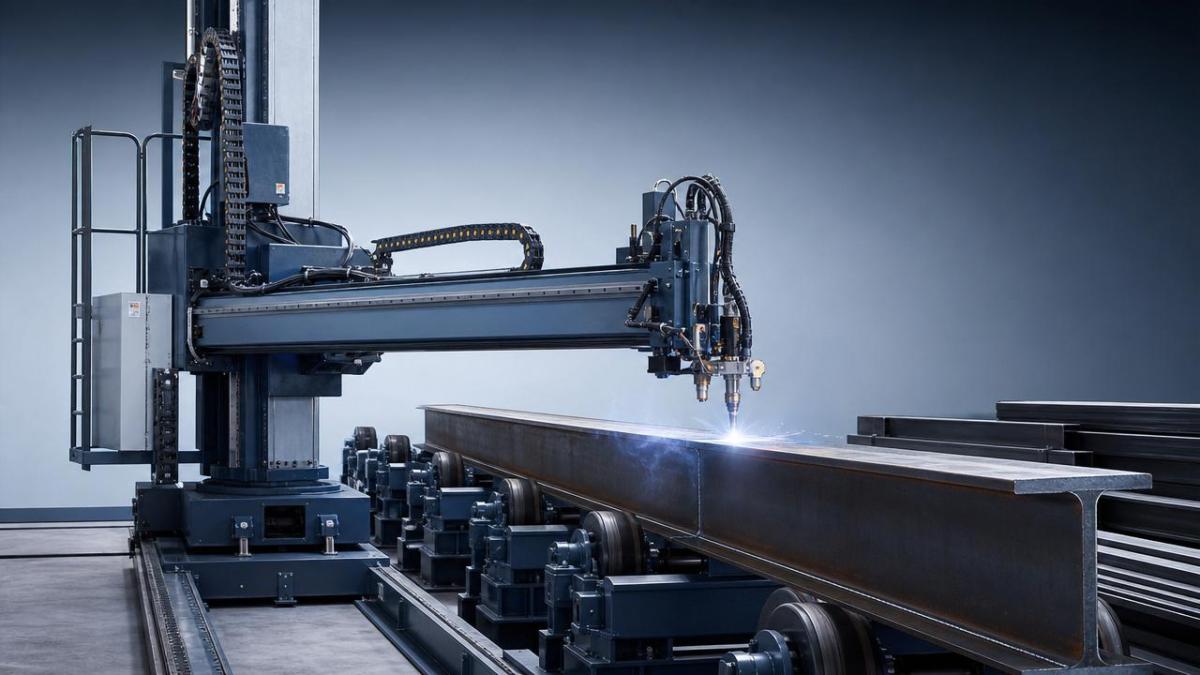
Different production environments place different pressure on a Welding Manipulator.
A unit used in heavy H-beam welding faces different stress than one used for lighter cylindrical parts.
This is why operating cost must be judged by application, not by price tag alone.
Wuxi Armada International Trade Co., Ltd supplies fabrication equipment built around ISO9001 and CE-oriented quality requirements.
That background matters when comparing durability, automation compatibility, and service life across production lines.
In continuous structural steel welding, rigidity affects lifetime cost
For structural steel workshops, frame rigidity is a major cost driver.
A Welding Manipulator with poor stiffness can vibrate during long seams.
That vibration may reduce weld quality and increase rework, consumables, and inspection time.
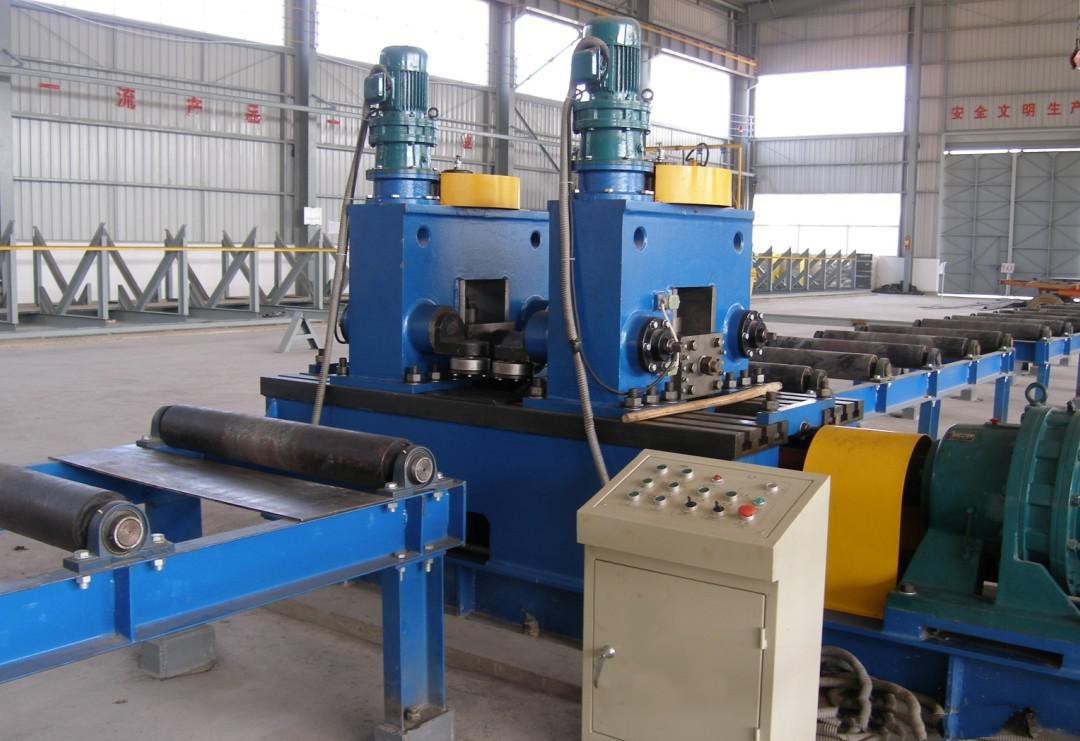
Heavy-duty lines often benefit from related straightening and forming equipment with strong frame integrity.
For example, YTJ-60A and YTJ-80A H beam straightening machine uses an integral frame structure with stress relief.
That type of design thinking supports lower distortion risk and better downstream welding consistency.
Key judgment points in heavy fabrication
- Column and boom rigidity under full extension
- Bearing and guide rail wear rate
- Motor efficiency during long welding cycles
- Ease of alignment after repeated use
In automated cells, control reliability decides hidden Welding Manipulator cost
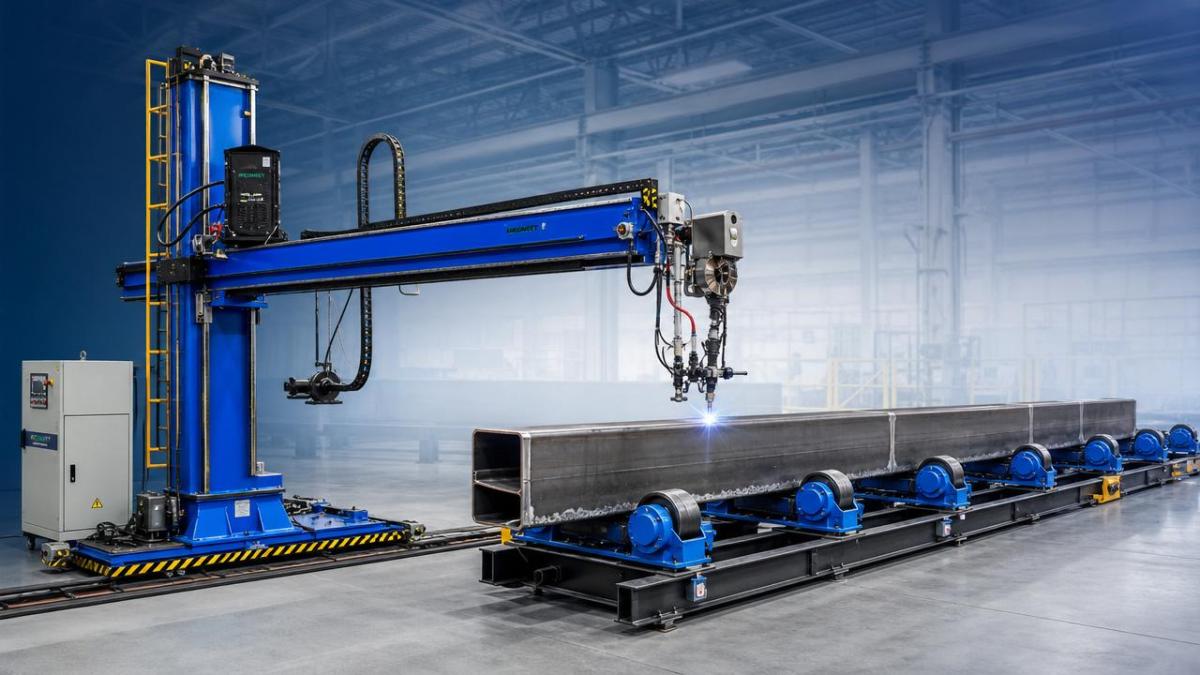
In automated production, control system reliability becomes critical.
An unstable Welding Manipulator can interrupt robot coordination, torch tracking, or workpiece positioning.
Even short faults can stop upstream and downstream machines.
This raises labor idle time and extends delivery cycles.
Look for simple electrical architecture, proven components, and easy troubleshooting access.
Control boxes should support safe operation, clear diagnostics, and future upgrades.
Best-fit scenarios for automation-focused operations
- Long seam welding with repeatable joint paths
- Multi-station lines requiring synchronized motion
- Facilities planning future robot integration
Different operating scenarios create different Welding Manipulator priorities
The same Welding Manipulator may perform well in one scenario and become costly in another.
How to match Welding Manipulator features with real production needs
A practical evaluation should connect equipment features with actual line conditions.
- Measure average welding hours per day.
- Check maximum load, extension, and travel frequency.
- Estimate maintenance stoppage cost per hour.
- Confirm compatibility with rotators, positioners, and robots.
- Review spare parts availability and service support.
In beam fabrication, supporting machines also influence total cost.
Equipment using 35CrMo, 40Cr, and Q345 in critical sections often delivers stronger wear resistance.
That is one reason beam lines often pair welding equipment with robust straightening systems.
Common misjudgments that raise Welding Manipulator ownership cost
One common mistake is focusing only on initial price.
Another is ignoring energy consumption during multi-shift production.
Some buyers also underestimate maintenance access and lubrication requirements.
A further oversight is poor line matching between welding, straightening, and feeding equipment.
For instance, systems designed for stable feeding and high rigidity can reduce process interruption across the line.
This is also seen in beam-processing equipment such as the YTJ series, which supports efficient, stable material handling.
Next steps for reducing long-term Welding Manipulator cost
Start with a line-level review instead of a single-machine quote comparison.
Compare rigidity, controls, service intervals, and automation readiness together.
If the application includes structural steel processing, also assess matching beam equipment and workflow continuity.
A well-chosen Welding Manipulator supports lower repair cost, steadier output, and stronger long-term return.
For integrated beam production planning, review equipment specifications, process fit, and support options before final selection.
