




VFD Control Non-Standard Edge Milling Machine: Key Setup Trends in 2026
— —
VFD Control Non-Standard Edge Milling Machine: Key Setup Trends in 2026
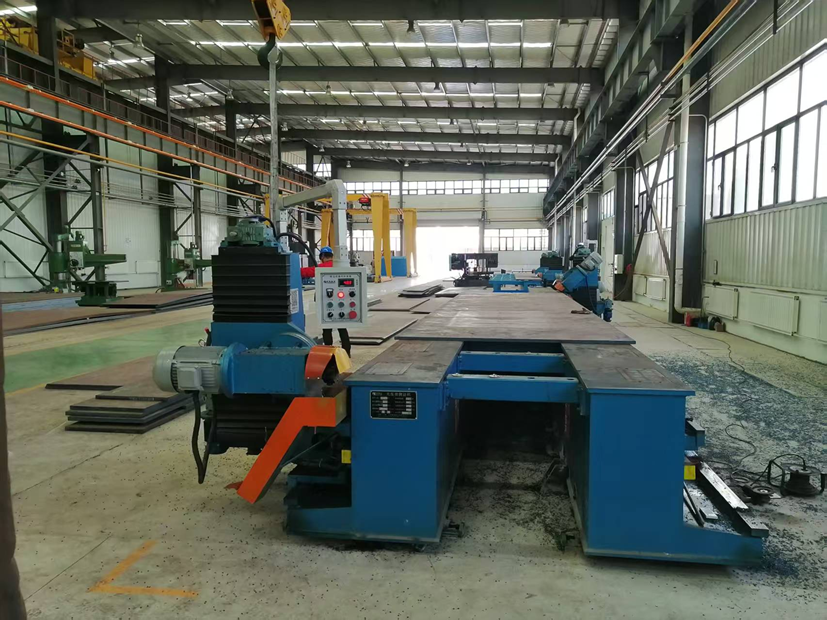
As manufacturers prepare for 2026, the VFD control non-standard edge milling machine is becoming a strategic choice for improving precision, flexibility, and production efficiency. For business decision-makers evaluating equipment upgrades, understanding the latest setup trends can reduce operating costs, support custom processing needs, and strengthen long-term competitiveness in modern metal fabrication.
Why are 2026 setup trends changing procurement decisions?
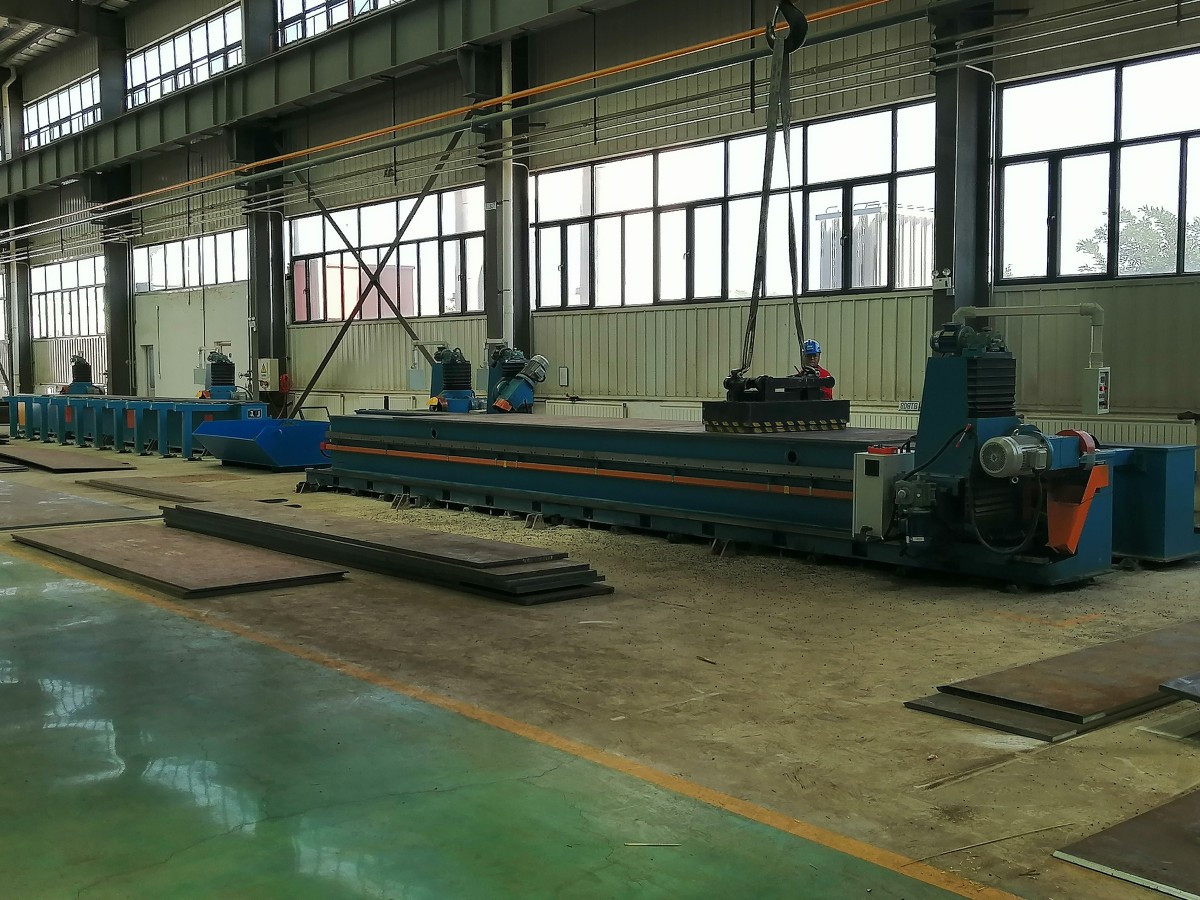
In steel fabrication, pressure vessel production, shipbuilding, bridge components, and heavy structural processing, edge preparation is no longer a simple pre-welding step. Buyers now expect a VFD control non-standard edge milling machine to deliver stable bevel quality, adaptable travel speed, lower energy waste, and easier integration with upstream and downstream equipment.
The shift is driven by three realities. First, part diversity is increasing. Second, labor costs and operator shortages continue to affect production planning. Third, customers in export-oriented markets increasingly ask for more consistent machining quality, traceable electrical components, and compliance-friendly equipment designs.
For enterprise decision-makers, that means machine setup can no longer be judged only by spindle power or bed length. The real question is whether the equipment can handle mixed orders, variable plate thickness, custom bevel geometries, and production schedules without creating hidden maintenance or rework costs.
- VFD-based speed control supports smoother feed adjustment for different materials and bevel requirements.
- Non-standard design helps match plant layout, workpiece dimensions, and special fixture needs.
- Smarter setup reduces operator dependency and improves repeatability across shifts.
- Integrated production planning lowers bottlenecks between cutting, milling, blasting, and welding.
What does a VFD control non-standard edge milling machine solve in real factories?
A standard edge milling machine fits stable, repetitive products. However, many manufacturers today process varied plate widths, lengths, bevel angles, and material grades. In those conditions, a VFD control non-standard edge milling machine offers stronger value because the setup can be engineered around actual production demands instead of forcing production to adapt to machine limits.
Typical business problems it addresses
- Frequent changeovers between different plate specifications that slow output.
- Unstable bevel consistency that increases welding preparation time.
- Overbuilt equipment that consumes unnecessary energy during lower-load operations.
- Factory layouts that require customized loading, discharge, or travel direction.
- Export projects requiring control systems and component configurations aligned with common international expectations.
In practice, VFD control improves feed accuracy and allows the machine to adapt to different edge quality targets. Non-standard engineering may involve working range changes, clamping structure, tool head arrangement, automation interfaces, safety protection, dust control considerations, or line integration with handling systems.
Which setup trends matter most in 2026?
When buyers compare options, the following trend map helps identify where a VFD control non-standard edge milling machine creates measurable value instead of becoming a costly customization project.
These trends show a clear change in buyer behavior. Companies are moving away from generic machine comparisons and toward workflow-level evaluation. In 2026, setup quality will matter as much as machine price because poor configuration can weaken throughput for years.
How should buyers compare standard and non-standard edge milling solutions?
A structured comparison makes procurement discussions more objective. If your order mix is simple and repeatable, a standard solution may be enough. If your production includes special lengths, varied bevel shapes, or integrated handling requirements, the VFD control non-standard edge milling machine often delivers lower total process friction.
The right choice depends on production economics, not just machine configuration. Decision-makers should compare expected annual changeovers, scrap risk, labor intensity, line balancing, and customer quality requirements before choosing a standard or non-standard route.
What technical details should be confirmed before ordering?
Many procurement issues start because buyers confirm only basic machine dimensions. A stronger approach is to define the processing envelope, control logic, and integration boundaries in advance. This is especially important when specifying a VFD control non-standard edge milling machine for export or multi-shift operation.
Core checkpoints for technical review
- Plate material range, thickness range, and required bevel forms.
- Required feed speed adjustment range and expected production rhythm.
- Clamping method, loading direction, and handling compatibility.
- Electrical brand preference, PLC logic expectations, and operator interface language.
- Safety guarding, chip discharge, maintenance clearance, and service access.
- Whether the machine must connect with cutting, blasting, welding, or painting stages.
For many fabrication lines, edge quality is also affected by surface condition before milling. In some projects, pre-cleaning or post-treatment is part of the overall solution. For example, manufacturers handling structural steel may also consider Shot blasting machine support for rust removal, scale cleaning, and improved coating preparation, especially in metallurgical and casting industries.
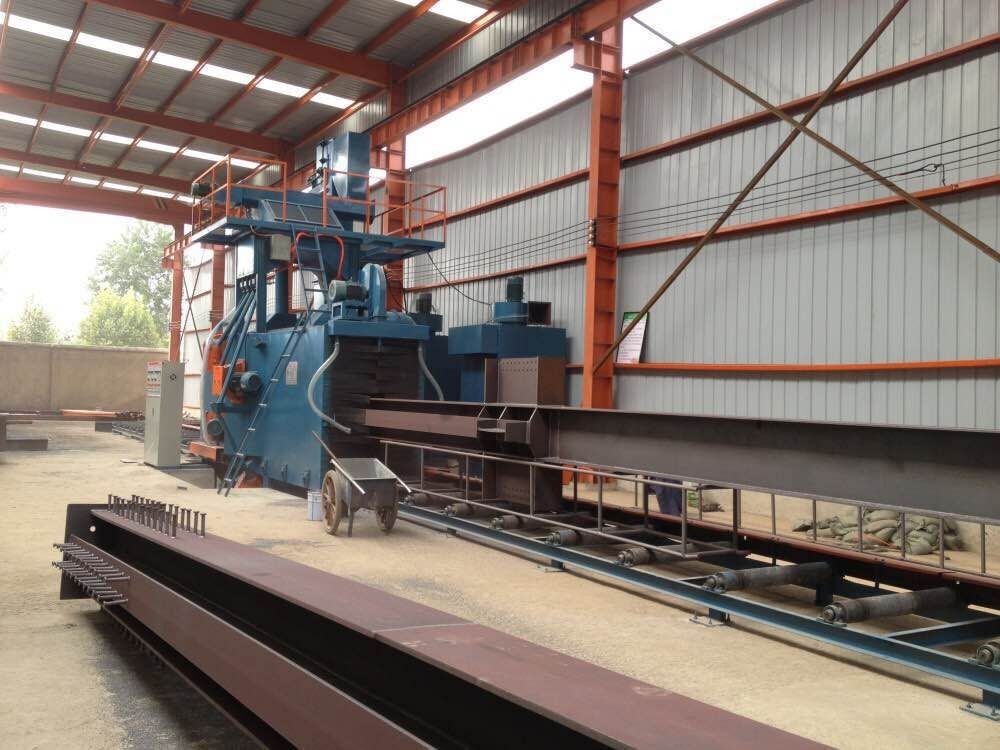
A relevant option is the Q034 model, used for steel structural parts, aluminum profiles, steel sheets, steel billets, I-beams, and channel steel. Its configuration includes Mitsubishi PLC, 8×250 kg/min shot-blasting capacity, 8×11 kW impeller head power, 0.5–1.5 m/min running speed, dust removal support, and a high-chromium grinding-resistant sheath that helps extend service life under continuous operation.
How can companies control cost without underbuying?
Budget pressure is common, but the lowest upfront quotation may create long-term inefficiency. A VFD control non-standard edge milling machine should be reviewed through total operating value rather than purchase price alone. That includes energy behavior, tooling stability, changeover time, spare parts planning, and reject reduction.
Cost factors that deserve attention
- Initial equipment cost versus expected production complexity over three to five years.
- Energy savings from controlled speed adjustment instead of fixed-speed overuse.
- Reduced manual intervention during changeovers and part repositioning.
- Service cost linked to electrical accessibility and component standardization.
- Output losses caused by poor fit between machine design and actual part dimensions.
A practical rule is simple: if your plant handles custom orders, export-grade fabrication, or frequent specification changes, underbuying usually costs more than a well-matched custom solution. If the order structure is repetitive and narrow, a simpler machine may still be the better investment.
What compliance and supplier capabilities should decision-makers verify?
Supplier evaluation should include both equipment capability and project execution discipline. Wuxi Armada International Trade Co., Ltd, established in 2012 in Wuxi, Jiangsu Province, focuses on mechanical equipment and related products across welding, CNC cutting, milling, lathes, robots, laser processing, H-beam production lines, and sheet metal machinery. This broad product coverage matters because many buyers need line-level coordination rather than one standalone machine.
The company organizes production and design according to ISO9001 quality system certification and EU CE standards. For buyers, this supports more structured communication on documentation, electrical design expectations, inspection points, and export-oriented compliance discussions. It is particularly relevant when the VFD control non-standard edge milling machine must fit an overseas project or a plant with strict internal technical review.
Supplier questions worth asking
- Can the supplier translate production requirements into a practical non-standard layout?
- Do they understand upstream and downstream process relationships, not just one machine?
- Can they communicate clearly on installation conditions, electrical expectations, and spare parts scope?
- Is there experience supporting customers in Southeast Asia, Europe, the Americas, or Oceania where project communication may require stronger standardization?
Which mistakes do buyers often make with a VFD control non-standard edge milling machine?
Most procurement failures are not caused by one major error. They come from several small assumptions made too early. The following issues appear frequently in metal fabrication projects.
Common misconceptions
- Assuming all VFD systems deliver the same control quality. Parameter range, control logic, and commissioning quality all matter.
- Requesting customization without defining real workpiece data. Vague requirements often lead to expensive revisions.
- Comparing quotations without aligning scope. Safety covers, chip handling, and control components may differ significantly.
- Ignoring maintenance space during layout planning. A compact installation that blocks service access can increase downtime later.
- Separating edge preparation from surface preparation. In some projects, milling quality and blasting readiness should be planned together.
A disciplined RFQ package can prevent these issues. Include material grades, thickness range, maximum workpiece size, target bevel form, plant drawings, electrical preferences, and production output expectations. Better input produces better machine design.
FAQ for procurement teams in 2026
How do we know whether we need a non-standard machine?
If your production involves multiple plate sizes, special bevel angles, line integration, or space constraints, a non-standard machine is usually worth evaluating. If more than one department has already adapted its workflow around current equipment limits, customization may offer a stronger return than another standard purchase.
What should we prioritize: machine power or control flexibility?
Both matter, but for many buyers control flexibility creates the bigger business impact. A VFD control non-standard edge milling machine with well-matched feed adjustment and process logic often improves usable output more than simply increasing installed power.
How important is PLC selection in edge milling projects?
PLC selection affects maintenance familiarity, spare parts planning, and control integration. It becomes especially important when the machine will connect with automated handling, line monitoring, or plant-wide electrical standards.
Can edge milling and surface cleaning be considered together?
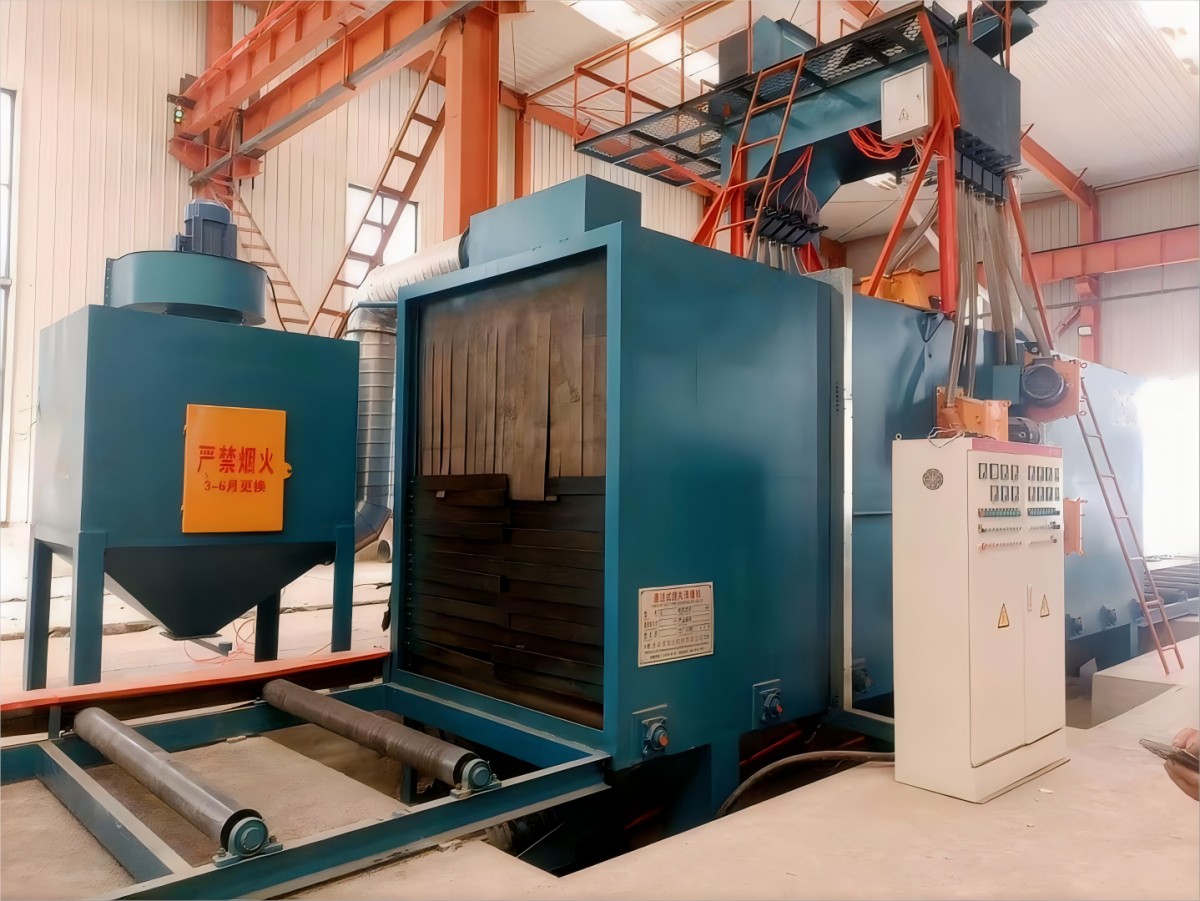
Yes. In structural steel and heavy fabrication, buyers often review the full preparation chain. A second-stage Shot blasting machine can help remove rust, scale cinder, and improve coating performance after fabrication or heat treatment, depending on the process route.
Why choose us for project evaluation and next-step consultation?
For decision-makers, the real value is not just buying a machine. It is reducing uncertainty before capital is committed. Wuxi Armada International Trade Co., Ltd combines experience in milling, cutting, welding, structural steel equipment, and related machinery, which helps customers assess process links instead of isolated specifications.
If you are reviewing a VFD control non-standard edge milling machine for 2026 capacity planning, you can discuss practical topics such as workpiece parameter confirmation, suitable configuration direction, customization boundaries, control component preferences, expected delivery cycle, installation conditions, certification expectations, and quotation scope alignment.
A useful next step is to share your plate dimensions, material range, bevel requirements, planned output, workshop layout, and target market requirements. Based on that information, a more accurate equipment selection and solution discussion can begin with fewer revisions and a clearer investment path.
