




Pressure Vessel Edge Milling Machine Selection for Thick Plate Fabrication
— —
Pressure Vessel Edge Milling Machine Selection for Thick Plate Fabrication
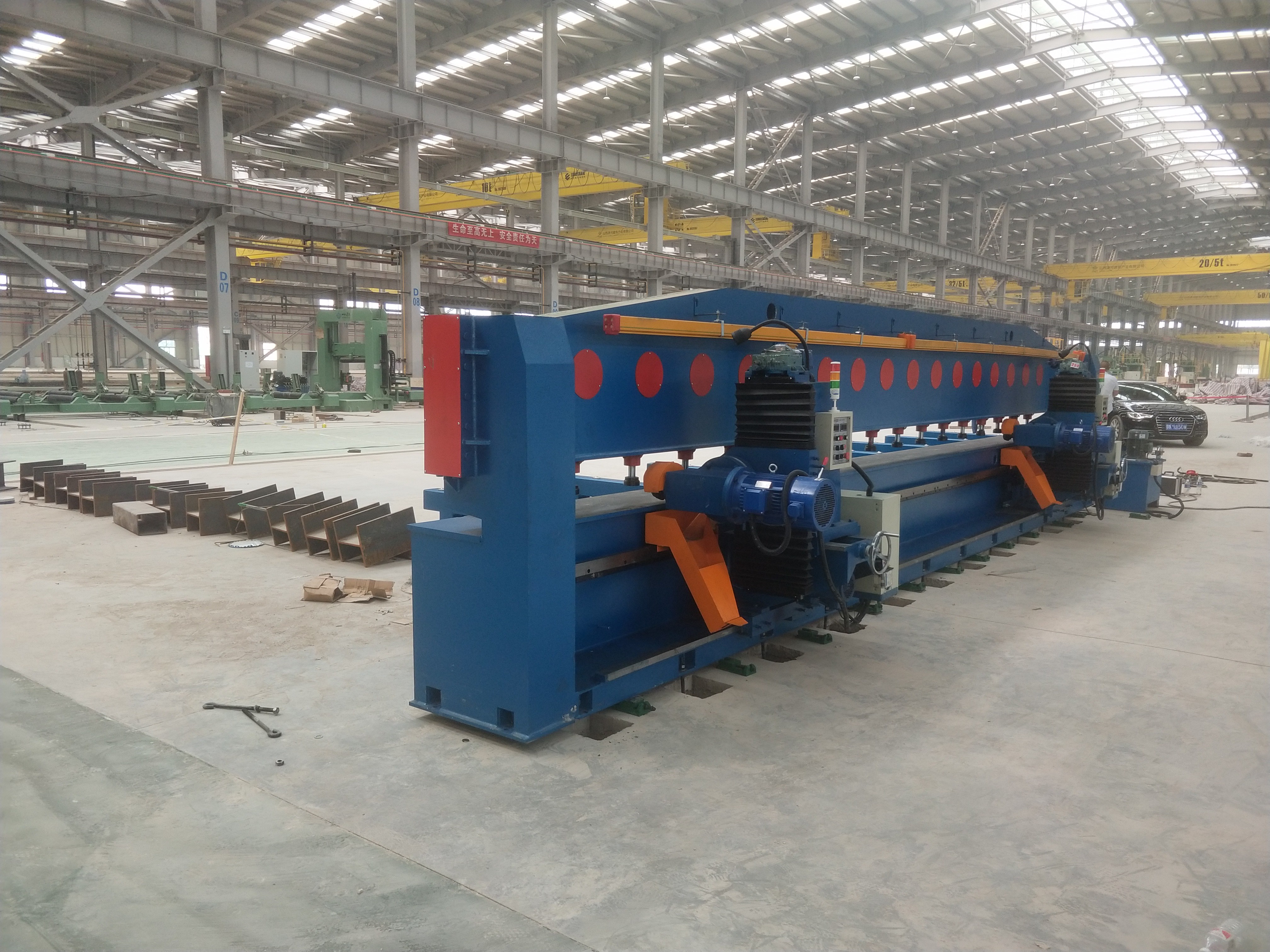
Choosing the right pressure vessel edge milling machine is critical for thick plate fabrication, where bevel accuracy, throughput, and weld preparation directly affect project timelines and compliance. For project managers and engineering leaders, understanding machine capacity, stability, and integration with production workflows helps reduce rework, control costs, and ensure reliable performance in demanding vessel manufacturing applications.
In pressure vessel production, thick plates commonly range from 12 mm to more than 80 mm, and some special applications go even higher. At this thickness level, edge preparation is no longer a minor workshop step. It directly influences fit-up quality, weld penetration, distortion control, inspection results, and downstream production speed.
For project managers, the machine selection decision must balance 4 practical priorities: technical suitability, delivery schedule, operating cost, and long-term reliability. A mismatched pressure vessel edge milling machine can create bottlenecks across cutting, rolling, assembly, welding, and NDT, especially when vessel shells, heads, and nozzles are fabricated under tight deadlines.
Wuxi Armada International Trade Co., Ltd, established in 2012 in Wuxi, Jiangsu Province, supplies mechanical equipment for metal fabrication projects worldwide. With products covering edge milling machines, CNC cutting systems, welding equipment, rolling machines, deburring systems, and other fabrication solutions, the company supports buyers who need dependable equipment aligned with ISO9001-based production control and EU CE-oriented design practices.
Why Edge Milling Matters in Thick Plate Pressure Vessel Fabrication
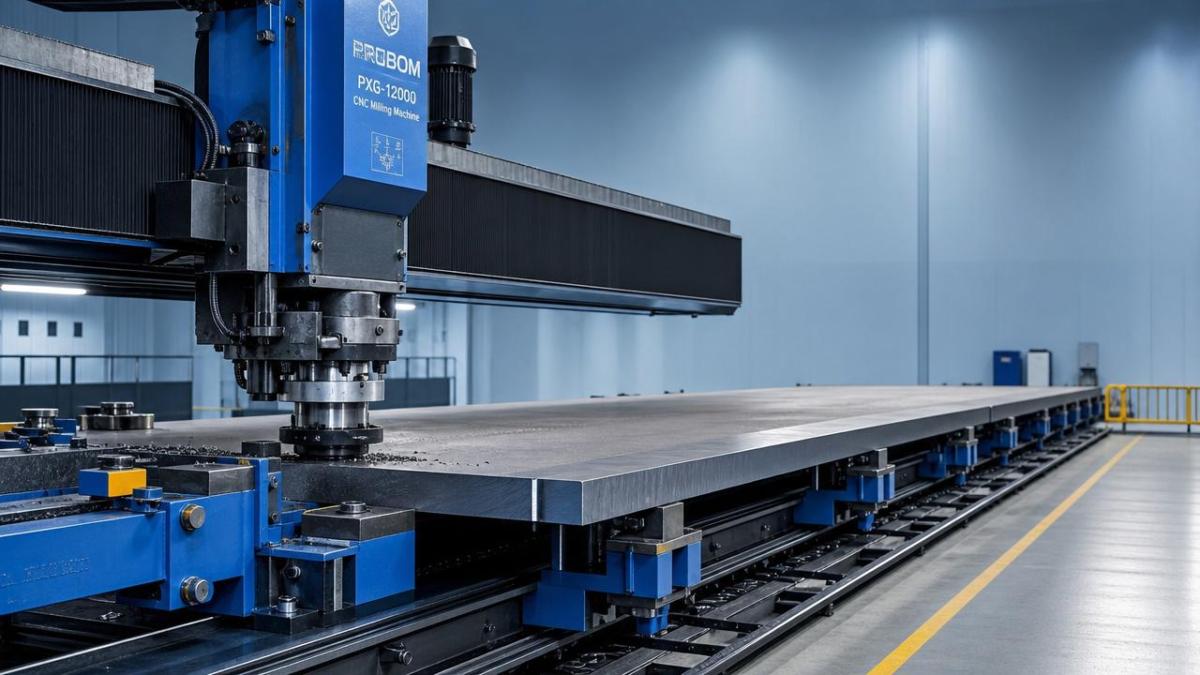
A pressure vessel edge milling machine is used to prepare bevels, straight edges, and welding grooves on steel plates before forming and welding. In heavy fabrication, this process affects more than appearance. It determines whether the plate edges can meet welding procedure requirements such as groove angle tolerance, root face consistency, and edge straightness.
When plate thickness increases from 20 mm to 60 mm, manual grinding and flame-based edge preparation often become inconsistent or too slow for project-scale output. Edge milling offers a more controlled process, especially when shops must handle carbon steel, low-alloy steel, stainless steel, or mixed-material vessel jobs across multiple work orders.
Key production impacts
- Bevel accuracy affects weld volume and filler consumption.
- Edge straightness affects fit-up time during tack welding.
- Stable machining reduces rework before UT or RT inspection.
- Higher throughput improves line balance between cutting and welding stations.
For example, a 2 mm deviation in root face or groove geometry across a long seam can increase weld repair probability and consume additional labor hours. In a vessel project with 30 to 50 large shell sections, those small deviations quickly become a schedule issue, not just a workshop issue.
Typical edge preparation requirements for vessel work
Most project teams evaluate the machine against plate length, thickness, bevel angle range, surface finish after milling, and cycle time per meter. They also consider whether the equipment can process both straight plate edges and specialized groove profiles used in pressure-retaining joints.
The table below outlines how edge milling performance connects with project outcomes in thick plate fabrication.
The main conclusion is clear: edge milling should be assessed as a production-control function, not only as a machining function. For project managers responsible for delivery risk, throughput consistency matters just as much as bevel quality.
How to Select the Right Pressure Vessel Edge Milling Machine
Selecting a pressure vessel edge milling machine starts with the production mix. A workshop processing mostly 16 mm to 30 mm plates for standard tanks has very different needs from a contractor handling 50 mm to 100 mm vessel shells for petrochemical or power projects. The machine should match the actual plate profile, output frequency, and weld preparation complexity.
1. Confirm thickness, length, and material scope
Start with 3 baseline questions: What is the maximum plate thickness? What is the longest plate to be processed? Which materials will be most frequent? These factors define frame rigidity, spindle power, cutter configuration, and bed length. Buying only for current orders may create a limitation within 12 to 24 months.
Minimum data to collect before quotation
- Plate thickness range, for example 12 mm to 60 mm
- Maximum plate width and length, such as 2500 mm by 12000 mm
- Required bevel type: V, X, K, or compound bevel
- Annual or monthly tonnage target
- Available workshop space, power supply, and lifting conditions
2. Evaluate rigidity and cutting stability
For thick plate work, machine rigidity is one of the most important selection criteria. Stable guideways, a strong bed, reliable clamping, and low vibration under load are essential. If the machine chatters during deep bevel cuts, the shop may face uneven groove surfaces, faster tool wear, and more finishing work.
A reliable machine should sustain consistent cutting across multiple shifts, not only during trial samples. In many fabrication shops, the pressure vessel edge milling machine must operate 8 to 16 hours per day when project deadlines peak. Thermal stability and repeatability become practical concerns, not luxury features.
3. Match bevel flexibility to welding procedures
Not every project uses the same groove design. Some jobs require simple single-bevel edges, while others demand double-sided or compound bevels to reduce weld volume on thicker sections. A machine that supports adjustable bevel angles and repeatable positioning can shorten setup time between batches and reduce operator dependency.
The following comparison helps project teams review common selection points before procurement approval.
In most cases, the best choice is not the machine with the highest nominal specification, but the one that offers enough capacity margin, stable heavy-duty performance, and service support suited to the project cycle and production discipline of the factory.
Workflow Integration, Secondary Finishing, and Line Efficiency
A pressure vessel edge milling machine should not be selected as a standalone asset. It must fit into the full fabrication route: plate unloading, CNC cutting, edge preparation, rolling or forming, fit-up, welding, inspection, and final finishing. When one step is slower than the others, WIP inventory rises and floor space becomes congested.
Project leaders often focus on spindle power or bevel angle range, but practical integration details can save more time than a minor increase in cutting speed. Plate transfer direction, crane access, loading height, chip removal, and operator visibility all affect daily productivity. Even 10 to 15 minutes saved per plate can become significant over 200 plates.
Where secondary finishing fits into the process
After milling and before welding or dispatch, some fabricated parts still need deburring, cleaning, or surface brightening, especially for smaller precision components, fittings, brackets, and auxiliary metal parts produced alongside main vessel structures. In these cases, a complementary finishing solution can improve handling quality and presentation.
For manufacturers processing precision stamped parts, springs, small lathe components, zinc alloy accessories, aluminum parts, medical hardware, or electronics-related metal pieces, Customized Magnetic polishing machine can be inserted into the finishing section of the shop. With models such as R-G110, R-G1610, R-G210, and R-G3010, it supports 380V power supply, 0-60HZ processing speed, and reference capacities from 25-30 kg up to 60-80 kg.
Its value is not in replacing heavy plate edge milling, but in supporting downstream finishing for irregular small metal parts. Omnidirectional dead-angle grinding, burr removal, cleaning, and brightness enhancement can help reduce manual polishing time while maintaining dimensional stability and avoiding surface damage on delicate components.
Practical integration checklist
- Confirm whether plate loading is manual, crane-based, or roller-table assisted.
- Check if the machine output aligns with welding station capacity per shift.
- Plan chip collection and housekeeping frequency, usually once per shift or more.
- Allow service clearance for cutter replacement and maintenance access.
- Review whether secondary finishing equipment is needed for small parts and accessories.
The result of good integration is measurable. Shops usually see fewer waiting intervals between cutting and fit-up, better operator utilization, and less unplanned rehandling. For projects running on 6-week to 16-week fabrication windows, these gains can help keep milestone dates under control.
Procurement Risks, Maintenance Planning, and Supplier Evaluation
A machine may look suitable on paper but still create risk after installation. Procurement teams should review total ownership factors, including training, spare parts, commissioning support, and after-sales responsiveness. This is especially important when the equipment is intended for export-oriented fabrication shops or multi-project manufacturing environments.
Common mistakes during purchase
Underspecifying for future thickness range
Some buyers select only for current 20 mm to 30 mm jobs, then face limitations when 50 mm or 70 mm orders arrive. Capacity planning should include at least a moderate reserve if the business targets larger vessel projects within the next 1 to 2 years.
Ignoring serviceability
A low initial price can become expensive if wear parts are hard to source or if remote technical support is slow. For production-critical machinery, teams should ask about spare parts recommendations, basic commissioning documents, and expected response time for troubleshooting.
Focusing only on nominal speed
A faster machine on paper does not always deliver better real output. Setup time, clamping reliability, rework rate, and operator ease often decide true productivity. A stable medium-speed process can outperform a high-speed but inconsistent setup over a full month of production.
Recommended supplier review points
Before final approval, project managers should compare supplier capability in a structured way. The table below can be used as a practical evaluation framework.
The most useful procurement approach is to compare equipment not only by price, but also by application fit, commissioning readiness, and support continuity. This reduces the chance of selecting a machine that performs well in quotation documents but poorly in daily vessel production.
Maintenance planning for stable output
A preventive plan should include cutter inspection, lubrication checks, guideway cleaning, clamping verification, and electrical review. Depending on utilization, basic checks may be daily, while deeper inspection can be scheduled every 250 to 500 operating hours. This routine helps preserve bevel consistency and avoid unplanned stoppages.
For project-based workshops, maintenance should be coordinated with delivery milestones. It is often safer to complete major service work between production batches than during a high-pressure fabrication period. A realistic service calendar supports both machine life and project predictability.
For thick plate fabrication, the right pressure vessel edge milling machine is the one that combines enough thickness capacity, rigid cutting stability, repeatable bevel control, and smooth integration with upstream and downstream operations. Project managers should evaluate the machine through the lens of production flow, weld quality, maintenance planning, and schedule risk rather than single-point specification claims.
With broad experience in fabrication equipment supply, Wuxi Armada International Trade Co., Ltd supports buyers looking for practical machine solutions across edge milling, welding, cutting, rolling, deburring, and related metalworking processes. If you are planning a new line, upgrading vessel fabrication capacity, or comparing options for a pressure vessel edge milling machine, contact us now to get a tailored recommendation, discuss technical details, and explore a solution suited to your project scope.
