




Pressure Vessel Edge Milling Machine Accuracy Risks Before Welding
— —
Pressure Vessel Edge Milling Machine Accuracy Risks Before Welding
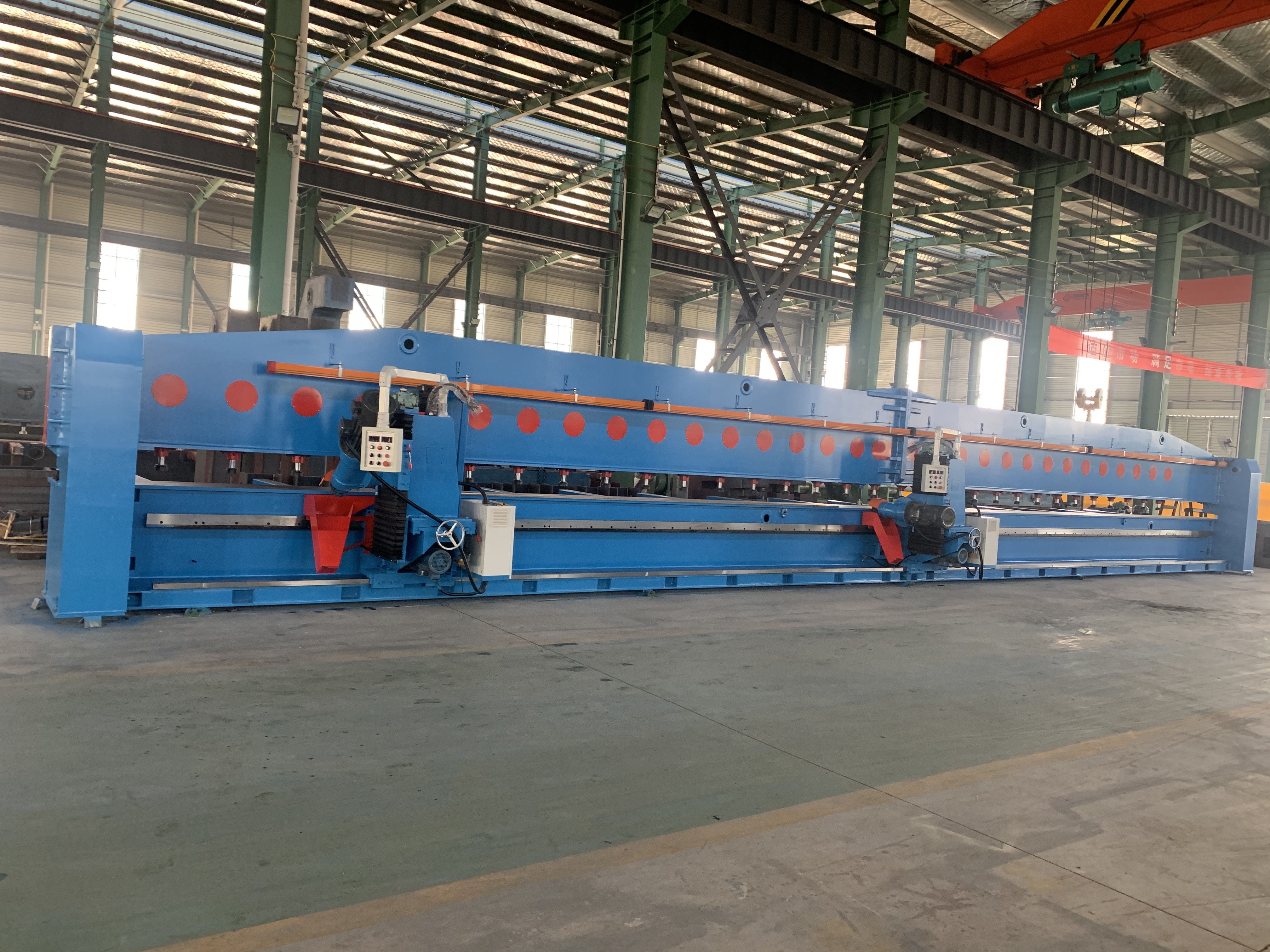
Before welding begins, even small machining deviations can create major safety and quality problems in pressure vessel fabrication. A reliable pressure vessel edge milling machine plays a critical role in controlling bevel accuracy, fit-up consistency, and weld preparation quality. For quality control and safety managers, understanding these pre-welding accuracy risks is essential to reducing defects, rework, and compliance concerns.
Why pre-weld edge milling accuracy matters more than many teams expect
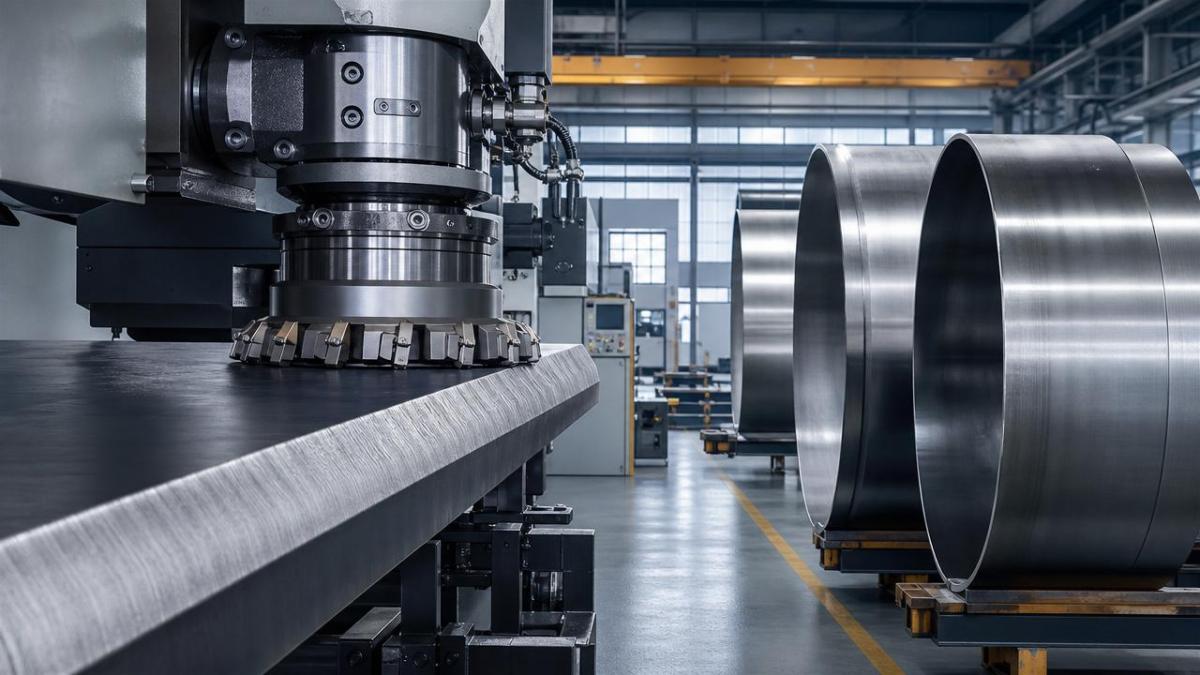
When quality or safety issues appear in pressure vessel welding, the visible defect is often not the real starting point. The root cause frequently begins earlier, during plate edge preparation.
That is why a pressure vessel edge milling machine should be evaluated not only as a machining asset, but also as a risk-control point in the fabrication process.
For pressure vessels, bevel angle, root face, edge straightness, surface finish, and dimensional consistency directly affect weld penetration, heat input stability, and joint integrity.
If these values drift outside specification, welders may compensate manually. That compensation can hide process instability, increase variability, and introduce avoidable safety and compliance risks.
For quality control personnel, this means more inspections, more repairs, and more documentation pressure. For safety managers, it means a greater chance of defects that may later threaten vessel performance in service.
The practical conclusion is simple: if edge preparation is inaccurate, welding quality becomes harder to control, regardless of welder skill, procedure qualification, or inspection intensity.
What quality and safety managers are actually trying to prevent
Most target readers searching this topic are not looking for a general machine overview. They want to understand which accuracy failures create downstream risk before welding even starts.
They are usually asking questions such as: Which deviations matter most? How much variation is acceptable? What signs indicate the machine is no longer producing stable bevels?
They also want to know how machining inaccuracy affects nonconformance rates, repair welding, hydrotest confidence, traceability records, and code compliance.
In pressure vessel manufacturing, the biggest concern is not a single bad edge. It is repeated inconsistency across plates, shells, heads, and nozzle connections.
Once inconsistency enters fit-up, the fabrication team starts losing control of root gaps, alignment, weld volume, and distortion behavior. At that point, defects become more likely and prevention becomes more expensive.
So the real issue is process capability. A pressure vessel edge milling machine must deliver repeatable preparation quality, not just acceptable results on a few test pieces.
Key accuracy risks before welding and how they affect vessel quality
The first major risk is bevel angle deviation. Even a small angle error can change groove geometry enough to influence weld access, penetration profile, and deposited weld volume.
If the bevel is too steep or too shallow, welders may need additional passes or altered manipulation. That raises heat input variation and can affect metallurgical consistency.
The second major risk is root face inconsistency. When the land is not uniform, root penetration becomes less predictable, especially on thicker pressure vessel plates.
Too much root face may reduce penetration. Too little may increase burn-through risk or force process changes that reduce efficiency and increase repair rates.
The third risk is edge straightness error across the full plate length. A joint may look acceptable at one point and unacceptable at another.
This creates variable root opening during fit-up. The result is unstable welding conditions, poor arc control, and greater dependence on operator correction.
The fourth risk is insufficient surface quality after milling. Chatter marks, tearing, burrs, or rough transitions can trap contaminants or interrupt arc behavior during root welding.
These issues may seem minor, but in critical fabrication they often contribute to porosity, lack of fusion, or inconsistent bead formation.
The fifth risk is dimensional mismatch between paired edges. If two components are prepared with different geometry, assembly time increases and forced fit-up becomes more common.
Forced fit-up introduces residual stress, worsens alignment, and may affect final dimensional acceptance. In safety-critical equipment, that is not just a productivity problem.
Common causes of edge milling inaccuracy in pressure vessel shops
Not every accuracy problem comes from poor machine design. Many originate from a combination of machine condition, setup practice, tooling wear, and material handling.
One common cause is worn cutters or unstable toolholding. As tools wear, edge quality declines and dimensions begin to drift gradually, which makes the issue harder to detect early.
Another frequent cause is improper clamping or inadequate support for heavy plates. Pressure vessel materials are often large, thick, and difficult to handle consistently.
If the plate shifts slightly during processing, the bevel may remain smooth but still be geometrically incorrect. This type of error is especially dangerous because it can be overlooked visually.
Guideway wear, backlash, spindle alignment issues, and poor calibration also contribute to repeatability loss. These problems may not be obvious until fit-up complaints increase.
Thermal effects matter as well. In high-throughput workshops, machine heating, material temperature variation, and environmental conditions can influence precision over long shifts.
Programming and datum errors should not be ignored either. Even a capable machine cannot produce compliant edges if the reference setup or geometry input is wrong.
For some manufacturers, upstream cutting quality also affects downstream milling stability. Plates that arrive with excessive distortion or inconsistent stock allowance are harder to prepare accurately.
In integrated fabrication lines, stable blank preparation from systems such as the Gantry CNC plasma cutting machine can support more consistent material flow into later edge preparation stages.
How inaccurate edge preparation shows up during welding and inspection
Quality and safety managers should watch for warning signs that appear before final defects are formally recorded. Fit-up difficulty is often the earliest indicator.
If operators frequently adjust root gaps, grind bevels manually, add temporary shims, or spend extra time aligning edges, machining consistency may already be deteriorating.
Another warning sign is an increase in welder-to-welder variation. When edge preparation is stable, welding results are generally more predictable across qualified personnel.
If outcomes vary widely between shifts or teams, the problem may not be operator performance alone. Input geometry may be changing from part to part.
Inspection data can also reveal the pattern. Rising rates of incomplete penetration, lack of fusion, excess reinforcement, arc strikes near difficult joints, or repair concentration in specific joint types are meaningful clues.
Dimensional reports after welding may show secondary evidence as well. Increased angular distortion, shrinkage variation, and local mismatch can all trace back to poor bevel preparation.
From a safety perspective, the concern is cumulative. Small pre-weld inaccuracies can combine with welding variability and service loads to reduce confidence in long-term vessel reliability.
That is why pre-weld machining control should be considered part of defect prevention, not just part of general workshop preparation.
What to check when evaluating a pressure vessel edge milling machine
For procurement, audit, or process improvement decisions, managers should focus on measurable control capability rather than brochure-level descriptions.
Start with repeatability under real production conditions. Ask whether the machine can hold bevel angle, root face, and straightness consistently across long and heavy plates.
Check how the machine handles different thicknesses, plate materials, and joint designs commonly used in vessel fabrication. A machine that performs well only in narrow conditions adds operational risk.
Evaluate rigidity, clamping stability, feed control, and ease of alignment. These factors strongly affect actual output quality, especially on thick-section workpieces.
It is also important to review calibration methods, maintenance access, and wear monitoring practices. Accuracy control depends on how easily the machine can be kept in a known condition.
Ask whether operators can verify dimensions quickly at the machine and whether the control process supports documented inspection records for traceability.
Where production lines include cutting and edge preparation together, consistency between processes matters. Upstream plate cutting precision, distortion control, and material handling all influence final bevel quality.
For example, automated cutting systems with strong motion stability, servo control, and high precision can reduce blank variation before milling. This is one reason some shops consider coordinated equipment planning instead of isolated purchases.
Practical control measures to reduce pre-weld accuracy risk
The most effective approach is to treat edge preparation as a controlled quality characteristic with defined acceptance criteria, not as a routine step left to operator judgment alone.
Create inspection points for bevel angle, land width, edge straightness, and surface condition. Use sampling frequency based on joint criticality, material grade, and production history.
Trend measurement results over time rather than reviewing only pass-fail outcomes. Drift patterns often appear before parts fall clearly outside tolerance.
Tool life management is another priority. Replace cutters based on validated wear limits, not only after visible quality problems emerge.
Standardize plate support and clamping methods for different sizes and thicknesses. Repeatable fixturing reduces variation and lowers dependence on individual setup habits.
Coordinate machining and welding teams. If welders report recurring fit-up difficulty, that information should trigger immediate review of the pressure vessel edge milling machine process.
Preventive maintenance should include rail condition, spindle alignment, backlash checks, lubrication control, and verification of key geometric accuracy points.
Where production involves multiple machines, compare outputs between machines regularly. A cross-machine capability review can reveal hidden inconsistency before it affects delivery quality.
Business value: why this matters beyond defect reduction
For management teams, better edge milling accuracy is not only a technical upgrade. It has direct commercial and operational value.
Stable pre-weld preparation reduces rework hours, consumable waste, welding time variability, and bottlenecks at fit-up stations. These savings accumulate quickly in vessel projects.
It also improves schedule predictability. When joint preparation is consistent, inspection outcomes are easier to forecast and production planning becomes more reliable.
From a compliance standpoint, better process control supports clearer records and stronger confidence during customer audits, third-party inspections, and regulatory review.
Companies serving export markets often need equipment and quality systems that align with recognized standards. Manufacturers with established process discipline are better positioned to meet those expectations.
Wuxi Armada International Trade Co., Ltd supplies a wide range of fabrication equipment for metal processing, welding, cutting, and milling applications, with production organized according to ISO9001 quality system requirements and EU CE-oriented standards.
For buyers building or upgrading pressure vessel fabrication capacity, that wider equipment perspective can be useful because edge quality is influenced by the full preparation chain, not one machine alone.
Final takeaway for QC and safety decision-makers
If your goal is safer, more compliant, and more efficient pressure vessel production, pre-weld edge accuracy deserves much more attention than it often receives.
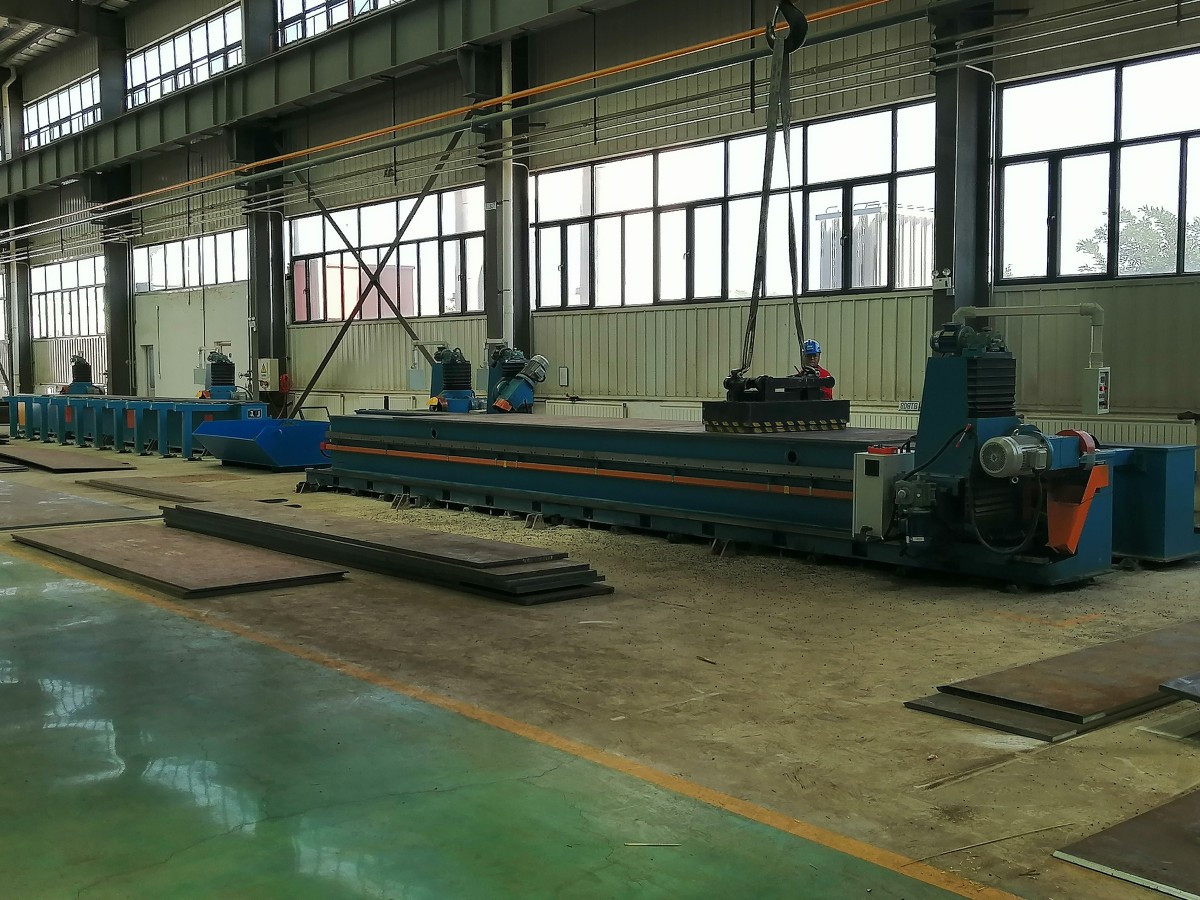
A pressure vessel edge milling machine is not merely preparing metal for welding. It is setting the foundation for fit-up quality, welding stability, inspection success, and long-term vessel integrity.
The main risk is not dramatic visible failure at the milling stage. It is hidden variation that spreads into welding, distortion, repairs, and documentation pressure later.
For quality control and safety managers, the best response is to evaluate repeatability, monitor drift, connect machining data with welding outcomes, and strengthen control before defects appear.
In pressure vessel fabrication, reliable welding begins with reliable preparation. When bevel geometry is controlled well, many downstream risks become easier to prevent, measure, and manage.
