




Maintenance Priorities for High Precision Non-Standard Edge Milling Machines
— —
Maintenance Priorities for High Precision Non-Standard Edge Milling Machines
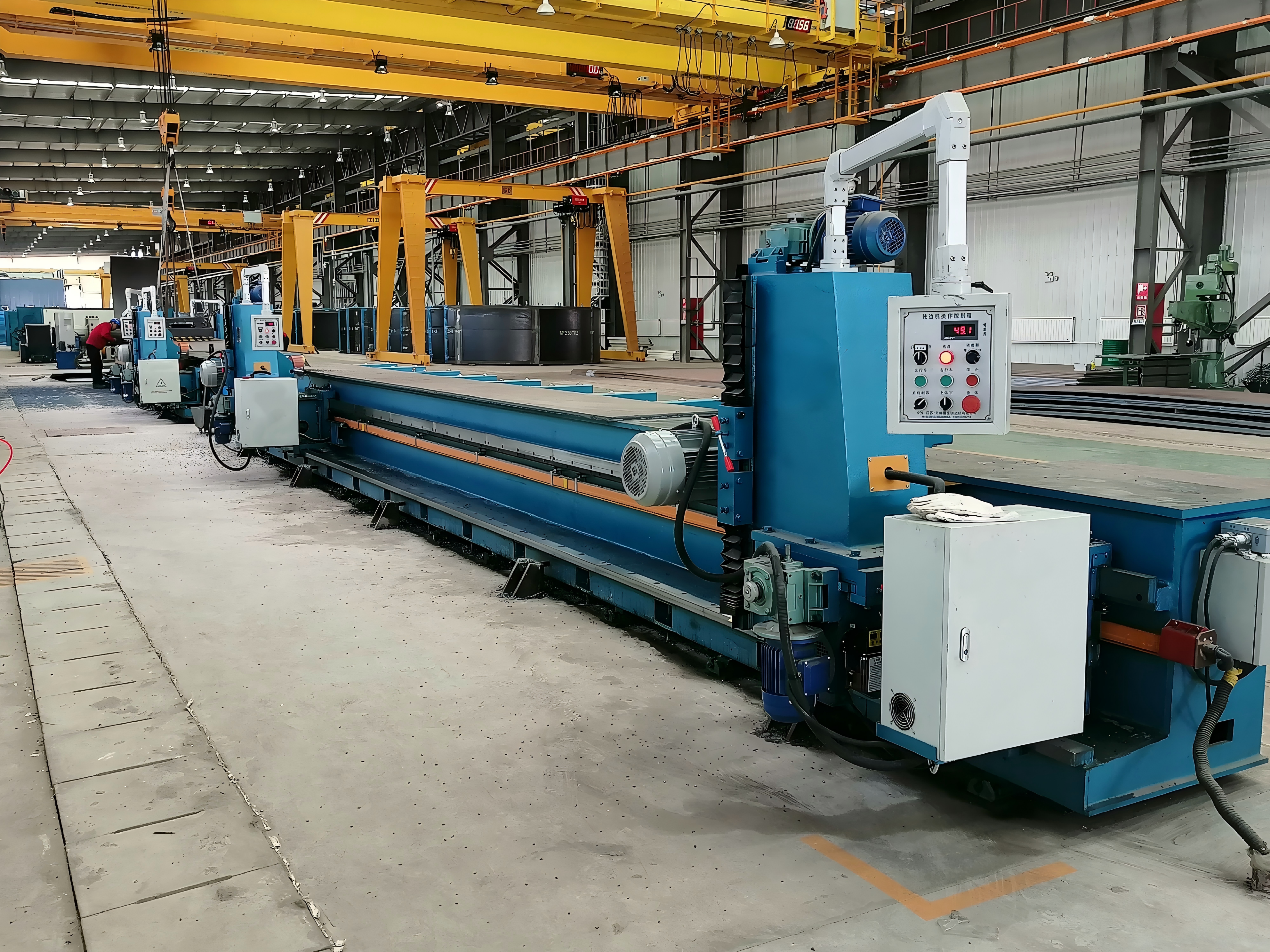
For after-sales maintenance teams, keeping a High precision non-standard edge milling machine in peak condition is essential to machining accuracy, equipment life, and customer satisfaction.
Understanding maintenance priorities helps reduce downtime, avoid precision drift, and support stable output in heavy fabrication and precision plate processing environments.
In modern manufacturing, a High precision non-standard edge milling machine often handles demanding edge preparation, beveling, and surface consistency tasks.
That means maintenance should match real operating scenarios, not just a fixed calendar. Different workloads create different risks, and those risks should guide service decisions.
Why maintenance priorities change across operating scenarios
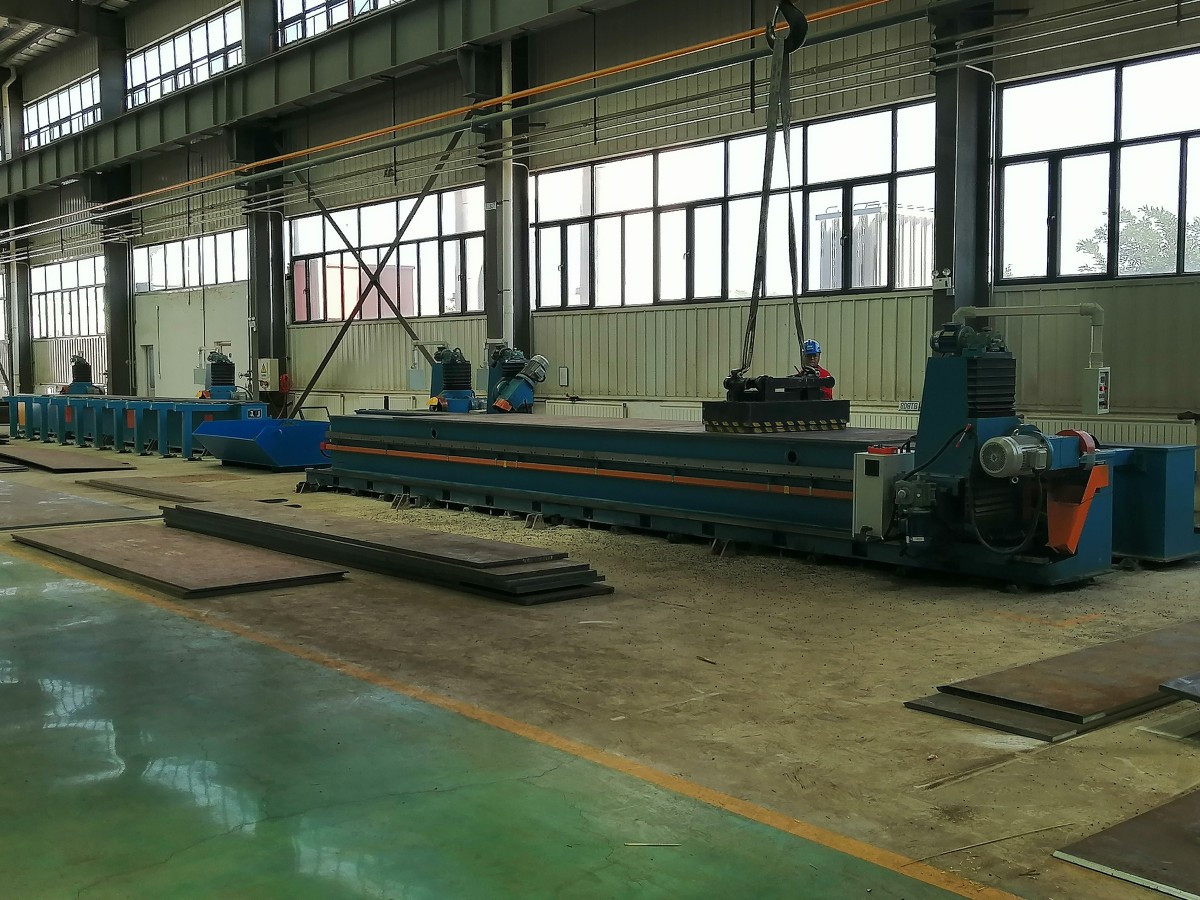
Not every High precision non-standard edge milling machine works under the same conditions. Plate thickness, material hardness, shift length, and cooling quality all affect wear patterns.
Machines processing carbon steel for long hours face different issues than machines handling alloy steel in short, high-accuracy batches.
A scenario-based maintenance plan improves service efficiency. It also helps technicians focus on the parts most likely to affect edge quality and dimensional repeatability.
For companies such as Wuxi Armada International Trade Co., Ltd, practical maintenance support matters because machining equipment must perform reliably across varied export-market applications.
Scenario 1: High-load continuous production lines
In continuous production, the top maintenance priority is spindle and drive stability. Long operating hours increase heat, vibration, and lubrication stress.
A High precision non-standard edge milling machine in this scenario should be checked daily for spindle temperature, bearing noise, feed smoothness, and cutter holding reliability.
Guide rails and ball screws also deserve priority. Fine metal particles, insufficient lubrication, or minor alignment shifts can quickly reduce milling accuracy.
Coolant circulation is equally important. Poor coolant flow raises tool temperature, accelerates wear, and causes unstable surface finish on milled edges.
Core judgment points in continuous-duty use
- Is spindle temperature rising beyond the normal baseline?
- Are lubrication lines blocked or underfeeding critical points?
- Has chip accumulation reached guide rail or sensor areas?
- Is feed motion still smooth under full production load?
Scenario 2: High-accuracy batch machining with tight tolerances
When edge straightness and angle consistency matter most, geometry control becomes the leading maintenance priority.
In this case, a High precision non-standard edge milling machine needs frequent checks on table flatness, cutter head runout, fixture stability, and axis repeatability.
Even small backlash changes can cause edge deviation. That is why periodic calibration should come before visible defects appear.
Electrical stability also matters. Servo fluctuations, encoder contamination, or loose wiring can create position errors that are difficult to trace later.
This same precision mindset also applies to other forming equipment. For example, ZC28-12.5 thread rolling machine uses rigid structure, PLC control, and multi-mode operation to maintain consistent results in cold rolling applications.
Core judgment points in precision-focused work
- Has cutter runout changed from the last recorded value?
- Do trial cuts show edge angle drift or uneven finish?
- Is fixture clamping repeatable across multiple parts?
- Are servo alarms or unstable feedback signals appearing?
Scenario 3: Mixed-material processing and frequent changeovers
A High precision non-standard edge milling machine used for carbon steel, alloy materials, or non-ferrous plates faces variable cutting loads and contamination behavior.
Here, the maintenance priority shifts toward cleaning discipline, parameter verification, and tooling management between jobs.
Different materials produce different chips and heat levels. If residues remain after changeover, the next process may suffer from poor clamping or scratched surfaces.
Operators should inspect cutter wear patterns after every material switch. Uneven wear often signals wrong speed, poor coolant targeting, or unstable workpiece support.
Core judgment points in mixed-material environments
- Are chips and coolant residues fully removed before the next batch?
- Do tooling settings match the new material condition?
- Is fixture pressure adjusted for thickness and hardness changes?
- Have reference measurements been confirmed after setup change?
How maintenance needs differ by scenario
Practical maintenance priorities that should rarely be delayed
Regardless of scenario, some tasks should remain near the top of every service schedule for a High precision non-standard edge milling machine.
- Inspect spindle condition, sound, vibration, and temperature trend.
- Verify lubrication delivery to rails, screws, and moving joints.
- Clean chips from guideways, covers, sensors, and clamping zones.
- Check cutter wear, clamping force, and tool seating surfaces.
- Confirm servo feedback, electrical cabinet cleanliness, and cable tightness.
- Measure reference accuracy using a repeatable sample part.
These actions protect machining quality better than waiting for alarms or visible defects. Preventive attention is usually less costly than emergency correction.
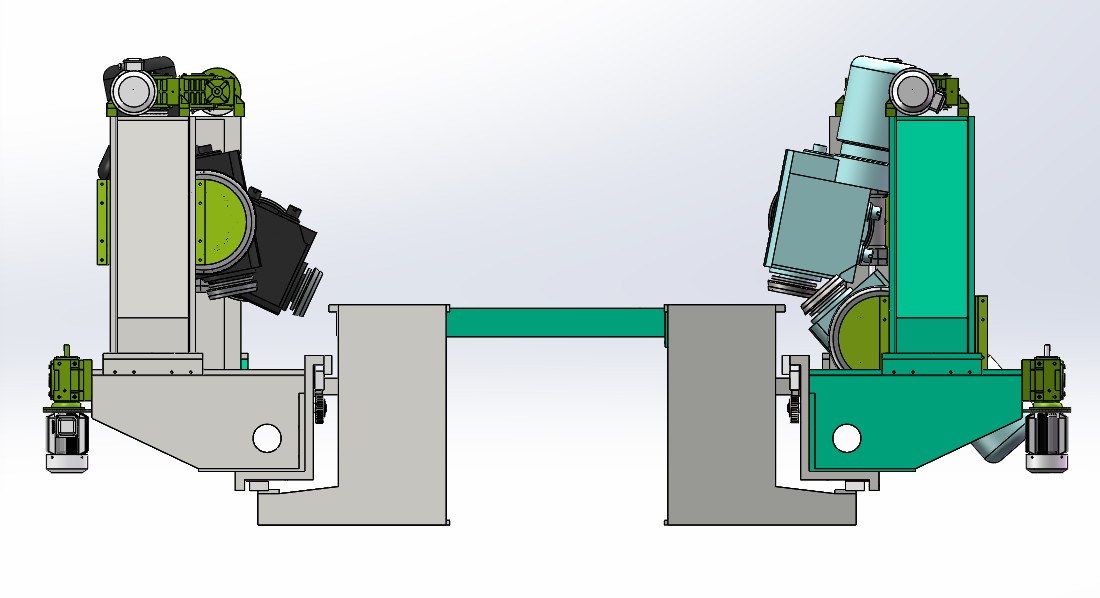
Scenario-based adaptation suggestions for service planning
A useful service plan should combine fixed intervals with operating evidence. Runtime alone does not tell the full story.
- Use daily checks for heat, noise, chips, and coolant condition.
- Use weekly checks for fasteners, lubrication consumption, and visible alignment changes.
- Use monthly checks for backlash, spindle runout, and sample-part accuracy.
- Increase inspection frequency after material changes or abnormal cutting loads.
In broader metalworking lines, complementary equipment also benefits from scenario-based upkeep. A second example is the ZC28-12.5 model, designed for precision external thread rolling on carbon steel, alloy steel, and non-ferrous metals.
Its specifications include 200KN maximum rolling pressure, rolling diameter of Φ20-80mm, hydraulic power of 4kw, and active power of 7.5kw, showing how stable structure supports consistent forming performance.
Common misjudgments that reduce equipment life
One common mistake is treating all accuracy problems as tooling issues. In reality, guide rail contamination or servo instability may be the deeper cause.
Another mistake is delaying calibration because production still seems acceptable. Precision loss often develops gradually before rejection rates rise.
Some teams also focus on mechanical parts but ignore electrical cabinets. Dust, loose terminals, and cooling failure can disrupt a High precision non-standard edge milling machine without warning.
Finally, coolant management is often underestimated. Dirty or unstable coolant shortens tool life and weakens edge finish consistency.
Next steps for improving maintenance results
Start by dividing equipment into real application scenarios. Then match each High precision non-standard edge milling machine with clear inspection priorities, records, and trigger points.
Build a simple checklist covering spindle health, lubrication, geometry, tooling, coolant, and electrical stability. Review trend data instead of relying only on one-time observations.
When maintenance planning follows scenario logic, machining accuracy becomes easier to protect, downtime becomes easier to control, and long-term equipment value becomes easier to preserve.
That approach creates more stable performance for every High precision non-standard edge milling machine working in demanding fabrication and processing operations.
