




Machinery Manufacturing Edge Milling Machine Cost Factors to Watch This Year
— —
Machinery Manufacturing Edge Milling Machine Cost Factors to Watch This Year
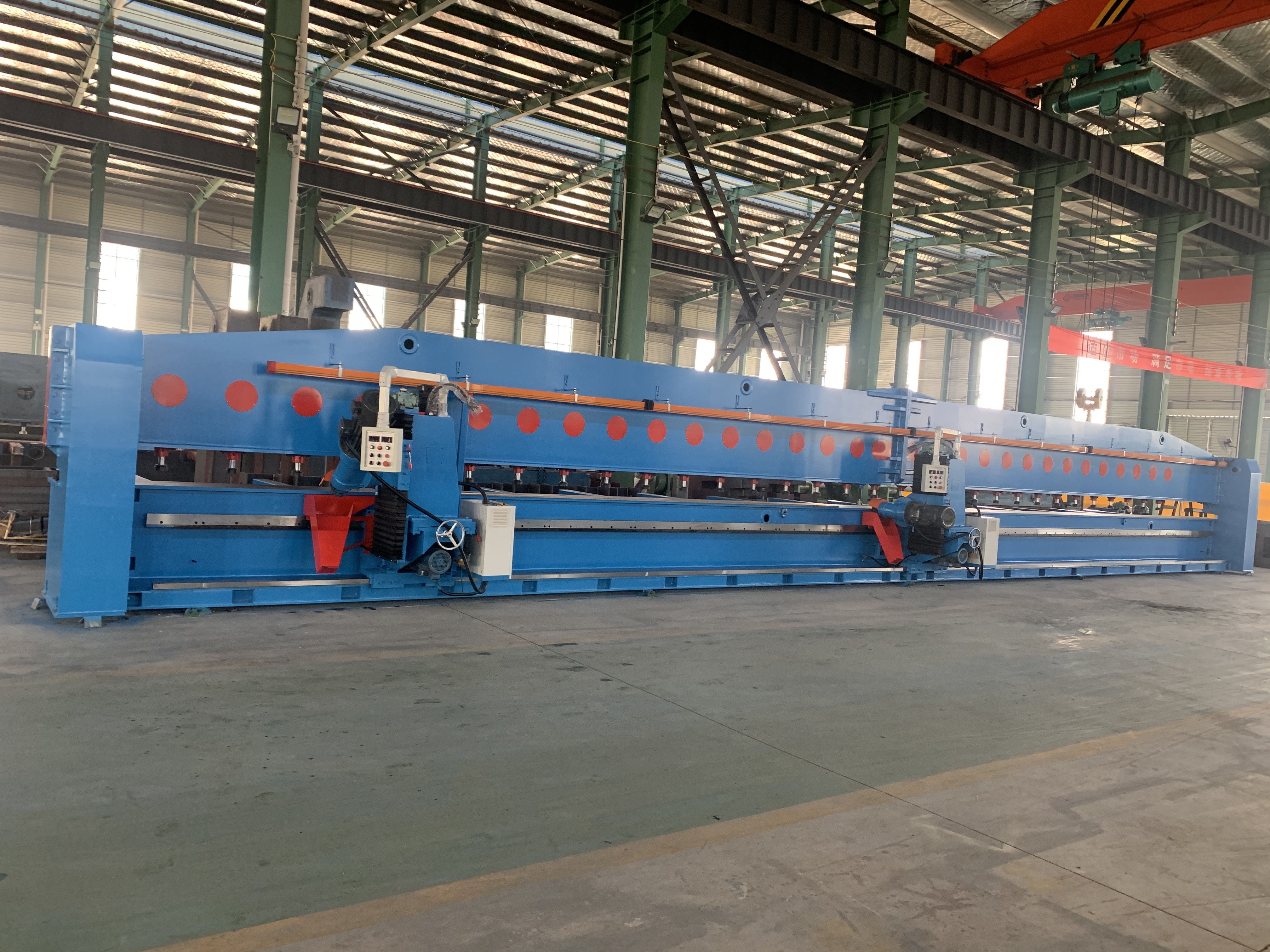
For financial decision-makers evaluating machinery manufacturing edge milling machine investments this year, understanding cost drivers is essential to controlling budgets and maximizing ROI.
From specifications and automation to compliance, logistics, and maintenance, every detail changes total ownership cost in machinery manufacturing edge milling machine projects.
This year, pricing is shaped by more than the machine itself. Buyers must read the full cost structure before comparing quotations.
Machinery manufacturing edge milling machine pricing is moving beyond base machine quotes
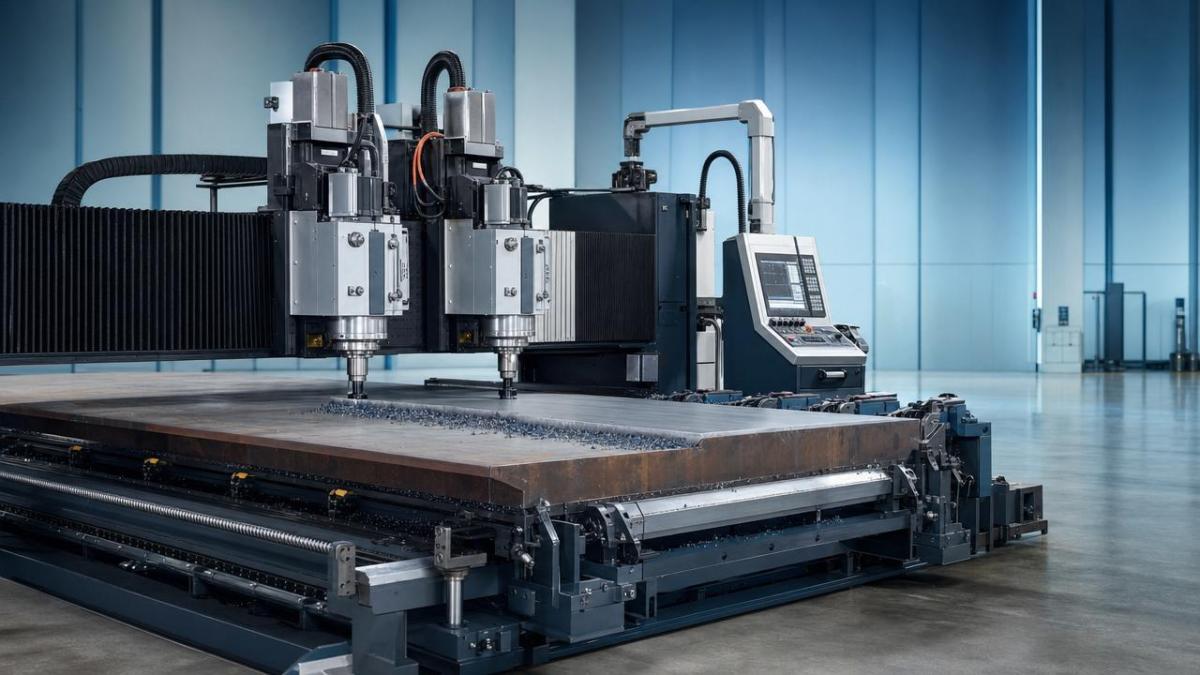
In the machinery manufacturing edge milling machine market, list price no longer tells the whole story.
Steel costs, electrical components, servo systems, and freight volatility have all changed quotation logic across manufacturing and processing machinery.
At the same time, more projects require tighter bevel accuracy, cleaner edge preparation, and better integration with upstream cutting and downstream welding.
That means a machinery manufacturing edge milling machine with a low entry price can become expensive after tooling, training, compliance, and service are included.
This year’s cost signals reflect demand for higher precision and smarter production
Several trend signals explain why machinery manufacturing edge milling machine costs are changing in practical terms.
- Fabricators increasingly want multi-angle edge processing in one setup.
- Labor pressure pushes demand toward semi-automatic and automatic loading features.
- Export-oriented production requires CE-aligned electrical safety and stable documentation.
- Energy efficiency and lower scrap rates matter more in full cost calculations.
- Customers compare machines by lifecycle value, not only by initial capital expense.
These signals affect not just premium models. Even standard machinery manufacturing edge milling machine configurations now need stronger process consistency.
The biggest machinery manufacturing edge milling machine cost drivers can be mapped clearly
A structured comparison helps identify where budget pressure will appear first.
Machine specifications still set the pricing floor
The core design of a machinery manufacturing edge milling machine remains the primary cost base.
Bed rigidity, guide rail quality, spindle power, clamping force, and feed stability directly affect bevel uniformity and machine lifespan.
Machines intended for thicker plates or long workpieces need stronger structural engineering, which increases material and machining cost.
Automation can raise purchase price but lower process cost
A more advanced machinery manufacturing edge milling machine often includes servo positioning, digital angle adjustment, and operator-friendly interfaces.
These options increase the quotation, but they may reduce setup time, rework, and dependence on highly experienced operators.
This tradeoff matters when throughput stability is more valuable than the lowest capital number.
Hidden ownership costs often decide whether the machine is actually competitive
Many machinery manufacturing edge milling machine comparisons fail because indirect costs are ignored during evaluation.
- Tool wear and cutter replacement frequency
- Lubrication, coolant, and filtration requirements
- Electrical consumption during long production shifts
- Unplanned downtime caused by poor spare parts availability
- Operator training time and programming errors
- Foundation, lifting, and workshop layout adjustments
For this reason, the best machinery manufacturing edge milling machine quote is often the one with the clearest service scope.
In some production lines, finishing quality also affects downstream appearance.
A complementary process such as Standard Magnetic polishing machine may improve burr removal and surface brightness for smaller precision metal parts.
That kind of integration is useful when evaluating broader equipment efficiency rather than one standalone machine price.
Supplier capability now influences machinery manufacturing edge milling machine value more than before
This year, supplier strength has become a major cost factor because support quality affects startup speed and lifetime risk.
A company with broad mechanical equipment experience can often provide more practical configuration advice and better cross-process matching.
Wuxi Armada International Trade Co., Ltd supplies automatic welding equipment, CNC cutting machines, milling machines, CNC machine tools, lathes, laser systems, and edge milling equipment.
Its product portfolio supports solution-based comparison instead of isolated machine selection.
The company follows ISO9001 quality system certification and EU CE standards in production organization and design.
That matters when documentation, repeatability, and export readiness are part of the project cost equation.
Cost impact differs across production stages and business needs
Not every machinery manufacturing edge milling machine project is affected in the same way.
This is why machinery manufacturing edge milling machine budgeting should begin with process demands, not catalog browsing.
The smartest response is to evaluate cost through a full-line manufacturing lens
A strong evaluation method combines technical fit, service clarity, and lifecycle economics.
- Define real plate sizes, material grades, and annual throughput before requesting quotes.
- Ask whether the machinery manufacturing edge milling machine supports future automation upgrades.
- Confirm included tooling, spare parts, commissioning, and operator training.
- Compare energy use, maintenance intervals, and expected cutter consumption.
- Review supplier response time, export experience, and documentation quality.
- Check whether adjacent finishing equipment can improve total line efficiency.
For example, where deburring and polishing quality affects small metal components, the same supplier ecosystem may also include magnetic finishing solutions.
One option is the Standard Magnetic polishing machine, available in models such as R-G08, R-G12, R-G18, and R-G18L.
It supports fast grinding, burr removal, cleaning, and polishing for precision parts without damaging accuracy or surface shape.
A clearer cost model leads to better machinery manufacturing edge milling machine decisions
This year, machinery manufacturing edge milling machine pricing is being shaped by specification upgrades, labor realities, compliance needs, and service expectations.
The most reliable decision comes from analyzing total ownership cost, application fit, and supplier capability together.
When comparing offers, request a line-by-line breakdown covering machine configuration, accessories, training, shipping, and after-sales scope.
That approach makes machinery manufacturing edge milling machine selection more predictable, more strategic, and far more cost-efficient over time.
If the goal is stronger productivity with fewer purchasing surprises, the next step is to compare suppliers by complete solution value rather than headline price alone.
