




Is a 1000 tons welding rotator worth the investment
— —
Is a 1000 tons welding rotator worth the investment
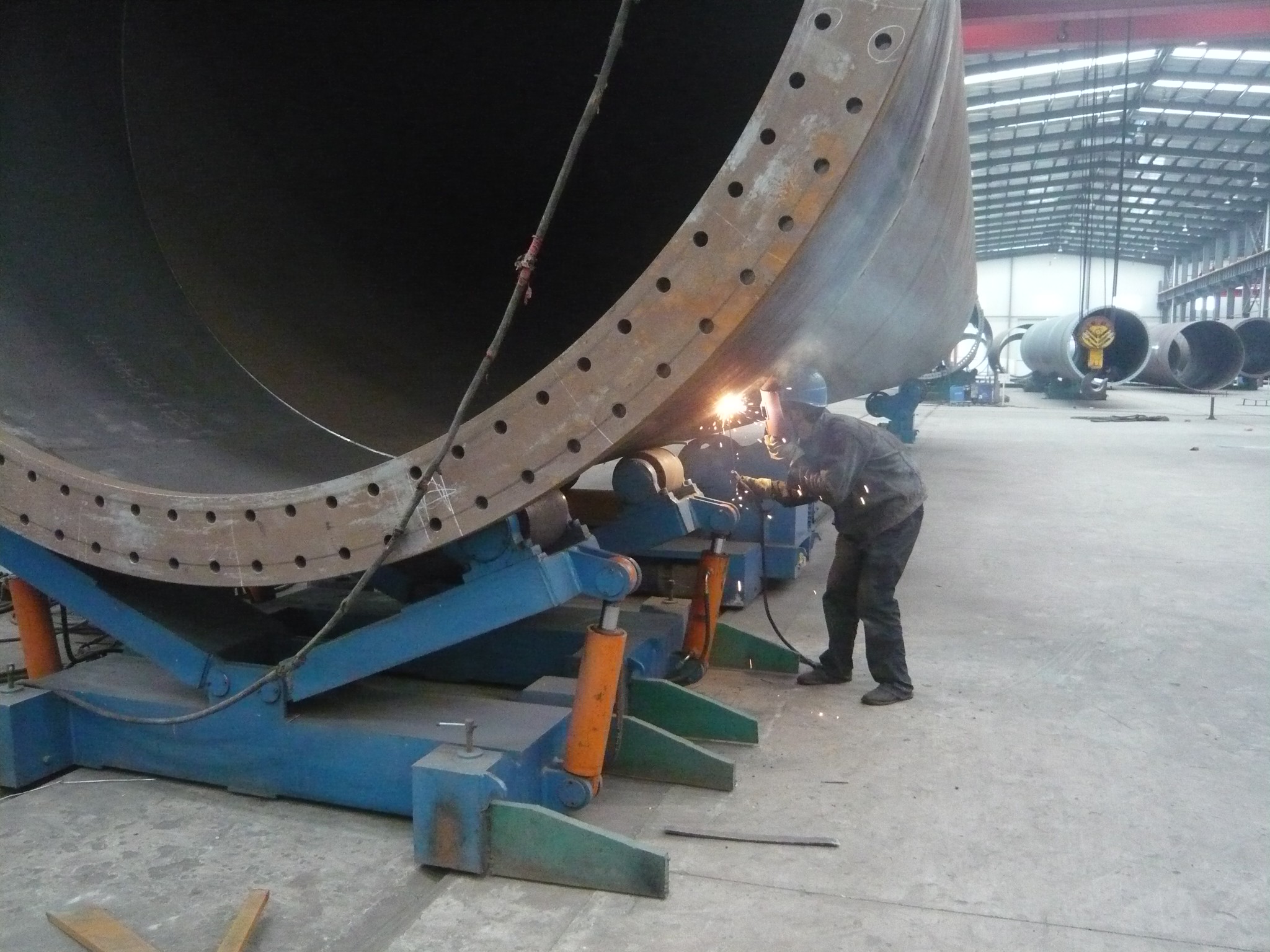
For financial decision-makers, the question is not only whether a 1000 tons welding rotator can move massive workpieces safely. It is whether that capacity creates lasting operational and financial value.
In heavy fabrication, a 1000 tons welding rotator can reduce manual handling, stabilize welding quality, shorten cycle time, and lower rework exposure. The investment case depends on workload, process integration, and total cost control.
Understanding the role of a 1000 tons welding rotator
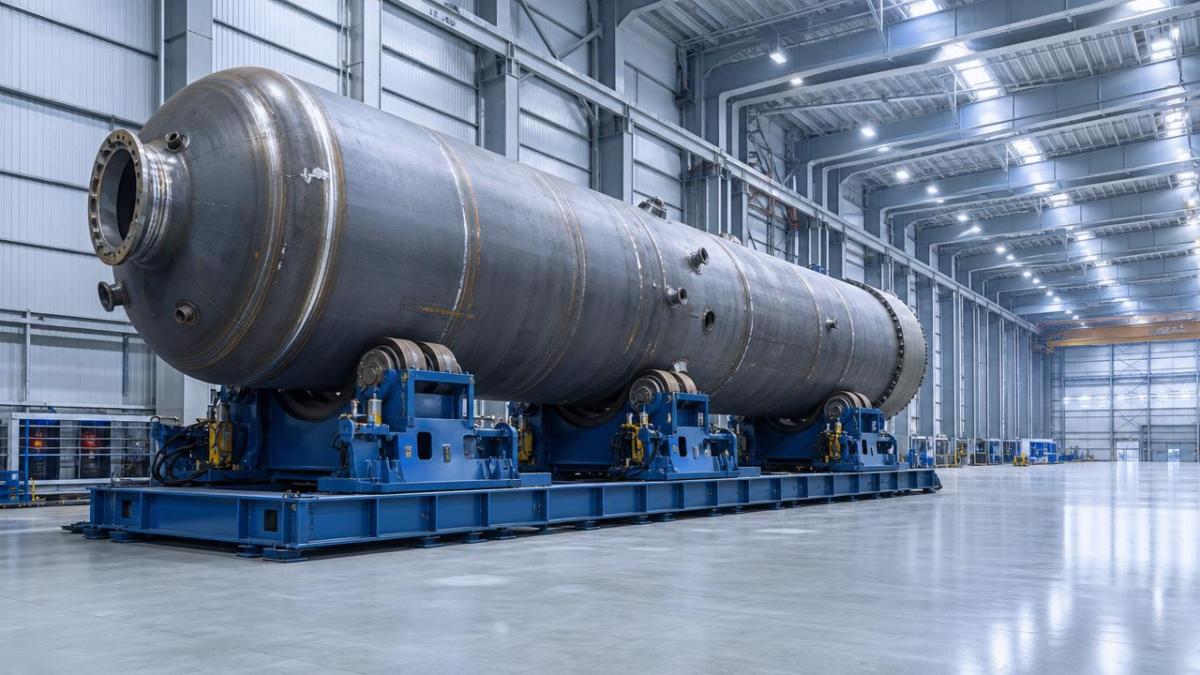
A 1000 tons welding rotator is built to rotate and position extremely heavy cylindrical workpieces during welding, assembly, surfacing, and inspection. Typical examples include pressure vessels, offshore structures, wind components, and large storage sections.
Its value comes from controlled rotation. Better positioning improves arc stability, weld consistency, operator safety, and access to difficult seams. For large parts, this can influence throughput more than many smaller process upgrades.
In capital equipment planning, the 1000 tons welding rotator should be assessed as a productivity system, not only as a handling device. The difference matters when calculating payback and utilization.
Current industry signals affecting investment decisions
Large-scale manufacturing is under pressure to deliver faster lead times, tighter tolerances, and safer working conditions. This makes high-capacity automation more relevant than before.
- Bigger fabricated structures require stable positioning equipment.
- Labor shortages increase the value of reduced manual intervention.
- Quality standards raise the cost of weld defects and rework.
- Project schedules reward equipment that supports continuous flow.
These trends mean the 1000 tons welding rotator often supports more than one KPI. It can affect utilization, delivery reliability, safety performance, and margin protection at the same time.
Where the investment value becomes measurable
The investment is usually worth considering when heavy parts move repeatedly through welding stations. Repetition creates the data needed to justify the machine.
The strongest return appears when the 1000 tons welding rotator removes a recurring production bottleneck. If large parts are already delaying downstream operations, the financial case becomes clearer.
Related equipment and process integration
A heavy-duty welding line performs best when upstream cutting and downstream welding are aligned. Poor material preparation can reduce the benefit of even the best rotator system.
For example, accurate plate preparation from a Gantry CNC plasma cutting machine can improve fit-up quality before rolling and welding. Better edge accuracy helps reduce mismatch, wasted filler, and correction time.
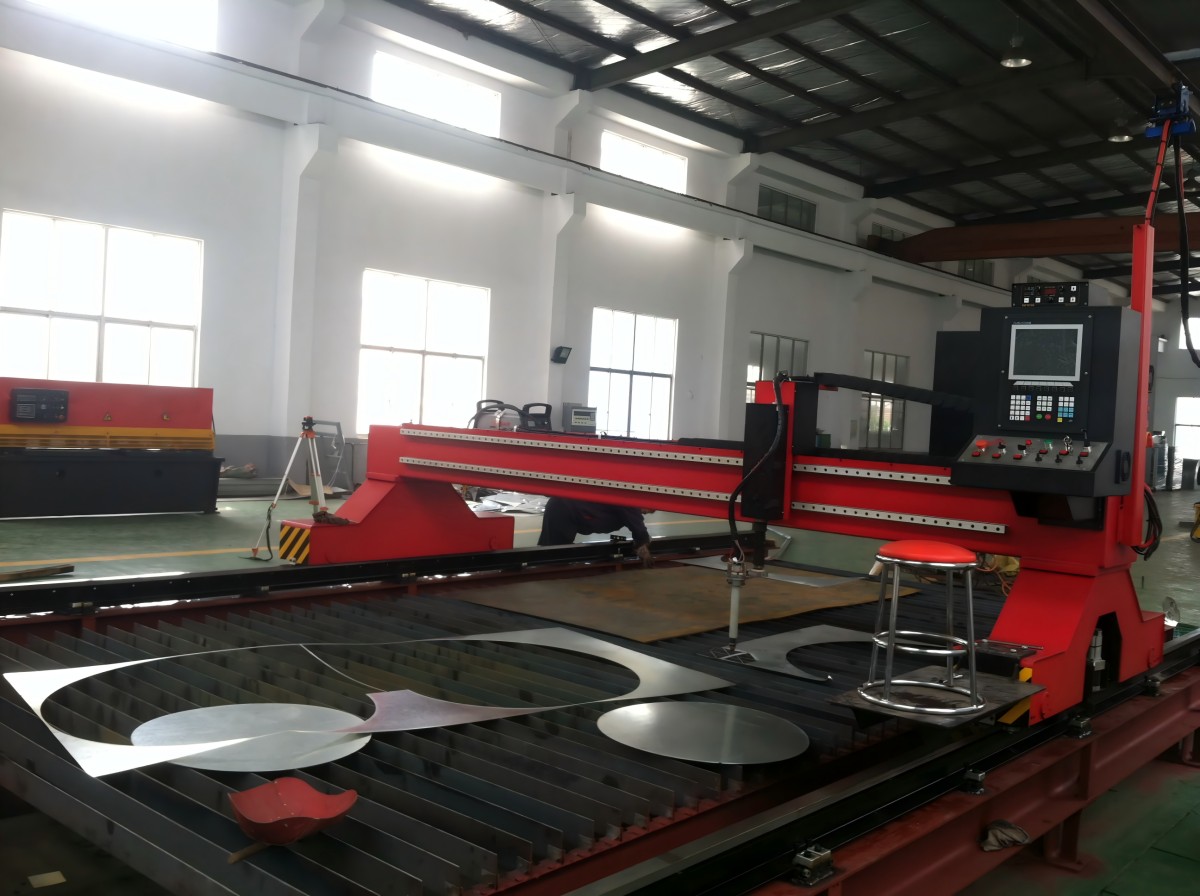
This type of cutting system offers fast processing, CNC automation, and broad metal compatibility. In integrated workshops, that supports the efficiency gains expected from a 1000 tons welding rotator.
Typical situations where a 1000 tons welding rotator makes sense
- Large pressure vessel fabrication with repeated shell welding
- Offshore and marine sections requiring stable heavy rotation
- Wind tower or energy equipment with oversized cylindrical parts
- Projects where crane availability limits production flow
- Facilities expanding toward automated welding systems
If production volume is low or part sizes vary excessively, the investment may need deeper review. Underused capacity weakens the return, even with strong technical performance.
Practical evaluation points before purchase
Before buying a 1000 tons welding rotator, compare actual workloads against realistic utilization. Capacity alone should not drive the decision.
- Check annual tonnage and the share of heavy cylindrical jobs.
- Measure current delays caused by repositioning and handling.
- Estimate savings from lower rework and fewer crane moves.
- Review floor space, power supply, and control compatibility.
- Confirm after-sales support, spare parts, and commissioning services.
Wuxi Armada International Trade Co., Ltd supplies welding and metal processing equipment under ISO9001 and EU CE-oriented standards. Broad equipment experience can support better line matching and project planning.
Final assessment and next step
So, is a 1000 tons welding rotator worth the investment? In high-volume heavy fabrication, the answer is often yes when it raises throughput, improves weld consistency, and cuts handling risk.
The smartest next step is a line-level review of part sizes, cycle times, and bottlenecks. A 1000 tons welding rotator delivers the best return when it is selected as part of a complete production solution.
