




How to compare China welding rotator suppliers wisely
— —
How to compare China welding rotator suppliers wisely
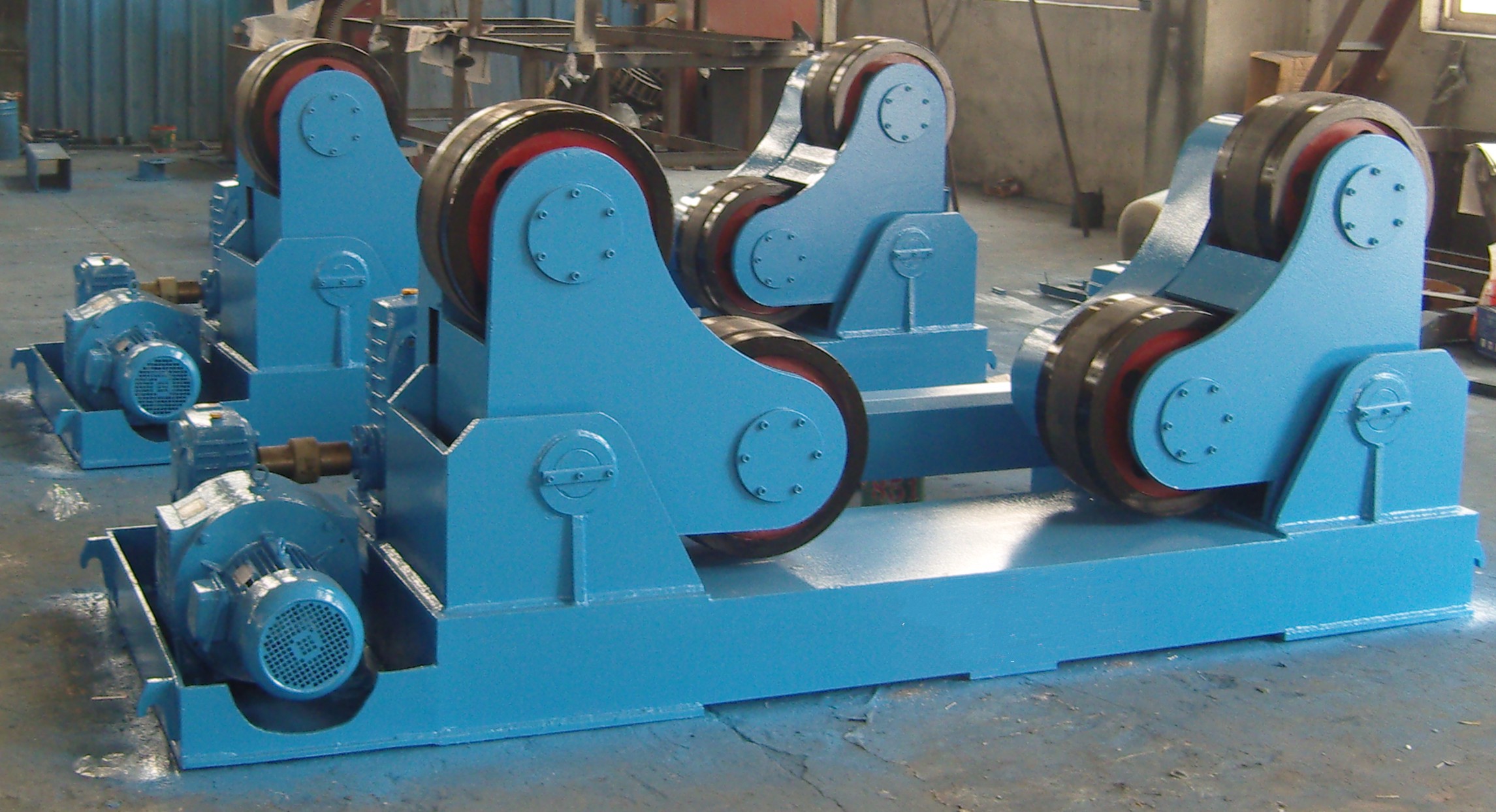
Choosing the right China welding rotator supplier can directly affect your production efficiency, weld quality, and long-term costs. For procurement professionals, a wise comparison goes beyond price to include technical capability, certification, customization, delivery reliability, and after-sales support. This guide will help you evaluate suppliers more strategically and avoid common sourcing risks.
In fabrication workshops, a welding rotator is not an isolated purchase. It must match vessel diameter, loading capacity, welding process, line speed, control logic, and plant layout. A supplier that looks competitive on paper may still create hidden costs through weak documentation, slow spare parts response, or poor fit-up accuracy.
For buyers sourcing from China, the opportunity is clear: broad manufacturing capability, flexible customization, and mature export experience. The challenge is comparison discipline. A structured evaluation model helps reduce quality disputes, shorten supplier screening from 6–8 options to 2–3 qualified candidates, and improve total procurement value.
Define your welding rotator requirements before comparing suppliers
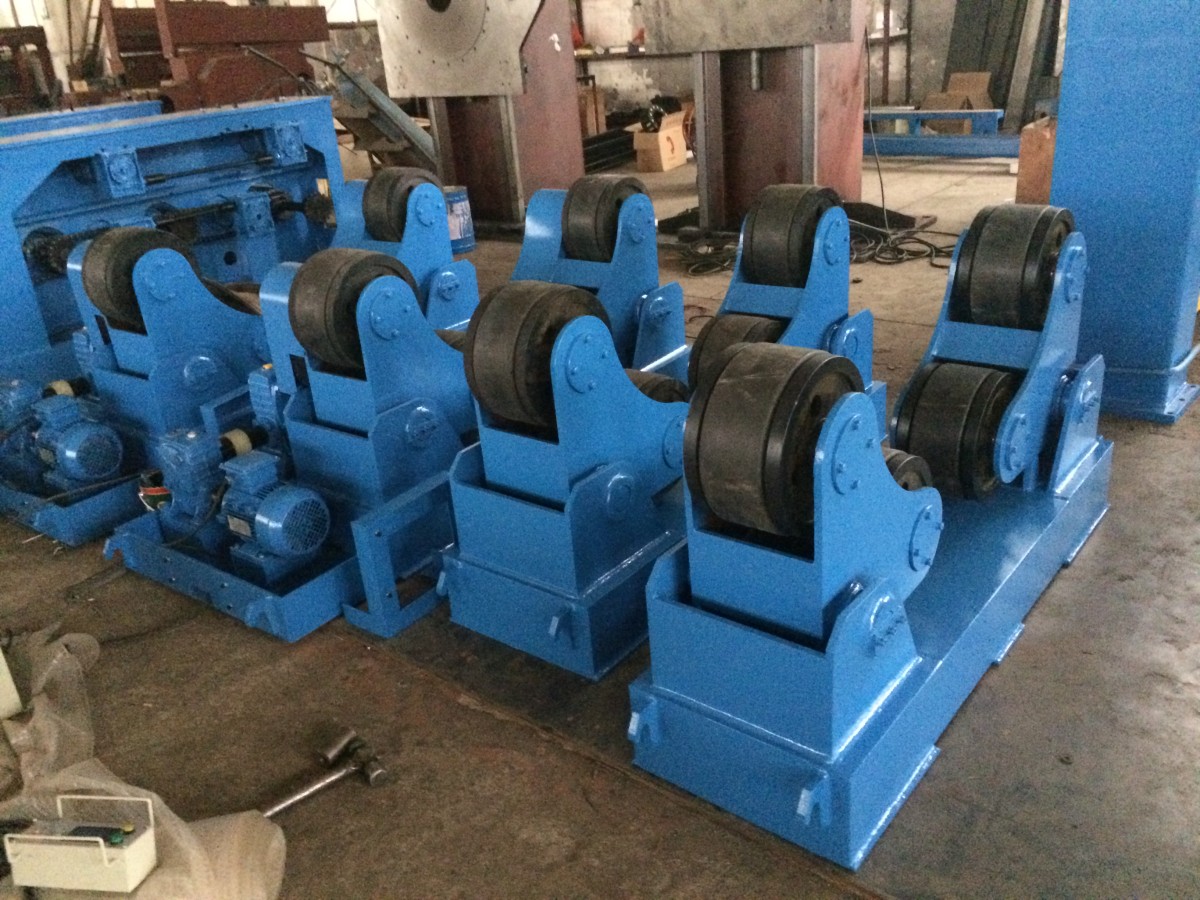
The first mistake many buyers make is asking for quotations too early. If your RFQ only states “China welding rotator needed,” prices will vary widely because suppliers are assuming different load ratings, wheel materials, frame types, control systems, and safety levels.
Key technical inputs to prepare
Before contacting a China welding rotator supplier, define at least 6 inputs: workpiece diameter range, maximum weight, vessel length, rotation speed range, power supply, and required control mode. In many projects, load classes such as 5T, 10T, 20T, 40T, or 60T immediately narrow the supplier pool.
- Workpiece diameter range, for example 800–4500mm
- Maximum turning load, such as 20 tons or 40 tons
- Wheel type: PU, steel, or combined
- Drive type: conventional, self-aligning, or fit-up
- Rotation speed control and inverter brand
- Required standards such as CE-related electrical safety practices
Why this matters for procurement
When specifications are vague, the quotation with the lowest price often excludes critical details like anti-creep function, synchronized dual drive, remote pendant length, or wheel center distance adjustment. These omissions can increase retrofit cost by 10%–25% after installation.
A practical way to compare suppliers is to score them against the same requirement matrix. The table below gives a procurement-oriented structure that can be used during technical review and commercial negotiation.
This framework makes supplier comparison more objective. It also helps internal alignment between engineering, purchasing, and maintenance teams before the PO is released.
Compare supplier capability, not just machine pricing
A reliable China welding rotator supplier should be evaluated as a production partner, not only as a machine seller. In manufacturing and processing machinery, technical depth and export execution are often more important than a 5% price difference.
Production experience and product range
Suppliers with broader fabrication equipment experience often understand upstream and downstream process matching better. Wuxi Armada International Trade Co., Ltd, established in 2012 in Wuxi, Jiangsu Province, focuses on mechanical equipment including automatic welding equipment, CNC cutting machines, welding robots, plate rolling machines, end face milling machines, edge milling machines, and H-beam production line equipment.
This matters because welding rotators are commonly purchased together with manipulators, positioners, cutting systems, or plate preparation equipment. A supplier familiar with full workshop workflows can reduce interface issues across 2–3 linked machines and give more practical line recommendations.
Certification and export readiness
For overseas procurement, ask whether production and design are organized according to ISO9001 practices and whether equipment can be prepared to EU CE-related requirements when needed. Also check export packing, manuals in English, electrical adaptation for 220V/380V/415V, and response to destination customs documents.
Questions worth asking during supplier screening
- What percentage of your equipment is exported, and to which regions?
- Can you provide FAT support by video or on-site before shipment?
- What is your standard lead time, such as 20–35 days or 45–60 days for custom designs?
- How fast can you provide wear parts, motors, or control components after delivery?
A supplier serving Southeast Asia, Europe, North and South America, and Oceania is usually more familiar with differing voltage standards, packaging expectations, and document accuracy. That reduces avoidable delays at the installation stage.
Review technical details, inspection rules, and linked equipment
A wise comparison of China welding rotator offers should include linked equipment planning. In many metal fabrication plants, welding stations connect with cutting, beveling, or shearing processes. If the same supplier can support adjacent equipment categories, spare parts management and operator training become easier.
Example of adjacent equipment planning
For shops processing medium-thick plates before rolling and welding, a shearing system may be part of the same sourcing decision. For example, Hydraulic guillotine shear is widely used in aviation, metallurgy, construction, shipbuilding, automobiles, and electrical appliance manufacturing.
Its cutting accuracy can reach ≤ ±0.02mm, with repeatability positioning accuracy of ±0.01–0.05mm. CNC systems such as Delem or ESTUN support automatic parameter adjustment, multiple program storage, and functions like laser alignment and safety interlock protection. For procurement teams, this kind of detail shows whether a supplier can support process consistency beyond a single machine.
The next table shows how buyers can compare supplier offers at the inspection and service level, where hidden differences often appear after contract signing.
When these points are documented clearly, the buyer is less exposed to vague promises. In B2B machinery sourcing, detailed answers are often a stronger trust signal than aggressive discounts.
Common sourcing mistakes and a smarter shortlist process
Many procurement teams compare 8–10 quotations but still miss the real risk factors. A smarter process is to prequalify, technically normalize, and only then negotiate price.
Three common mistakes
- Comparing total price without checking what is excluded from the offer
- Selecting a supplier based only on photos rather than drawings, test procedures, and manuals
- Ignoring after-sales response time until the first breakdown occurs
A practical 4-step buyer workflow
- Create a requirement sheet with 10–15 technical and commercial checkpoints
- Shortlist 3 suppliers with matching export and customization capability
- Request drawings, test plans, and component lists before price negotiation
- Finalize contract terms for lead time, acceptance, warranty, and spare parts
If you are evaluating a China welding rotator supplier for long-term cooperation, look for consistency across communication, engineering detail, and delivery discipline. That combination usually creates better lifecycle value than chasing the lowest initial number.
Wuxi Armada International Trade Co., Ltd combines manufacturing experience, broad machinery supply capability, and solution-oriented support for fabrication buyers. If you need help comparing configurations, checking technical suitability, or planning related workshop equipment, contact us now to get a tailored solution, discuss product details, and explore more efficient sourcing options.
