




How to Compare a Welding Positioner Seller Beyond Price Quotes
— —
How to Compare a Welding Positioner Seller Beyond Price Quotes
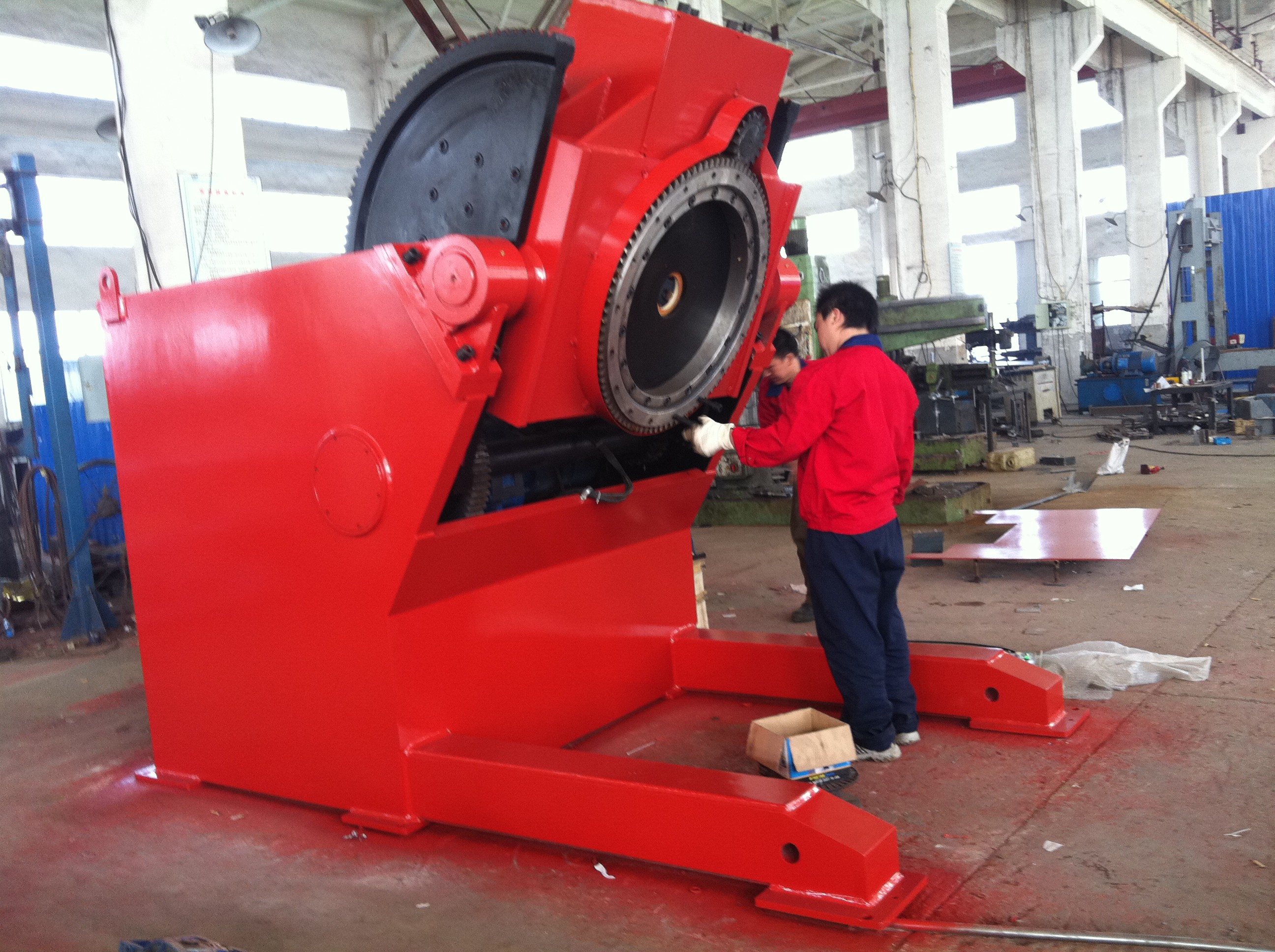
Choosing a Welding positioner seller should never come down to price alone. For business evaluators, the real comparison lies in equipment quality, compliance standards, customization ability, delivery reliability, and long-term service support. This guide explains how to compare suppliers in a practical way, reduce sourcing risk, and gain better value across the full machine lifecycle.
What should define a reliable Welding positioner seller?
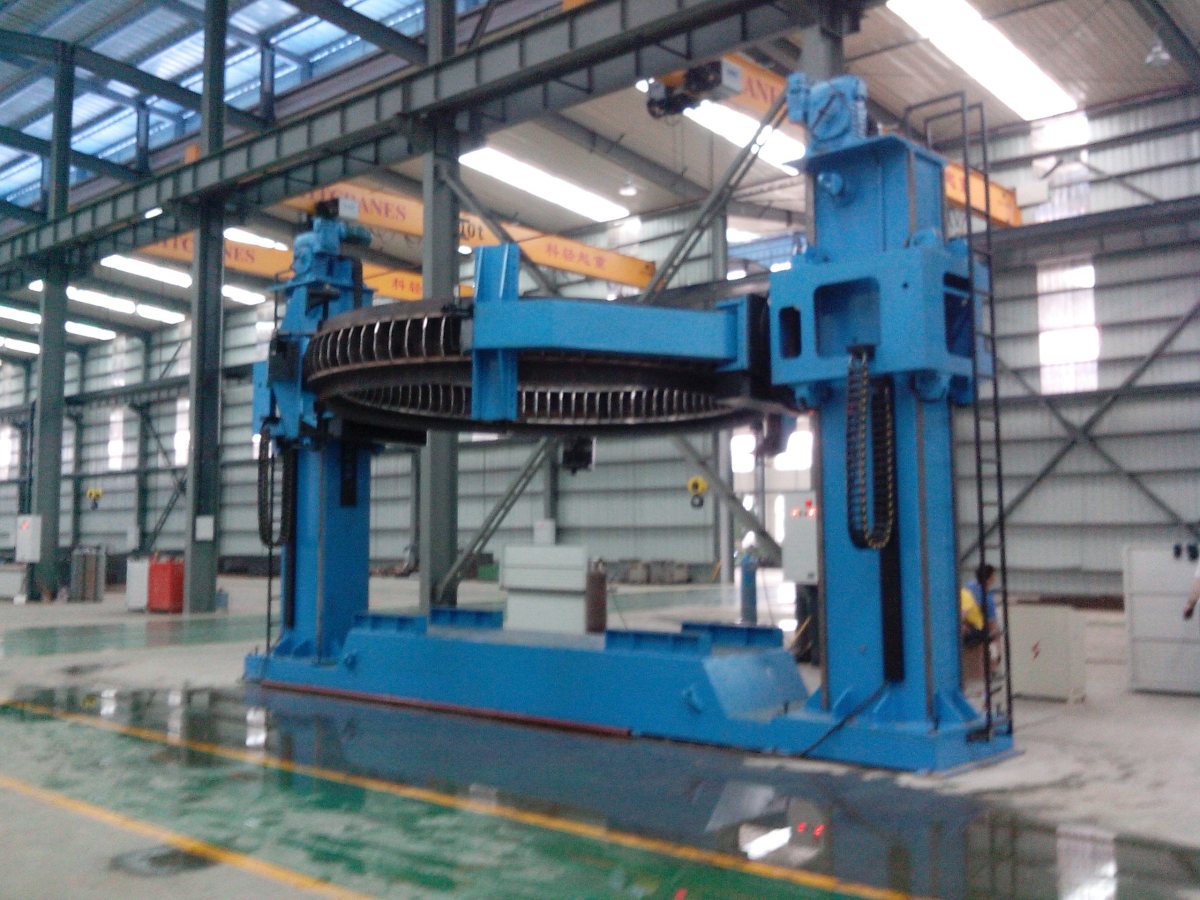
A reliable Welding positioner seller offers more than a quotation sheet. The seller should show stable production capability, technical clarity, and honest communication.
In manufacturing and processing machinery, machine stability affects weld quality, cycle time, and operator safety. A low quote can hide weak components or limited after-sales support.
Look for evidence of product consistency, documented testing, and real export experience. A good seller explains load capacity, rotation control, tilting range, and duty cycle clearly.
How can you compare equipment quality beyond price?
Start with the machine structure. Check the frame rigidity, motor brand, gearbox durability, control system, bearing quality, and welding accuracy of the platform itself.
Ask whether the seller provides material specifications, assembly details, and testing records. These points reveal whether the machine is designed for long production runs or light intermittent use.
A dependable Welding positioner seller should also explain matching solutions. Positioners often work with welding robots, manipulators, turning rolls, or automated welding stations.
For factories handling broader metal forming tasks, related equipment matters too. Some suppliers also provide plate rolling solutions like Hydraulic bending machine with 3 roller.
That type of machine is suitable for processing equipment using thick sheet materials, including plate thickness of 50mm or more. It rolls metal into cylinders, cones, arcs, and other formed parts.
A seller with cross-category knowledge often understands workflow integration better. That can help when production lines require both welding positioning and plate forming accuracy.
Why do certifications and standards matter when choosing a Welding positioner seller?
Compliance reduces hidden risk. Ask whether production follows ISO9001 quality management and whether equipment can meet CE or other destination market requirements.
Certifications alone are not enough. The seller should provide traceable documents, electrical drawings, user manuals, and safety details for controls, emergency stops, and overload protection.
Wuxi Armada International Trade Co., Ltd specializes in mechanical equipment and related products, including automatic welding equipment, CNC cutting machines, welding robots, and forming machinery.
Its product organization and design follow ISO9001 quality system certification and EU CE standards. That approach is useful when comparing export-ready machinery suppliers.
How do customization and delivery support affect the final decision?
Not every job needs a standard model. Some workpieces require special table diameter, higher load capacity, variable-speed rotation, foot control, or integration with robotic welding cells.
A strong Welding positioner seller will ask for drawings, part dimensions, center-of-gravity data, and welding process details before confirming the solution.
Delivery capability matters just as much. Confirm production lead time, spare parts availability, export packing standards, installation guidance, and remote troubleshooting response.
Late delivery can delay a full fabrication line. Poor support can stop output even when the initial machine price looked attractive.
What warning signs suggest a Welding positioner seller may be risky?
Be careful if a seller avoids technical questions or gives vague answers. Missing specifications often signal weak engineering support or inconsistent sourcing.
Other warning signs include unclear warranty terms, no inspection process, no reference photos or videos, and no explanation of control brands or electrical components.
Compare total ownership cost, not just unit price. Repairs, downtime, difficult maintenance, and low positioning accuracy can cost more than the original discount saved.
Which comparison checklist helps evaluate a Welding positioner seller quickly?
The best Welding positioner seller is the one that balances machine quality, technical honesty, standards compliance, flexible engineering, and dependable service.
Before placing an order, request detailed specifications, sample inspection evidence, delivery terms, and after-sales commitments in writing. A structured comparison will reveal real value beyond the quote.
If the supplier can support welding equipment, forming machinery, and integrated fabrication solutions, the long-term cooperation potential is often stronger and more efficient.
