




How to Choose a 2000kg Welding Positioner for Pipe and Tank Jobs
— —
How to Choose a 2000kg Welding Positioner for Pipe and Tank Jobs
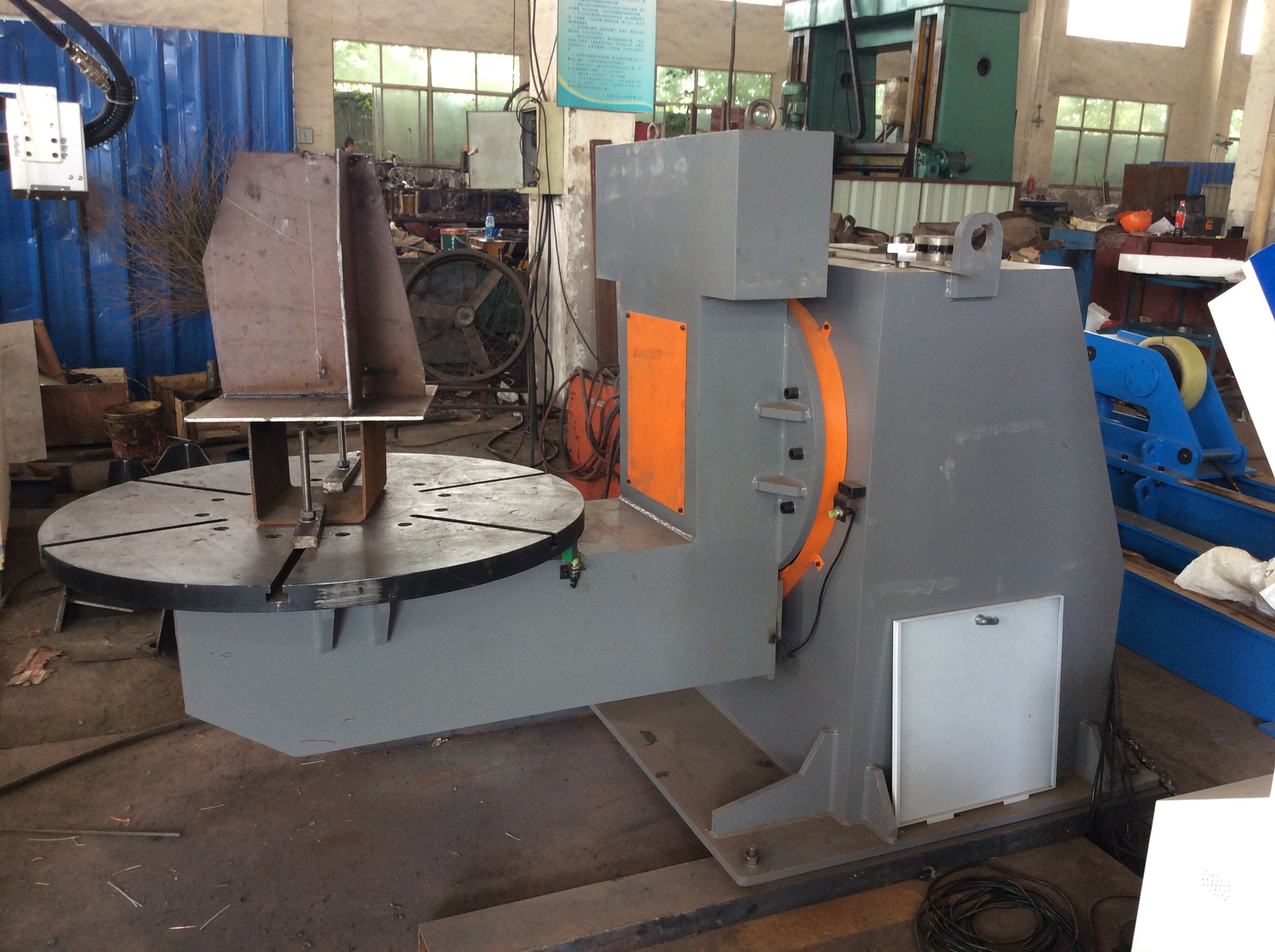
Choosing the right 2000kg welding positioner can directly impact weld quality, production speed, and operator safety in pipe and tank fabrication projects. For project managers and engineering leaders, understanding load capacity, rotation stability, control options, and application fit is essential to avoid costly downtime and mismatched equipment. This guide will help you evaluate the key factors before investing in a reliable welding positioner.
What Project Managers Should Evaluate First
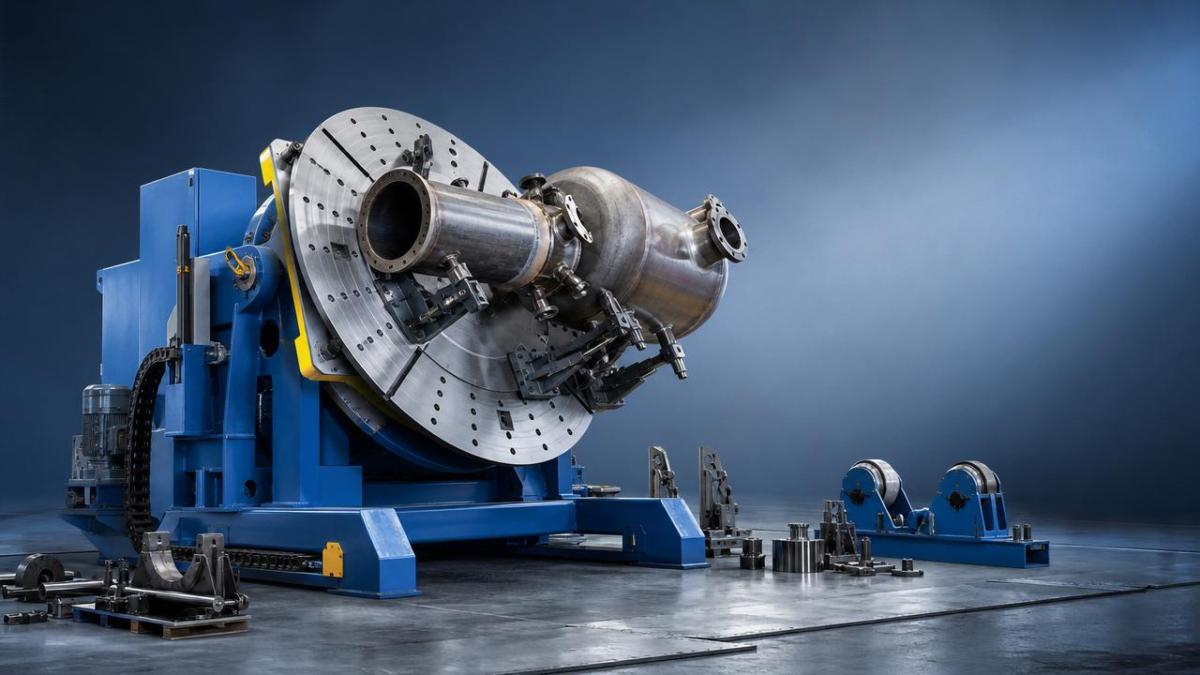
The core search intent behind “2000kg welding positioner” is usually not academic. Buyers want to know whether this machine can safely handle real pipe and tank jobs.
For project managers, the best choice is rarely the cheapest unit. It is the model that matches workpiece size, welding process, shift demands, and site safety requirements.
If your parts approach the rated limit, your decision should focus on stability, center-of-gravity offset, rotation smoothness, and fixture suitability, not just the nameplate capacity.
Why a 2000kg Welding Positioner Is Common in Pipe and Tank Fabrication
A 2000kg welding positioner often fits medium-duty fabrication. It is widely used for pipe spools, pressure vessel sections, tank components, flanges, and cylindrical assemblies.
This capacity range is attractive because it balances flexibility and cost. It can support many common industrial jobs without the footprint and investment of heavier custom systems.
For project planning, this makes it useful in workshops handling mixed production, where different diameters, lengths, and weld positions must be managed efficiently.
Rated Load Is Only the Starting Point
One of the biggest buying mistakes is treating 2000kg as the only decision metric. In practice, usable capacity changes with eccentric loading and workpiece geometry.
A short, balanced tank section is very different from a long pipe spool with an offset center of gravity. The farther the load shifts from the table center, the greater the risk.
Always ask the supplier for maximum horizontal load, maximum eccentricity, tilt limitations, and safe operating conditions. This is essential for accurate equipment matching.
When reviewing specifications, compare your heaviest actual assemblies, including fixtures, chucks, and mandrels. The true working load is often much higher than the raw part weight.
Rotation Stability Directly Affects Weld Quality
For pipe and tank jobs, smooth and consistent rotation matters as much as load capacity. Unstable turning can cause uneven bead appearance, poor penetration, and operator frustration.
Look for speed control that remains stable at both low and moderate rotation rates. This is especially important for circumferential welds using MIG, TIG, or submerged arc processes.
A quality 2000kg welding positioner should provide steady torque output, minimal vibration, and reliable braking performance. These factors improve repeatability and reduce rework.
If your projects require root pass precision or multi-pass heavy welds, rotation smoothness becomes a quality-control issue, not just a comfort feature.
Tilting, Table Size, and Fixture Compatibility Matter More Than Many Buyers Expect
Project leaders often focus on motor power but overlook table dimensions and tilt range. These details decide whether the machine actually supports efficient welding access.
A larger table may be necessary for custom fixtures, pipe turning rolls, or flange clamping arrangements. Without proper fixture compatibility, setup time increases and productivity drops.
The right tilt angle allows welders or automated torches to maintain favorable welding positions. Better access usually means faster travel speed and more consistent weld outcomes.
Before purchase, confirm bolt pattern, table diameter, grounding method, and whether the positioner integrates easily with your existing clamps or special tooling.
Control Options and Automation Readiness
Modern buyers should think beyond basic forward and reverse rotation. Controls influence operator efficiency, training time, and future automation potential.
Useful features may include variable speed control, digital displays, foot pedal operation, remote pendant control, and synchronized interfaces with welding power sources.
If your plant plans to adopt semi-automatic or robotic welding later, choose a positioner that can connect with automation systems from the start.
This reduces the risk of replacing equipment too early and improves long-term return on investment, especially in growing fabrication shops.
Safety and Uptime Are Major Purchasing Criteria
For engineering managers, safety is not separate from productivity. A poorly matched positioner increases the chance of slipping, unstable loads, awkward handling, and avoidable delays.
Check for emergency stop design, anti-fall protection during tilting, overload safeguards, stable base construction, and clear maintenance access to motors and reducers.
Ask how the machine performs in continuous production. A lower-cost system may appear attractive, but frequent service interruptions can quickly erase the initial savings.
Reliable suppliers should also provide documentation, spare parts support, and practical commissioning guidance. These factors matter when delivery schedules are tight.
How to Compare Suppliers Without Missing Hidden Costs
When comparing quotations, do not stop at price, load rating, and lead time. The real value lies in total operating fit and lifecycle reliability.
Review manufacturing standards, welding quality of the frame, reducer brand, bearing selection, control component quality, and previous export or project experience.
It is also smart to assess whether the supplier understands broader fabrication workflows. Companies involved in metal processing equipment often provide stronger application support.
For example, workshops that also process plates for shells and supports may benefit from complementary solutions such as a Plate leveling machine, which helps improve flatness by controlling roller pressure and reducing residual stress before forming or assembly.
A Practical Checklist Before You Buy
Start by listing your maximum workpiece weight, diameter, length, and center-of-gravity conditions. Then define weld process, desired rotation speed, and frequency of daily use.
Next, review whether you need tilting, foot control, remote operation, or future automation interfaces. These options affect both usability and budget.
Then verify fixture requirements, power supply compatibility, floor space, and safety expectations. Finally, compare support capabilities, spare part access, and commissioning service.
If possible, request videos, drawings, or test data for applications similar to your own pipe or tank jobs. This reduces specification mismatch.
Final Thoughts
The right 2000kg welding positioner should do more than lift and rotate a part. It should improve weld quality, reduce manual handling, support safe operation, and fit your actual production workflow.
For project managers and engineering decision-makers, the best purchase comes from evaluating real load conditions, rotation performance, fixture fit, controls, and supplier reliability together.
When these factors are reviewed carefully, you can choose equipment that supports stable output, lower rework, and better long-term value in pipe and tank fabrication.
