




How VFD Control Improves Edge Milling Stability on Non-Standard Plates
— —
How VFD Control Improves Edge Milling Stability on Non-Standard Plates
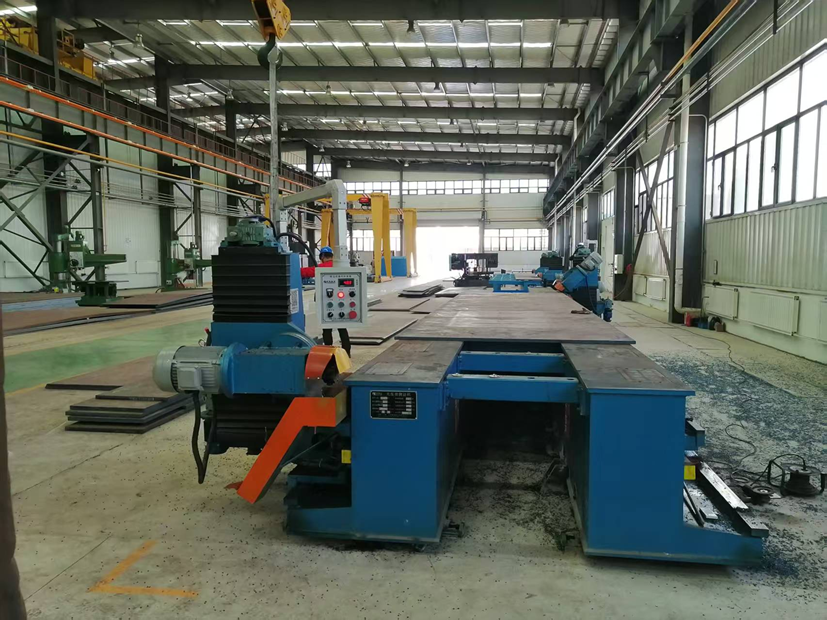
Why stability is becoming the deciding factor in non-standard plate milling
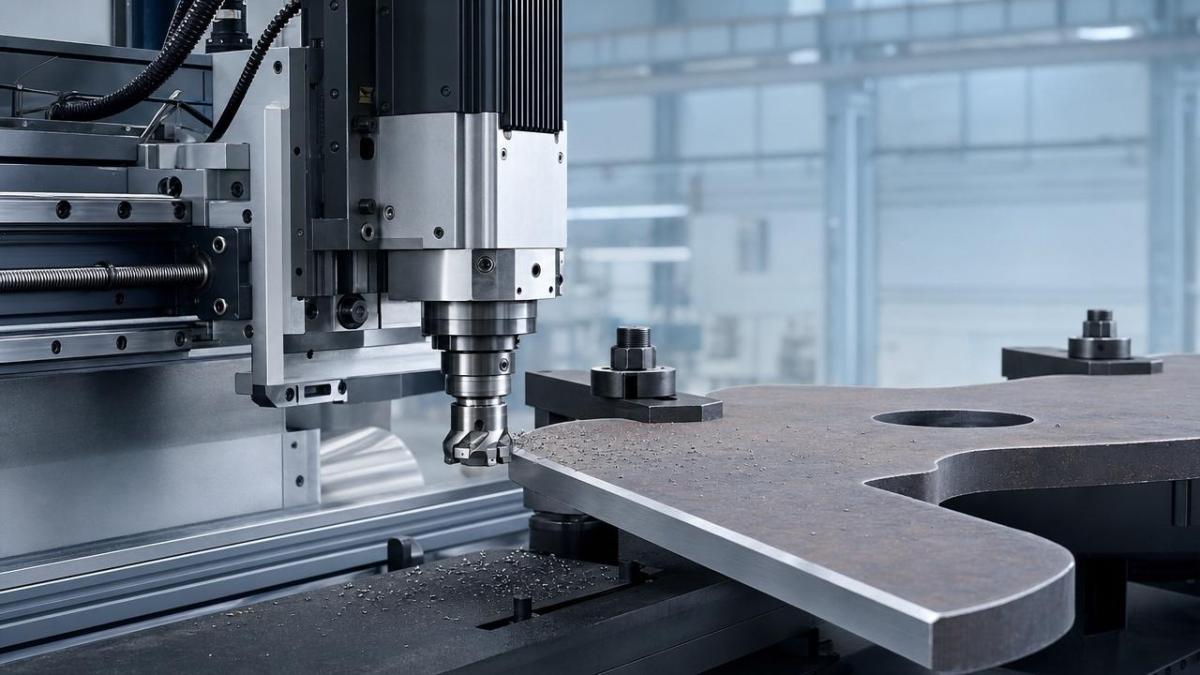
For technical evaluators working with irregular workpieces, VFD control non-standard edge milling machine solutions offer a practical way to improve cutting stability, edge consistency, and process reliability.
By optimizing motor speed to match varying plate geometry and load conditions, VFD-based systems help reduce vibration, tool wear, and dimensional deviation.
That makes them a strong choice for demanding non-standard plate milling applications across modern fabrication environments.
Edge preparation standards are rising in steel processing, heavy equipment fabrication, and structural assembly.
At the same time, incoming plates are less uniform, part geometries are more customized, and process windows are tighter than before.
Under these conditions, machine stability matters more than nominal spindle power.
A VFD control non-standard edge milling machine addresses this shift by turning fixed-speed milling into adaptive-speed milling.
That change directly improves edge finish, bevel uniformity, and machine response during changing cut resistance.
A clear trend: adaptive speed control is replacing fixed-speed assumptions
Traditional edge milling often assumes consistent material thickness, regular shapes, and predictable engagement.
Non-standard plates break those assumptions almost immediately.
Variable edge contours, localized hardness differences, and uneven support conditions create unstable cutting loads.
When spindle speed stays fixed, vibration builds faster, torque fluctuates sharply, and cutter life shortens.
This is why the VFD control non-standard edge milling machine is gaining attention in fabrication planning.
It allows operators to tune motor speed to material behavior instead of forcing every plate into one rigid setup.
The result is not only smoother cutting.
It also supports repeatability when production includes mixed batches, custom dimensions, and edge requirements for welding preparation.
Signals behind this equipment shift
- More projects require irregular, oversized, or customized plate profiles.
- Downstream welding quality depends on cleaner and more uniform milled edges.
- Tooling costs are under pressure, making wear reduction a key selection factor.
- Production lines increasingly need flexible settings instead of one-speed operation.
- Energy efficiency and smoother motor starting are becoming evaluation criteria.
What is driving wider use of VFD control in edge milling systems
The move toward VFD-based control is technical, economic, and process-related.
It is not only about speed variation.
It is about matching machine behavior to unstable real-world conditions.
In practical terms, a VFD control non-standard edge milling machine gives more usable control over torque, acceleration, and operating speed.
That is especially useful when plate dimensions, bevel angles, and contact conditions vary from one job to the next.
How VFD control improves edge milling stability in real production
Stability improvement comes from several linked mechanisms.
Each one helps control a different source of inconsistency.
1. Better speed matching during load variation
Irregular plates rarely produce constant cutting resistance.
A VFD control non-standard edge milling machine can lower or optimize speed as the load changes.
This reduces sudden spindle stress and helps maintain smoother cutter engagement.
2. Lower vibration and chatter
Fixed-speed machines may operate directly inside a vibration-sensitive range.
With VFD adjustment, the machine can avoid unstable frequency zones.
That means cleaner edges, less noise, and more stable machining behavior.
3. Reduced thermal and mechanical stress on tools
Excessive speed under high load causes heat concentration and premature wear.
Controlled speed improves chip formation and reduces damaging friction.
This supports more predictable maintenance intervals.
4. Smoother startup and deceleration
Soft starting limits impact on the transmission system and electrical network.
It also helps protect the workpiece clamping condition at cutting entry.
These details matter when milling thin, long, or unevenly supported plates.
Where the operational impact appears first across fabrication workflows
The benefits of stability are visible beyond the milling station itself.
They often influence later process quality and scheduling reliability.
- Edge preparation improves, supporting more uniform weld groove quality.
- Rework decreases because bevel angle and surface consistency improve.
- Tool replacement planning becomes easier due to steadier wear patterns.
- Machine downtime is reduced when shock-related faults occur less often.
- Batch changeovers become more manageable in custom plate processing.
This trend also aligns with broader workshop automation.
For example, edge quality consistency supports downstream robotic welding and dimensional verification.
In integrated production environments, that link is increasingly important.
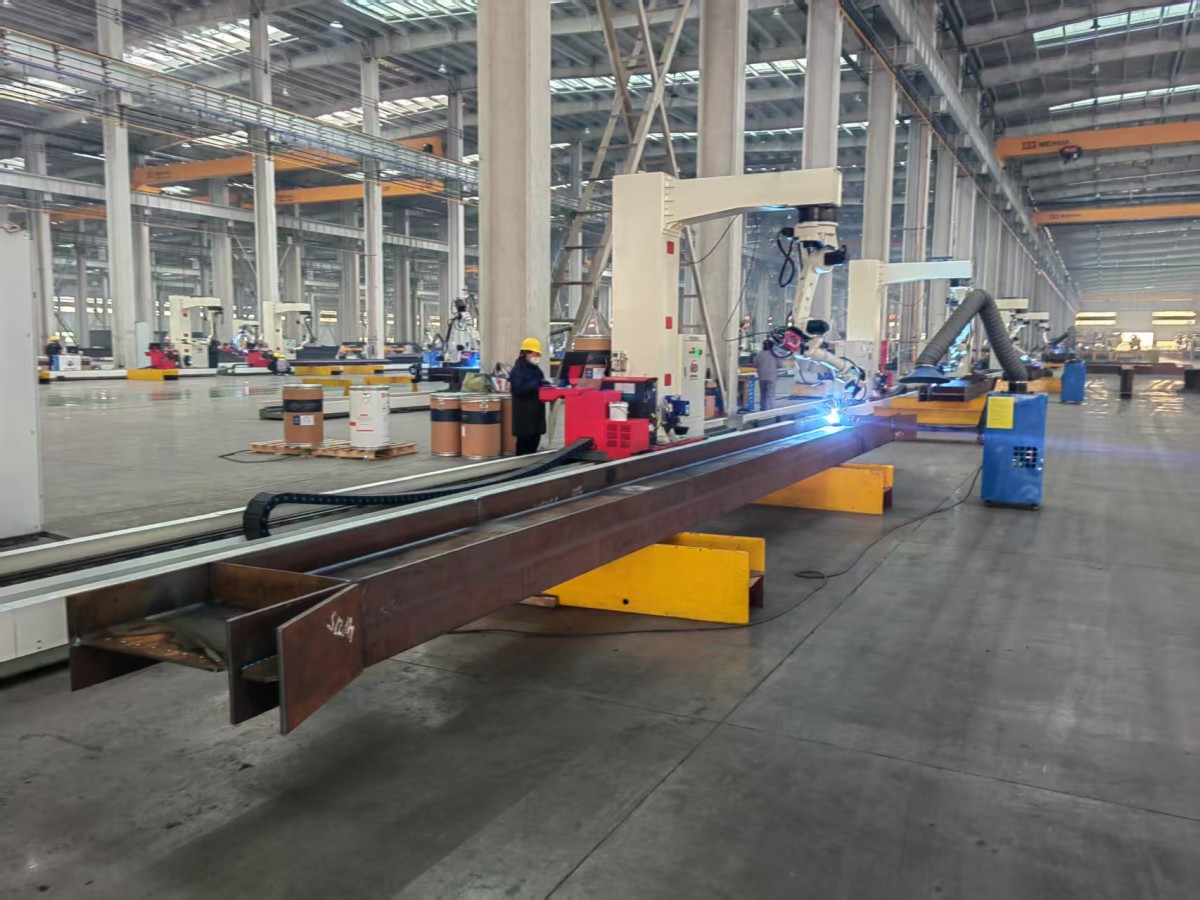
A related example is the 7 axis railway type welding robot.
It supports railway welding with seven CNC axes and handles workpieces up to 12000mm in length.
When upstream milling is stable, robotic weld extraction, automatic location, and arc tracking can perform with fewer interruptions.
What should be checked before selecting a VFD control non-standard edge milling machine
Not every configuration delivers the same result.
The decision should focus on control quality, machine rigidity, and application fit.
Key evaluation points
- Speed adjustment range and low-speed torque stability
- Motor-drive matching and acceleration control smoothness
- Machine bed rigidity for long or uneven plates
- Clamping adaptability for irregular workpiece edges
- Compatibility with different bevel requirements and cutter types
- Maintenance access, fault diagnosis, and electrical safety design
It is also worth reviewing supplier experience in fabrication machinery.
Wuxi Armada International Trade Co., Ltd supplies a broad range of metal processing equipment and related systems.
Its portfolio includes edge milling machines, end face milling machines, CNC cutting machines, welding robots, deburring machines, and plate processing lines.
Production and design are organized under ISO9001 quality system practices and EU CE standards.
That background matters when evaluating long-term process reliability and export-ready equipment quality.
Practical judgment for the next stage of non-standard plate processing
The main question is no longer whether speed control matters.
The question is how much process variation exists, and whether fixed-speed milling can still handle it economically.
A VFD control non-standard edge milling machine is especially valuable when product mix is wide and quality tolerance is narrow.
It supports a more resilient process, not just a faster machine.
The next practical step is to compare current vibration, tool life, and bevel consistency against adaptive-speed alternatives.
That data will quickly show whether VFD control can deliver measurable gains in non-standard plate milling stability.
