




Common faults in automatic vessel welding rotator systems
— —
Common faults in automatic vessel welding rotator systems
Common faults in automatic vessel welding rotator systems
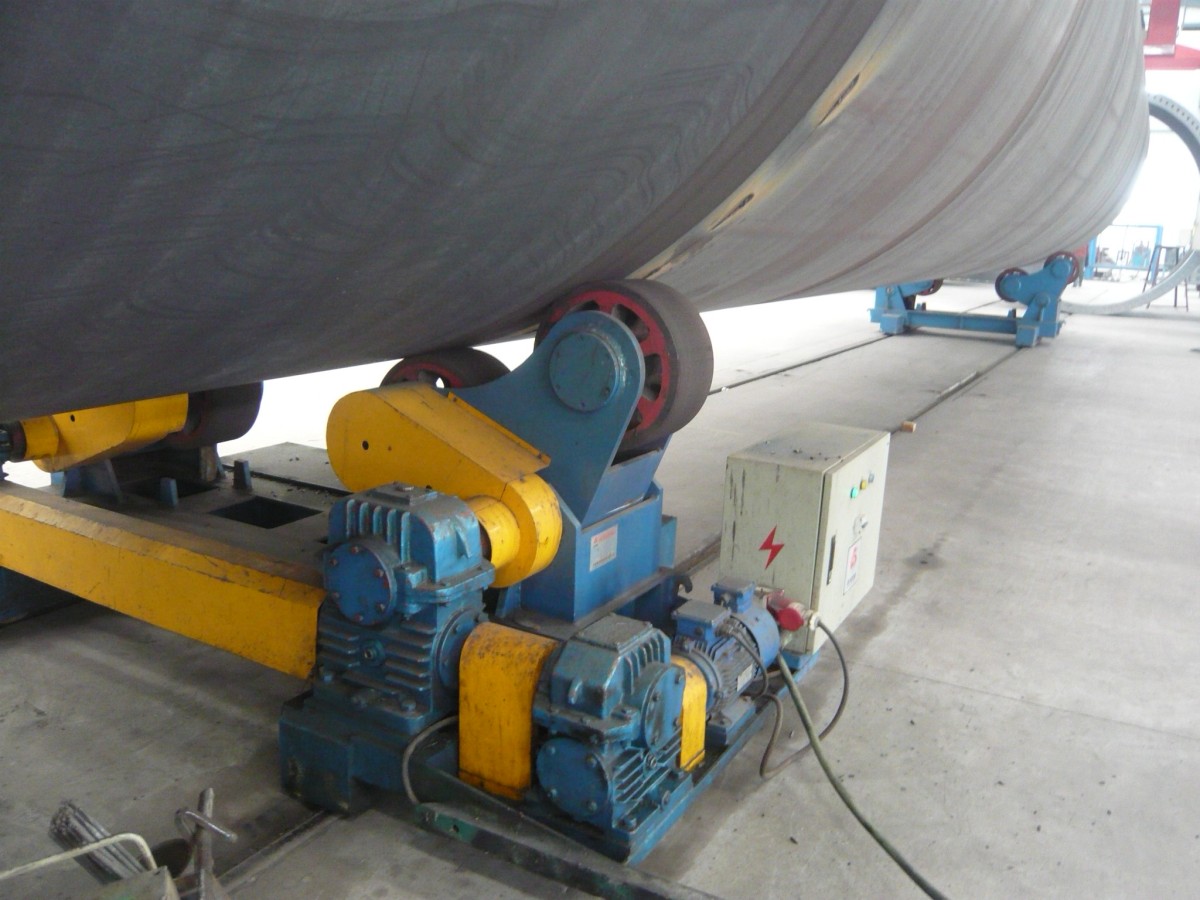
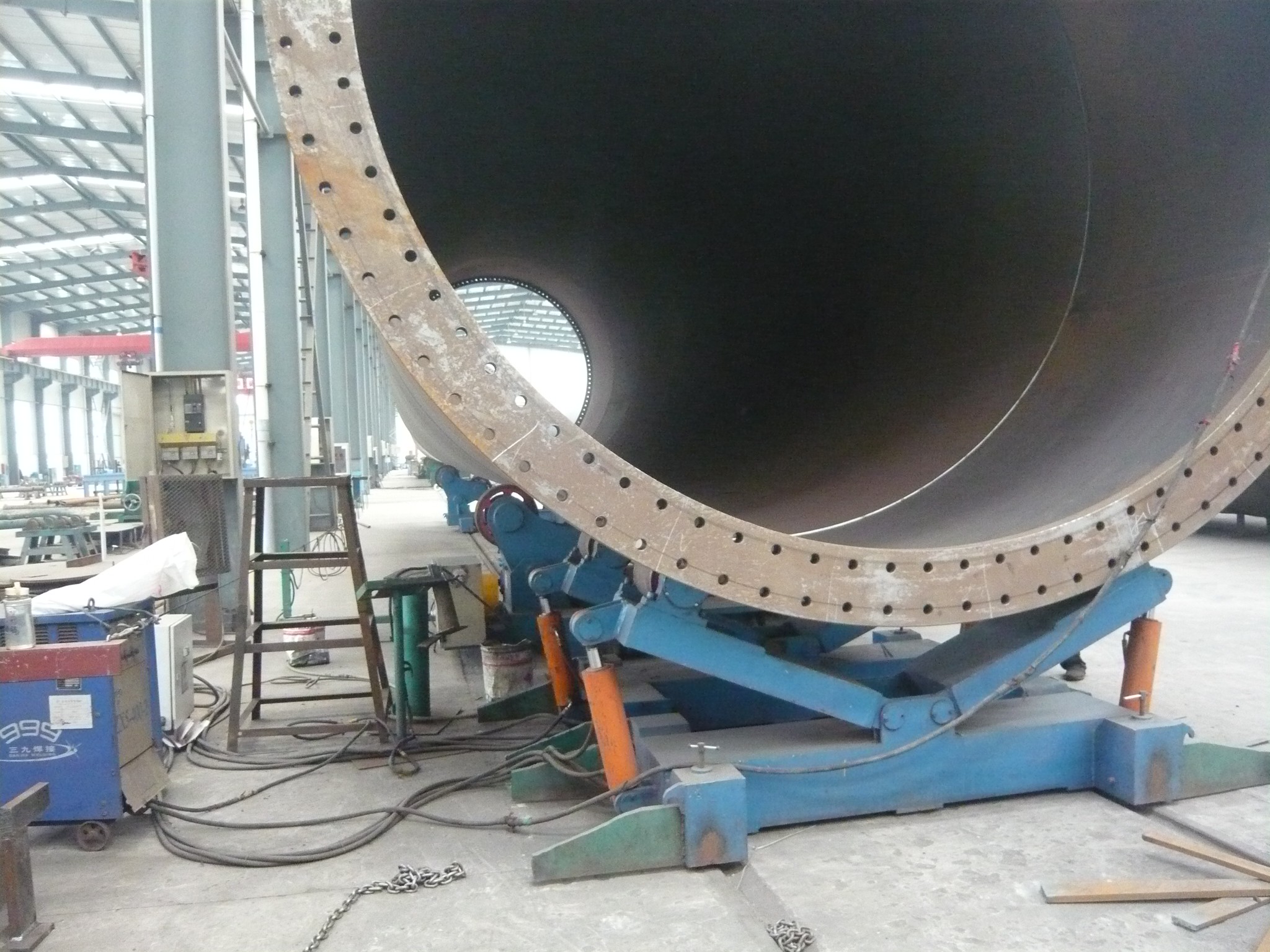
Automatic vessel welding rotator faults can quickly disrupt production, reduce weld quality, and increase maintenance costs. For after-sales maintenance work, understanding the most common problems in an Automatic vessel welding rotator system supports faster troubleshooting, better weld consistency, and improved equipment uptime.
In vessel fabrication, rotator performance affects travel stability, joint alignment, and welding heat input. A checklist-based inspection method helps isolate electrical, mechanical, and control faults before they develop into costly shutdowns.
Why a checklist approach works
An Automatic vessel welding rotator often fails through small warning signs rather than sudden collapse. Speed drift, roller slip, abnormal noise, and control delay usually appear early. Structured checks reduce guesswork and shorten service time.
This method is especially useful in manufacturing and processing machinery environments where different vessel diameters, wall thicknesses, and loading conditions can hide the real source of instability.
Core inspection checklist for common faults
- Check roller traction first. Inspect roller surface wear, oil contamination, and improper pressure that can cause vessel slipping, unstable rotation, or uneven weld bead formation.
- Measure speed accuracy. Compare set speed with actual rotation speed, then inspect the inverter, encoder feedback, and motor output for drift or fluctuation.
- Listen for gearbox noise. Abnormal vibration, metallic sound, or heat rise often indicates bearing wear, poor lubrication, or gear meshing problems.
- Verify frame alignment. Misaligned drive and idler units can force the shell to walk sideways, increasing weld seam deviation and roller edge wear.
- Inspect electrical terminals. Loose wiring, burnt contacts, or unstable power supply may trigger intermittent stopping, control faults, or motor overload alarms.
- Test limit and safety devices. Faulty emergency stops, travel switches, or overload protection can cause unsafe restart conditions and unnecessary downtime.
- Review control settings. Incorrect acceleration, deceleration, or load parameters in the PLC or inverter can create shock, slipping, or poor synchronization.
- Examine load matching. Oversized, undersized, or off-center vessels can exceed rated capacity and reduce the stability of the Automatic vessel welding rotator.
Application-specific fault patterns
Heavy vessel and tank fabrication
Large tanks place higher torque demand on the Automatic vessel welding rotator. In this case, overheating motors, delayed start response, and gearbox stress are more common than simple electrical faults.
Pay close attention to base rigidity and roller contact width. Uneven support under heavy shells may create oval movement, seam wandering, and repeated corrections during submerged arc welding.
Integrated forming and welding lines
When rotators work with head forming or tank processing equipment, dimensional consistency becomes critical. For example, Dish end forming machine systems used in special vehicle production lines and complete processing of various tanks require accurate part geometry before final welding.
The XBJ-3000 model uses high quality steel processing capability, PLC programmable control, and precision up to ±0.1mm. Stable pre-bending, rolled-up, and roll calibrate performance helps reduce fit-up errors that later appear as rotator tracking or alignment faults.
Often overlooked risks
Ignore roller surface hardness changes, and the vessel may rotate normally when empty but slip during live welding. Heat, spatter, and scale gradually reduce grip without obvious visual damage.
Skip lubrication checks, and bearing temperature may rise slowly for weeks. This hidden condition often leads to shaft play, noisy operation, and emergency replacement during production peaks.
Overlook cable shielding and grounding, and speed signals may become unstable. Inverter interference can mimic sensor failure and cause unnecessary replacement of healthy components.
Assume vessel roundness is acceptable, and repeated seam offset may continue. Poorly formed heads or shells can transfer the problem to the rotator, even when the machine itself is functioning correctly.
Practical execution steps
- Start with visual checks, then confirm alarms, sound, temperature, and vessel movement before disassembling any component.
- Separate faults into mechanical, electrical, and control groups to avoid replacing parts without evidence.
- Record actual speed, current, temperature, and load condition during each test cycle for future comparison.
- Verify upstream forming accuracy if repeated tracking issues appear after rollers, motors, and controls pass inspection.
Conclusion and next action
Reliable troubleshooting of an Automatic vessel welding rotator depends on disciplined inspection, not random part replacement. Focus on traction, alignment, drive condition, wiring integrity, and load suitability first.
Build a service checklist for each machine type, log fault trends, and compare them with vessel size and process conditions. This approach improves repair accuracy, protects weld quality, and keeps fabrication lines running with fewer interruptions.
