




Choosing a Machinery Manufacturing Edge Milling Machine for Heavy-Duty Jobs
— —
Choosing a Machinery Manufacturing Edge Milling Machine for Heavy-Duty Jobs
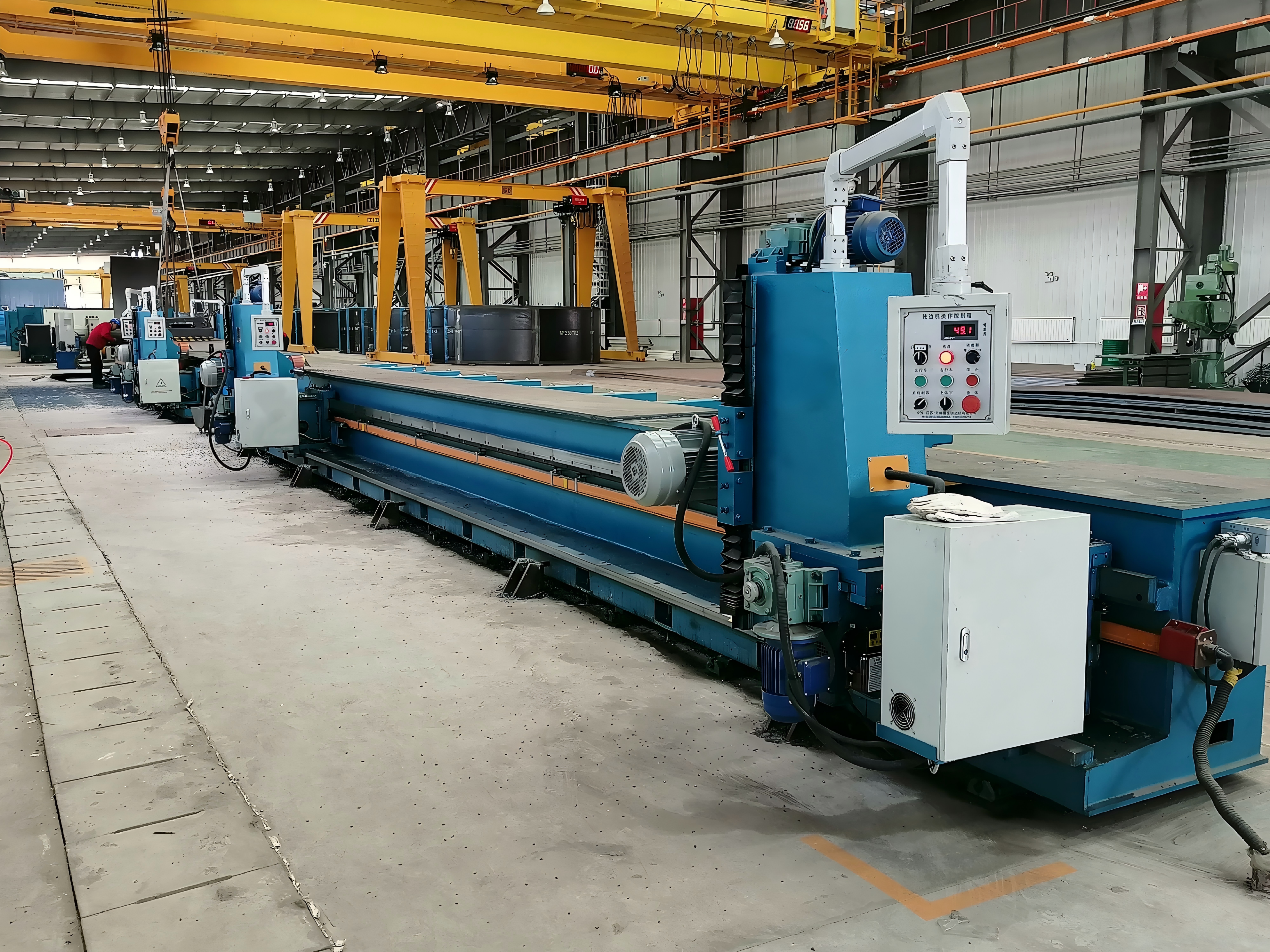
For heavy plate fabrication, the right machinery manufacturing edge milling machine determines far more than edge preparation speed. It influences bevel consistency, weld fit-up, rework rates, energy use, and workshop scheduling.
When processing large steel plates, vessel sections, or structural components, machine rigidity and control quality become critical. A poor selection can create unstable bevels, excessive tool wear, and costly downstream correction.
This guide explains how to compare a machinery manufacturing edge milling machine for heavy-duty jobs. It covers structure, capacity, automation, material range, compliance, and supplier support for practical equipment evaluation.
Core Role of a Machinery Manufacturing Edge Milling Machine
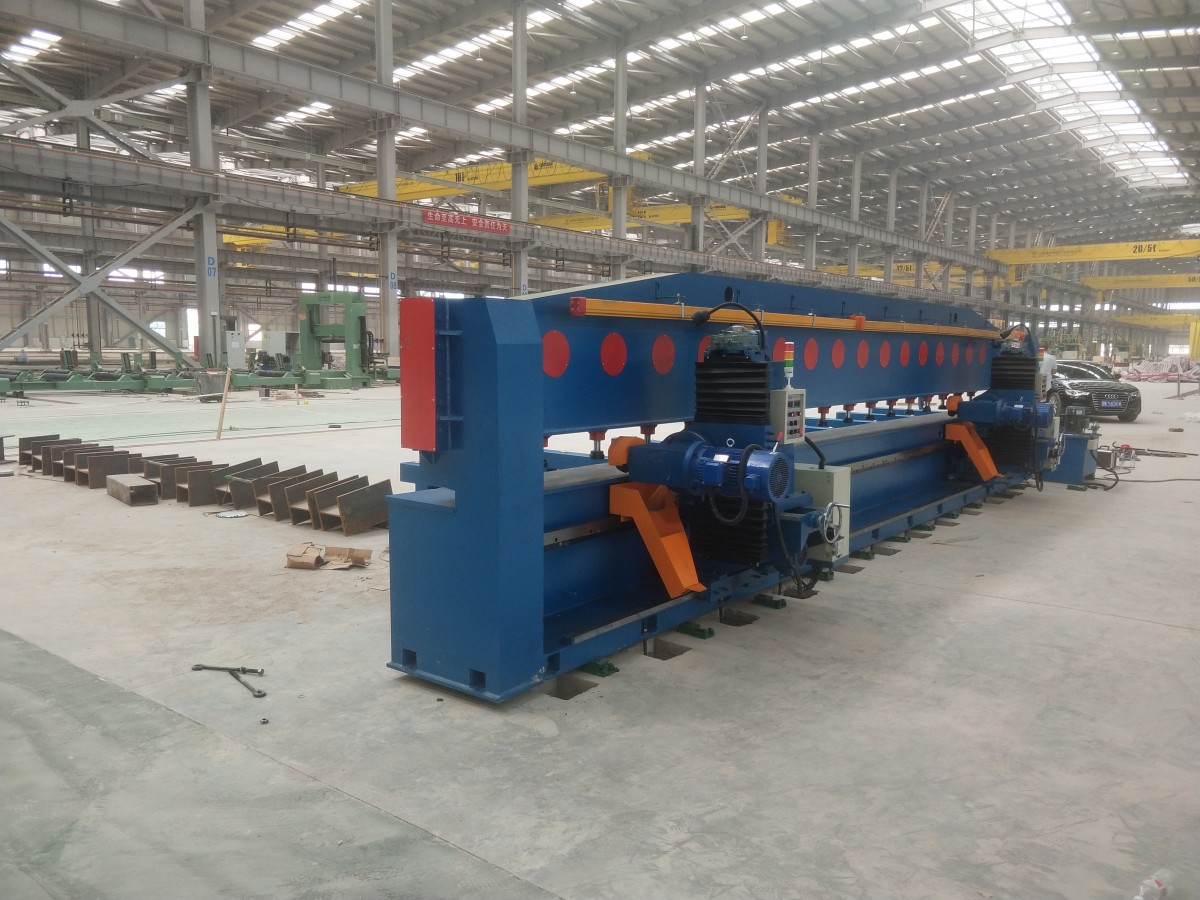
A machinery manufacturing edge milling machine prepares precise bevels on plate or profile edges before welding. It removes material accurately to create clean joint geometry and reliable weld penetration conditions.
In heavy-duty fabrication, this equipment is often used on carbon steel, stainless steel, and aluminum workpieces. Typical sectors include pressure vessel production, shipbuilding, bridge fabrication, and large structural assembly.
Compared with manual grinding or thermal edge preparation, a machinery manufacturing edge milling machine offers more stable angle control, better surface finish, and lower dependence on operator technique.
It also supports repeatable weld preparation across batches. That repeatability becomes essential when dimensional tolerance, welding quality, and inspection compliance must be maintained across large projects.
Current Industry Priorities in Heavy-Duty Edge Preparation
Selection standards have changed in recent years. Workshops now focus on total production efficiency rather than only machine purchase price.
- Higher demand for bevel accuracy on thick materials
- Need for faster processing of long and heavy plates
- Preference for lower labor intensity and automated handling
- Greater attention to ISO9001 and CE-oriented compliance
- Pressure to reduce tooling waste and operating cost
These priorities make the machinery manufacturing edge milling machine a strategic asset. It is no longer just a support machine. It can directly shape throughput, welding quality, and project delivery stability.
Why heavy-duty jobs need stronger evaluation criteria
Large components generate high cutting loads and handling stress. Machines for light beveling may appear sufficient on paper but fail under continuous thick-plate production.
That is why buyers should compare structural stiffness, drive system reliability, bed accuracy retention, and cutter head performance under prolonged industrial use.
Key Technical Factors to Compare
A heavy-duty machinery manufacturing edge milling machine should be evaluated through measurable technical criteria. The following factors usually have the biggest effect on long-term performance.
1. Machine rigidity and frame stability
The machine bed must resist vibration during high-load milling. A rigid frame improves edge straightness, surface finish, and tool life.
Heat-treated guide rails and strong clamping structures are especially valuable. They help maintain alignment when processing long, heavy, or uneven workpieces.
2. Thickness and bevel capacity
Capacity must match actual production. Check plate thickness range, maximum bevel width, angle range, and whether the machine supports multiple edge forms.
Some workshops need standard bevels only. Others require V, K, U, straight, or compound geometries for different weld procedures and part categories.
3. Feed control and surface quality
Stable feed rate directly affects roughness and consistency. A capable machinery manufacturing edge milling machine should balance speed with predictable finish quality.
For many fabrication jobs, smooth bevel surfaces reduce secondary grinding and improve fit-up before welding. That saves labor and shortens cycle time.
4. Automation and operator interface
Automatic clamping, edge detection, feed, and return functions reduce setup time. A clear human-machine interface also lowers training difficulty and operating errors.
In higher-volume workshops, automation supports repeatability across shifts. It also makes the machinery manufacturing edge milling machine more adaptable to mixed production loads.
Application Value Across Fabrication Operations
The business value of a machinery manufacturing edge milling machine appears across several stages of fabrication, not only at edge preparation.
These benefits matter most in shipbuilding, steel structure fabrication, and vessel manufacturing, where large parts and strict weld standards leave little room for edge preparation error.
A related solution for tube and profile beveling
Where production includes tubular sections, a specialized solution may complement a plate-focused machinery manufacturing edge milling machine.
One example is CNC Square & Pipe Beveling Machine, used in container manufacturing, shipbuilding, and special vehicle manufacturing.
It can process square, rectangular, and round tubes in carbon steel, stainless steel, and aluminum plates-related fabrication environments, with bevel angles from 0° to 90°.
Its automatic speed adjustment, flexible cutter head settings, and one-pass multi-bevel capability fit operations seeking efficient profile preparation without frequent accessory changes.
Typical Selection Scenarios
Different operations require different machine priorities. Matching machine configuration to workload profile helps avoid both under-specification and unnecessary overspending.
This scenario-based approach gives better results than comparing only motor power or advertised maximum size. Real production constraints should define the final machine shortlist.
Supplier Strength, Standards, and Lifecycle Support
Choosing a machinery manufacturing edge milling machine also means choosing engineering support. Machine quality depends on design discipline, manufacturing experience, and after-sales responsiveness.
Wuxi Armada International Trade Co., Ltd specializes in mechanical equipment and related products, including welding equipment, CNC cutting systems, milling machines, lathes, laser machines, and edge milling equipment.
Its products are organized according to ISO9001 quality system certification and EU CE standards. This supports confidence in process control, design consistency, and export-oriented equipment expectations.
Broad export experience across Southeast Asia, Europe, the Americas, and Oceania also suggests familiarity with different industrial applications and technical communication requirements.
Support points worth confirming
- Installation guidance and commissioning scope
- Operator training and maintenance documentation
- Spare parts lead time and tooling availability
- Customization options for size, angle, or automation level
- Service response process for overseas projects
Practical Evaluation Steps Before Ordering
A structured review reduces selection risk. The following sequence is useful when comparing any machinery manufacturing edge milling machine for heavy-duty service.
- List actual workpiece materials, thicknesses, and bevel types.
- Define daily throughput targets and acceptable finish standards.
- Confirm bed size, travel range, and loading method.
- Review automation features against labor and consistency needs.
- Request sample processing data or demonstration results.
- Compare compliance documents, delivery schedule, and service support.
This process makes the final choice evidence-based. It also helps connect machine capability with real production economics rather than catalog claims alone.
Next-Step Planning for a Reliable Investment
A well-selected machinery manufacturing edge milling machine improves weld preparation, lowers rework, and supports dependable heavy-duty output over time.
The strongest investment decision comes from matching rigidity, bevel range, automation, and support capability to the real fabrication mix in the workshop.
If current production includes thick plates, structural sections, or profile beveling, prepare a technical checklist first. Then compare machine data, sample results, and supplier support in one decision framework.
That approach will help identify a machinery manufacturing edge milling machine that performs reliably today and remains cost-effective as production demands grow.
