




Carbon Steel Edge Milling in 2026: What Fabricators Are Changing
— —
Carbon Steel Edge Milling in 2026: What Fabricators Are Changing
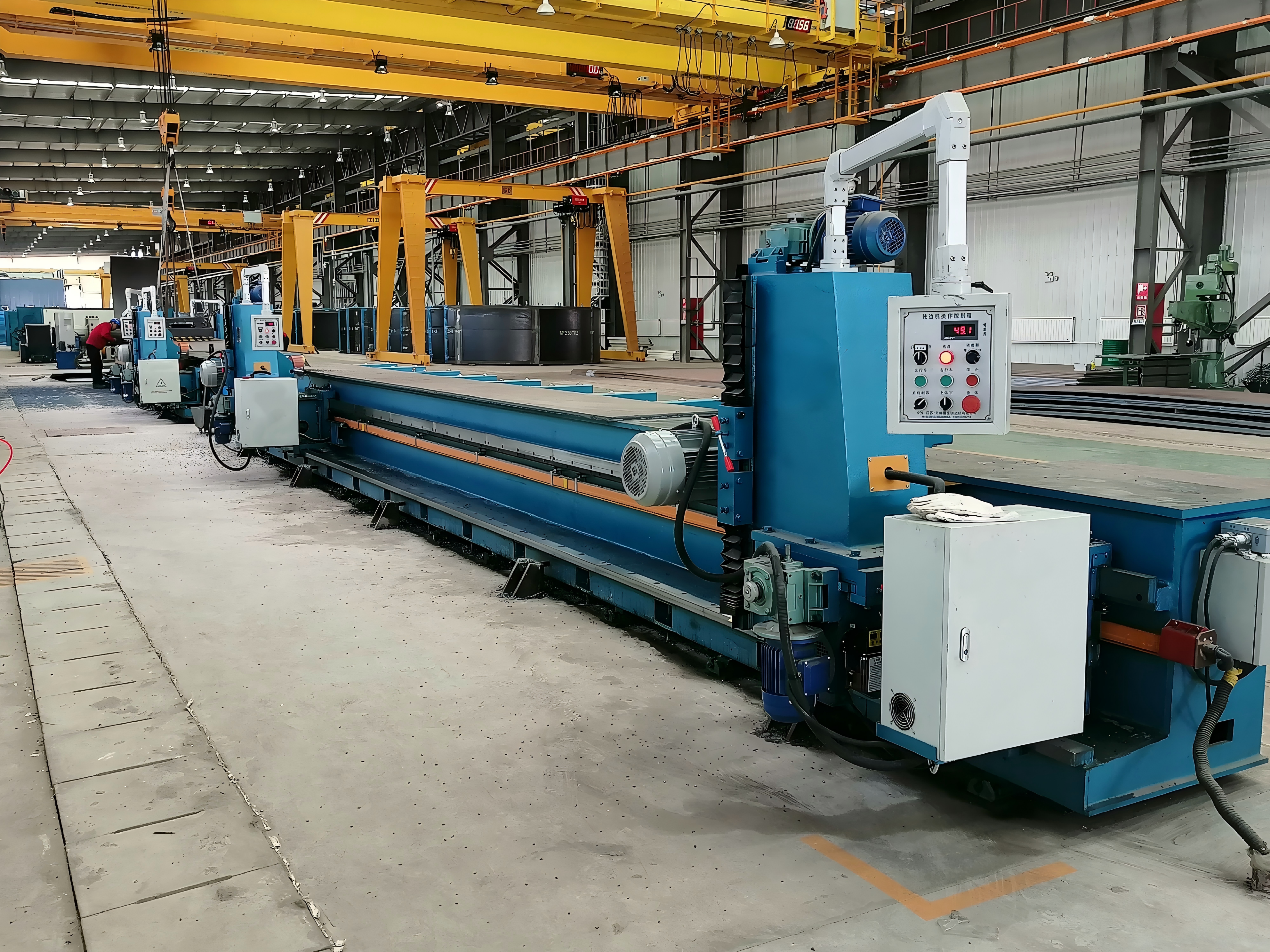
In 2026, carbon steel edge milling is no longer just a prep step—it is becoming a key factor in weld quality, production speed, and cost control. Fabricators are rethinking machine selection, automation, precision standards, and material handling to stay competitive. This article explores the practical changes shaping edge milling today and what buyers and manufacturers should pay attention to next.
Why carbon steel edge milling is getting more attention in fabrication lines
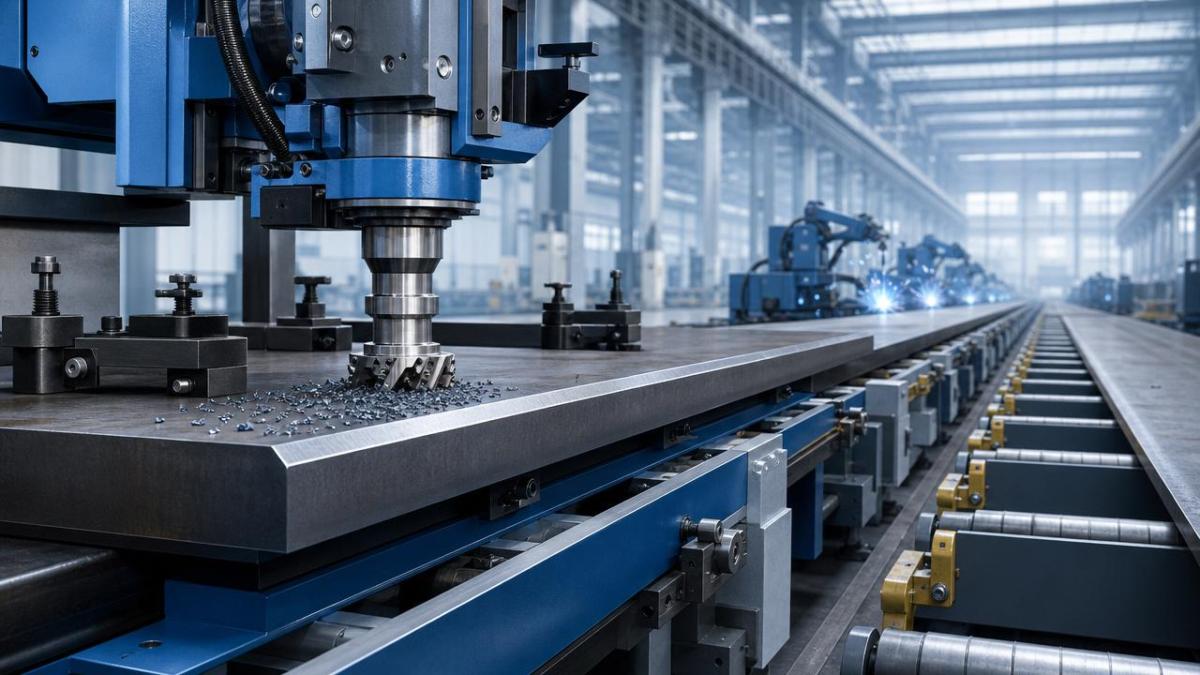
For many workshops, carbon steel edge milling used to be treated as a secondary operation. In 2026, that view is changing. Fabricators now connect edge preparation directly with weld penetration, fit-up consistency, arc stability, and downstream inspection results.
This shift is especially visible in heavy steel structures, pressure-related components, H-beam systems, shipbuilding parts, energy equipment, and general metal fabrication. Buyers are no longer asking only whether a machine can cut a bevel. They want to know how repeatably it can hold the angle, root face, and straightness over long workpieces.
In manufacturing and processing machinery, small edge errors can trigger larger losses later. Misaligned bevels may increase filler consumption, create uneven weld pools, and slow down joint assembly. As labor costs rise and delivery windows tighten, carbon steel edge milling becomes a production control tool rather than a simple machining task.
- Fabricators want more stable groove geometry to reduce weld rework and post-weld grinding.
- Production managers need faster changeover between plate thicknesses and bevel types.
- Procurement teams are under pressure to compare machine cost against total line efficiency, not purchase price alone.
- Export-oriented manufacturers increasingly care about ISO9001-managed production and CE-aligned equipment selection.
What fabricators are changing in 2026
The biggest change is that workshops are evaluating carbon steel edge milling as part of the full fabrication flow. Instead of choosing machines in isolation, they are matching edge milling with cutting accuracy, plate handling, welding automation, and final inspection requirements.
1. Moving from rough prep to controlled bevel quality
Fabricators increasingly define acceptable tolerances for bevel angle, land size, and surface finish. This is common where multi-pass welding, thick-plate joints, or robotic welding systems are used. Better carbon steel edge milling reduces variation before the arc is even started.
2. Investing in material handling, not only the spindle
A powerful machine alone does not guarantee throughput. In 2026, more buyers are checking clamping stability, plate support length, loading method, chip removal, and alignment repeatability. These factors affect real hourly output more than brochure numbers.
3. Linking edge milling with automated welding cells
Consistent joint preparation matters even more when welding is automated. In integrated production lines, carbon steel edge milling supports better torch tracking, lower arc wandering, and fewer stops caused by poor fit-up.
4. Paying closer attention to operator efficiency
Simple controls, accessible setup points, and easier maintenance are now decision factors. Fabricators facing skilled labor shortages prefer equipment that shortens training time and reduces dependence on one highly experienced operator.
The table below shows how carbon steel edge milling priorities have evolved in real purchasing discussions.
The practical message is clear: buyers are not abandoning conventional edge milling concepts, but they are demanding tighter process control and stronger linkage with the rest of the fabrication line.
Which production scenarios benefit most from better carbon steel edge milling?
Not every factory needs the same level of edge preparation. The value of carbon steel edge milling depends on plate thickness, weld type, batch stability, and how much automation the line uses. For information-driven buyers, matching the process to the application is the fastest way to avoid overbuying or underbuying.
The table below outlines where more precise carbon steel edge milling usually delivers the strongest operational return.
This scenario-based view helps buyers compare equipment on real production priorities. A plant with repeated thick-plate welds may value rigidity and bevel accuracy most, while a contract workshop may care more about flexibility and setup speed.
How to evaluate machine selection without getting lost in specifications
A common mistake in carbon steel edge milling projects is to compare only visible parameters. Buyers often focus on travel length or basic bevel range, but overlook what actually affects daily use. A better evaluation method starts with production questions, then maps machine features to those needs.
Start with the workpiece reality
- What thickness range of carbon steel will be milled most often?
- Are the plates short and varied, or long and repetitive?
- Do you need V, X, K, or customized bevel forms?
- Will the milled edges feed manual welding, submerged arc welding, or robotic welding?
Then judge the machine by process fit
- Check clamping and support design to prevent vibration and uneven stock removal on long plates.
- Review adjustment convenience for bevel angle changes, especially if your orders vary by batch.
- Ask about maintenance points such as cutter replacement, lubrication access, and chip evacuation.
- Confirm whether the supplier can align machine design with upstream cutting and downstream welding requirements.
For companies comparing suppliers, engineering support matters almost as much as machine configuration. Wuxi Armada International Trade Co., Ltd works across multiple categories of fabrication equipment, including edge milling machines, CNC cutting machines, automatic welding equipment, lathes, laser cutting machines, H-beam production line equipment, and deburring solutions. That wider process familiarity can help information researchers discuss line matching instead of isolated machine procurement.
Cost control: where carbon steel edge milling saves money and where it does not
Carbon steel edge milling should not be sold as a cure for every fabrication cost issue. Its value depends on where waste happens in your process. When bevel inconsistency causes weld defects, excess filler usage, slow assembly, or repeated grinding, better edge milling can produce visible savings. If the bottleneck is elsewhere, the return may be more limited.
This cost view is important for buyers with limited budgets. The goal is not simply to buy a more advanced machine, but to reduce the most expensive forms of production instability.
- Reduced weld rework when bevel geometry is more uniform.
- Lower consumable waste through improved groove control.
- Shorter assembly time because edge fit-up requires less manual correction.
- Less hidden downtime when machine setup and handling are easier for operators.
However, carbon steel edge milling may not be the main investment priority for thin material, low-volume one-off jobs, or processes where thermal cutting quality is already adequate and welding tolerance is broad. That is why a supplier should discuss process conditions before pushing a fixed machine recommendation.
Why buyers are connecting edge preparation with welding automation
A major 2026 trend is the stronger connection between carbon steel edge milling and automated welding quality. In many plants, the edge is no longer judged as a separate machined feature. It is judged by how well it supports the welding system that comes after it.
This is where adjacent equipment knowledge becomes useful. For example, when a fabricator is building tubular or frame structures, welding consistency often depends on joint stability, gap control, and torch tracking. In such workflows, edge quality and welding automation should be planned together rather than purchased separately.
A relevant example is the Space frame welding machine. The WJ-5500 model is designed for steel metal workpieces, supports 800-5500 mm workpiece length and 42-180 mm diameter ranges, and uses imported PLC control with simultaneous welding on both sides of the workpiece. Its input current range is 60-500A, input voltage is 16-45V, and suitable welding wire size is 1.2-1.6 mm.
Features such as welding gun swing welding, welding gun tracking, hydraulic main and vice withstanding devices, and manual adjustment points show why upstream preparation matters. If edge condition, joint access, or fit-up vary too much, even a stable welding platform will spend more time compensating for inconsistent prep. For buyers studying production lines rather than single machines, this linkage is increasingly important.
Standards, certification, and what global buyers should ask
For export-oriented workshops and international buyers, carbon steel edge milling decisions often involve more than productivity. Documentation, process consistency, and equipment compliance also matter. While edge milling itself is a process choice, the supplier’s quality management approach affects confidence in design, manufacturing, and delivery.
Wuxi Armada International Trade Co., Ltd states that production and design are organized in accordance with ISO9001 quality system certification and EU CE standards. For a buyer, this should lead to practical questions rather than generic trust claims.
- Can the supplier explain how machine configuration relates to your plate size, bevel form, and welding route?
- Can technical documents, layout information, and key operating parameters be provided clearly for review?
- If the machine is for export, can the supplier support communication on CE-related expectations and electrical configuration?
- Can the supplier coordinate edge milling with related equipment such as cutting, deburring, welding, and structural production lines?
These questions help information researchers move from catalog reading to decision preparation. In capital equipment purchasing, clarity before ordering is often more valuable than marketing language after the fact.
FAQ: practical questions about carbon steel edge milling
How do I know whether carbon steel edge milling is necessary for my parts?
Check whether your welding quality depends on controlled groove geometry. If you work with thicker plates, multi-pass welds, long seams, or automated welding, carbon steel edge milling is often worth evaluating. If parts are thin, tolerances are loose, and weld appearance is less critical, a simpler prep method may be enough.
What should I compare first when choosing a machine?
Start with workpiece range, bevel types, loading method, and daily output target. After that, compare rigidity, setup convenience, support length, maintenance access, and integration potential with cutting and welding equipment. This sequence gives a more realistic picture than comparing only motor or travel data.
Does better edge milling always lower welding cost?
Not always. Savings are strongest when poor joint preparation is a known source of rework, excess filler use, or fit-up delay. If welding issues come mainly from distortion, incorrect parameters, or weak fixturing, edge milling alone will not solve the problem.
What are common purchasing mistakes?
The most common mistakes are underestimating handling needs, ignoring downstream welding requirements, and assuming a machine that can technically mill a bevel will also deliver stable production performance. Another mistake is judging total value only by initial price instead of process fit and rework reduction.
Why choose us for edge milling and related fabrication equipment planning
For buyers researching carbon steel edge milling in 2026, the real need is rarely one isolated machine. It is usually a combination of process clarification, equipment matching, compliance awareness, and delivery planning. Wuxi Armada International Trade Co., Ltd, based in Wuxi City near Shanghai, has focused since 2012 on mechanical equipment and related products for fabrication and processing industries.
Its product scope covers edge milling machines, end face milling machines, CNC cutting machines, automatic welding equipment, welding robots, laser cutting machines, H-beam production line equipment, deburring machines, bending machines, shearing machines, plate rolling machines, and CNC machine tools. That range allows technical discussion across multiple connected processes rather than within a single equipment silo.
If you are comparing carbon steel edge milling options, you can ask for support on specific points: suitable machine type for your plate dimensions, bevel form selection, expected delivery cycle, customization possibilities, export-related configuration, and how edge preparation should match your welding route. You can also discuss whether your project needs only one machine or a broader fabrication solution with cutting, deburring, and welding coordination.
That kind of focused consultation helps information researchers turn uncertainty into a shortlist. It also reduces the risk of buying a machine that looks correct on paper but performs poorly in the actual production sequence.
