




Carbon Steel Edge Milling: Common Surface Defects and How to Reduce Them
— —
Carbon Steel Edge Milling: Common Surface Defects and How to Reduce Them
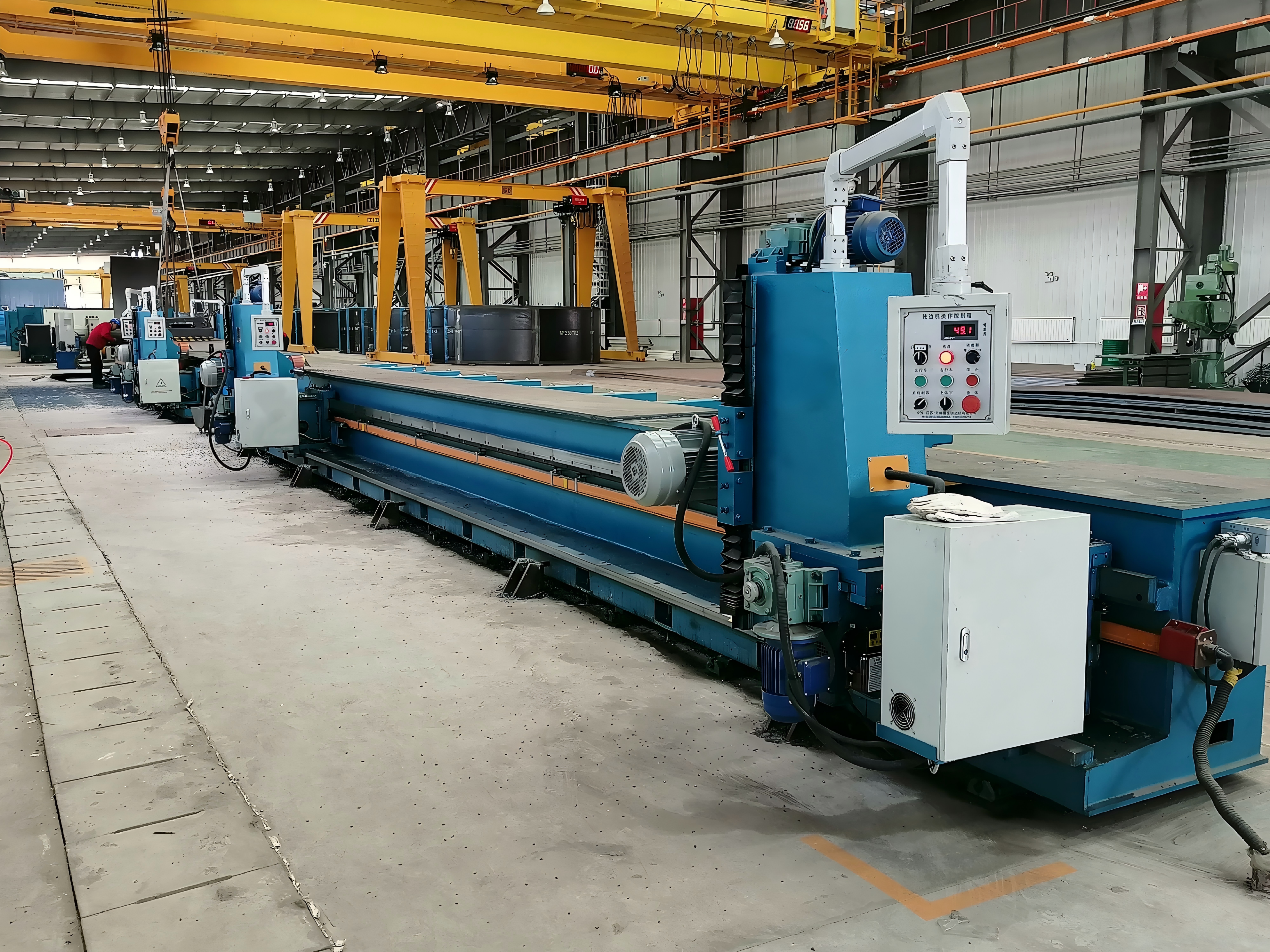
In carbon steel edge milling, even small surface defects can affect fit-up, weld quality, and production flow. Burrs, chatter marks, tearing, and uneven finishes often come from several linked factors, not one single mistake.
For daily machining work, a clear process helps reduce trial and error. This guide explains common carbon steel edge milling defects, their causes, and practical steps to improve edge quality with stable, repeatable results.
Why a structured check matters in carbon steel edge milling
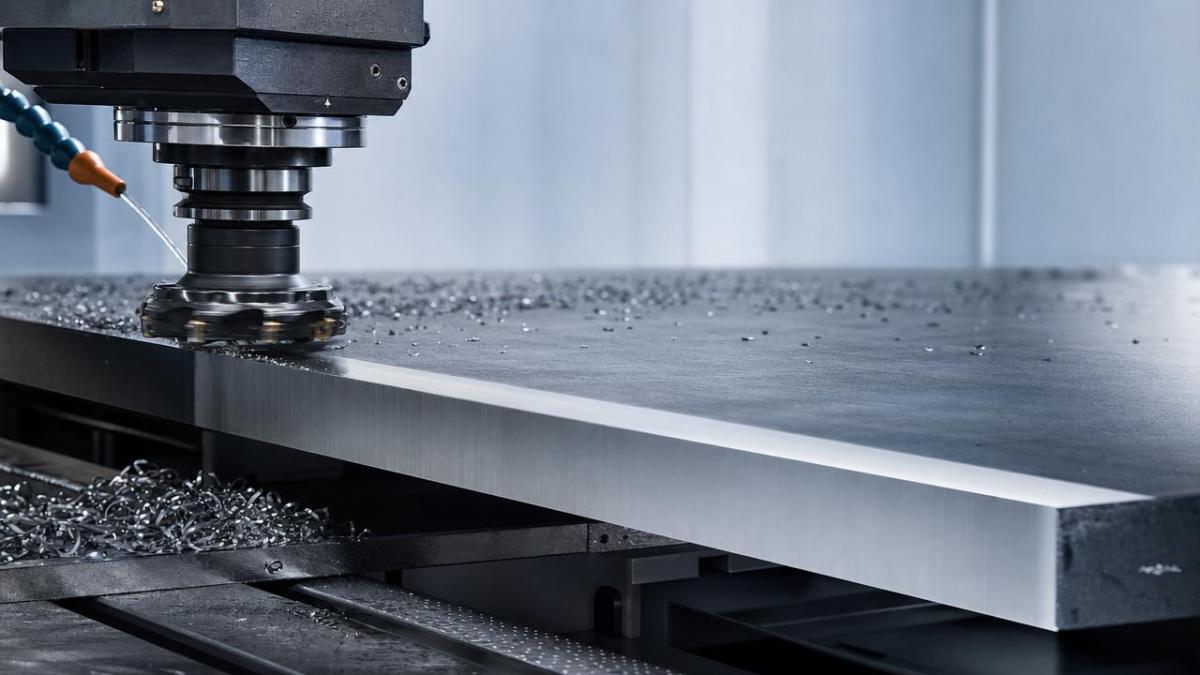
Surface defects in carbon steel edge milling rarely come from tooling alone. Material condition, clamping, spindle stability, feed rate, insert geometry, and coolant practice can all interact during one cut.
A structured check helps isolate variables faster. It also reduces scrap, rework, welding correction, and machine downtime, especially when different plate thicknesses and edge requirements are involved.
This is especially important for fabrication lines handling welded structures, beams, pressure parts, and large plates. In these jobs, edge accuracy and surface finish directly affect the next process.
Core checks for reducing common surface defects
Use the following points as a practical routine before adjusting too many parameters. In carbon steel edge milling, disciplined checking usually solves defects faster than random feed or speed changes.
- Confirm the carbon steel surface is free from heavy scale, rust, flame-cut slag, and oil, because contaminated edges often cause tearing, unstable cutting, and poor surface consistency.
- Check plate flatness before machining, since warped material changes tool engagement through the cut and often produces chatter marks, uneven finish, and variable edge dimensions.
- Verify clamping rigidity across the full workpiece length, because loose support allows vibration, edge bounce, and local burr formation, especially on long or narrow carbon steel plates.
- Inspect insert wear under good lighting, as small edge chipping or built-up edge can quickly turn a smooth carbon steel edge milling pass into tearing and smeared surfaces.
- Match insert grade and geometry to carbon steel hardness and thickness, because an overly sharp or overly tough insert may wear irregularly or leave unstable edge quality.
- Set spindle speed and feed per tooth within a stable range, avoiding combinations that create rubbing, overheating, or resonance instead of controlled chip formation.
- Review depth of cut and width of engagement, since excessive load can trigger chatter and burrs, while very light cuts may cause rubbing and inconsistent finishing marks.
- Ensure the cutter body runs true and the spindle has no abnormal play, because mechanical runout makes each tooth cut differently and leaves repeated surface pattern defects.
- Apply coolant or air blast consistently when required, so chips evacuate cleanly and do not recut against the milled edge, which often causes scratches and local gouging.
- Record the settings that produce acceptable finish on each carbon steel grade, allowing future jobs to start from proven parameters rather than from repeated manual guessing.
Common surface defects and how to reduce them
1. Burrs along the milled edge
Burrs are among the most frequent carbon steel edge milling problems. They usually appear when the cutter exits the workpiece, or when the tool is dull and starts pushing material instead of shearing it.
To reduce burrs, inspect insert sharpness, increase support near the exit side, and avoid feeds that are too low. A stable chip load often cuts cleaner than a cautious but rubbing pass.
2. Chatter marks and wave patterns
Chatter marks show as repeating waves or visible vibration lines. In carbon steel edge milling, this often points to weak clamping, spindle imbalance, long overhang, or unstable speed-feed combinations.
Start by improving rigidity. Then lower overhang, check runout, and shift spindle speed away from the resonance zone. Sometimes a small speed change works better than a major feed reduction.
3. Tearing or fiber-like pulled material
Tearing leaves a rough, dragged appearance instead of a clean cut. It can happen when cutting through scale, when the edge has previous thermal damage, or when inserts develop built-up edge.
Clean the workpiece before milling. Use suitable insert coatings for carbon steel, keep chip evacuation clear, and replace worn inserts early. Delayed tool changes usually cost more in rework.
4. Uneven surface finish
An uneven finish may vary from one section to another. This is common when the plate is not flat, the clamping pressure is inconsistent, or the material hardness changes across the edge.
Upstream preparation can help here. When plates carry residual stress or visible waviness, using Plate leveling machine support before machining can improve stability and contact consistency.
5. Scratches and chip recutting marks
These marks often look random, but they usually come from poor chip flow. In carbon steel edge milling, chips trapped near the cutter can drag across the finished surface.
Use proper coolant direction, air blast, or chip control geometry. Also check guards and collection areas. Sometimes the problem is not the cutting zone, but poor chip removal after discharge.
Application notes for different machining situations
Thick carbon steel plates
Thicker plates create higher cutting loads and stronger vibration risk. Carbon steel edge milling on these parts needs rigid support, stable torque transmission, and careful step setting.
If the plate enters the machine with stress or waviness, surface quality may change through the pass. Pre-leveling helps reduce contact variation before edge preparation begins.
Thin or narrow workpieces
Thin carbon steel parts are easier to distort during clamping. Excess pressure can bend the plate, while low pressure can allow movement and chatter during edge milling.
Use distributed support and balanced clamping force. Lighter but stable cuts often produce better finish than aggressive passes on flexible material.
Weld-prep edge machining
When the milled edge will be welded, finish quality affects fit-up and bevel consistency. Burrs and torn areas may trap contamination or create gaps during assembly.
For this application, prioritize edge cleanliness, repeatable dimensions, and low burr formation. A slightly slower but more stable process usually benefits downstream weld quality.
Often overlooked risk points
Ignoring incoming material condition is a major risk. Carbon steel edge milling results can be poor even with good tooling if the plate carries scale, heat distortion, or severe residual stress.
Using inserts for too long is another common issue. Wear may not look dramatic, but finish quality often declines before tool failure becomes obvious.
Parameter changes without records also create problems. If one operator changes speed, feed, and depth together, the real cause of the defect remains unclear.
Machine condition should not be ignored. Backlash, spindle play, support wear, or alignment drift can all appear first as carbon steel edge milling surface defects.
Practical steps to improve daily results
- Inspect plate condition before loading.
- Check flatness, especially on long or thermally cut parts.
- Confirm clamping, support position, and cutter runout.
- Start from proven parameters for that carbon steel grade.
- Watch chip color, shape, and evacuation during the first pass.
- Measure edge finish early, then correct one variable at a time.
- Replace inserts before finish quality drops below process needs.
- Keep records for material, tooling, settings, and defect patterns.
For operations handling a mix of thicknesses, equipment flexibility also matters. Mechanical, hydraulic, and electric-hydraulic leveling solutions can support better edge preparation by improving plate flatness before milling.
Conclusion and next actions
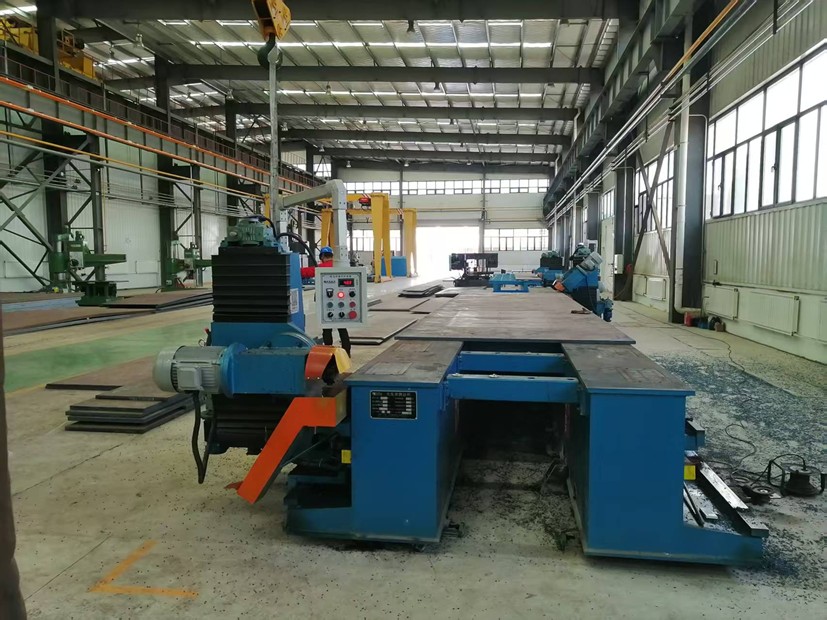
Better carbon steel edge milling results come from controlling the full process, not only the cutter. Surface defects usually reflect a combination of material condition, setup quality, machine stability, and parameter choice.
Start with a simple inspection routine, record stable settings, and correct one factor at a time. That approach reduces burrs, chatter, tearing, and uneven finishes with less waste and more predictable output.
Where plate flatness affects edge quality, upstream preparation should be reviewed together with machining. A more stable workpiece often leads to a cleaner edge, better fit-up, and smoother production flow.
