




Automatic Welding Positioner Trends for High-Mix Fabrication in 2026
— —
Automatic Welding Positioner Trends for High-Mix Fabrication in 2026
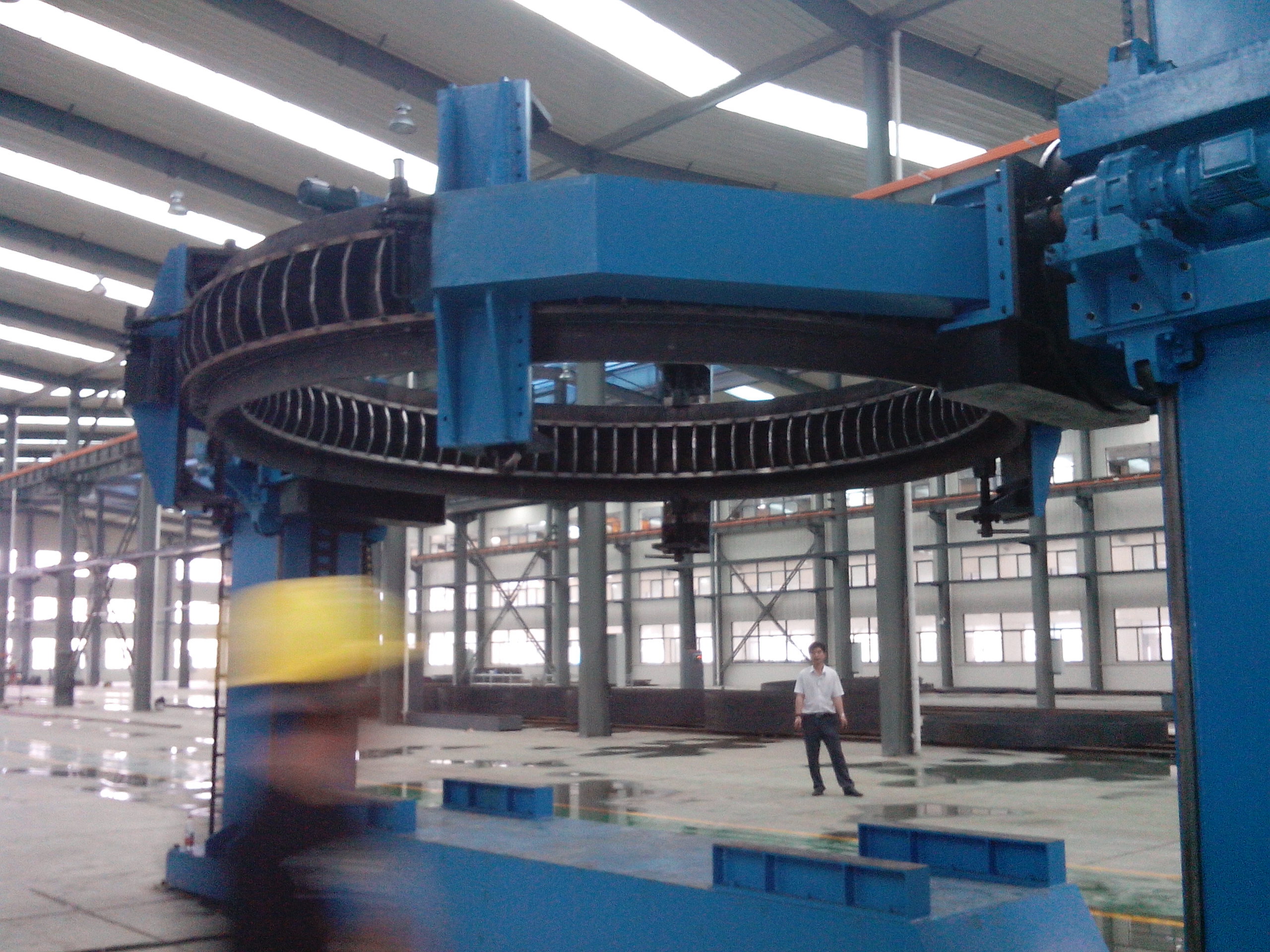
As high-mix fabrication grows more complex in 2026, choosing the right Automatic welding positioner is becoming a strategic decision for manufacturers seeking higher flexibility, safer handling, and more consistent weld quality. For business leaders evaluating equipment investments, understanding the latest trends can reveal how smarter positioning technology helps reduce downtime, improve productivity, and support diverse production demands.
What Business Leaders Are Really Looking For in 2026
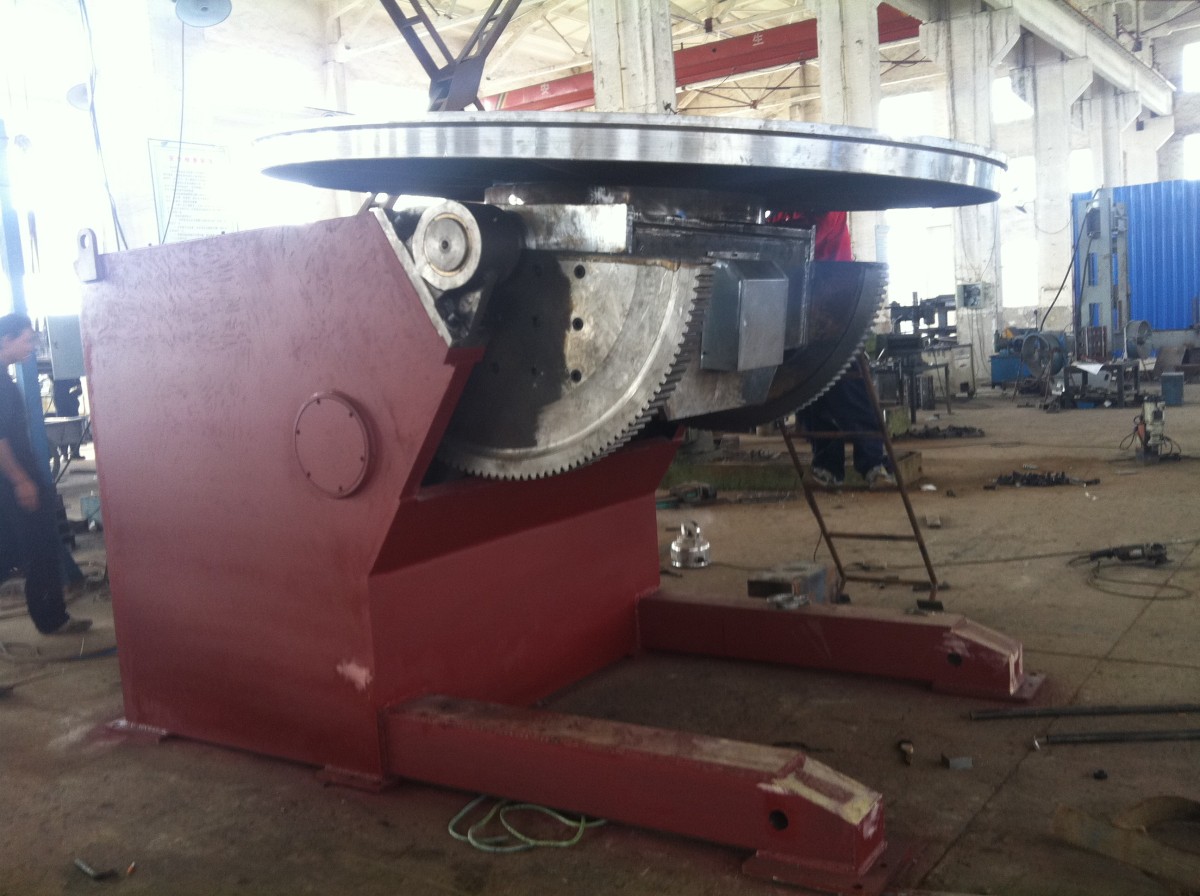
The core search intent behind Automatic welding positioner trends is practical, not theoretical. Decision-makers want to know which technologies will improve throughput, reduce labor pressure, and support mixed-part production.
In high-mix environments, the main concern is no longer only weld quality. Leaders are assessing whether positioning systems can handle frequent changeovers, variable part sizes, and tighter delivery schedules.
The overall judgment for 2026 is clear. The most valuable systems are flexible, programmable, safe, and easy to integrate with welding automation, rather than simply offering higher load capacity.
Why High-Mix Fabrication Is Changing Equipment Priorities
High-mix fabrication means shorter runs, more part variation, and less tolerance for manual repositioning delays. In this context, an Automatic welding positioner becomes a workflow tool, not just a fixture accessory.
Traditional equipment may still rotate and tilt effectively, but many shops now need faster job setup, repeatable positioning memory, and compatibility with robotic or semi-automatic welding cells.
For executives, this changes purchasing criteria. The key question is not “Can it position a workpiece?” but “Can it improve total production efficiency across many different jobs?”
Top Automatic Welding Positioner Trends Shaping 2026
One major trend is smarter control architecture. More systems now include digital parameter storage, recipe-based positioning, and programmable angle control, which helps operators switch between part families faster.
Another important trend is stronger integration with collaborative and industrial welding robots. Positioners are increasingly expected to synchronize movement with welding paths to improve arc stability and reduce repositioning pauses.
Safety-focused design is also advancing. In 2026, buyers are paying closer attention to anti-collision features, load monitoring, emergency stop layout, and safer clamping support for irregular components.
Modular configuration is becoming more attractive as well. Manufacturers prefer scalable systems that can be adapted for different product sizes instead of buying dedicated equipment for each production category.
Data visibility is another growing factor. Some advanced positioners support production monitoring, maintenance alerts, and usage records, helping management connect equipment performance with utilization and downtime trends.
What Decision-Makers Should Evaluate Before Investing
The first priority is application fit. A positioner that performs well in repetitive batch production may not deliver the same return in a high-mix workshop with frequent dimensional and fixture changes.
Evaluate load capacity with a margin, but do not stop there. Rotation accuracy, tilt stability, center-of-gravity adaptability, and fixture compatibility often have greater impact on daily productivity.
Changeover time should be examined closely. Even a technically strong machine may underperform if operators need excessive manual adjustment between jobs, especially when order volumes are fragmented.
Control simplicity matters too. Management should ask whether skilled operators are required for every setup, or whether less-experienced staff can quickly run standard positioning programs safely and consistently.
It is also wise to assess downstream integration. If the Automatic welding positioner cannot communicate smoothly with manipulators, robots, or welding power sources, future automation expansion may become expensive.
How the Right Positioning System Delivers Measurable ROI
For most buyers, the business case depends on three measurable gains: reduced non-welding time, improved weld consistency, and safer handling of heavy or awkward assemblies.
Less manual repositioning directly increases arc-on time. Over weeks and months, even small time savings per part can generate meaningful capacity gains without adding labor or floor space.
Better orientation also helps welders and robots maintain more stable conditions. This can lower rework rates, reduce fatigue, and support more predictable quality across varied product types.
Safety improvements should not be underestimated. Fewer manual lifts, less unstable clamping, and more controlled movement can reduce incident risk and protect both operators and production continuity.
Common Buying Risks and How to Avoid Them
A common mistake is overbuying based on maximum specifications while ignoring actual production flow. A larger machine is not automatically better if it slows setup or occupies excessive floor area.
Another risk is selecting equipment without considering fixture engineering. Positioning performance depends heavily on how the workpiece is supported, balanced, and presented to the welding zone.
Some buyers also underestimate maintenance and training needs. If spare parts, service support, and operator onboarding are weak, the promised productivity improvement may never fully materialize.
When reviewing suppliers, decision-makers should ask for application examples, integration capability, safety compliance, and realistic cycle improvement estimates based on similar fabrication conditions.
Why Broader Fabrication Line Thinking Matters
In many factories, welding efficiency is affected by upstream material condition as much as by downstream automation. Distorted or stressed plate can slow fit-up, reduce consistency, and increase handling complexity.
That is why some manufacturers evaluate adjacent equipment together. For example, a Plate leveling machine can help eliminate residual stress and improve flatness before fabrication begins.
Modern electric-hydraulic leveling solutions support automated operation, precise roller gap adjustment, and stable pressure control, making them especially relevant where mixed material conditions affect fabrication accuracy.
For management teams, this wider view matters. A stronger welding position strategy often delivers the best results when paired with better material preparation, handling control, and process consistency across the line.
What to Expect from Competitive Suppliers in 2026
Strong suppliers should offer more than a machine catalog. They should help define suitable configurations, clarify load and balance limits, and support integration with broader welding or fabrication systems.
Manufacturers with experience in automatic welding equipment, CNC cutting, robotic welding, and metal processing machinery are often better positioned to recommend practical line-level solutions.
This is especially important for companies planning future expansion. A supplier that understands both current manual bottlenecks and long-term automation goals can reduce investment risk significantly.
Conclusion
In 2026, the value of an Automatic welding positioner is increasingly tied to flexibility, integration, and operational simplicity. For high-mix fabrication, the right choice supports faster changeovers, safer handling, and more stable output.
Business leaders should focus on total workflow impact rather than isolated specifications. The best investment is the one that fits real production variation, scales with automation goals, and strengthens return across the fabrication process.
