




Automatic Pipe Welding Machine Trends for 2026
— —
Automatic Pipe Welding Machine Trends for 2026
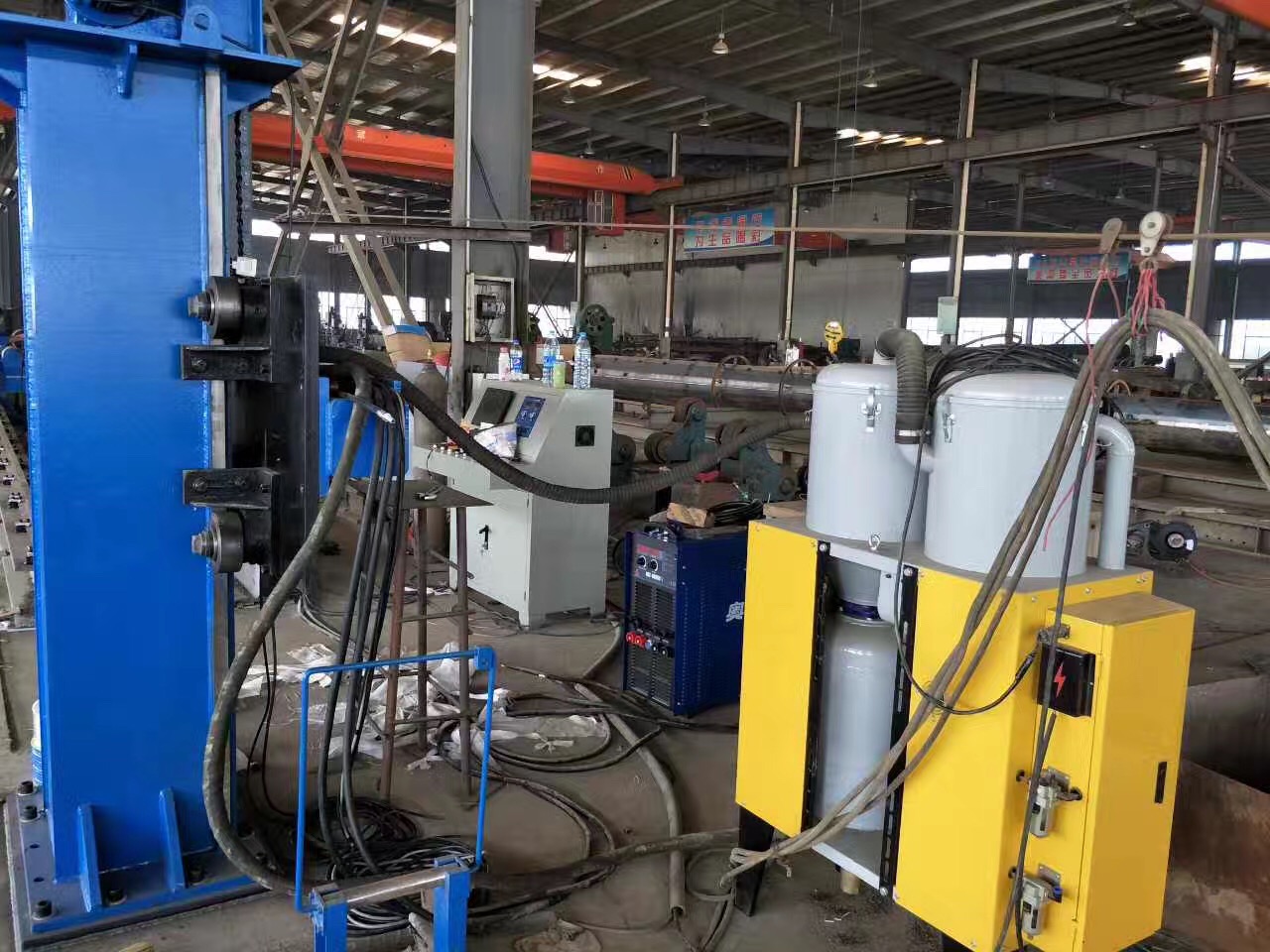
Automatic Pipe Welding Machine Trends for 2026
As production moves toward smarter, faster, and more cost-efficient fabrication in 2026, the Automatic Pipe welding machine is becoming a strategic investment.
It is no longer viewed only as a workshop tool. It now affects welding quality, labor planning, delivery speed, and compliance performance.
This article explains key trends, selection factors, risks, and preparation steps for automatic pipe welding equipment in modern manufacturing environments.
What Is Changing in Automatic Pipe Welding Machine Technology in 2026?
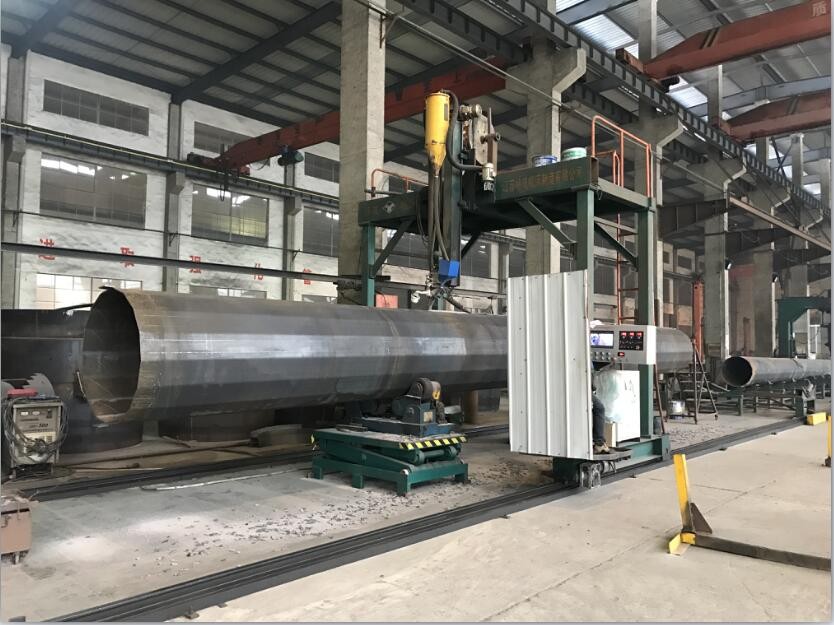
The biggest change is the shift from single-function automation to connected, adaptive, and data-supported pipe welding systems.
An Automatic Pipe welding machine in 2026 is expected to do more than rotate, weld, and repeat a preset path.
It must help stabilize arc performance, reduce manual correction, record production data, and support consistent quality over long runs.
Servo control, digital welding power sources, and intelligent parameter storage are becoming standard expectations in pipe fabrication lines.
This matters in pressure pipeline, chemical equipment, shipbuilding, energy projects, and prefabricated piping systems.
Each application needs stable weld seams, accurate positioning, and repeatable performance across different pipe diameters and wall thicknesses.
Key technology directions
- Smarter seam tracking for more stable weld alignment.
- Digital parameter management for repeatable welding recipes.
- Modular machine structures for flexible pipe sizes.
- Integrated inspection data for traceable quality control.
- Energy-efficient operation with reduced rework rates.
The trend is clear. Automatic Pipe welding machine design is moving toward precision, visibility, and lower dependence on manual skill variation.
Why Is Precision Control Becoming a Core Buying Factor?
Precision control directly affects weld appearance, penetration stability, defect rate, and downstream assembly efficiency.
A high-performing Automatic Pipe welding machine should control rotation speed, torch angle, wire feeding, arc length, and travel synchronization.
Small variations can create undercut, incomplete fusion, excessive reinforcement, or heat distortion.
In 2026, precision is increasingly evaluated through measurable results rather than simple machine descriptions.
Useful indicators include weld pass consistency, positioning tolerance, parameter repeatability, and the percentage of joints accepted without repair.
Where precision creates value
In pipeline prefabrication, accurate rotation and torch control reduce fit-up errors during site installation.
In pressure vessel manufacturing, repeatable welding parameters help support inspection requirements and documentation.
In stainless steel pipe processing, better heat control lowers deformation and improves surface quality.
For carbon steel production, a reliable Automatic Pipe welding machine can increase throughput while controlling spatter and repair workload.
What should be checked before purchase?
- Rotation accuracy under loaded pipe conditions.
- Torch adjustment range and locking stability.
- Compatibility with TIG, MIG, MAG, or SAW processes.
- Ease of storing and recalling welding parameters.
- Cooling design for long production shifts.
Precision should be verified through sample welding, not only through catalog specifications.
How Will Digital Integration Affect Pipe Welding Workshops?
Digital integration is one of the strongest Automatic Pipe welding machine trends for 2026.
Production data is becoming as important as mechanical capability because quality audits increasingly require traceability.
A connected welding system can record current, voltage, travel speed, operator settings, joint numbers, and production time.
These records help analyze process stability, identify frequent defects, and improve scheduling accuracy.
Digital integration also supports preventive maintenance. Motors, reducers, guide rails, sensors, and welding power sources can be monitored more effectively.
When abnormal load, vibration, or temperature is detected early, downtime can be reduced.
Integration with other fabrication equipment
Pipe welding rarely stands alone. It often connects with cutting, beveling, fitting, handling, and inspection processes.
Better digital coordination helps reduce idle time between preparation and welding.
In steel structure production, drilling, cutting, and welding data may need to work together across a broader fabrication line.
For example, Wuxi Armada supplies solutions beyond welding equipment, including CNC cutting machines, welding robots, and steel processing machinery.
A relevant example is the H beam 3D drilling machine, used for steel structure buildings, bridges, and parking garages.
Its YK-BHD1250 model supports three drilling surfaces, Siemens PLC control, and 7+3 CNC axes for accurate steel beam processing.
Such equipment shows how modern fabrication is moving toward linked CNC accuracy across multiple processes.
Which Applications Benefit Most from Automatic Pipe Welding Machine Upgrades?
Not every workshop needs the same automation level. The value depends on product type, batch size, joint complexity, and quality requirements.
An Automatic Pipe welding machine brings the strongest return where repetitive circular welds and stable joint designs are common.
It is especially useful when skilled welder availability is limited or project delivery windows are tight.
High-value application areas
For small batches with highly variable joint geometry, flexible fixtures and quick setup features become more important.
For high-volume pipe spools, cycle time, parameter storage, and loading efficiency should receive priority.
The right Automatic Pipe welding machine should match real production flow, not only ideal laboratory conditions.
What Risks and Mistakes Should Be Avoided Before Investment?
A common mistake is buying based only on pipe diameter range or machine price.
The actual return depends on fixture design, process compatibility, operator training, consumable control, and after-sales support.
Another risk is underestimating preparation quality. Poor cutting, beveling, and fit-up will limit any Automatic Pipe welding machine.
Automation amplifies process stability, but it cannot fully compensate for inconsistent upstream preparation.
Practical risk checklist
- Confirm pipe diameter, thickness, and material ranges.
- Check whether existing power sources are compatible.
- Review clamping stability for short and long pipes.
- Test sample welds under realistic production conditions.
- Verify spare parts, service response, and training support.
- Plan space for loading, unloading, and safe operation.
Quality systems also matter. Equipment designed under ISO9001 and CE-related practices provides stronger confidence for global projects.
Wuxi Armada follows ISO9001 quality system requirements and EU CE standards across relevant mechanical equipment supply.
This supports stable product quality for customers in Southeast Asia, Europe, the Americas, Oceania, and other markets.
How Should a 2026 Upgrade Plan Be Evaluated?
A successful upgrade plan should begin with production data, not machine catalogs.
Important data includes monthly weld quantity, average repair rate, labor hours, pipe specifications, and inspection failure causes.
This information helps define whether a compact Automatic Pipe welding machine, heavy-duty system, or robotic cell is more suitable.
The upgrade should also consider future product changes. A machine with modular options may protect long-term investment value.
Decision framework for selection
Cost evaluation should include rework reduction, labor savings, inspection efficiency, and delivery reliability.
A cheaper Automatic Pipe welding machine may become expensive if downtime, poor support, or weak rigidity causes production losses.
The better approach is lifecycle comparison, including maintenance, consumables, fixtures, training, and productivity gains.
FAQ: Common Questions About Automatic Pipe Welding Machine Trends
Final Thoughts and Next Steps
The 2026 market favors equipment that combines mechanical rigidity, precision control, digital records, and practical service support.
An Automatic Pipe welding machine should be evaluated as part of the whole fabrication process, not as an isolated purchase.
Before upgrading, review current welding defects, capacity limits, pipe specifications, and quality documentation needs.
Then compare machine configurations through real welding tests and lifecycle cost analysis.
Wuxi Armada International Trade Co., Ltd provides mechanical equipment solutions for welding, cutting, CNC machining, and steel structure processing.
With manufacturing experience, design support, and honest service, the company helps match equipment choices to practical production goals.
For 2026 planning, the next step is simple: define real production requirements, request technical consultation, and verify performance with sample workpieces.
