




— —
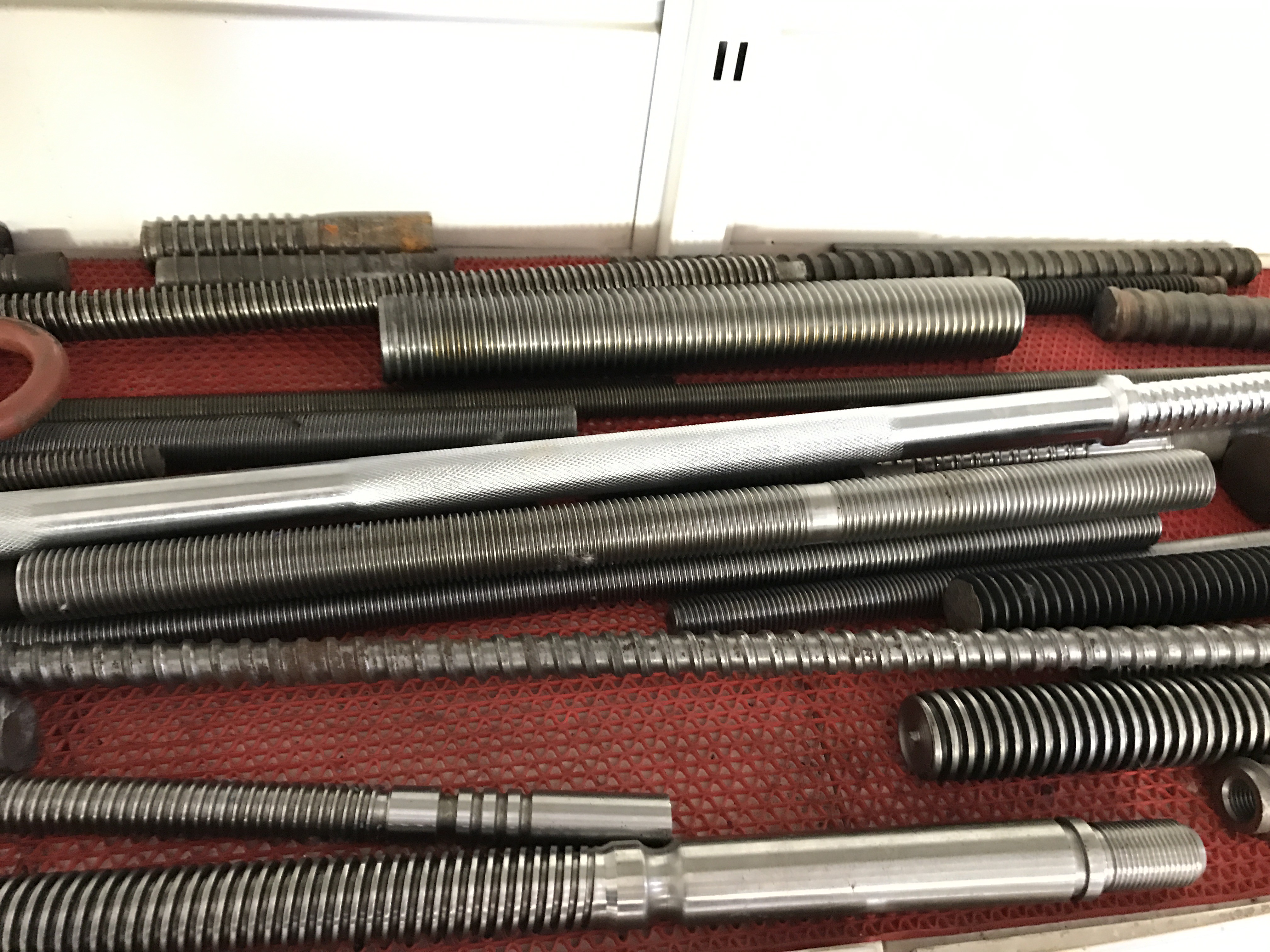
Thread Rolling Die: The Complete Guide to Types, Materials, and Industrial Applications in 2026
What Is A Thread Rolling Die
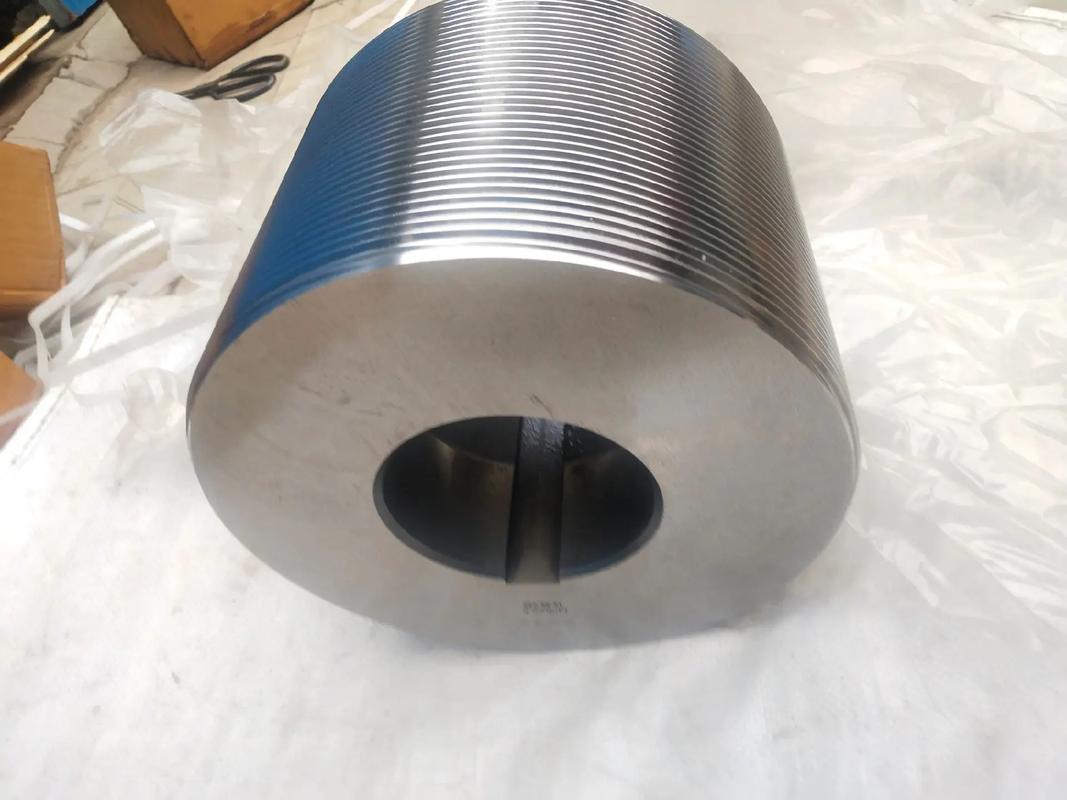
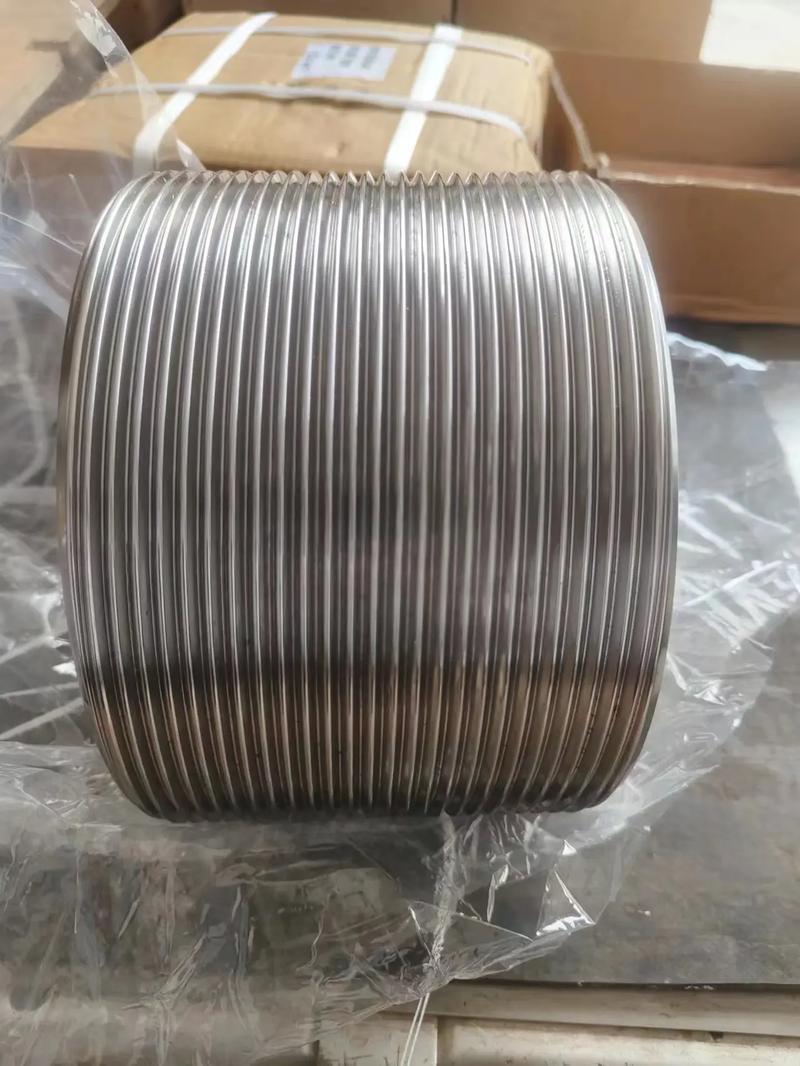
A thread rolling die is a hardened precision tool used to form external threads on a cylindrical workpiece by plastic deformation rather than material removal. Instead of cutting chips, the die displaces metal under controlled pressure so the thread profile flows into shape. This makes thread rolling die technology important for buyers who need high productivity, strong thread roots, and consistent repeatability in mass production.
In industrial practice, a thread rolling die is defined not only by its geometry, pitch, flank angle, and surface finish, but also by the machine system in which it runs. Die performance depends on matching the tooling with workpiece material, blank diameter, lubrication, rolling speed, and machine rigidity. A good die can only deliver stable output when the full process chain is aligned.
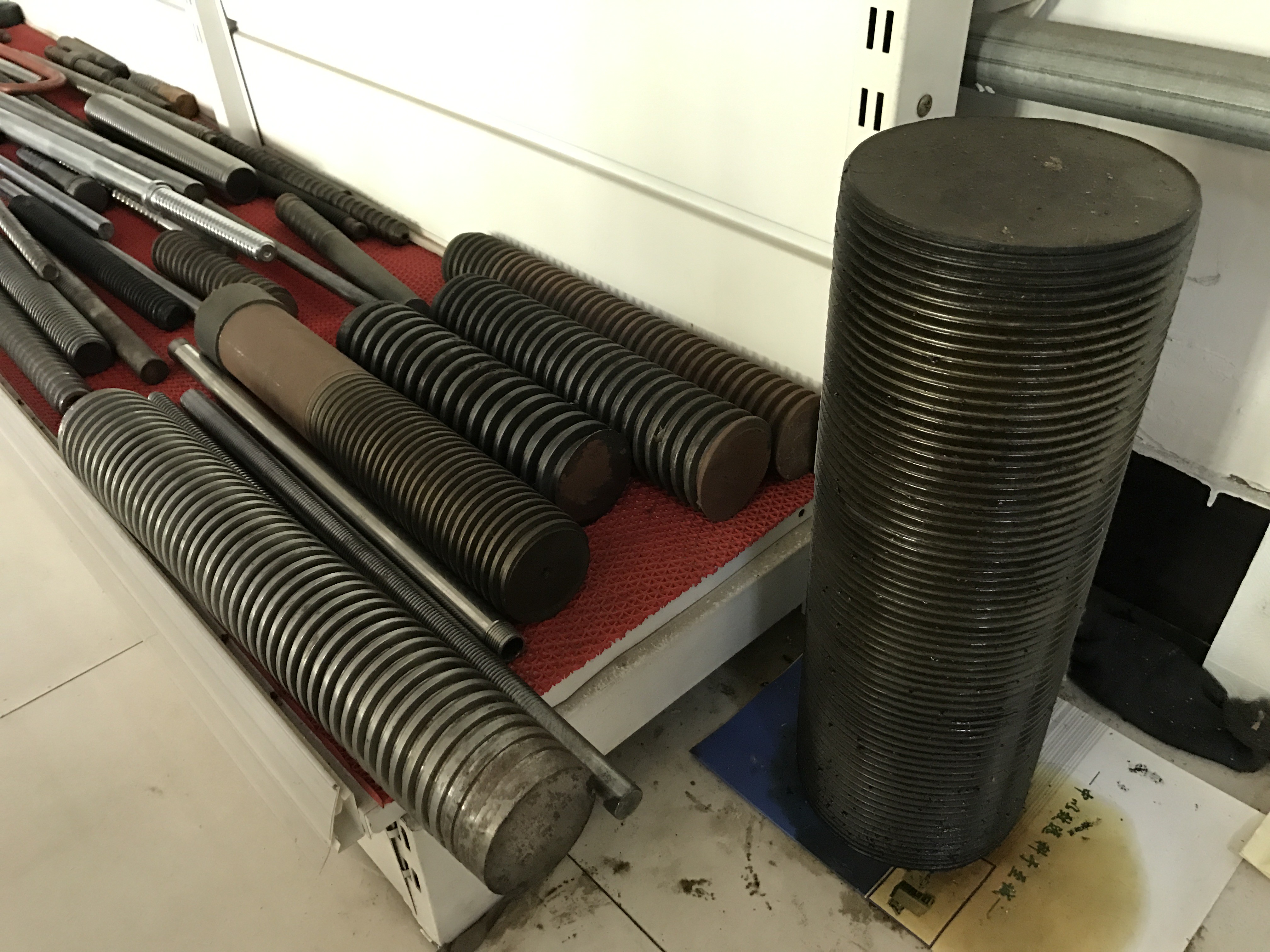
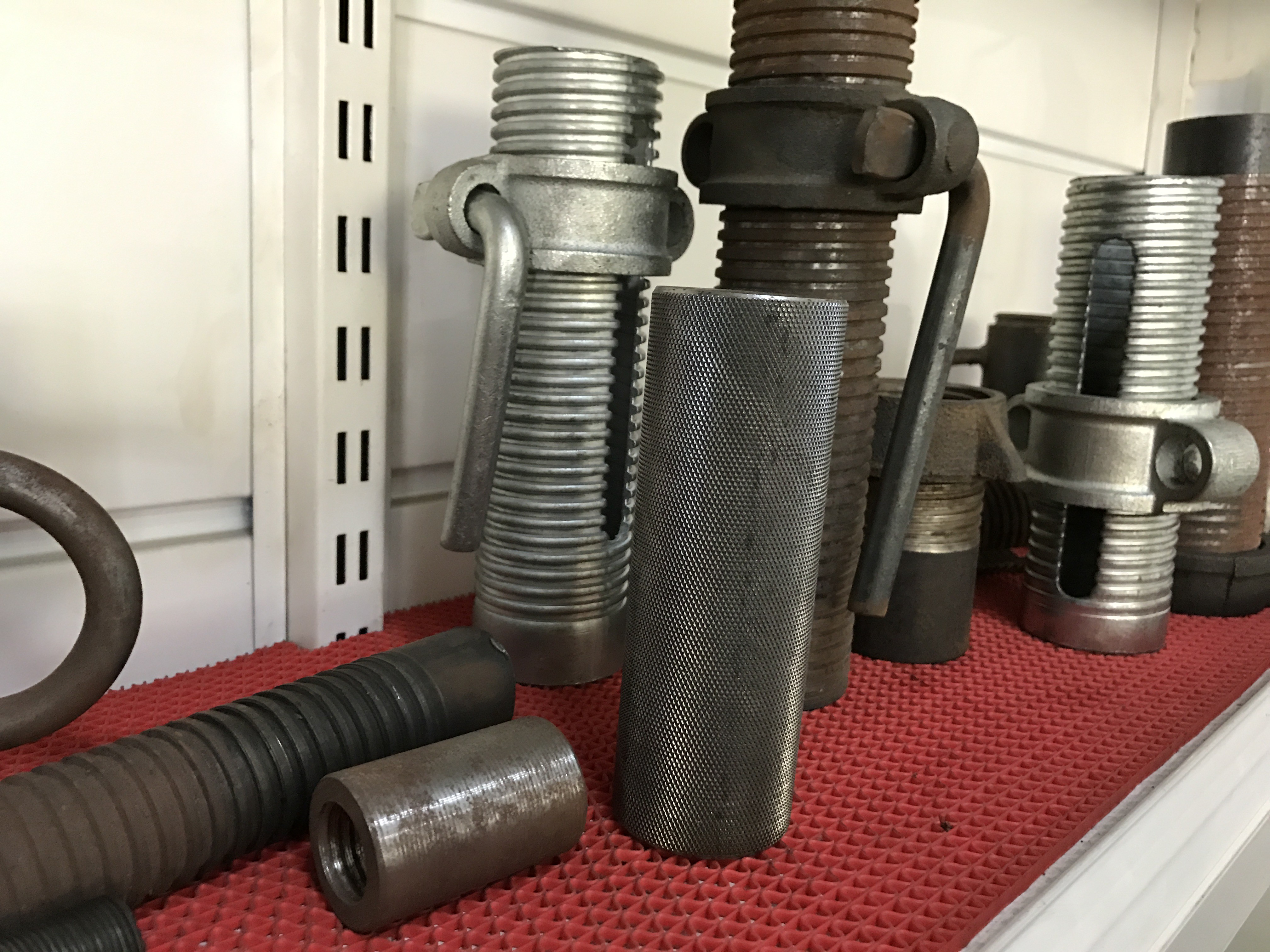
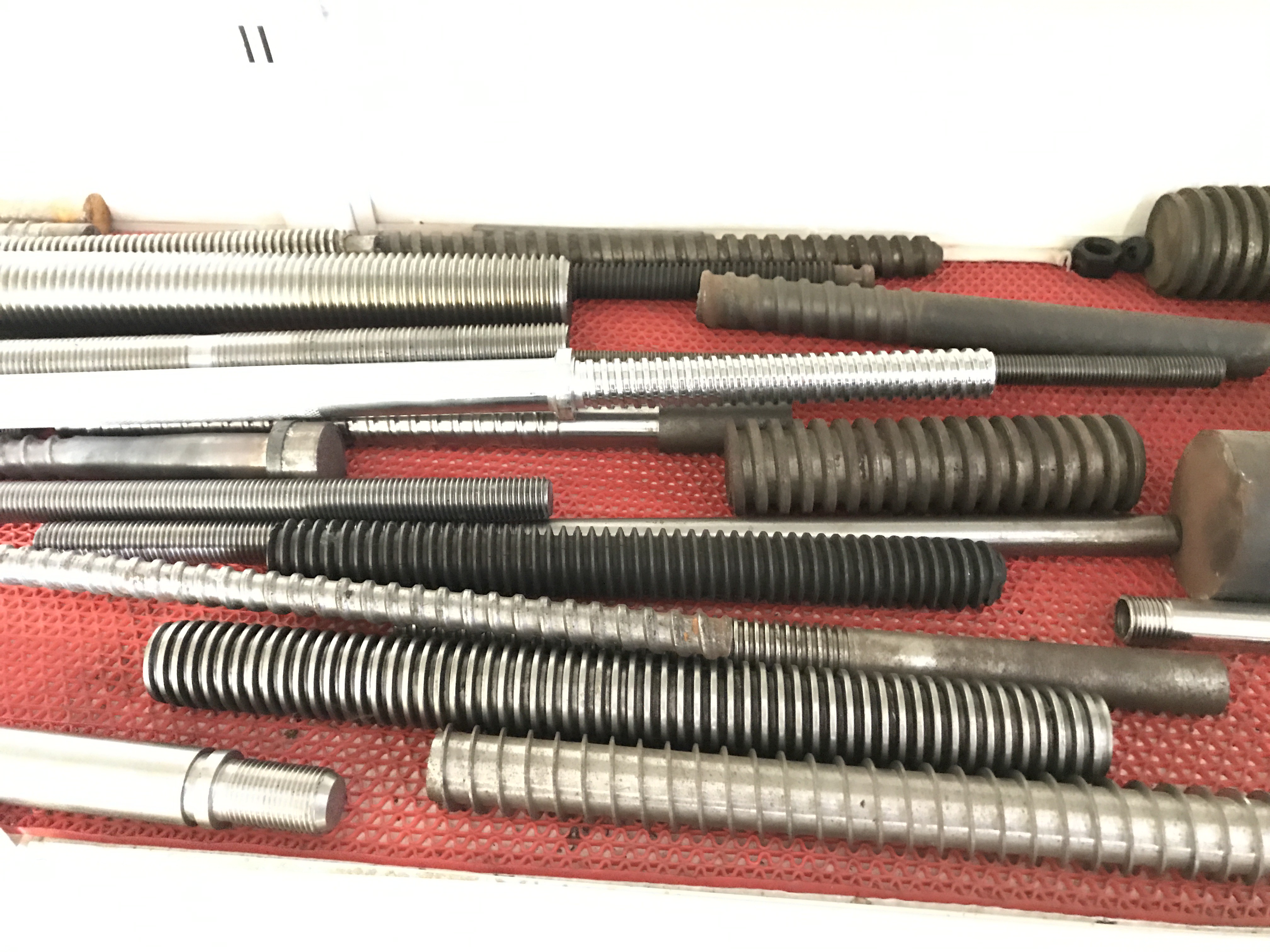
Most thread rolling dies are produced from wear resistant tool steels or similar high hardness die materials that can resist pressure, heat, and repeated friction. They are used for bolts, screws, studs, automotive fasteners, pipe connectors, construction hardware, and many custom threaded components. In sectors where thread integrity influences assembly speed and long term reliability, die quality directly affects finished part quality.
For procurement teams, understanding a thread rolling die means looking beyond the tool itself. The real value comes from how the die supports throughput, surface quality, dimensional stability, and lower scrap in a production line. That is why tooling is often evaluated together with thread rolling machines, operator skill, and inspection standards.
How Thread Rolling Die Technology Works
The working principle of a thread rolling die is cold forming. As the blank is pressed between dies, the material flows into the inverse thread profile engraved on the die face. Because the grain flow of the material is compressed and redirected instead of being cut away, the produced thread usually shows better fatigue resistance and smoother surface finish than a cut thread under comparable process control.
The process begins with the correct blank diameter. If the blank is oversized, the thread may overfill, create excessive pressure, and shorten die life. If the blank is undersized, crest formation may be incomplete. Accurate setup also includes pitch alignment, die center distance, rolling pressure, feed timing, lubrication selection, and surface cleanliness of the workpiece before forming starts.
A thread rolling die works under very high localized contact stress, so hardness alone is not enough. The die must balance toughness, wear resistance, and profile precision. Micro defects in the die surface can transfer directly to the threaded part, leading to marks, slippage, poor finish, or unstable dimensions. This is why high precision grinding, heat treatment control, and final inspection are central to die manufacturing.
In real factories, the die is only one part of the forming system. Machine rigidity, spindle synchronization, lubrication delivery, and operator setup discipline all influence results. Wuxi Armada supplies thread rolling machine solutions alongside a broader portfolio of metalworking equipment, which is useful for buyers building coordinated production lines rather than purchasing isolated machines only.
Main Types Of Thread Rolling Die
The most common classification starts with die form. Flat thread rolling dies are widely used for high volume fastener production because they support rapid cycling and efficient feeding. Cylindrical dies are common for certain rotary rolling systems where continuous motion and stable engagement are required. Segment dies and specialized profile dies are used when thread geometry or part shape requires a more customized rolling path.
Another practical classification is by thread standard and application. A thread rolling die may be designed for metric threads, unified threads, trapezoidal forms, pipe related profiles, or custom industrial geometries. Buyers should never assume a die is interchangeable simply because nominal diameter appears similar. Thread angle, pitch tolerance, lead accuracy, and crest form must match the target specification and assembly requirement.
Dies can also be grouped by workpiece material range. Carbon steel fasteners, alloy steel parts, stainless steel studs, and some nonferrous components do not behave the same during rolling. The proper die design may include different surface finish levels, relief geometry, or hardness strategy to manage flow stress and reduce pickup. This is especially relevant in export production where multiple end markets require different base materials.
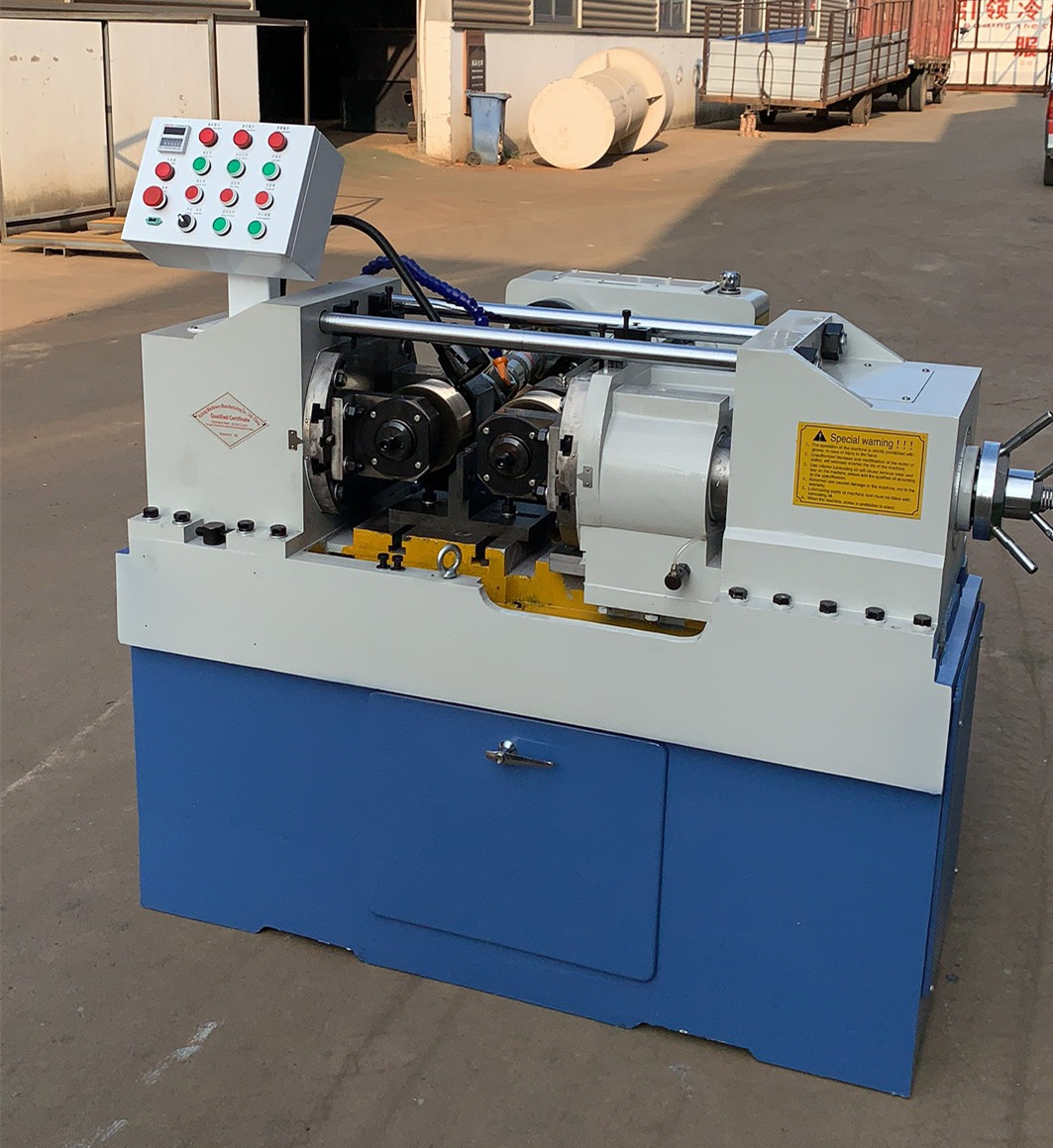
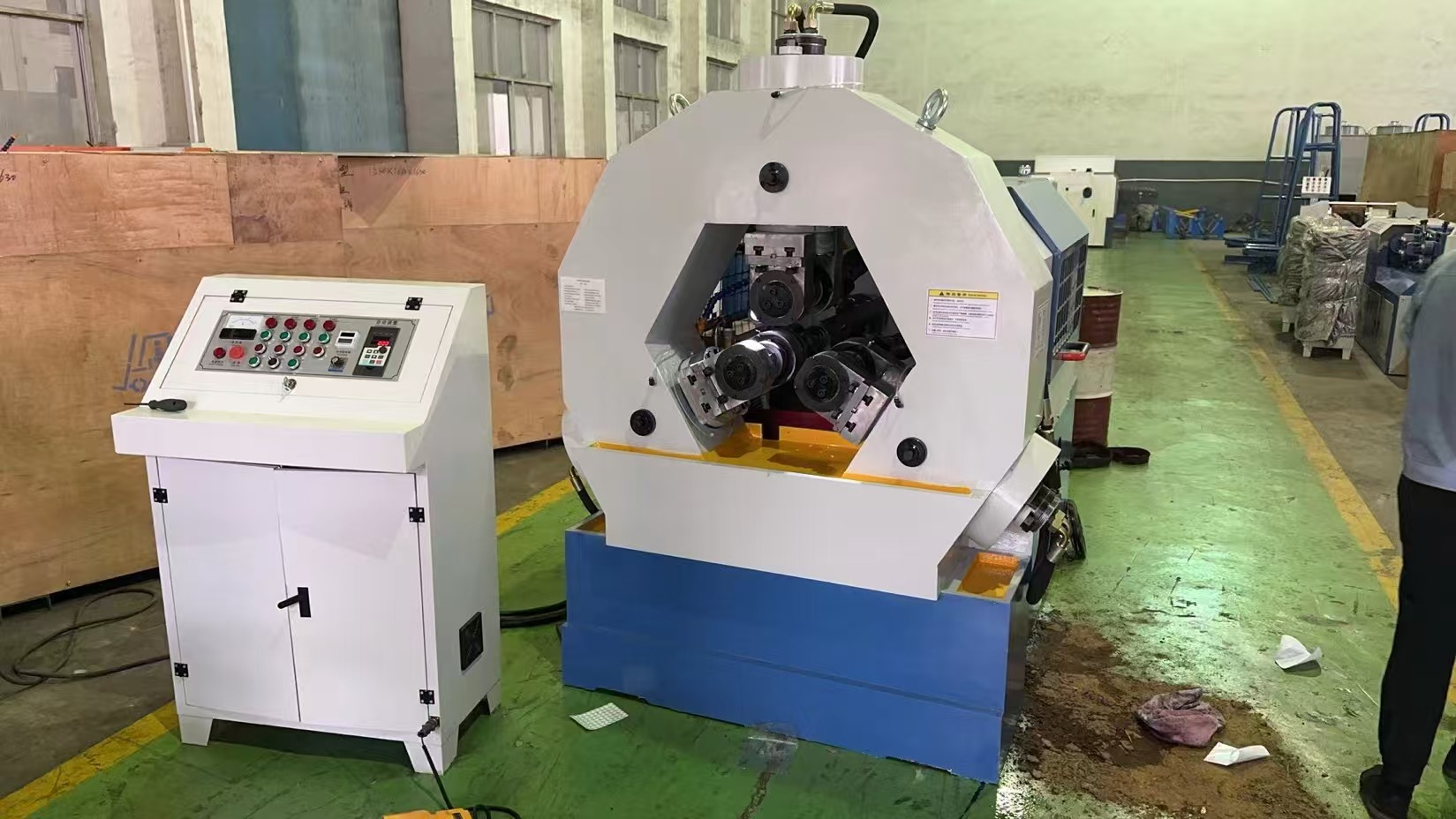
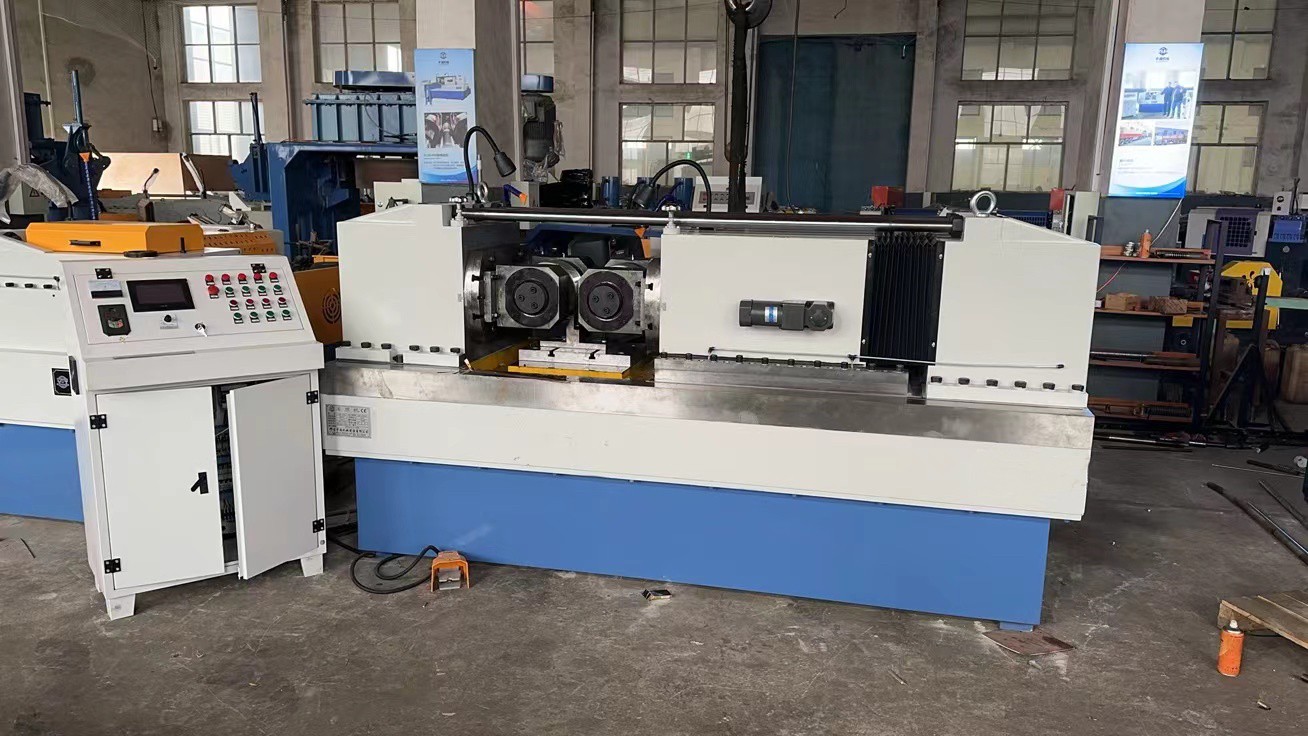
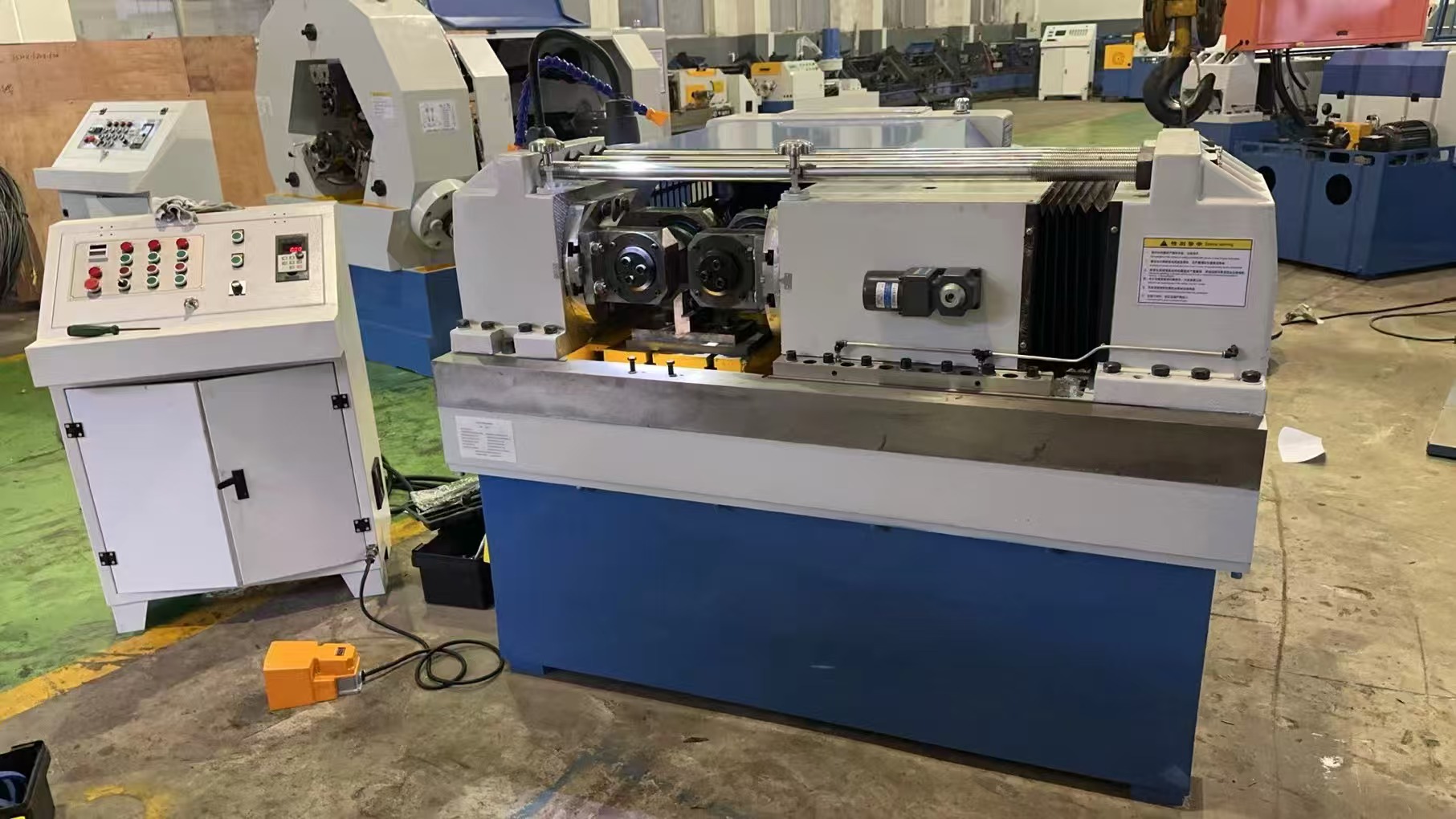
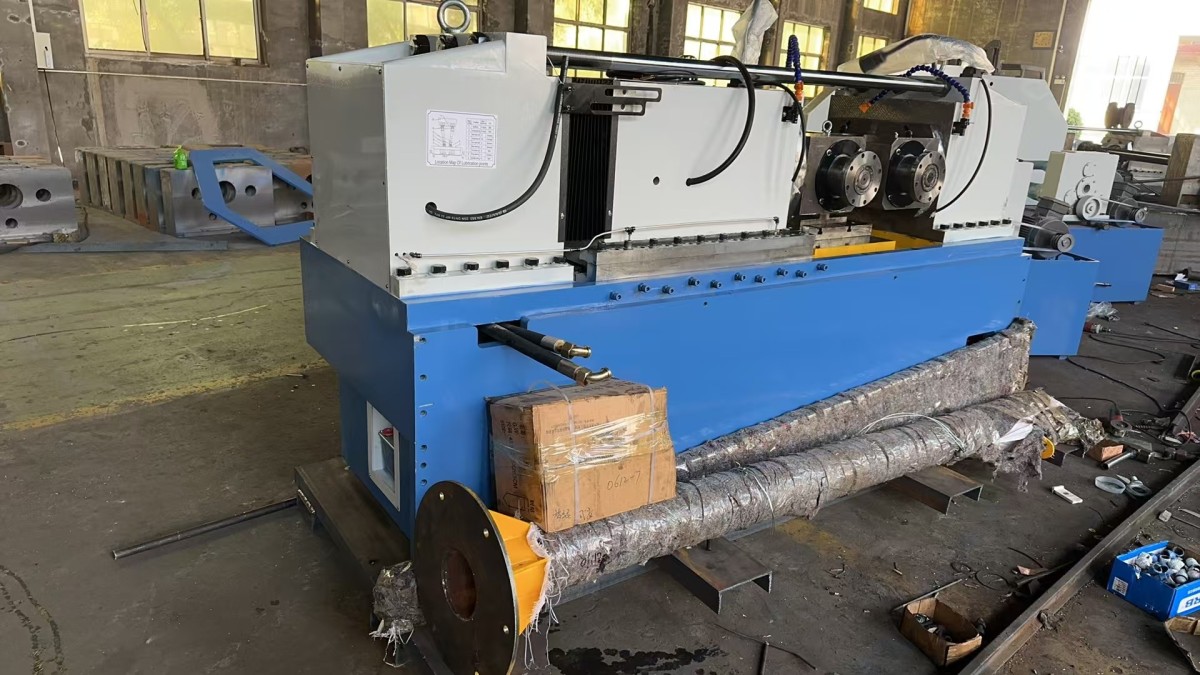
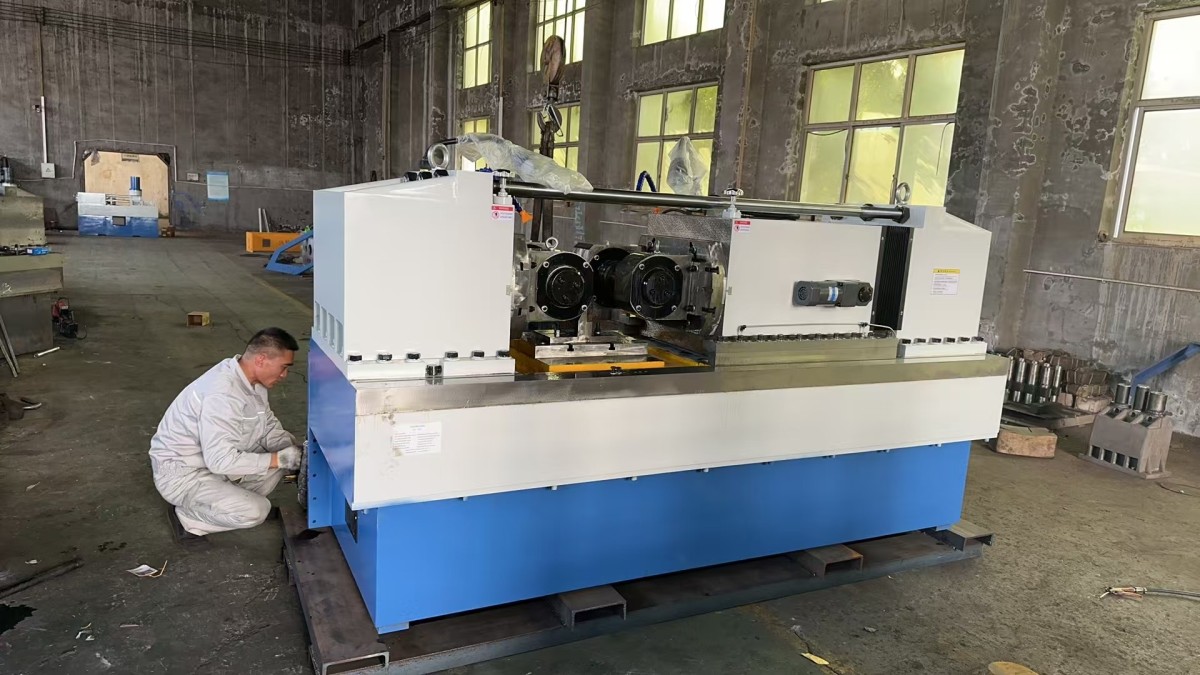
From a machine compatibility perspective, buyers often review the die together with equipment such as the Z28-150 thread rolling machine, ZC28-6.3 thread rolling machine, or Z28-1000 thread rolling machine. The right match depends on part size, rolling force, production volume, and setup flexibility. Wuxi Armada can support this broader matching logic because its offering extends across thread rolling and related fabrication machinery.
Die Materials Hardness And Service Life
Material selection is one of the most important factors in thread rolling die performance. In general, dies are produced from high grade tool steel capable of achieving the hardness and wear resistance needed for repeated cold forming cycles. The exact choice depends on thread profile complexity, workpiece hardness, lubrication quality, and expected production volume. A die material that performs well for low carbon steel may not be ideal for tougher alloys or abrasive production conditions.
Hardness must be considered together with toughness. Very high hardness can improve wear resistance, but if toughness is insufficient, the die may become vulnerable to chipping or cracking under shock loads or setup errors. Buyers should ask suppliers how heat treatment consistency is controlled, how profile distortion after hardening is managed, and what finishing method is used to preserve thread precision.
Die life is influenced by more than the die material itself. Workpiece composition, blank quality, rolling speed, lubrication cleanliness, and operator setup all affect usable life. Inconsistent blanks can create unstable filling and localized overloading. Poor lubrication increases friction and heat, accelerating wear and damaging thread surface quality. For this reason, experienced manufacturers look at die life as a process outcome, not a fixed catalog number.
A practical sourcing approach is to evaluate sample parts, expected lot size, maintenance frequency, and replacement lead time together. The lowest initial die price may not provide the best value if it causes frequent stoppages or inconsistent thread quality. In B2B production, stable service life and predictable replacement planning usually matter more than choosing the cheapest tooling option.
How To Select The Right Thread Rolling Die
Selecting the right thread rolling die starts with the finished thread specification. Buyers should confirm nominal diameter, pitch, thread form, tolerance class, blank diameter range, workpiece material, and required surface condition. If the application involves structural fasteners, pressure related connectors, or repetitive assembly, thread accuracy and consistency become more important than speed alone.
The second step is matching the die to the production environment. A shop producing short runs with frequent changeovers may prioritize setup convenience and die versatility. A fastener plant running continuous high volume output may prioritize long wear life, stable profile retention, and compatibility with automated feeding. These purchasing priorities often lead to different die recommendations even for similar thread sizes.
Buyers should also evaluate supplier support. Useful questions include whether the supplier can advise on blank preparation, machine setup, lubrication, troubleshooting, and spare part planning. Wuxi Armada is relevant here because it operates in manufacturing and processing machinery and offers thread rolling machines along with complementary equipment used in fabrication environments. That broader equipment knowledge can support better die and machine coordination.
A disciplined selection process usually includes sample review, technical drawing confirmation, expected output analysis, and discussion of common failure modes such as slippage, roller marks, and poor finish. This aligns well with topics such as die material, pitch, hardness, and die life, and helps procurement teams move from generic tooling quotes to process suitable decisions.
Who Uses Thread Rolling Die And Where It Fits
Thread rolling die solutions are used by fastener manufacturers, automotive suppliers, construction hardware producers, machinery builders, and subcontract machining plants. They are especially suitable where external threads must be produced in medium to high volume with repeatable quality and efficient cycle times. For companies supplying export markets, rolled threads can help support more consistent assembly performance across batches.
Typical applications include bolts, threaded rods, studs, anchor components, pipe related fittings, electrical hardware, appliance parts, and industrial connectors. In these environments, the value of a thread rolling die is not just dimensional compliance. Buyers also care about thread root strength, surface finish, plating behavior, and downstream assembly efficiency in customer factories.
Global projects often require machinery and tooling suppliers that understand different operating contexts. Customer references associated with Wuxi Armada include companies such as URALSTANKOIMPORT, MD Calbah Industries Pty Ltd, Ersay International Transport, Contevix comercio e servicos ltda, Zein Steel Industries Co.LLC, BatysMunaiGazZhabdyktary LLP, PT.Cahaya mas Cemerlang, Estructuras Metalicas Girders Chile Limitada, and Lincoln Electric-MENA. These references indicate exposure to international industrial supply environments without implying identical die applications in every case.
For buyers evaluating market access and supplier credibility, general trust signals also matter. Wuxi Armada lists ISO9001 certificate, CE certificate, and SGS certificate among its credentials. In practical sourcing terms, these signals do not replace technical validation, but they can support supplier screening when procurement teams compare machine and tooling partners for cross border projects.
Production Control Installation And Quality Assurance
Even a well designed thread rolling die can underperform if installation and process control are weak. The machine should be leveled, cleaned, and inspected before die mounting. Operators need to verify die alignment, secure clamping, workpiece feed direction, lubrication flow, and first piece dimensions before full production starts. This reduces the risk of premature wear, pitch mismatch, or damaged thread crests.
Quality assurance should focus on both the die and the rolled part. Common checks include profile accuracy, pitch consistency, major diameter, surface finish, and visual detection of marks or slippage. In demanding applications, buyers may also review coating adhesion behavior or assembly torque performance, because a thread that passes visual inspection may still create downstream problems if forming quality is inconsistent.
Routine maintenance includes monitoring lubrication cleanliness, checking machine vibration, controlling blank tolerance, and replacing dies before severe wear damages part quality. Predictive replacement is usually more economical than waiting for visible defects to spread across a production batch. In multi machine shops, documenting die life by material grade and part family helps improve future purchasing decisions.
For plants investing in broader metalworking capability, supplier coordination becomes valuable. Wuxi Armada offers a wide machinery portfolio including welding equipment, cutting machines, plate processing machinery, deburring systems, drilling machines, bending machines, and thread rolling machines. For some buyers, this makes it easier to align thread rolling with upstream fabrication and downstream assembly processes inside one sourcing framework.
Cost Structure TCO And 2026 Market Trends
The total cost of ownership of a thread rolling die includes far more than purchase price. Buyers should account for die life, setup time, machine downtime, lubrication use, scrap rate, first pass yield, operator training, replacement lead time, and the cost impact of unstable thread quality in downstream assembly. A slightly higher tooling investment can be justified if it reduces stoppages and improves process predictability over long runs.
ROI analysis should be tied to production goals. If the application is high volume fastener manufacturing, the key return drivers are cycle efficiency, repeatability, and longer stable service intervals. If the application is diversified job shop work, flexibility and easier changeover may create more value than maximizing absolute die life. Procurement teams should compare scenarios based on their actual product mix, not generic supplier claims.
Looking toward 2026, the thread rolling die market is shaped by higher expectations for process consistency, broader use of harder and specialized materials, and closer integration between tooling, machine control, and inspection data. Buyers increasingly want suppliers that can discuss not only the die but also machine compatibility, troubleshooting, and production flow. This favors partners with practical equipment knowledge and application support.
For companies planning new capacity, the best approach is to evaluate thread rolling dies together with machine selection, sample validation, and long term maintenance planning. Buyers considering equipment such as the Z28-150, ZC28-6.3, or Z28-1000 should assess whether the supplier can support the full process from tooling choice to operational stability. That integrated view is often where sourcing value becomes visible in real manufacturing results.
 Knurling Rolling Machine vs Cut Knurling: Differences in Grip, Speed, and Tool WearKnurling rolling machine vs cut knurling: compare grip quality, production speed, and tool wear to choose the best method for higher efficiency, better part consistency, and lower costs.
 Flat Die Thread Rolling Machine: Key Parameters for Stable Production QualityFlat die thread rolling machine guide to stable production quality: learn the key parameters that improve thread accuracy, reduce defects, and support reliable daily output.
 Thread Rolling Die Selection Guide: Material, Pitch, Hardness, and Die LifeThread rolling die selection guide covering material, pitch, hardness, and die life. Learn how to improve thread quality, reduce wear, and choose the right die for stable, cost-effective production.
 Thread Roller vs Cut Threading: Which Process Fits High-Volume Fastener Production?Thread roller vs cut threading: discover which process boosts speed, strength, and consistency in high-volume fastener production, and choose the smarter machining investment.
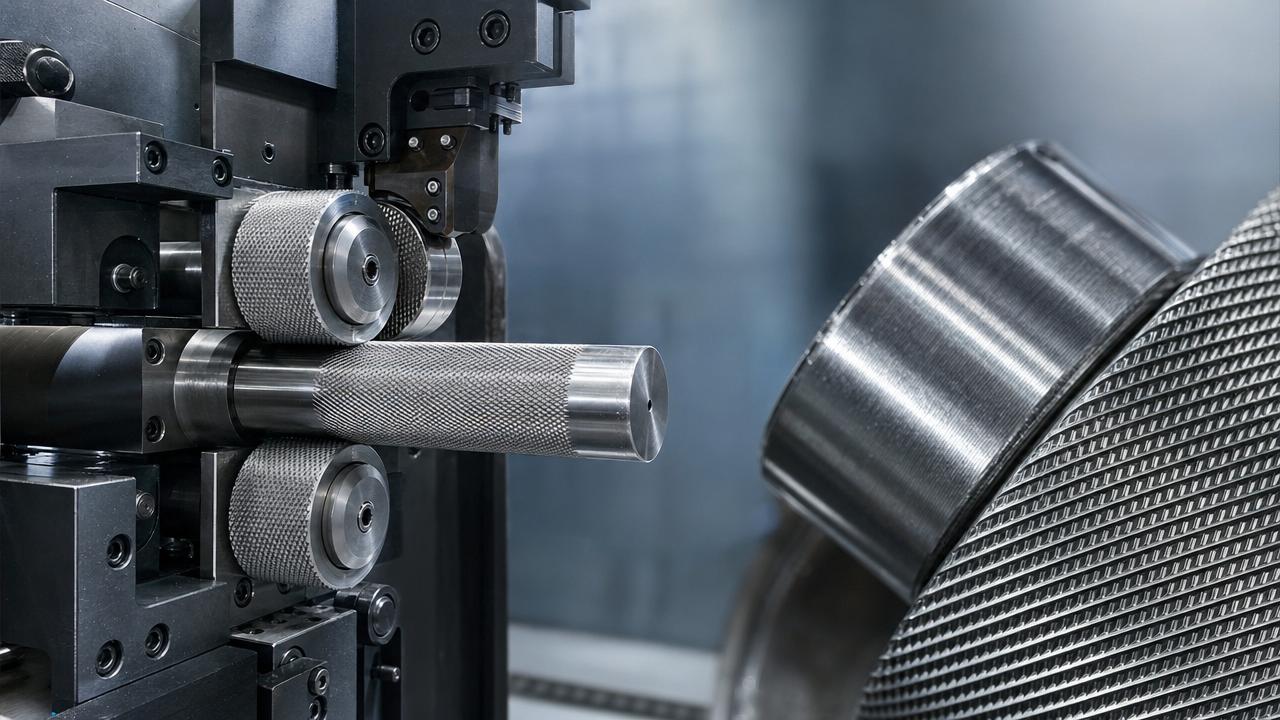
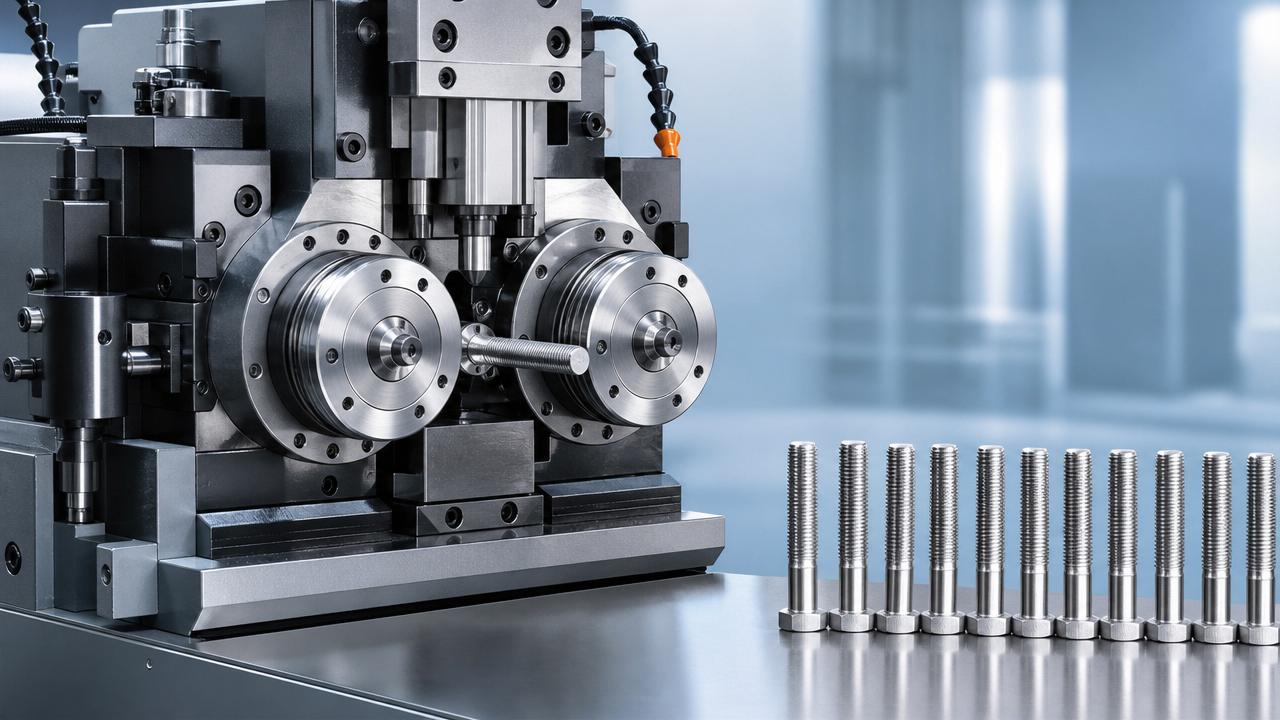
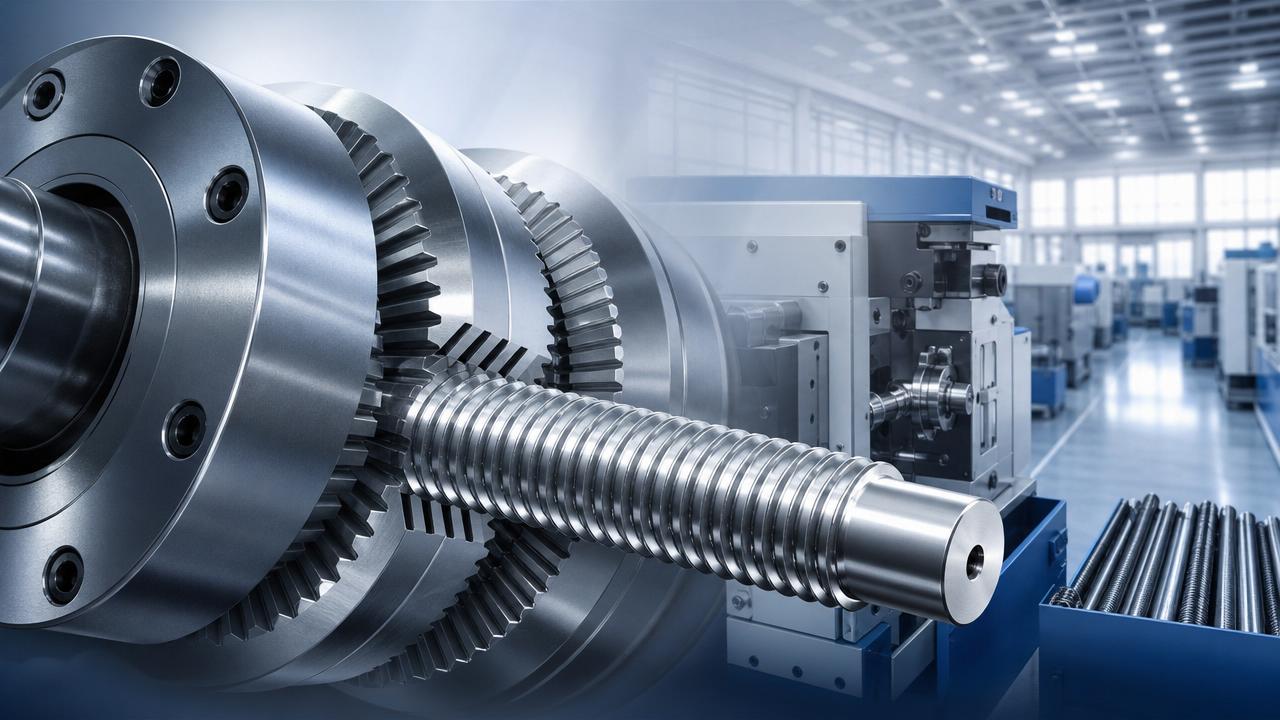
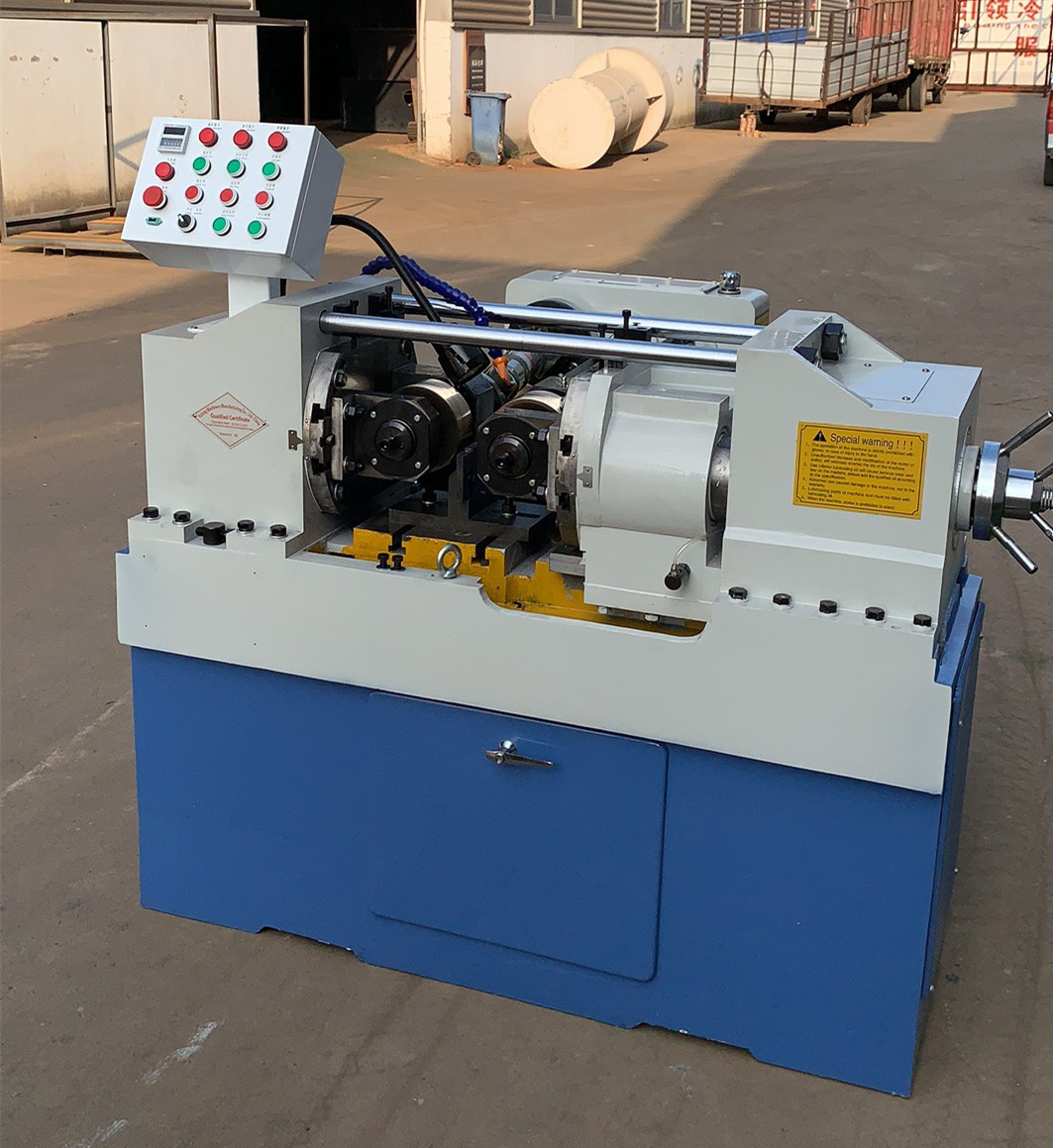
 Z28-150 thread rolling machineThread rolling machine is mainly used for rolling various types of precision external thread, high-strength standard parts and anchor bolts and T-shaped screws and other workpieces with larger screw pitch
Automatic thread rolling machine is mainly used for radial cold roll forming, cold rolling process is an advanced non-chip processing technology, the process uses rolling tool extrusion, rolling metal fibers are continuous, rolling generated when pressure should be able to effectively improve the surface roughness, hardness and strength of the workpiece, improve work efficiency than cutting times, even a few times, it can save the material easier to automate processing.Rebar thread rolling machine ZC28-6.3 thread rolling machine1.Introduction for ZC28-6.3 thread rolling machine:
Thread rolling machine is mainly used for rolling various types of precision external thread, high-strength standard parts and anchor bolts and T-shaped screws and other workpieces with larger screw pitch Z28-1000 thread rolling machineThread rolling machine is mainly used for rolling various types of precision external thread, high-strength standard parts and anchor bolts and T-shaped screws and other workpieces with larger screw pitch.
 Z28-650 thread rolling machineThread rolling machine is mainly used for rolling various types of precision external thread, high-strength standard parts and anchor bolts and T-shaped screws and other workpieces with larger screw pitch.
