— —
The Complete 2026 Guide to Radial Drilling Machine Price: Factors, Ranges, and Buying Tips
Understanding the radial drilling machine price is a critical first step for any manufacturing or fabrication business looking to expand its capabilities. Unlike standard drilling machines, radial drills offer unparalleled flexibility for large and heavy workpieces, making them a cornerstone in industries from shipbuilding to heavy equipment manufacturing. The price of a radial drilling machine is not a single number; it is a reflection of its engineering complexity, build quality, automation features, and the manufacturer's reputation.
This guide is designed to provide a transparent and detailed breakdown of what determines the cost of a radial drilling machine in 2026. We will explore the fundamental factors that influence pricing, from the machine's mechanical components to the level of CNC integration. Our goal is to equip you with the knowledge needed to evaluate quotes, understand the nuances between different machine configurations, and ultimately make a procurement decision that aligns with your production needs and budget.
What Is A Radial Drilling Machine And Why Does Its Price Vary
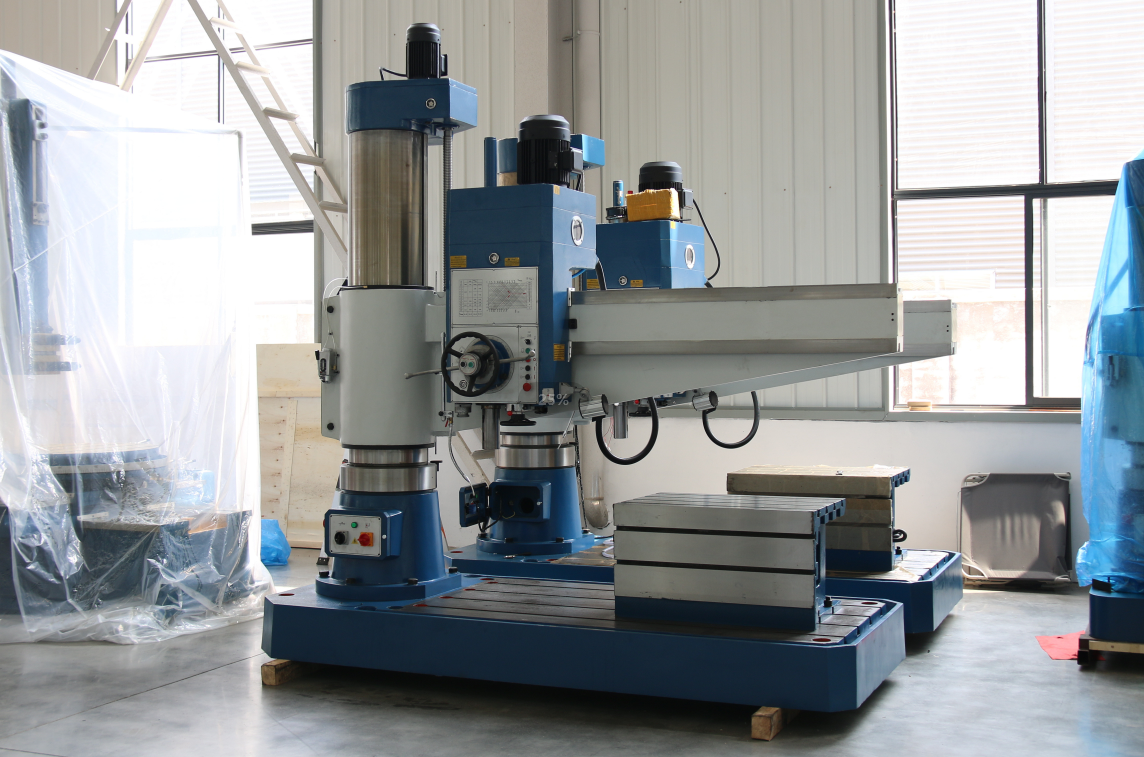
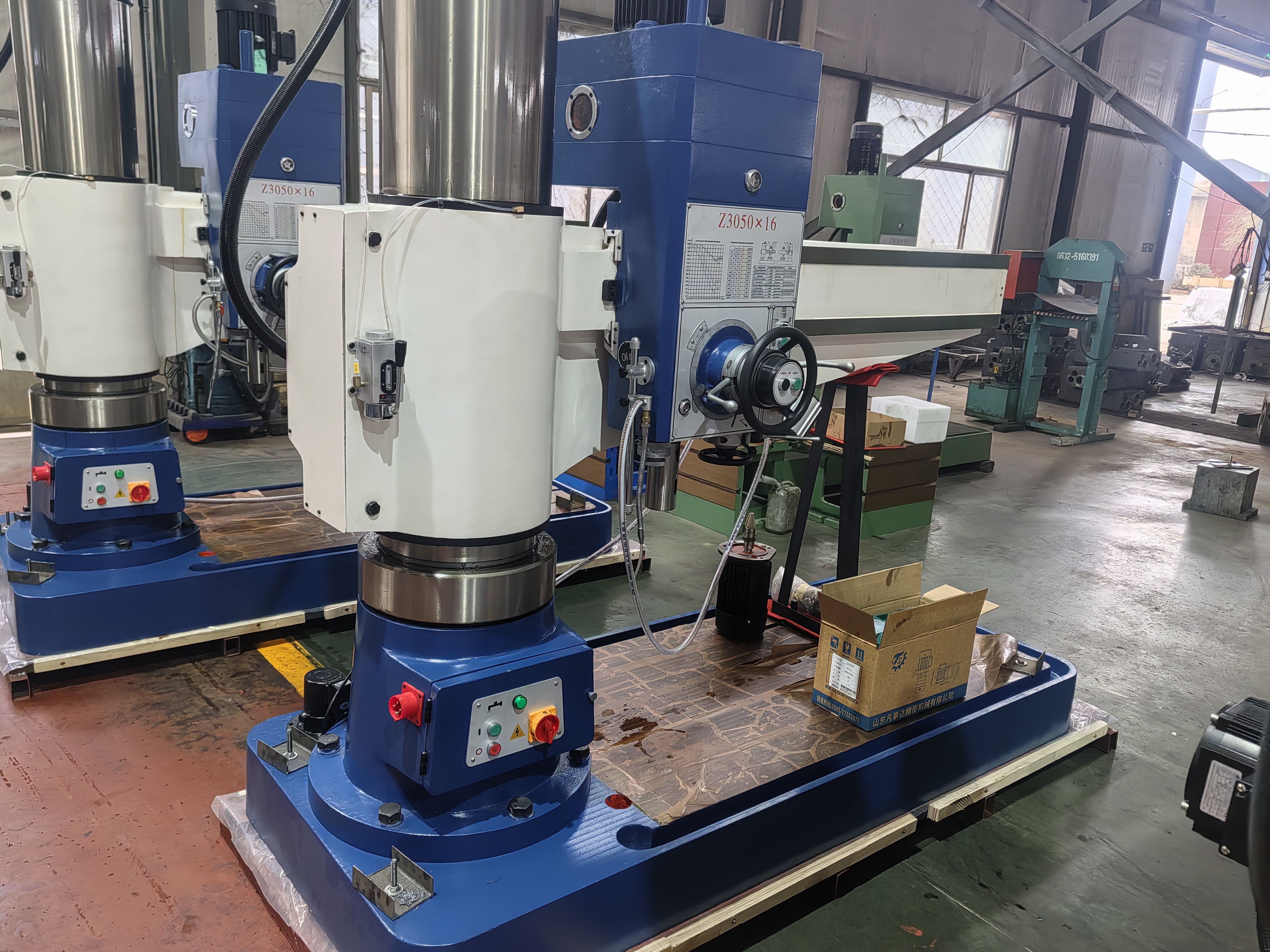
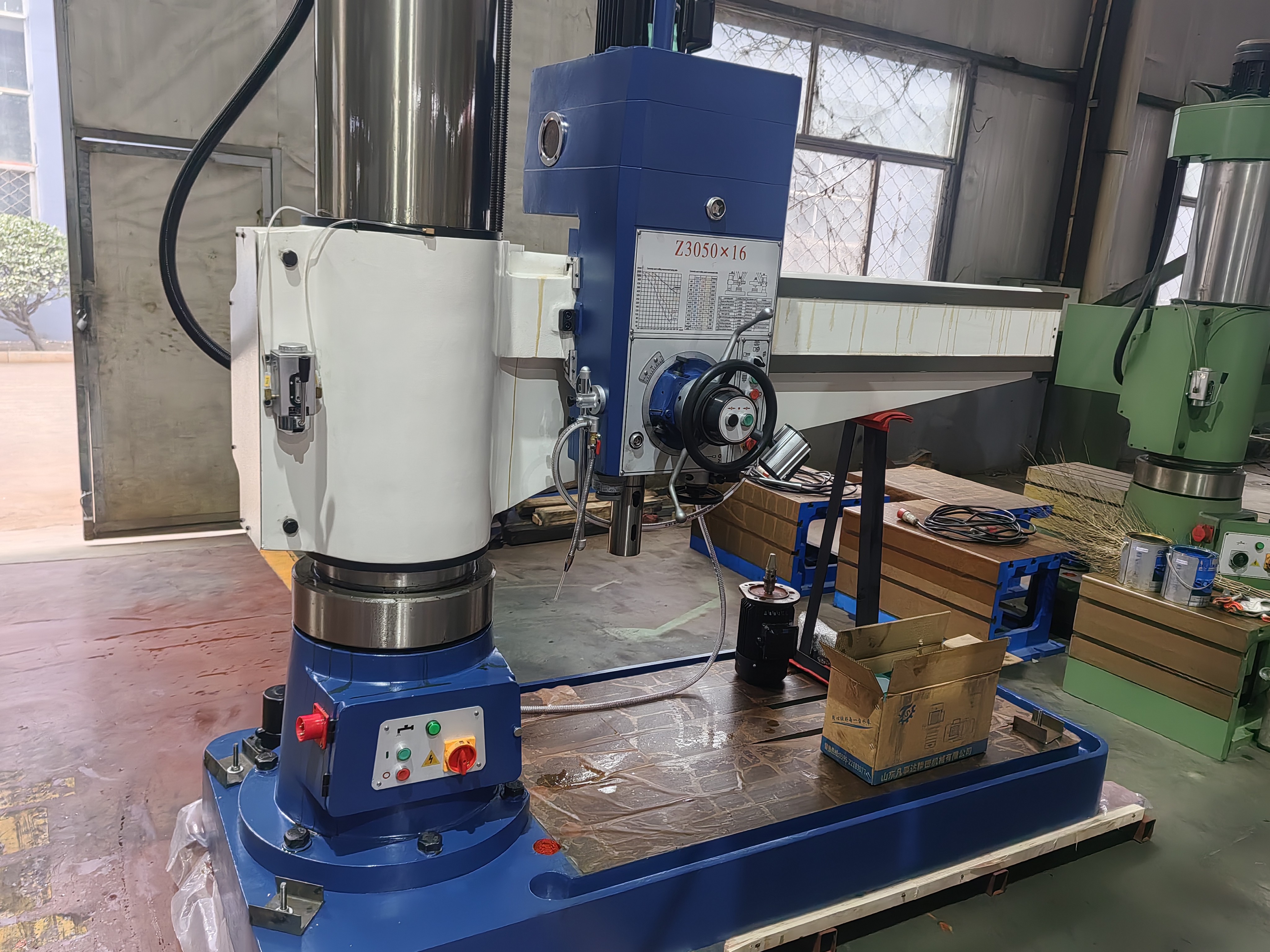
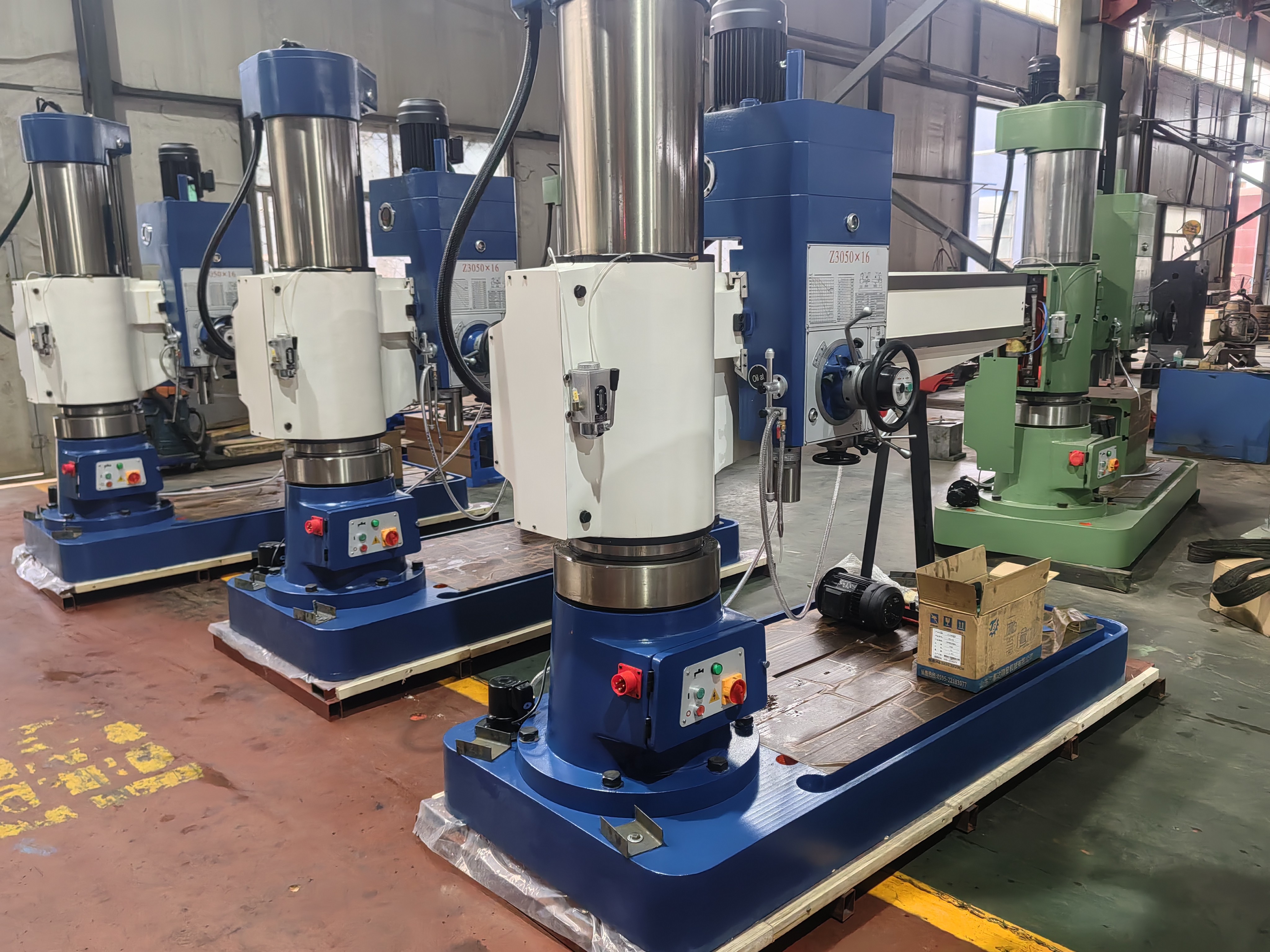
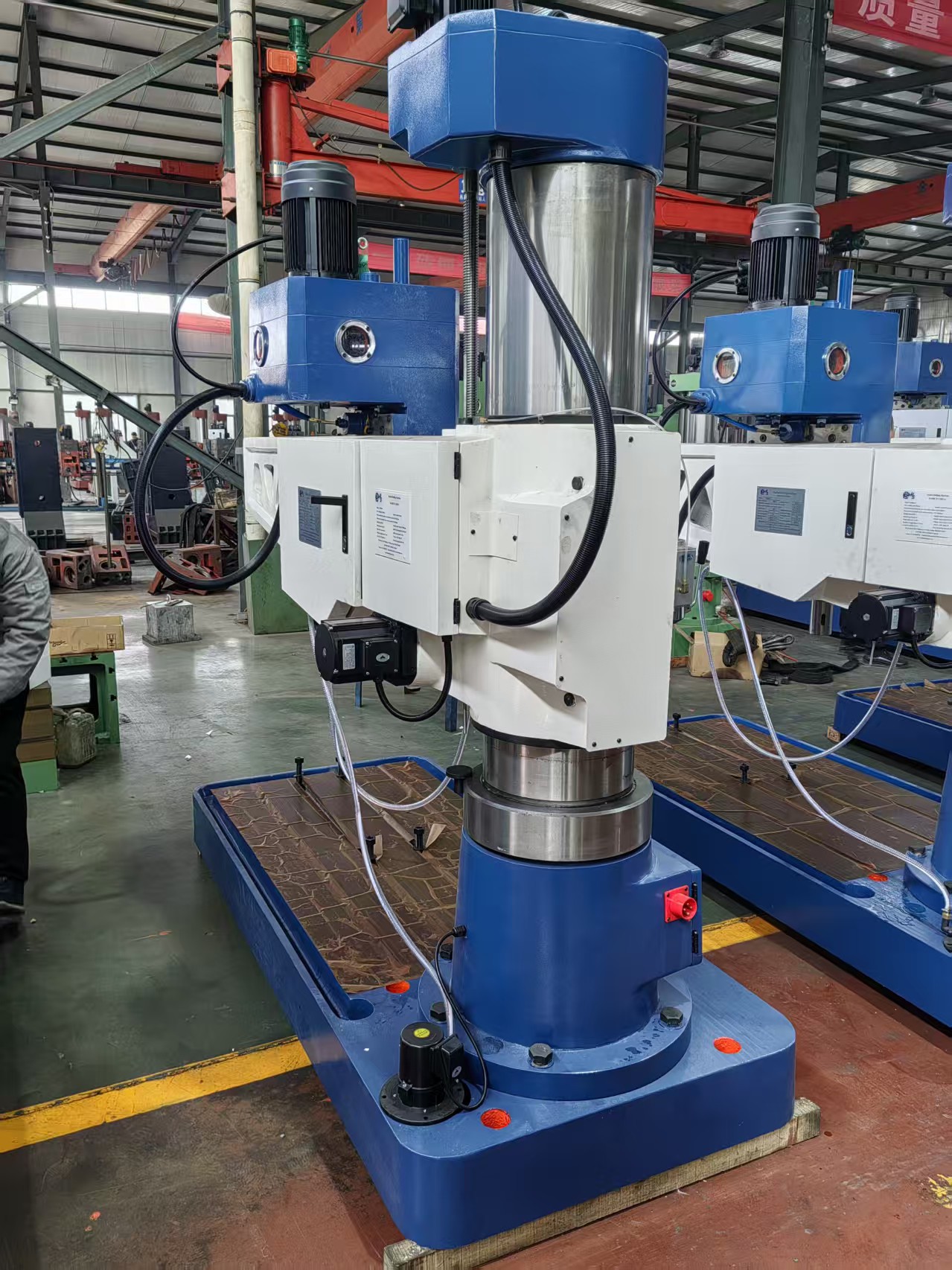
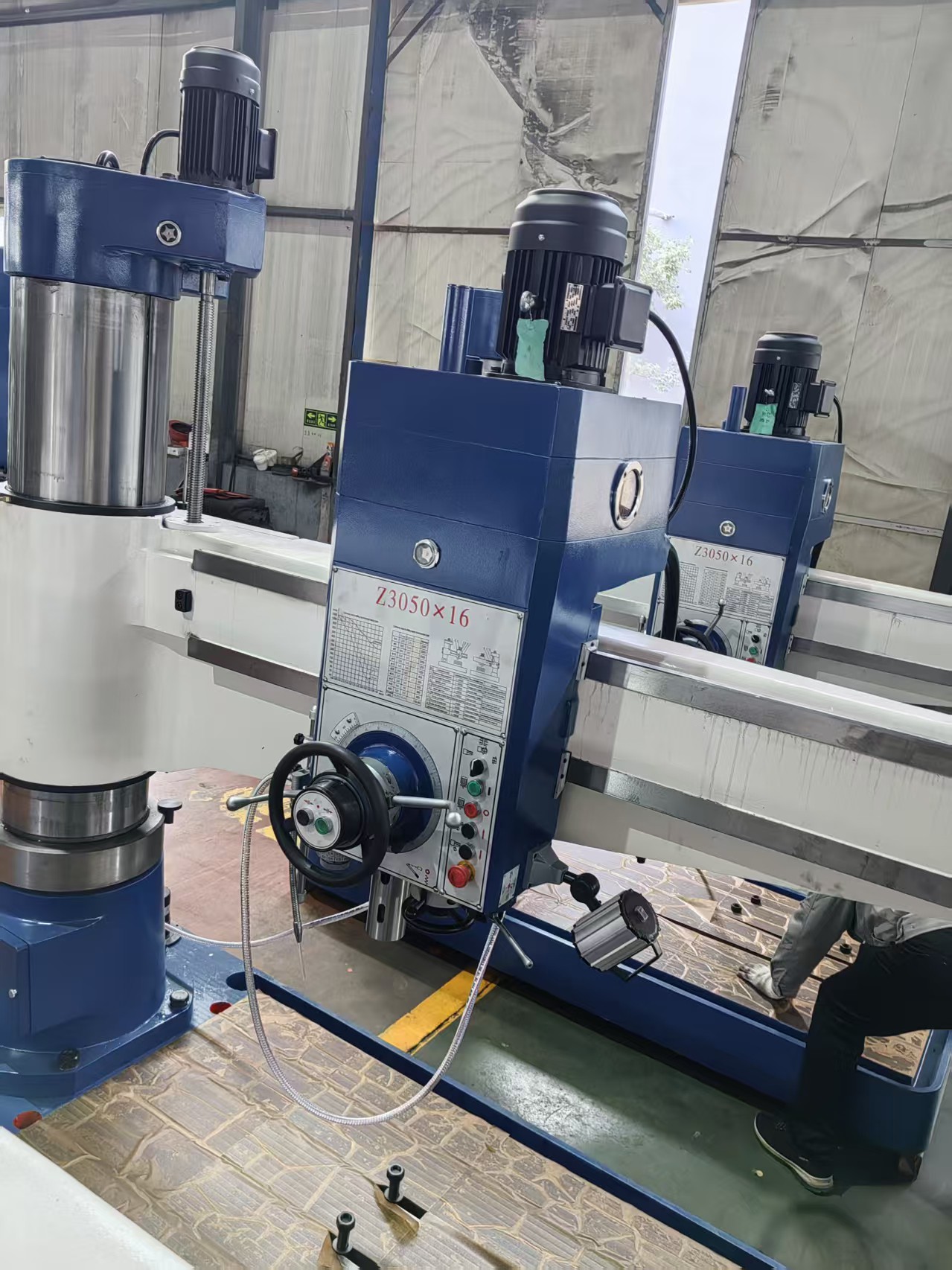
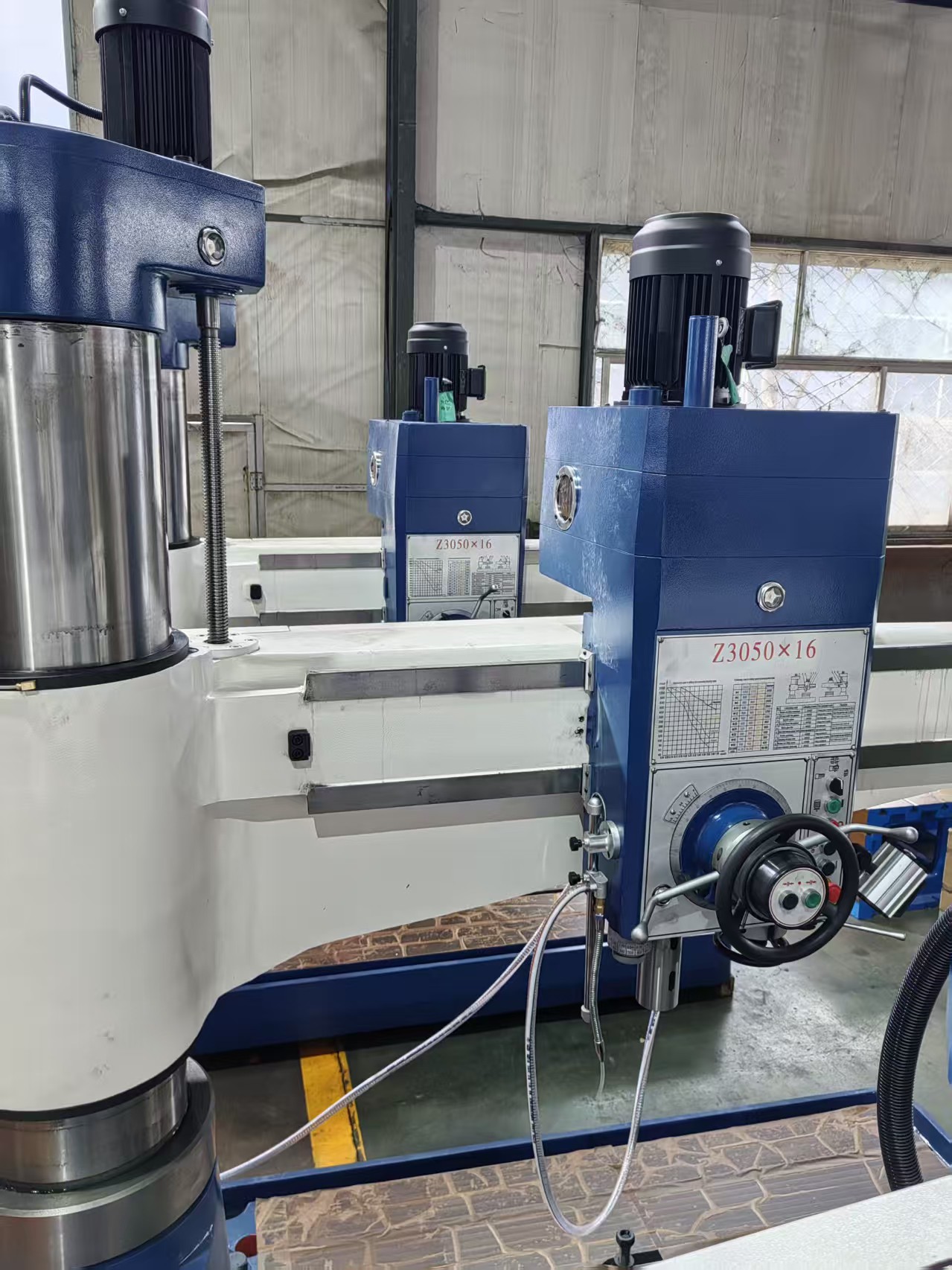
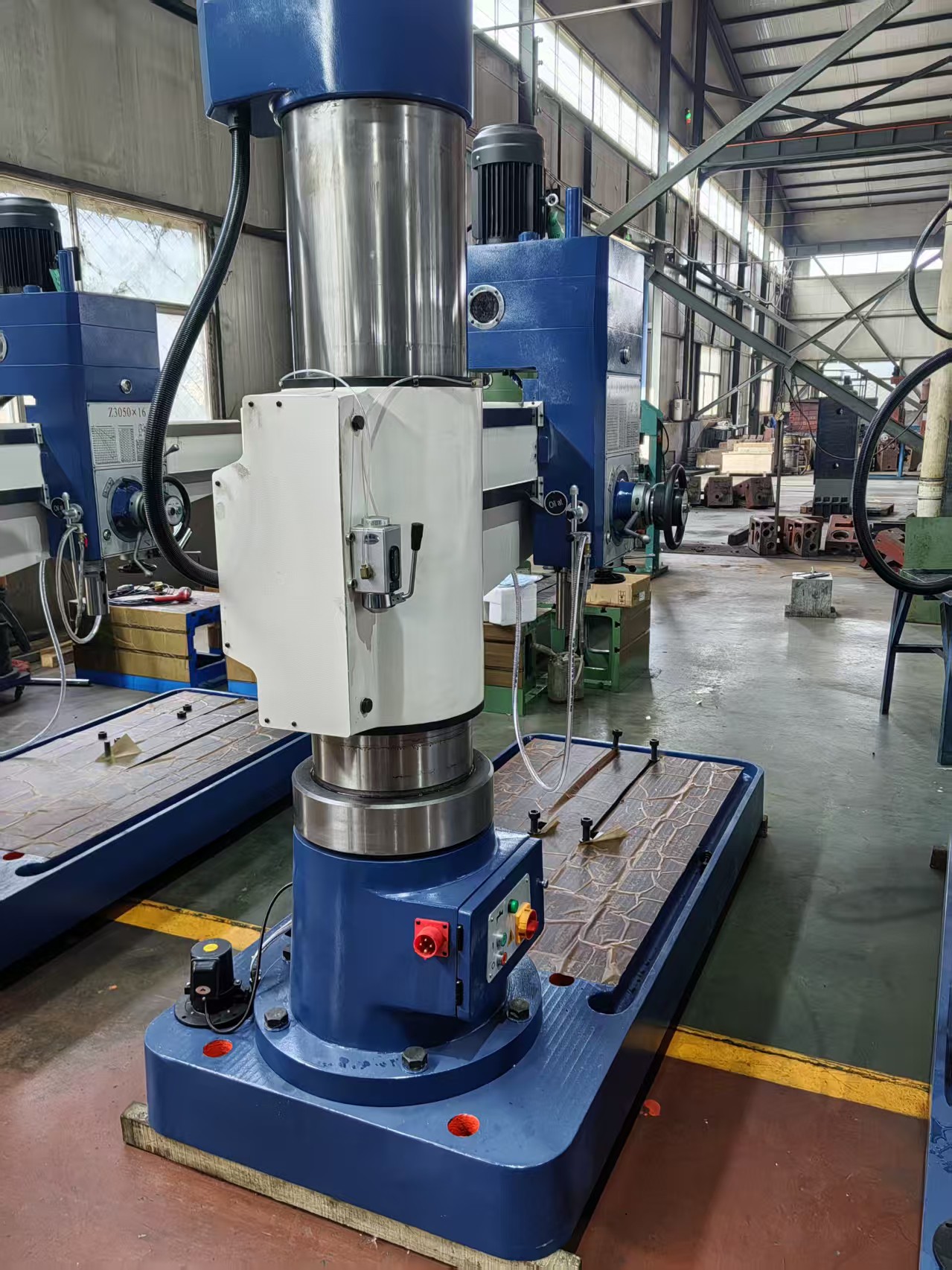
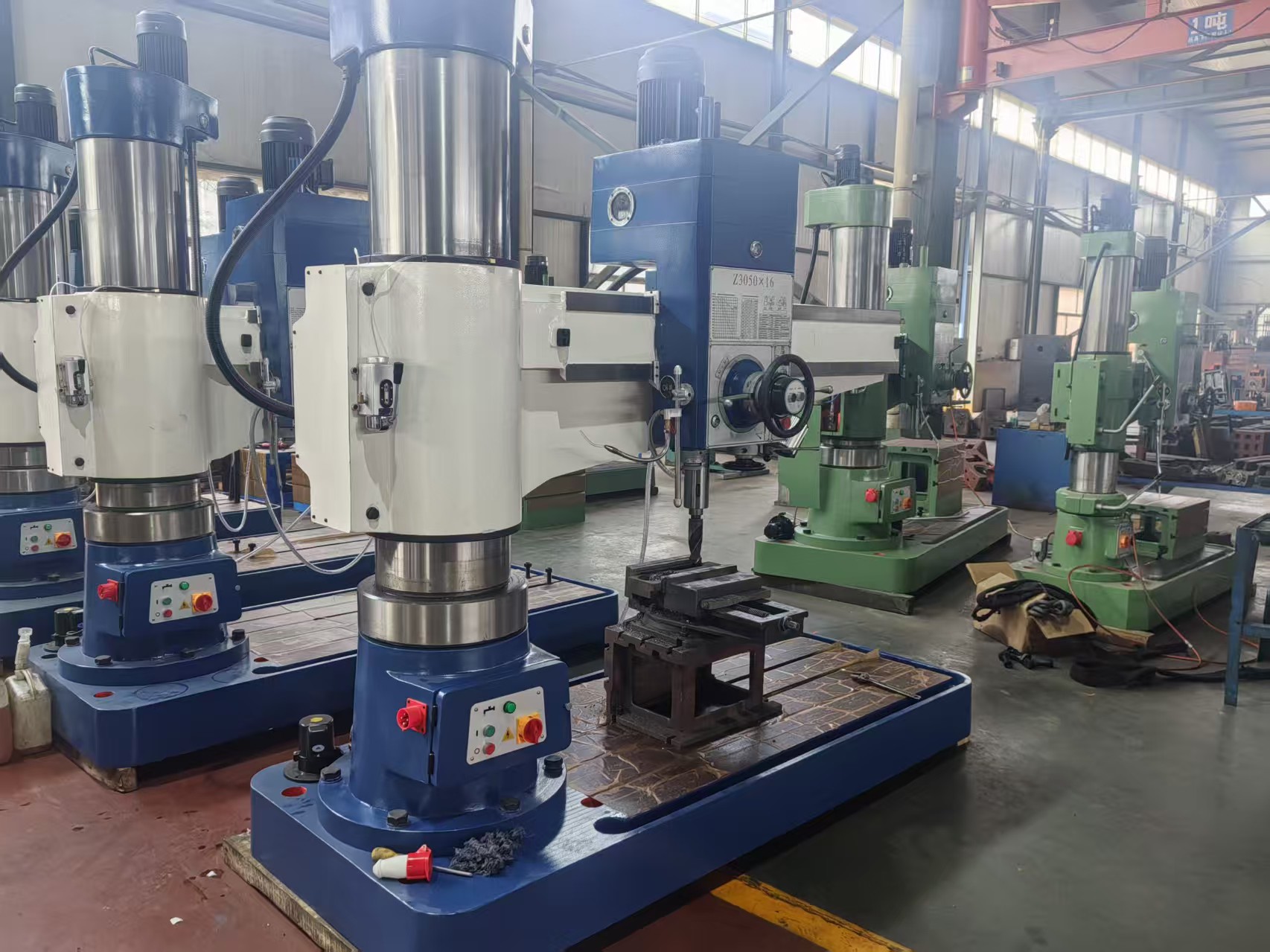
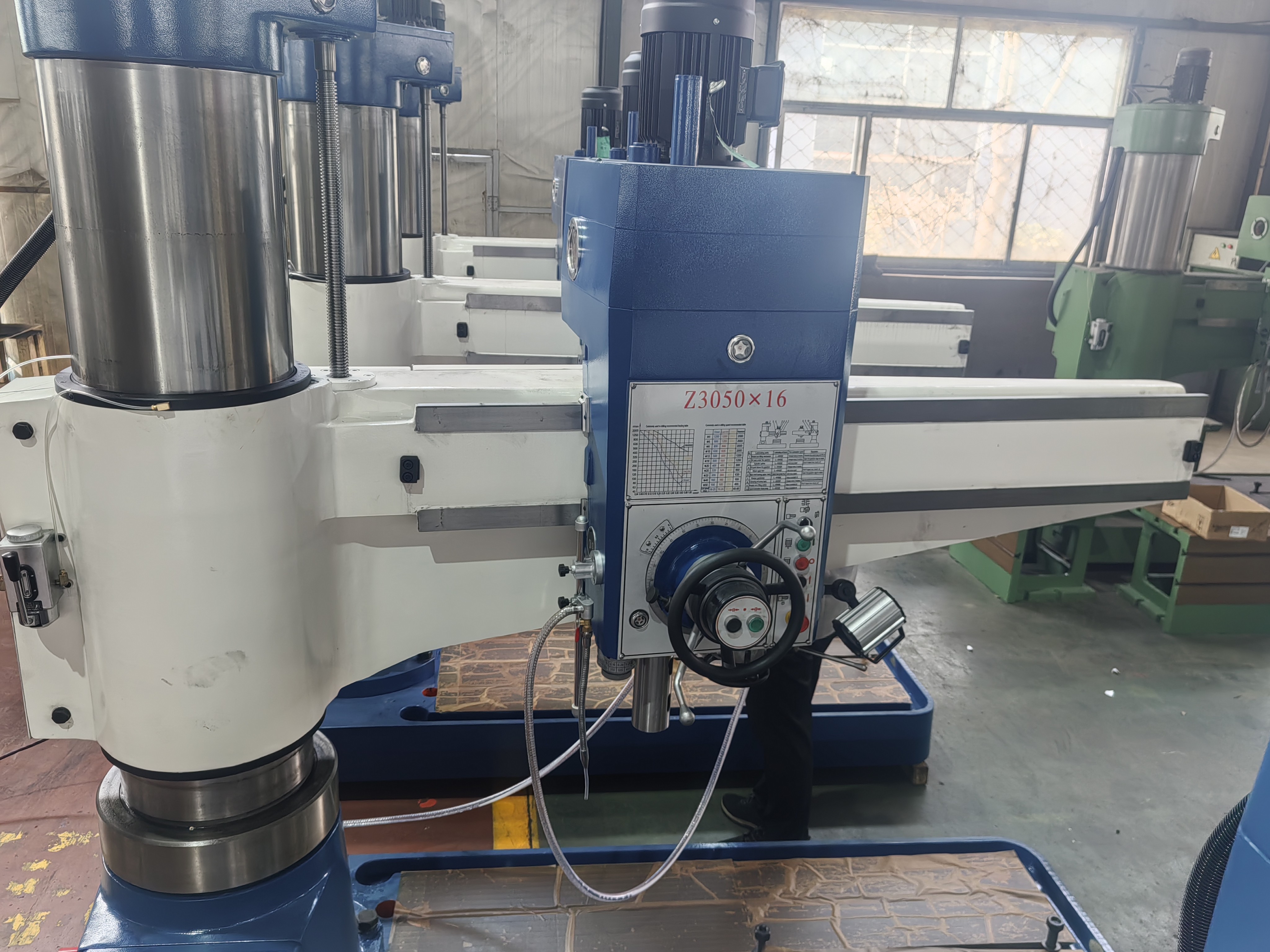
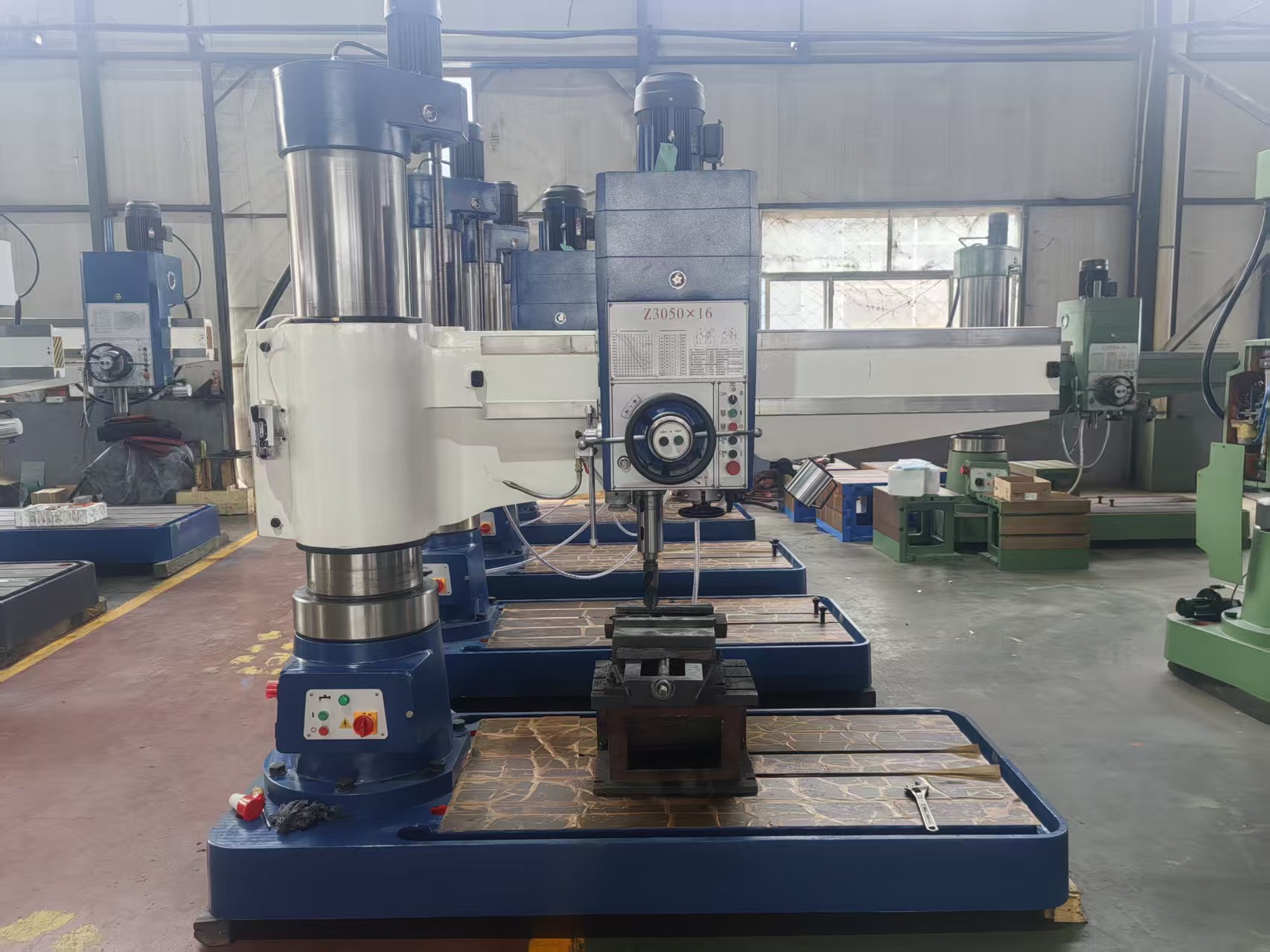
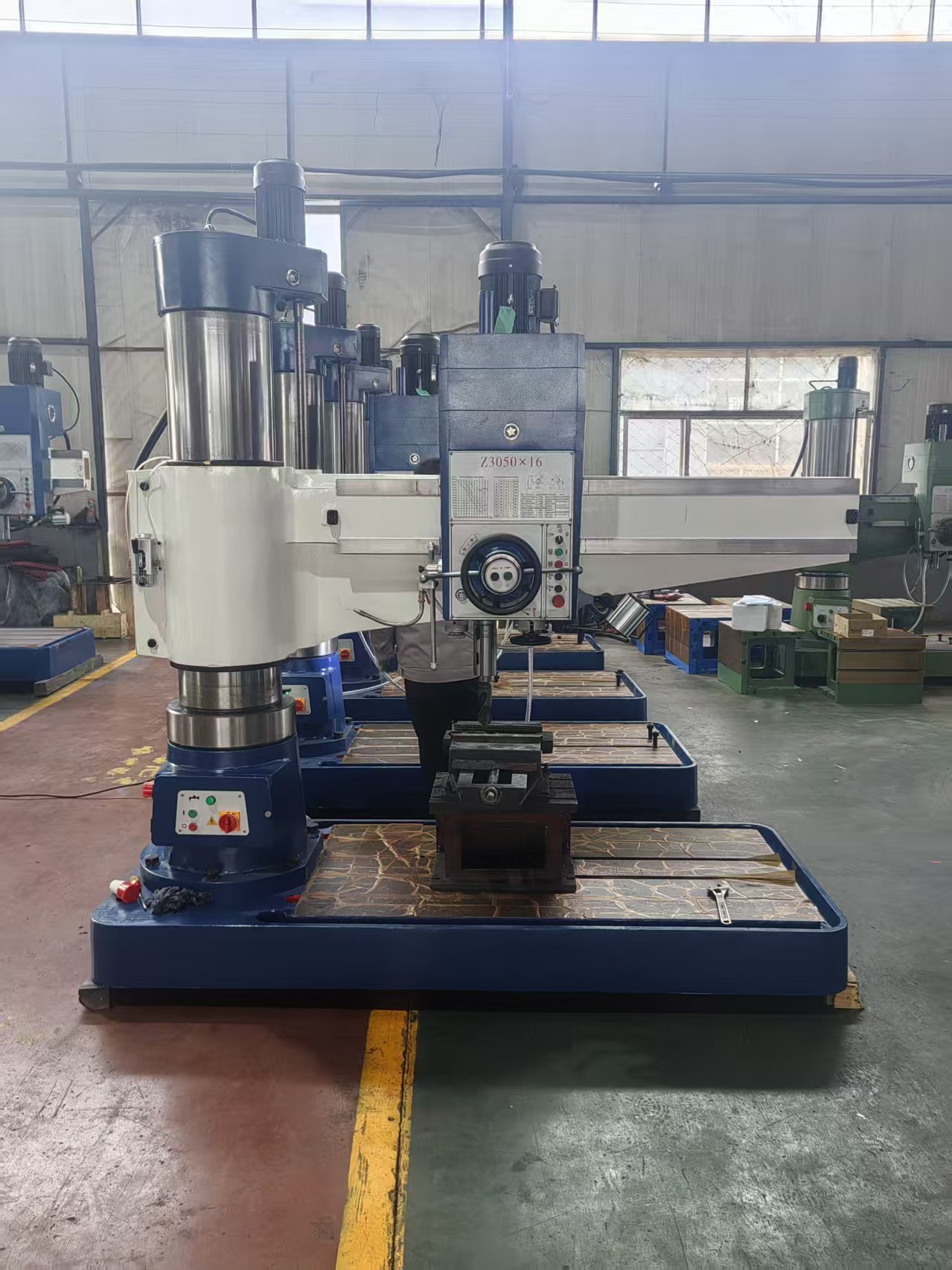
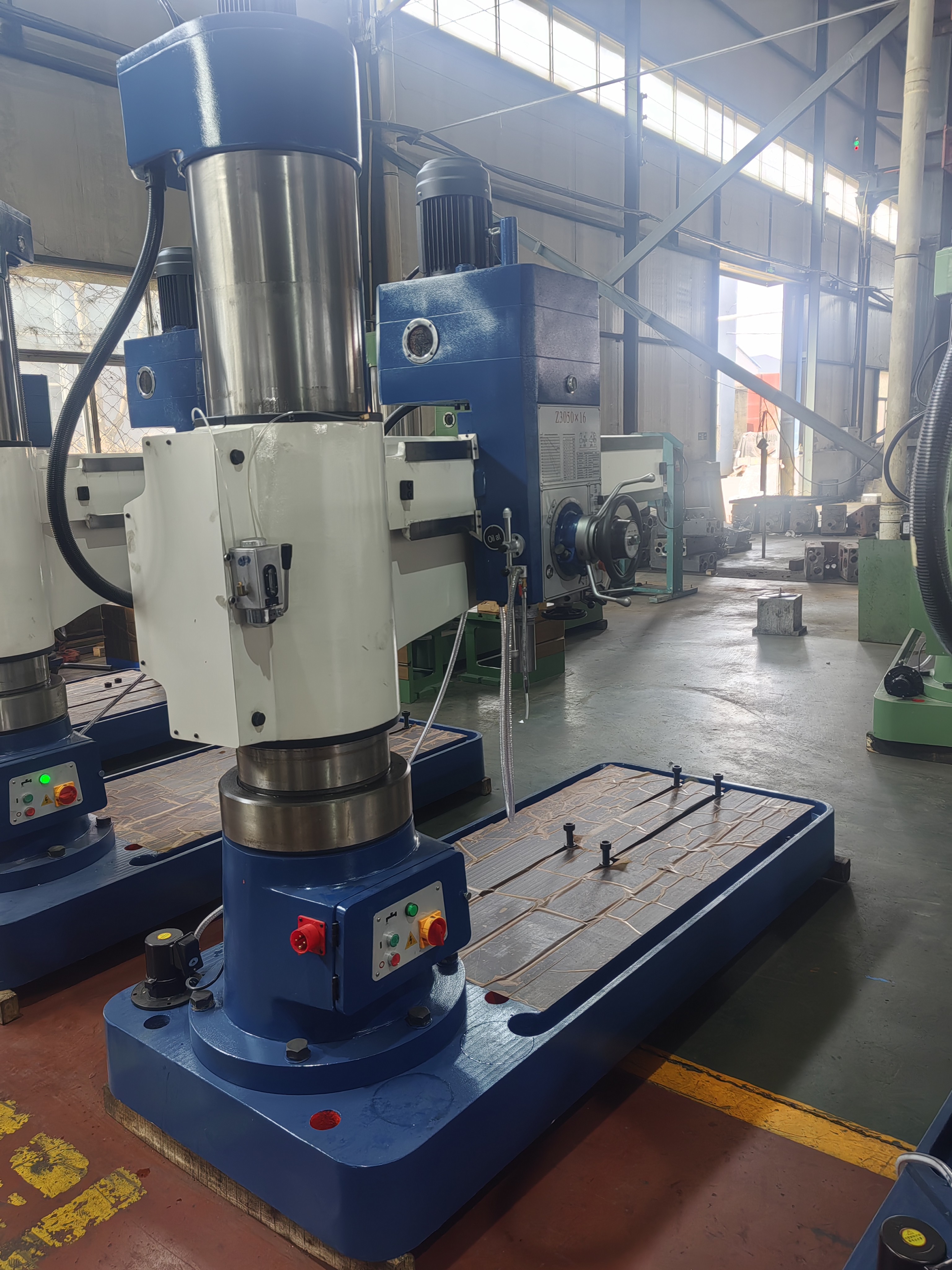
A radial drilling machine, often called a radial arm drill, is a specialized machine tool designed for drilling holes in large, heavy, or awkwardly shaped workpieces that cannot be easily moved on a standard drill press. Its defining feature is a movable arm (the radial arm) that rotates around a central column, and a drill head that can traverse along the arm. This design allows the operator to position the drill bit over any point within a large circular area without moving the workpiece.
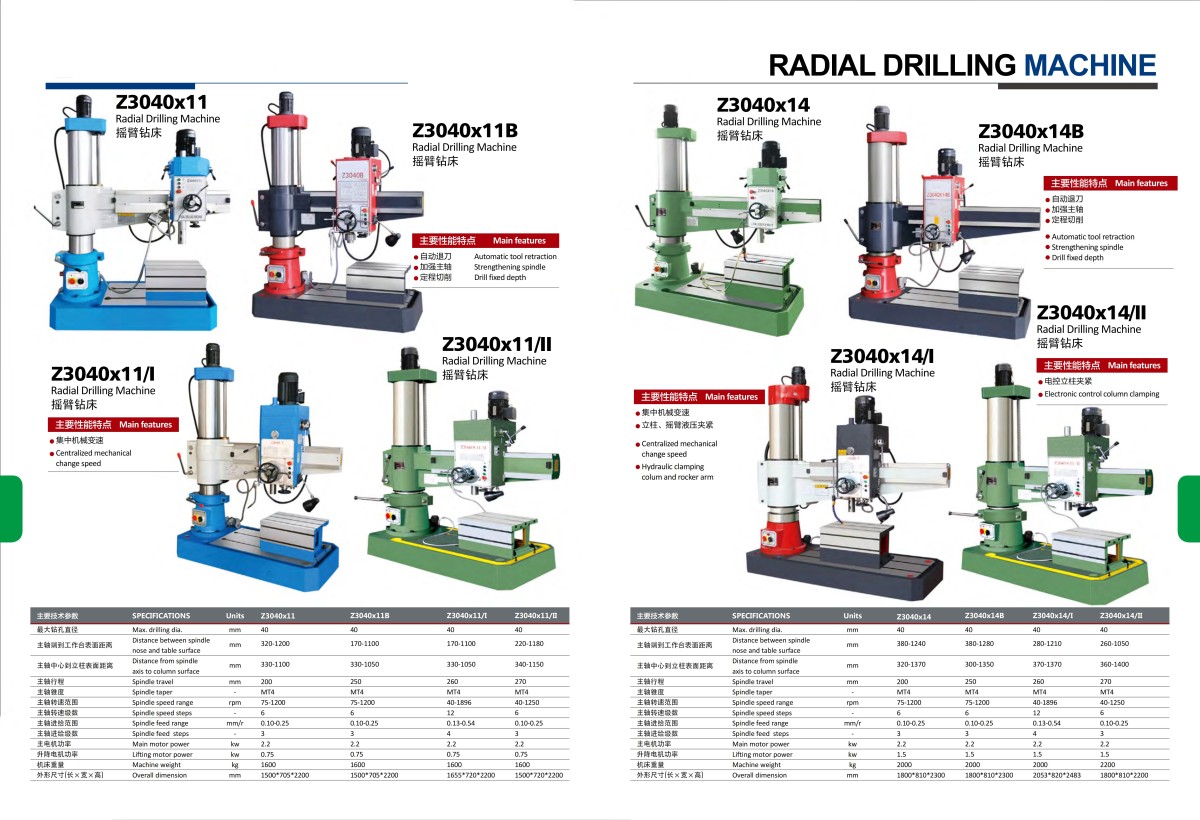
The radial drilling machine price is heavily influenced by the machine's size and capacity. Key specifications like the arm length (which determines the maximum drilling radius), the column diameter, and the spindle travel all directly impact the cost. A machine with a 1.5-meter arm and a 100mm drilling capacity in steel will naturally command a higher price than a smaller, less robust model. The mass and rigidity of the casting are also significant cost factors, as they directly affect the machine's vibration dampening and long-term accuracy.
Furthermore, the range of available speeds and feeds plays a crucial role. A basic machine with a manual gearbox and a limited speed range will be more affordable than a model with a comprehensive, pre-selective gearbox that allows for optimal cutting conditions for various materials. The inclusion of features like power elevation for the arm, automatic clamping, and coolant systems also add to the overall cost, making it essential to match the machine's capabilities to your specific, not just generic, drilling requirements.
Key Factors That Influence The Radial Drilling Machine Price
Several component-level factors directly contribute to the final radial drilling machine price. The quality of the main motor is paramount; a high-torque, industrial-grade motor from a reputable brand will cost more than a standard motor but offers better reliability and performance under load. Similarly, the spindle bearing system, often using high-precision tapered roller bearings, is a significant cost item that ensures concentricity and longevity.
The material and manufacturing process of the machine's structure are also critical. Machines made from high-grade Meehanite or ductile iron castings, which are stress-relieved and aged, are more expensive to produce but offer superior stability and wear resistance. The precision of the scraping on the guideways and the overall assembly quality also factor into the price. A machine that is meticulously hand-scraped for alignment will be more costly than one that is simply bolted together, but it will provide years of consistent accuracy.
Automation and control systems significantly impact the radial drilling machine price. A manual machine with simple mechanical controls is the most budget-friendly option. However, prices rise dramatically with the introduction of digital readouts (DROs), power feeds, and particularly full CNC (Computer Numerical Control) capabilities. A CNC radial drill, which can perform complex drilling patterns automatically, represents a substantial investment but offers a corresponding increase in productivity, especially for repetitive work.
Price Ranges For Radial Drilling Machines In 2026
While the radial drilling machine price can vary based on specific configurations, it is helpful to understand general market segments. Entry-level, manual radial drills, often with a smaller arm length (around 1.0 to 1.25 meters) and limited features, can typically be found in a lower price range. These machines are suitable for light to medium-duty work in smaller workshops or maintenance departments and offer a low barrier to entry for businesses seeking to increase their drilling capacity.
Mid-range machines, which are the most common in industrial settings, represent a significant step up in both capability and cost. These machines usually feature arm lengths of 1.6 to 2.0 meters, more robust construction, and a wider range of spindle speeds. They often include power clamping and power elevation as standard features. The price for this category reflects the increased productivity and durability, making them a popular choice for general fabrication and structural steel work.
At the top end of the market, heavy-duty and CNC radial drilling machines command the highest prices. These machines are built for the most demanding applications, such as in shipbuilding, heavy machinery, and energy sectors. They feature massive columns, long arms (over 2.5 meters), powerful motors, and advanced CNC control systems. The high price tag is justified by their ability to handle extremely large workpieces, maintain tight tolerances over long periods, and integrate into automated production lines.
The Role Of Brand And Manufacturer Reputation
The brand and country of origin are significant components of the radial drilling machine price. Established global brands with a long history of engineering excellence often command a premium. This premium is typically associated with superior build quality, rigorous quality control, comprehensive after-sales support, and the availability of spare parts. For many buyers, this investment provides peace of mind and reduces the risk of costly downtime.
On the other hand, manufacturers from emerging economies, such as China, have become major players in the radial drill market, offering competitive prices. Companies like Wuxi Armada, which hold certifications like ISO9001, CE, and SGS, demonstrate a commitment to quality that helps bridge the gap between cost and reliability. When evaluating a machine from a new supplier, it is crucial to look beyond the price tag and assess the manufacturer's engineering capabilities, material sourcing, and quality assurance processes.
A key factor in the price difference is the service and support network. A machine from a supplier with a strong local presence or a well-established dealer network will often include a higher initial cost to cover the infrastructure for installation, training, and warranty service. This can be a valuable investment, especially for businesses new to operating such equipment. Conversely, a lower purchase price from a less established seller might come with higher risks and longer lead times for support and spare parts.
Total Cost Of Ownership: Beyond The Initial Price
The radial drilling machine price is only the starting point of the total investment. The total cost of ownership (TCO) includes installation, tooling, maintenance, energy consumption, and potential downtime. A machine with a cheaper initial price may have higher operating costs if it requires more frequent repairs, has less efficient motors, or lacks a reliable local supply of spare parts. It is essential to project these costs over the expected lifespan of the machine, which for a well-built radial drill can be decades.
Maintenance costs are a significant part of the TCO. Machines with simple, robust mechanical designs are often easier and cheaper to maintain than those with complex hydraulic or electronic systems. The availability and cost of replacement parts, such as gears, clutches, and bearings, should be considered. A well-known brand with a widespread parts network will generally have lower long-term maintenance costs than a niche or defunct manufacturer.
Tooling costs also contribute to the overall expense. A radial drill's ability to use a wide range of tooling, from twist drills to core drills and reamers, is a benefit, but the cost of this tooling can be substantial. The machine's capacity to handle carbide tooling for higher speeds and feeds can offset some of this cost through increased productivity. Ultimately, a higher initial radial drilling machine price that is accompanied by greater efficiency, reliability, and lower running costs often represents the better value proposition for a serious manufacturing operation.
Practical Buying Tips For Getting The Best Value
Begin your search by clearly defining your production requirements. Identify the maximum size and weight of the workpieces you will drill, the most common materials, the required hole sizes, and the desired production rate. This will help you avoid over-specifying (and paying too much for features you do not need) or under-specifying (and buying a machine that cannot handle the job). A clear specification sheet is your best tool for comparing radial drilling machine price quotes from different suppliers.
Request a detailed quotation that breaks down the machine price, optional features, and any additional costs such as shipping, installation, and training. Do not hesitate to ask about the machine's construction details, such as the type of cast iron used, the origin of the motor and bearings, and the quality control procedures. Visiting the supplier's factory, when possible, or requesting a live video inspection can provide invaluable insight into their manufacturing standards.
Finally, consider the supplier's credibility and customer base. A supplier like Wuxi Armada, with a proven track record of exporting to global clients including URALSTANKOIMPORT and Lincoln Electric-MENA, demonstrates a high level of trust and reliability. Reading customer reviews and asking for references can provide real-world feedback on the machine's performance and the supplier's support. A slightly higher radial drilling machine price from a reputable and experienced supplier is often a wise investment that pays off over the long term.
Future Trends Affecting Radial Drilling Machine Prices
The radial drilling machine market is not static, and several trends are shaping future prices. The increasing integration of Industry 4.0 technologies, such as IoT sensors for predictive maintenance and data collection, is a significant driver. Machines equipped with these smart features will likely carry a higher price tag but offer the potential for reduced downtime and optimized production planning. This trend is making the radial drill a more intelligent and connected asset on the factory floor.
Another trend is the growing demand for energy-efficient machines. Stricter environmental regulations and rising energy costs are pushing manufacturers to design more efficient motors, hydraulic systems, and lighting. The radial drilling machine price for models with premium-efficiency motors and regenerative braking systems may be higher initially, but the operational savings over the machine's life can be substantial. This is becoming a key selling point for environmentally conscious buyers.
Furthermore, the demand for hybrid or multi-function machines is on the rise. While the traditional radial drill remains a cornerstone, some manufacturers are combining drilling with tapping, milling, or even light boring capabilities. These multi-tasking machines, while more expensive than a standard radial drill, can eliminate the need for separate machines, reduce workpiece handling, and improve overall workflow efficiency. Understanding these trends will help you make a forward-looking decision that aligns with your long-term manufacturing strategy and budget.
 How to Choose a Drilling Machine for Metalworking JobsDrilling machine selection for metalworking starts with task fit, rigidity, accuracy, and workflow efficiency. Discover how to choose a reliable machine that boosts quality and uptime.
 What Affects Radial Drilling Machine Price in 2026Radial drilling machine price in 2026 depends on capacity, rigidity, automation, standards, and service. Learn how to compare quotes, avoid hidden costs, and choose the best-value machine.
 5 Checks Before Choosing a Radial Drilling Machine SupplierRadial drilling machine supplier selection starts with these 5 essential checks. Learn how to compare quality, delivery, service, and total cost before you buy.
 When a Universal Radial Drilling Machine Is the Better FitUniversal Radial drilling machine solutions help reduce part handling, improve accuracy, and boost flexibility for large, heavy, or mixed-production drilling jobs.
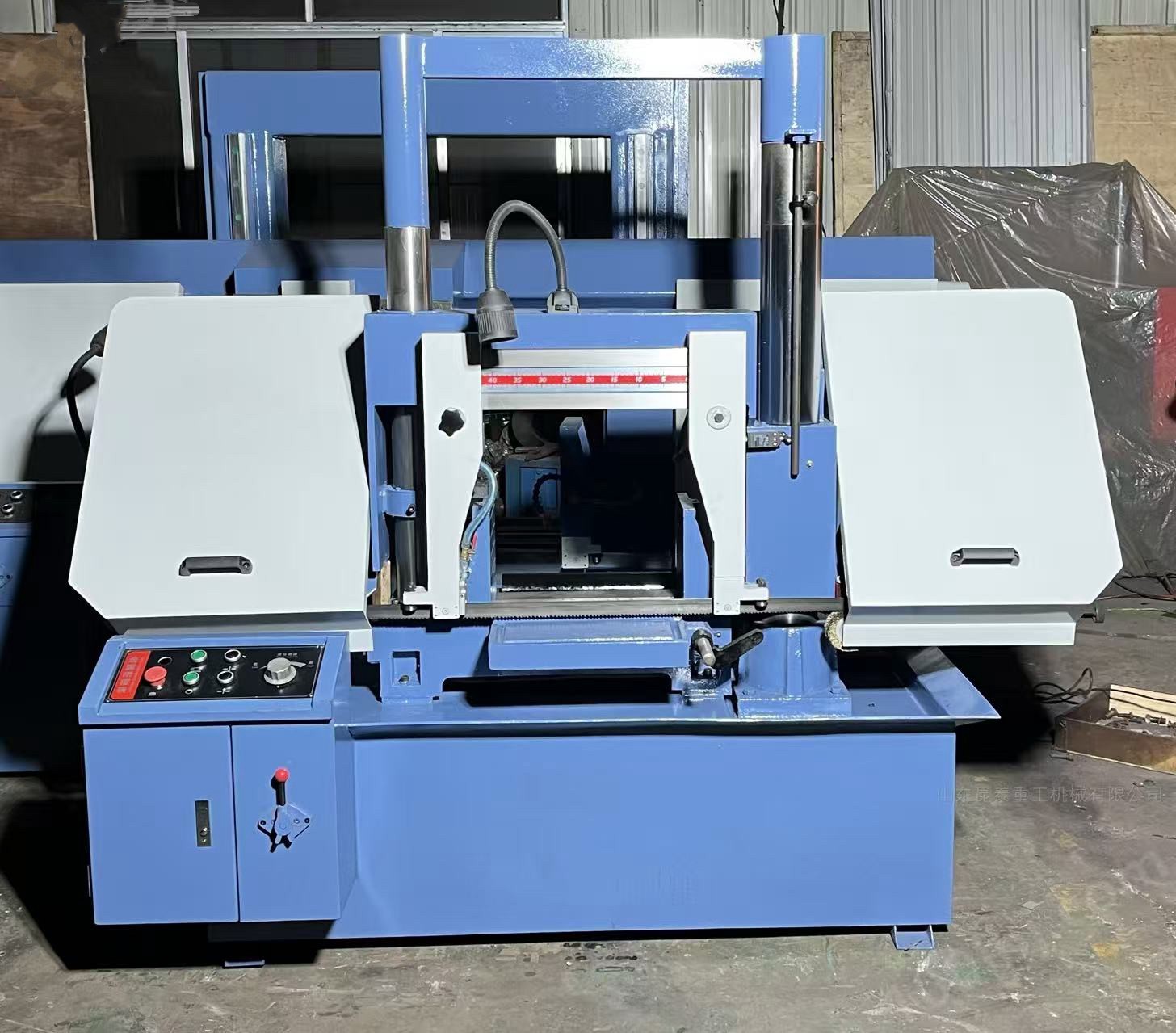
 Band Saw Machine1.Introduction for Band Saw Machine:
1.1 Core Definition and Usage: Sawing machines fall under the field of mechanical engineering and are mainly used for cutting bars, tubes, and other profiles. They achieve the cutting process through the continuous or reciprocating movement of the saw blade or sawing disc, combined with the feed movement. They are important cutting equipment in mechanical processing.
1.2 Main Classification: According to the tools and structure, band saw machines can be classified into three main categories.
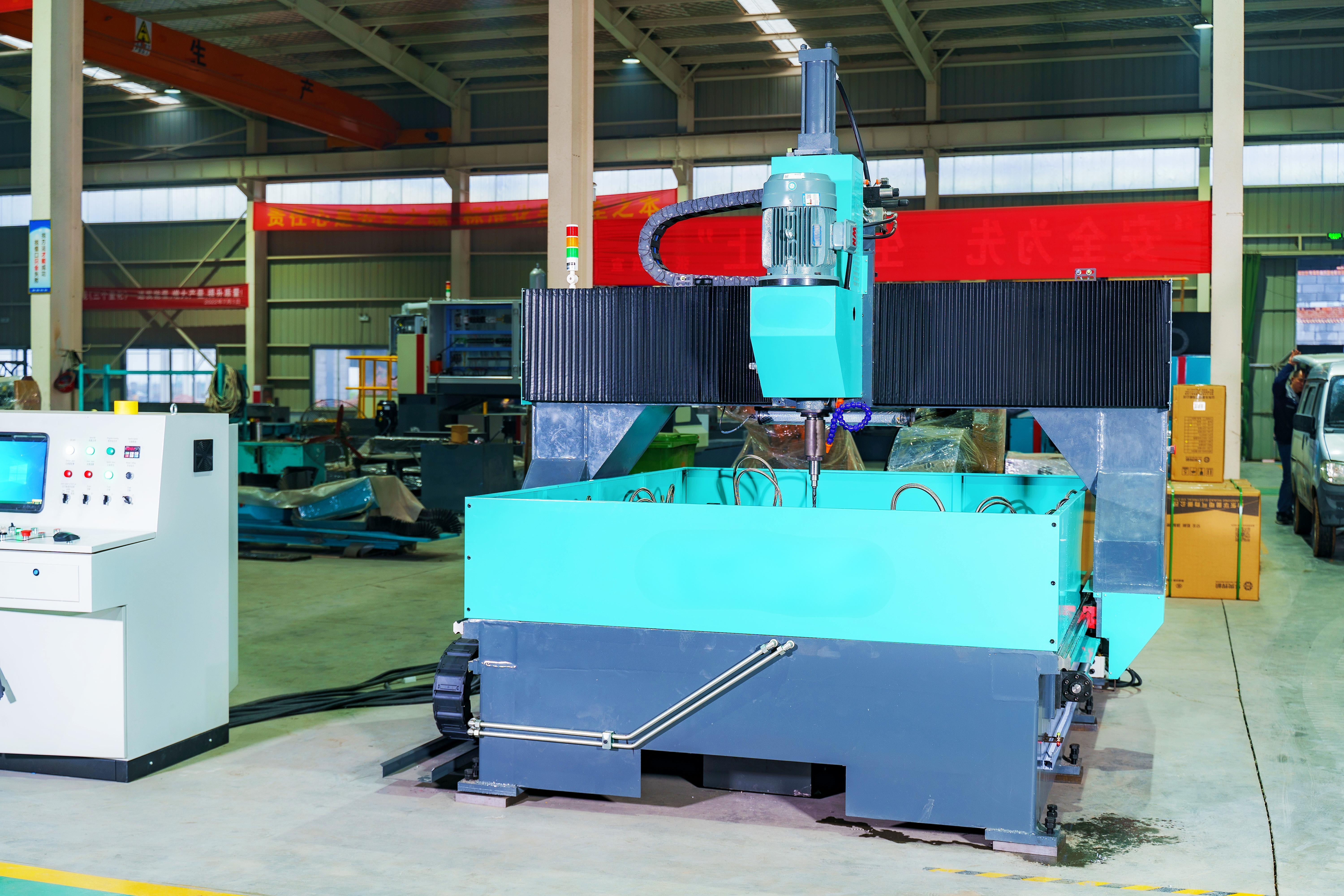
1.2.1 Circular Saw Machine: It uses a rotating circular saw blade as the tool. Depending on the feed direction, it can be divided into horizontal (horizontal feed), vertical (vertical feed), and oscillating (oscillating feed around a pivot point).") CNC Drilling Machine For Steel Plates (Normal Speed)Model: YK-PD2012/ YK-PD2016/ YK-PD3016/ YK-PD4016/ YK-PD2020-2
CNC Drilling Machine For Steel Plates (Normal Speed)Model: YK-PD2012/ YK-PD2016/ YK-PD3016/ YK-PD4016/ YK-PD2020-2
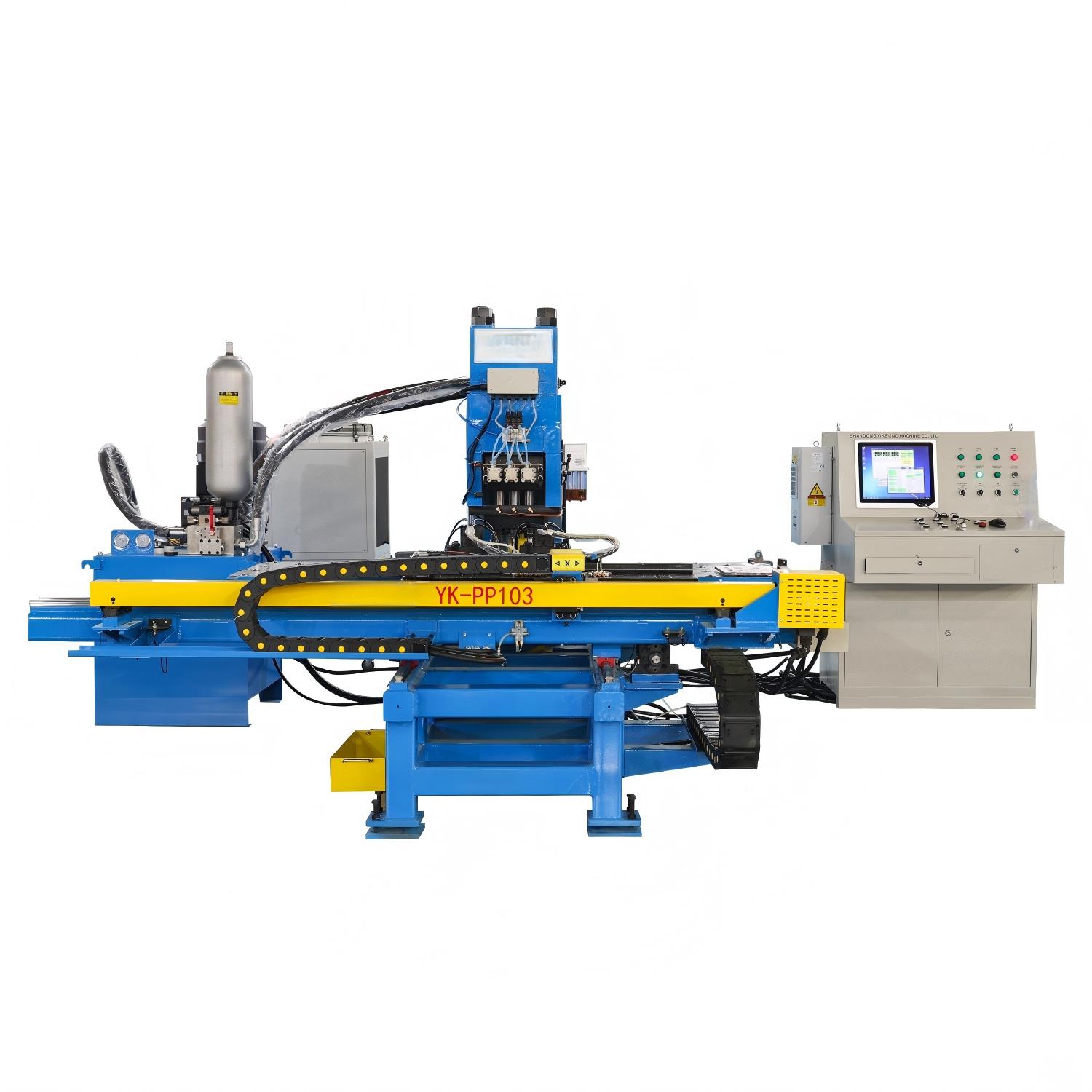
This is special CNC machine for drilling plates and flanges, mainly used in steel structure, tower, bridge and other industries. CNC Punching And Marking Machine For Steel PlatesModel: YK-PP103/ YK-PPR103/ YK-PP104/ YK-PPR104
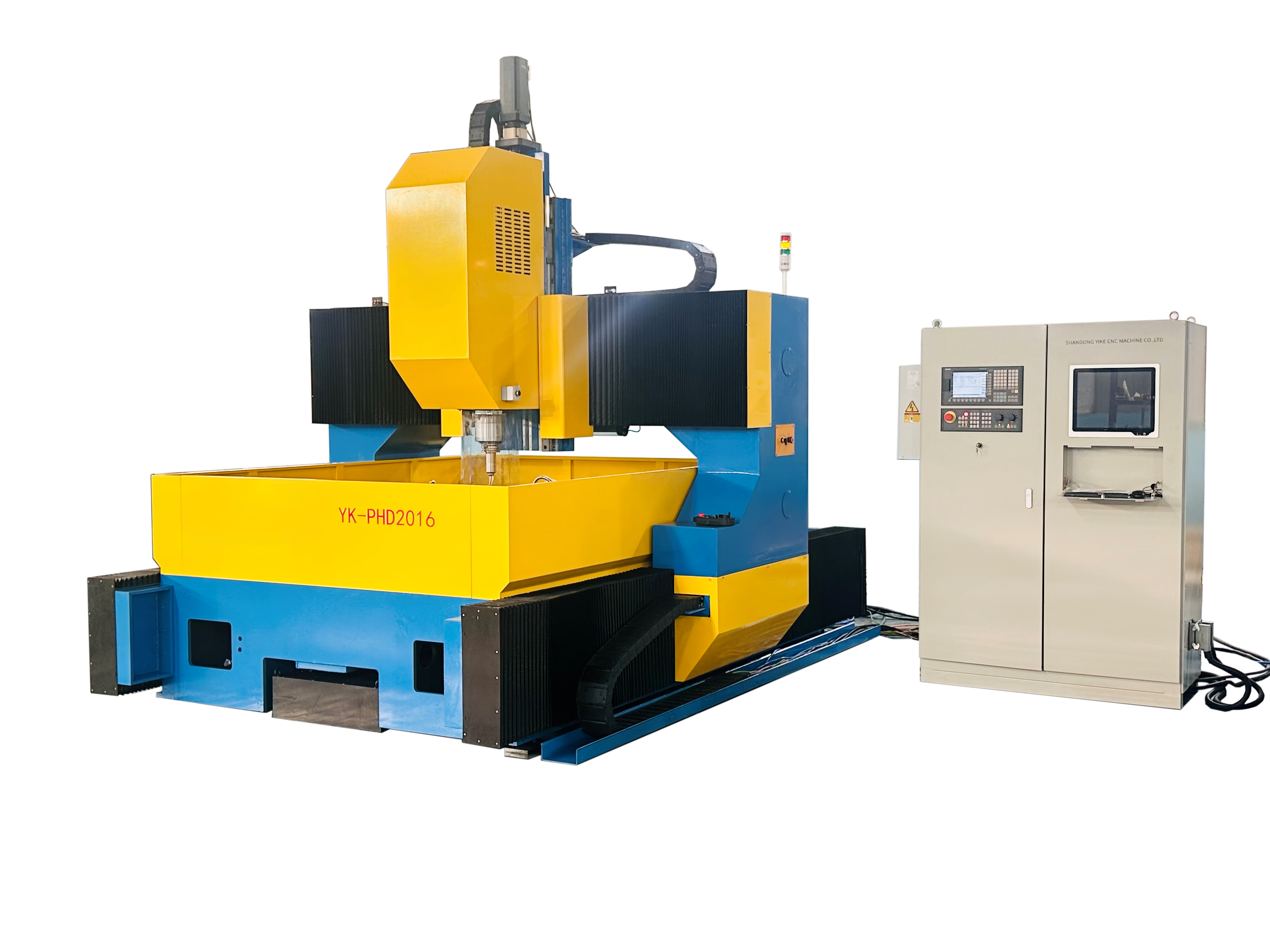
Special CNC machine for punching and marking of steel plates in the field of steel tower industry. It is also used to punch and mark of steel plates of other industries. High Speed CNC Drilling And Milling Machine For Steel Plates/ Flanges/ Tube Sheets1.Model: YK-PHD1010/ YK-PHD1616/ YK-PHD2016/ YK-PHD3016/ YK-PHD4016
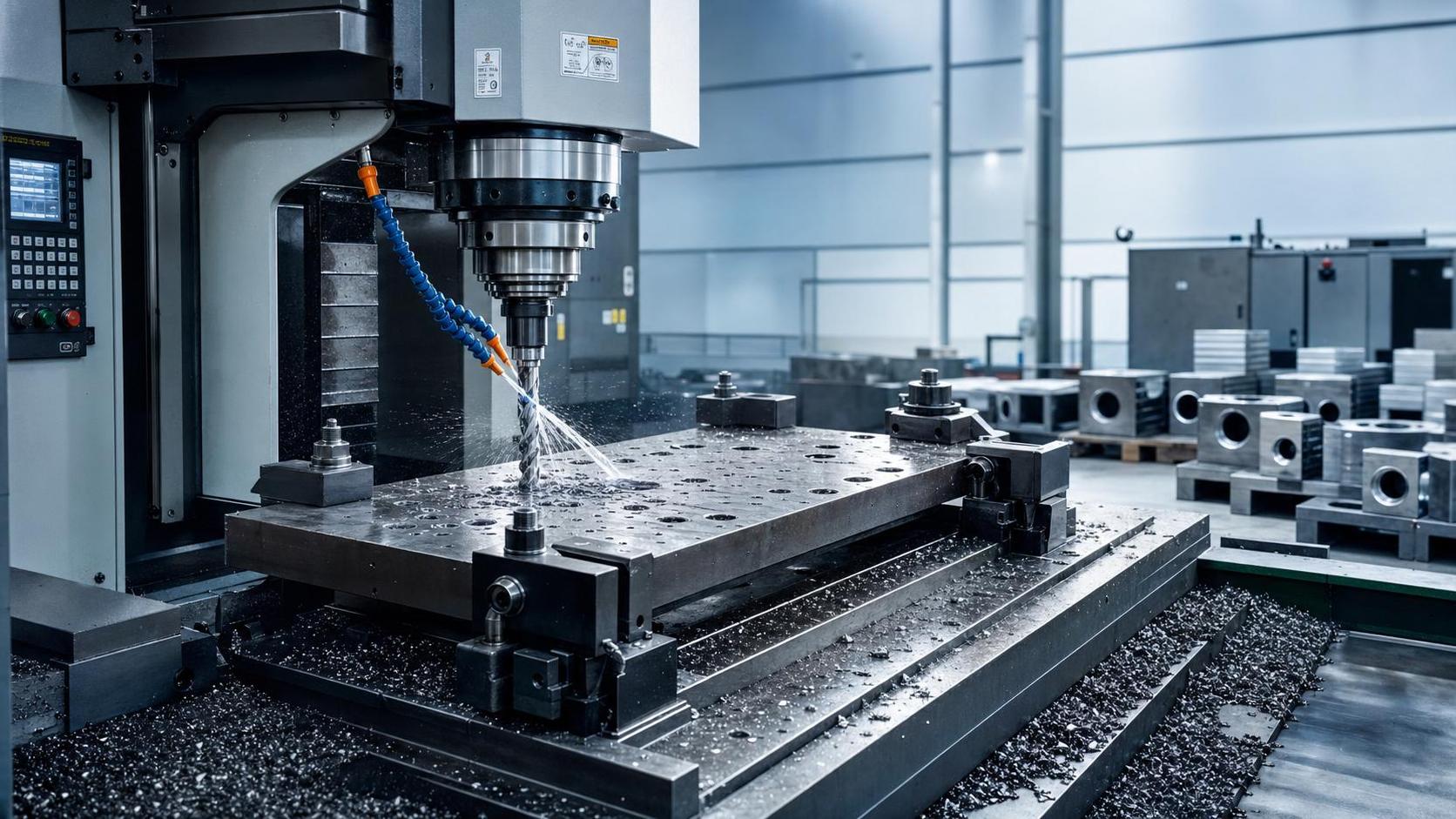
2.This machine is a gantry mobile CNC high-speed drilling and milling machine. It is mainly used for drilling, tapping and milling of workpieces such as steel plates, flanges, heat exchangers, tube sheets, and slewing supports. Carbide drills can be used for high-speed drilling with internal cooling. This machine is equipped with KND or Siemens CNC system bus control, convenient operation, can achieve automation, high -precision, multi -variety, small and medium -sized production.