— —
Shearing Machine Price: The Complete 2026 Buyer's Guide for Metal Fabrication Shops
What Defines Shearing Machine Price In 2026
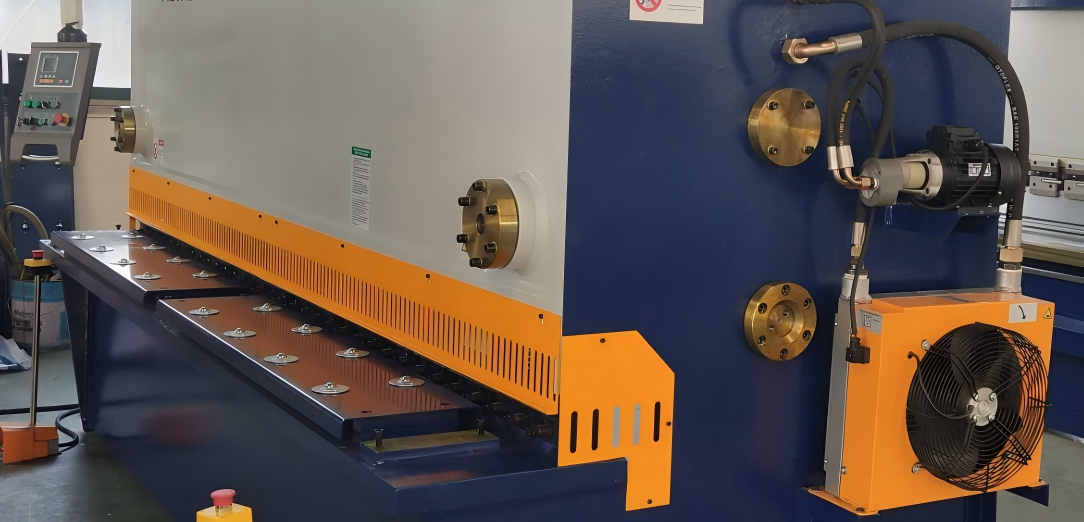
Shearing machine price reflects more than sticker cost—it encapsulates structural integrity, cutting accuracy (±0.1 mm typical), cycle time consistency, and long-term serviceability. In 2026, base prices for entry-level manual hydraulic swing beam shears start at USD 8,500–12,000, while fully CNC-integrated models with automatic backgauges, tool changers, and offline programming range from USD 42,000 to over USD 135,000. Crucially, ‘Shearing machine price’ must be evaluated against functional scope: plate thickness capacity (up to 25 mm mild steel), maximum length (3–6 m standard), and material compatibility (stainless, aluminum, high-strength alloys).
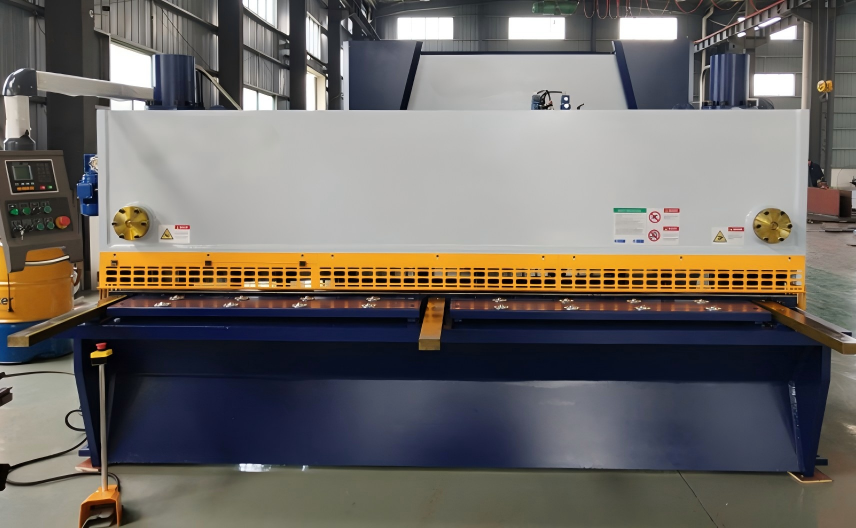
Wuxi Armada’s hydraulic swing beam shears—engineered for repeatable 0.08 mm tolerance and integrated with real-time blade gap adjustment—anchor mid-tier value. Their standardized modular design avoids proprietary lock-in, directly reducing lifecycle maintenance costs versus niche OEMs.
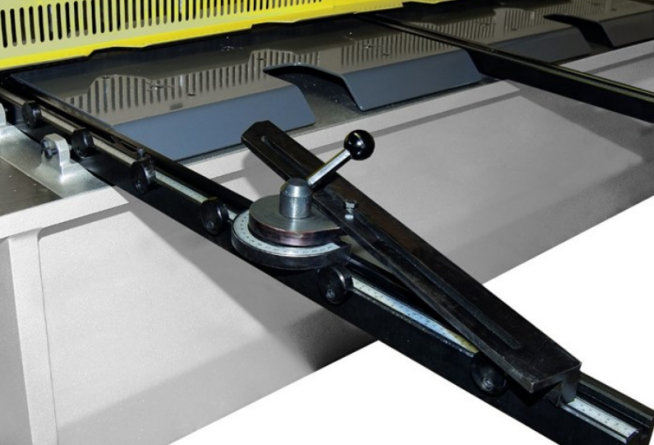
Pricing transparency also hinges on included components: standard configurations cover shear blades, foot pedal control, and safety light curtains—but exclude optional CNC controllers, programmable angle stops, or automated scrap conveyors. Always verify whether ‘Shearing machine price’ quotes include freight, commissioning, operator training, or extended warranty—elements that shift total investment by 12–18%.
Why Shearing Machines Are Non-Negotiable For Fabrication Efficiency
Shearing remains the most cost-effective primary blanking method for flat sheet and plate—delivering up to 40% lower per-part cost versus plasma or laser cutting when processing volumes >500 tons/year. Unlike thermal processes, cold shearing introduces zero heat-affected zones, eliminating post-cut stress relief and distortion correction—critical for precision welding assemblies like H-beam structures or pressure vessel components.
Wuxi Armada’s shearing machines integrate seamlessly with downstream equipment in its full fabrication ecosystem—including H-beam welding lines, plate leveling machines, and CNC edge milling units. This interoperability reduces inter-process handling, cuts floor space by up to 22%, and enables single-operator management of multi-stage workflows—directly amplifying labor ROI where skilled welders are scarce.
Moreover, modern shearing machines mitigate common bottlenecks: inconsistent cut quality causes 15–20% rework in unautomated shops. Wuxi Armada’s servo-hydraulic systems maintain constant blade force across variable plate thicknesses—a capability validated in applications for Zein Steel Industries Co.LLC (UAE) and Estructuras Metalicas Girders Chile Limitada—where mixed-thickness batches now achieve 99.2% first-pass yield.
Who Benefits Most From Strategic Shearing Machine Investment
Mid-sized metal fabricators (annual revenue USD 5M–50M) gain disproportionate ROI from optimized shearing machine price decisions. These firms typically operate 3–8 CNC machines but lack dedicated material prep cells—making shearing a throughput choke point. Clients like PT.Cahaya Mas Cemerlang (Indonesia) and Regional Engineering Works (South Africa) upgraded from manual guillotines to Wuxi Armada’s semi-automatic hydraulic shears, cutting average setup time per job from 18 to under 4 minutes and increasing daily output by 37%.
Heavy industrial contractors—such as URALSTANKOIMPORT (Russia) and BatysMunaiGazZhabdyktary LLP (Kazakhstan)—rely on high-capacity shears for structural steel and pipeline flange blanks. Their procurement criteria prioritize uptime (>94.5% MTBF), field-serviceable hydraulics, and CE-compliant emergency stops—not just initial Shearing machine price.
Small workshops (<USD 2M revenue) benefit most from scalable automation: Wuxi Armada’s entry-tier models support phased upgrades—starting with digital readouts and progressing to CNC backgauges without replacing the base machine. This preserves capital while future-proofing against rising labor costs, as demonstrated by S.P. Blue Fisheries LDA’s 2025 retrofit in Cape Verde.
Where And When Shearing Machines Deliver Proven Value
Global case evidence shows shearing machine deployment aligns tightly with regional infrastructure demand. In MENA and CIS markets, projects like Lincoln Electric-MENA’s expansion and Engiplas engineering plastics’ new facility prioritized Wuxi Armada shears for rapid throughput of ASTM A36 and S355JR plates—meeting strict local fabrication codes while avoiding import delays common with European OEMs.
In Southeast Asia, MD Calbah Industries Pty Ltd (Australia) and Contevix Comércio e Serviços Ltda (Brazil) deployed identical Wuxi Armada models—leveraging identical CE/ISO9001 certification for cross-border tender compliance. This eliminates costly third-party re-certification, shortening project lead times by 6–9 weeks.
Timing matters: Q1–Q2 2026 sees peak demand for shearing machines due to fiscal-year capex cycles and pre-summer construction starts. Buyers securing orders before March 2026 often lock in 2025 pricing tiers and priority factory scheduling—avoiding Q3 delivery slippage caused by raw material volatility and shipping congestion.
How Wuxi Armada Ensures Precision, Durability, And Support
Every Wuxi Armada shearing machine undergoes 72-hour continuous load testing at 110% rated capacity using certified test plates. Frame rigidity is verified via laser interferometry to ensure<0.03 mm deflection under full stroke—critical for maintaining blade parallelism and edge squareness over 10+ years of operation.
Blade systems use hardened Cr12MoV tool steel (HRC 58–62) with precision-ground clearance surfaces, backed by adjustable rake angles calibrated per material group. Hydraulic circuits feature dual-pressure independent control—separating clamping force (adjustable 5–25 MPa) from shear force (up to 40 MPa)—enabling clean cuts on 0.5 mm stainless and 25 mm carbon steel without reconfiguration.
Installation follows a 5-phase protocol: foundation verification, frame leveling, hydraulic purging, dynamic alignment, and 3-shift production validation. Field engineers provide bilingual documentation and remote diagnostics via embedded IoT modules—cutting average troubleshooting time by 68% versus non-connected competitors.
How Much Does True Ownership Really Cost
Total Cost of Ownership (TCO) for a shearing machine spans 7–12 years and includes five key elements: acquisition (45–52%), installation & commissioning (8–12%), consumables (blades, seals, filters—15–20% over life), energy (6–9%), and downtime-related losses (10–18%). A seemingly low Shearing machine price can inflate TCO if blade life is sub-20,000 cuts or hydraulic leaks require weekly servicing.
Wuxi Armada’s standardized consumables reduce blade replacement cost by 33% versus proprietary systems, while integrated predictive maintenance alerts extend mean time between failures to 1,850 operating hours. For a workshop running two shifts, this translates to USD 14,200 annual TCO savings versus industry-average benchmarks—validated across 11 client audits including Rienzie Group (Nigeria) and SALEH SAAD ALSANHANI (Saudi Arabia).
ROI calculation must factor in yield improvement: CNC-sheared parts show 2.3% higher nesting efficiency versus manual layouts (per ‘How Much Can CNC Shearing Improve Sheet Metal Yield in 2026?’). On 12,000 tons/year throughput, that equals USD 218,000 in recovered material value—often repaying the Shearing machine price within 14 months.
Future-Proofing Your Shearing Investment Through 2026 And Beyond
Three trends redefine Shearing machine price relevance in 2026: First, AI-assisted nesting software integration—now standard on Wuxi Armada’s CNC models—reduces operator dependency and cuts programming time by 55%. Second, modular retrofit paths: existing hydraulic frames accept servo-electric drives and vision-guided part recognition kits, extending usable life without full replacement.
Third, sustainability mandates accelerate adoption of energy recovery systems. Wuxi Armada’s latest generation recaptures 31% of braking energy during ram return—lowering kWh consumption by 18% versus 2022 models. This meets EU EcoDesign Directive 2025 thresholds and qualifies buyers for green financing incentives in 14 countries.
Ultimately, the optimal Shearing machine price balances immediate affordability with verifiable longevity, service depth, and upgrade flexibility. With ISO9001, CE, and SGS certifications covering every unit—and real-world validation across 16 countries—Wuxi Armada delivers not just machinery, but a documented, scalable foundation for metal fabrication excellence.
 Hydraulic Guillotine Shearing Machine Price 2026 by CapacityHydraulic guillotine shearing machine price 2026 explained by capacity, specs, and export factors. Compare price ranges, avoid buying mistakes, and choose the right shear with confidence.
 Can Chinese shearing machines meet European precision standards for export orders in 2026?Can Chinese shearing machines match European precision for export work? Discover how Wuxi Armada delivers true EU-grade repeatability — beyond CE, into real-world production resilience.
 What to Look for in a CNC Shearing Machine When Upgrading a Sheet Metal Factory in 2026CNC shearing machine for sheet metal factory upgrade 2026: Discover what truly matters—real-world repeatability, seamless integration, and operator-centric design.
 How Should Small Workshops Calculate Shearing Machine Upgrade ROI?Do Chinese shearing machines really save 2-3 workers per production line? Learn how small workshops calculate shearing machine upgrade ROI through labor, scrap, and output gains.
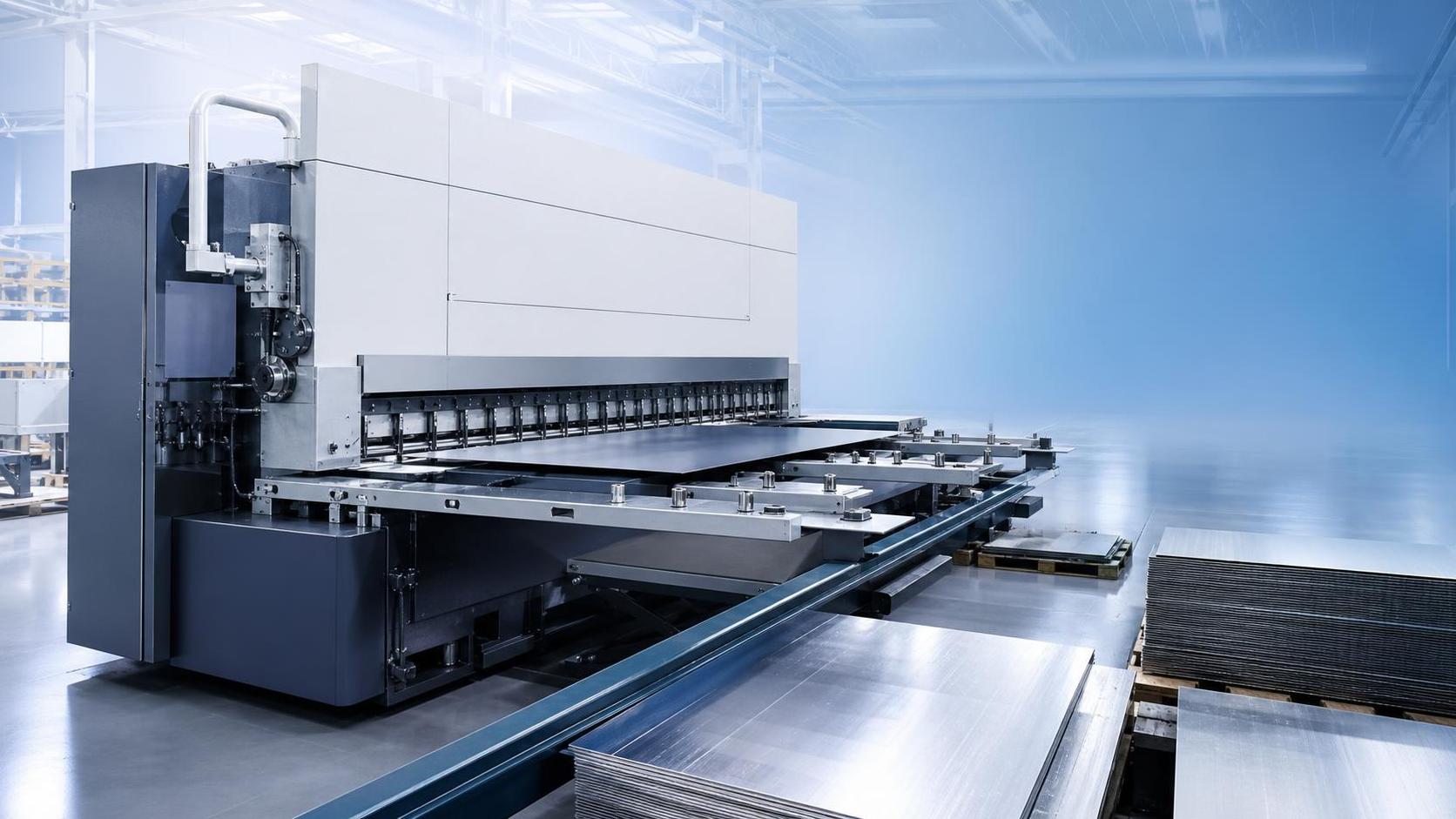
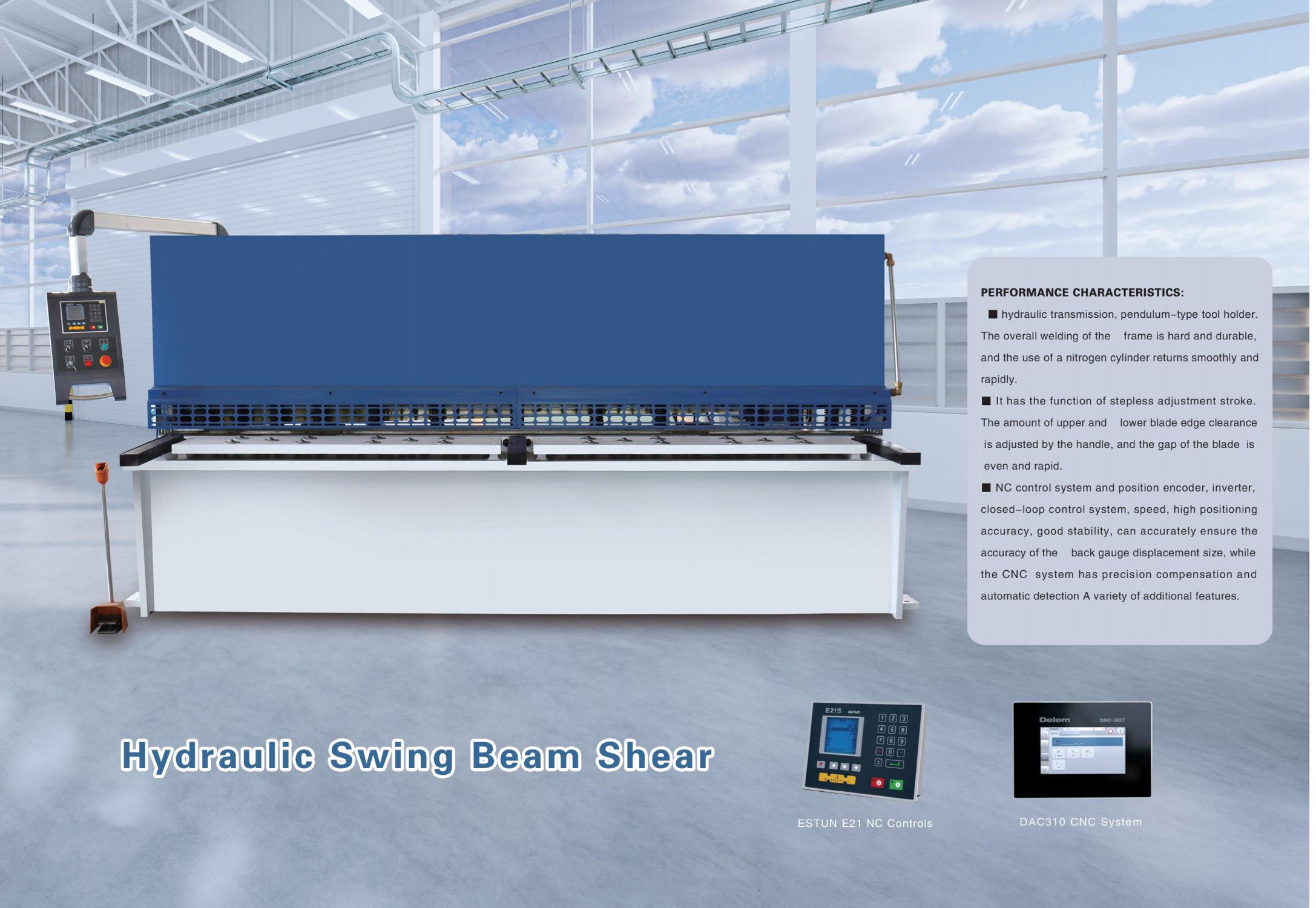
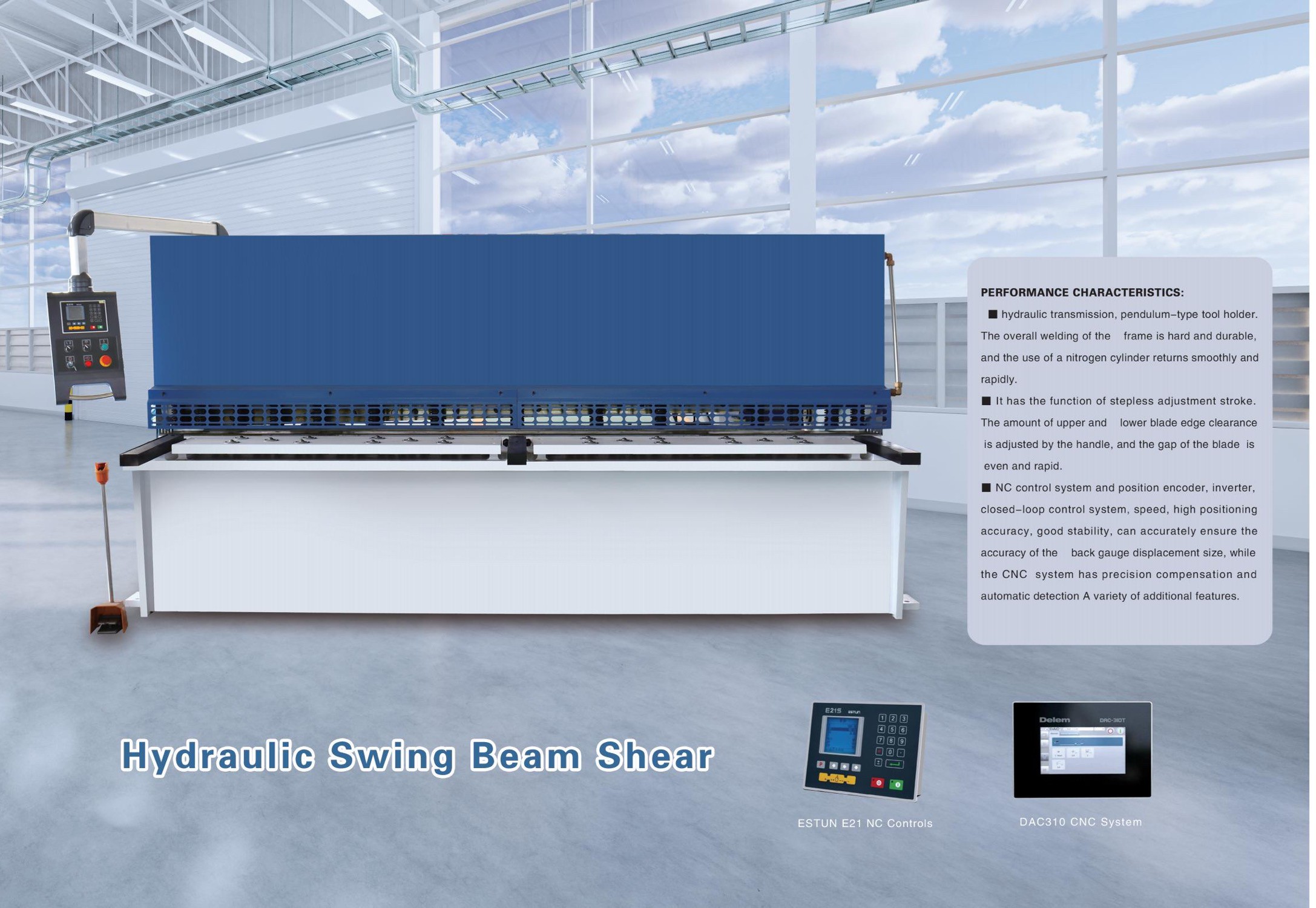
 Hydraulic Swing Beam Shear1.Introduction for Hydraulic Swing Beam Shear:
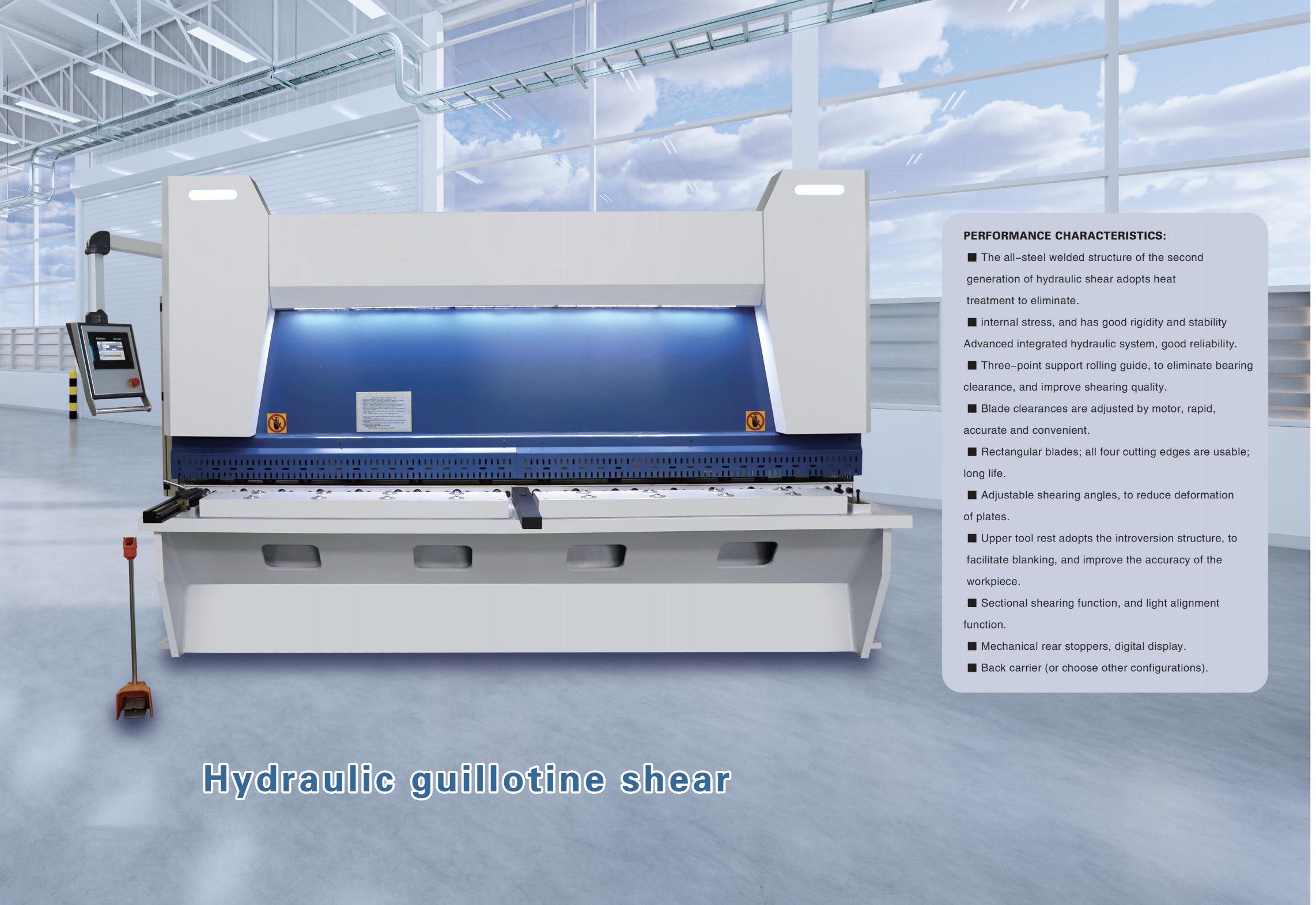
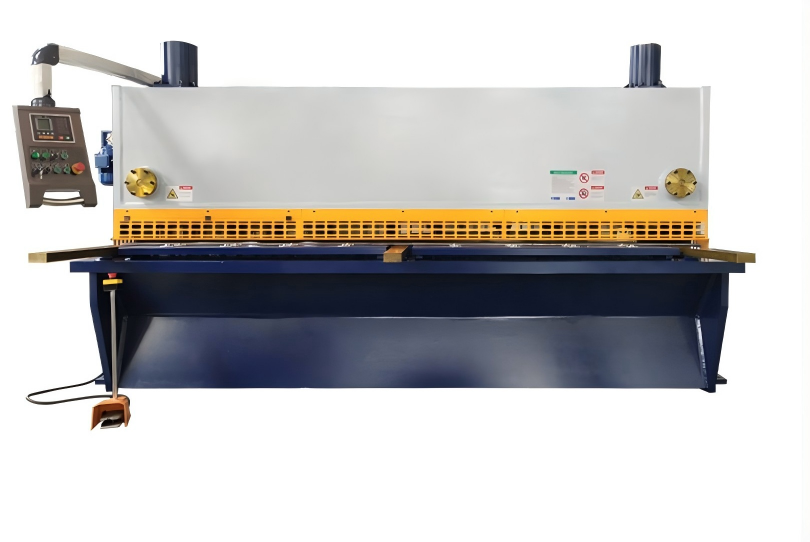
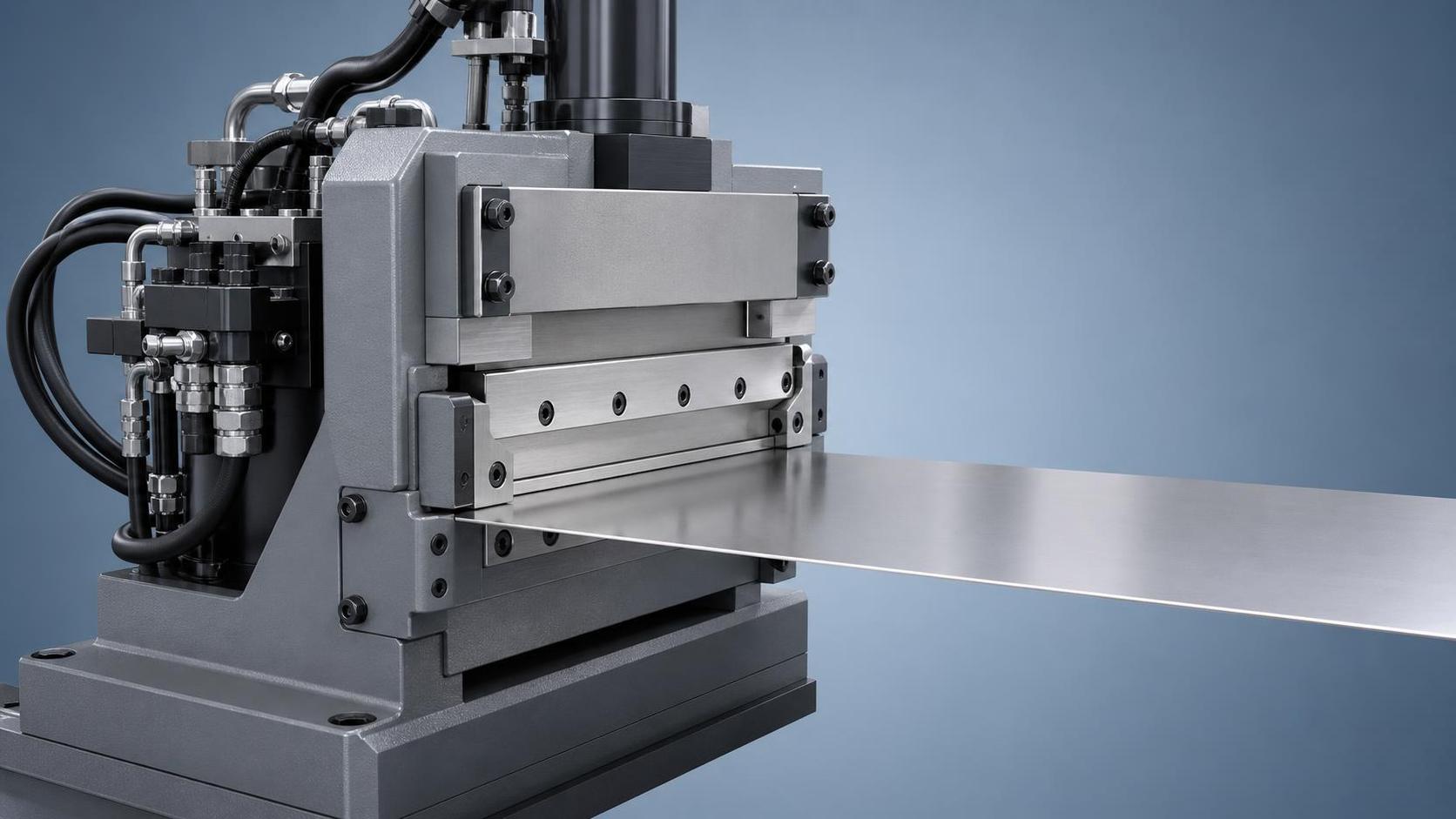
A shearing machine is a machine that uses one blade to perform reciprocating linear motion to shear the sheet metal. It relies on the moving upper blade and the fixed lower blade, with a reasonable blade gap, to apply shear force to various thicknesses of metal sheets, causing the sheets to break and separate according to the required dimensions. Shearing machines belong to a type of forging machinery and are mainly used in the metal processing industry. The products are widely applicable to industries such as aviation, light industry, metallurgy, chemical industry, construction, shipbuilding, automobiles, power, electrical appliances, and decoration, providing the necessary specialized machinery and complete equipment. Hydraulic guillotine shear1.Introduction for Hydraulic guillotine shear:
A shearing machine is a machine that uses one blade to perform reciprocating linear motion to shear the sheet metal. It relies on the moving upper blade and the fixed lower blade, with a reasonable blade gap, to apply shear force to various thicknesses of metal sheets, causing the sheets to break and separate according to the required dimensions. Shearing machines belong to a type of forging machinery and are mainly used in the metal processing industry. The products are widely applicable to industries such as aviation, light industry, metallurgy, chemical industry, construction, shipbuilding, automobiles, power, electrical appliances, and decoration, providing the necessary specialized machinery and complete equipment.