




— —
H Beam Straightening Machine Explained: Technical Principles, Applications & Selection Criteria (2026 Edition)
What Is An H Beam Straightening Machine?
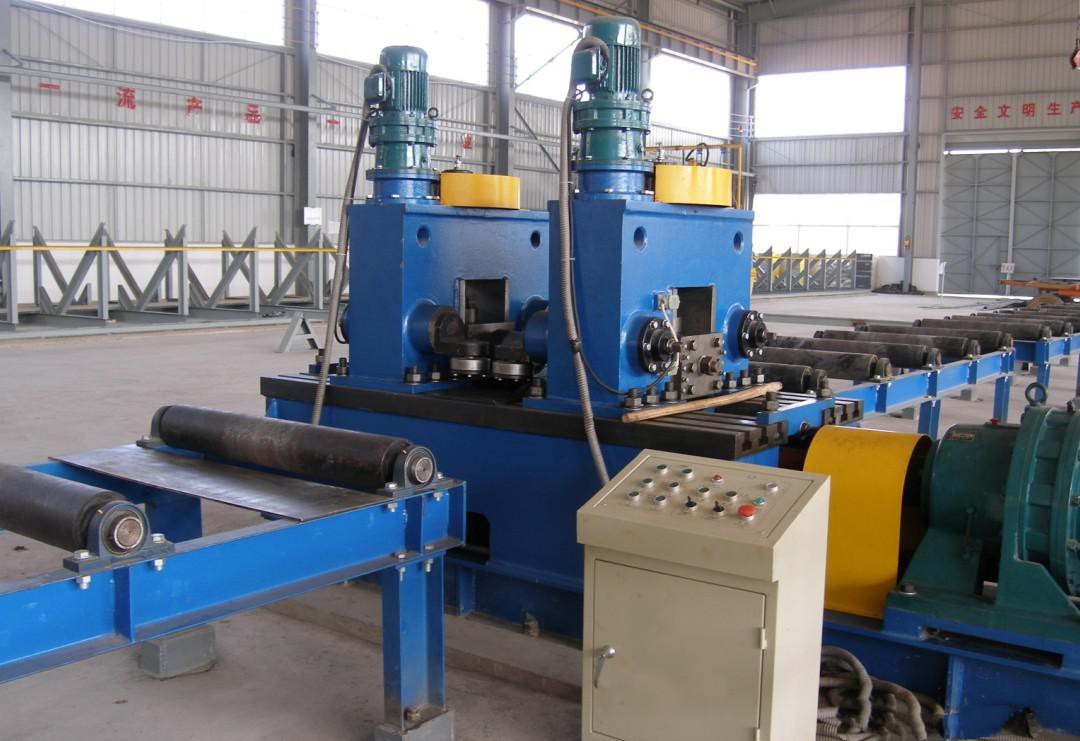
An H beam straightening machine is a specialized heavy-duty equipment system engineered to restore dimensional accuracy and geometric integrity to structural H-section steel profiles after thermal processing, welding, or long-term storage. It applies controlled multi-point mechanical force—typically via synchronized hydraulic cylinders and adjustable rollers—to eliminate longitudinal curvature (camber), lateral deviation (sweep), flange warping, and web distortion within tight tolerances defined by ASTM A6, EN 10034, and GB/T 11263.
Unlike manual correction or generic plate leveling tools, a dedicated H beam straightening machine features a rigid frame, precision-guided roller assemblies, and programmable pressure sequencing that targets specific cross-sectional zones without inducing new stress concentrations. Its core function is not cosmetic surface flattening but metallurgical stability assurance—ensuring load-bearing uniformity and weld joint readiness for downstream fabrication.
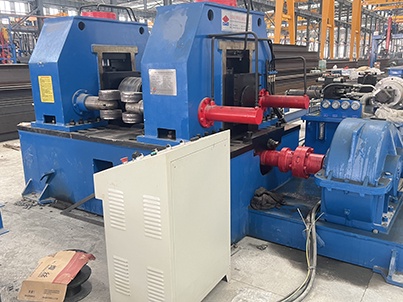
Wuxi Armada’s YTJ-60A and YTJ-80A models exemplify this engineering focus: built with high-strength cast iron bases, hardened alloy steel rollers, and servo-controlled feed systems calibrated to ±0.3 mm positional repeatability—directly addressing the geometric fidelity requirements of bridge girders, crane rails, and modular building frames.
How Does It Work? Core Technical Principles
H beam straightening operates on three interdependent mechanical principles: plastic deformation control, moment redistribution, and elastic recovery management. First, localized compressive force is applied at calculated points along the beam’s length—typically where maximum deflection occurs—inducing controlled yielding in the outer fiber while preserving internal grain structure integrity. Second, bending moments are redistributed across the section using dual-roller arrays: upper rollers press downward on the flanges, while lower support rollers counteract upward reaction forces, creating balanced torque vectors that neutralize residual curvature.
Third, the machine integrates real-time feedback loops—via linear position sensors and load cells—that monitor deformation progress per pass. This enables adaptive correction: if initial passes reveal asymmetric web buckling, the system automatically adjusts roller offset angles and pressure differentials between left/right flanges. Unlike static presses, modern H beam straightening machines apply dynamic, progressive loading—minimizing springback and eliminating the need for post-process stress-relief annealing.
Wuxi Armada’s proprietary control logic further refines this process: its PLC-driven interface allows operators to select preloaded profiles (e.g., “HEA 300”, “W14x22”, “H400x200”) and auto-generate optimal roller spacing, dwell time, and force ramping curves—reducing setup errors and ensuring consistent output across batch variations.
Main Types And Structural Classifications
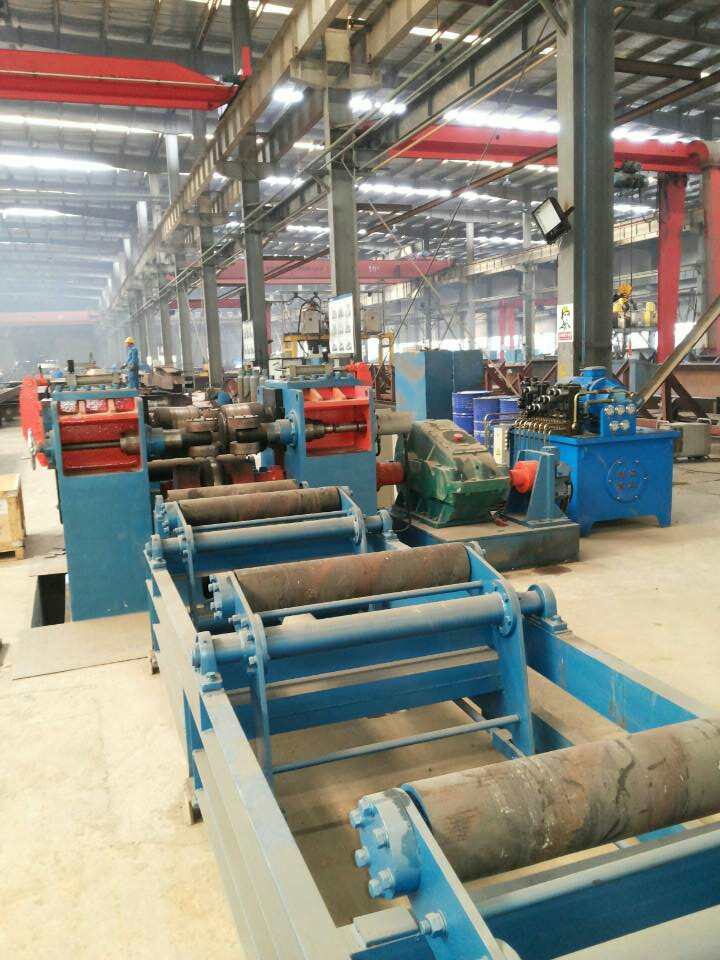
H beam straightening machines fall into three primary structural configurations: single-pass vertical-roll, multi-pass horizontal-roll, and hybrid dual-axis systems. Single-pass vertical-roll machines—like the YTJ-60B—feature vertically aligned upper/lower rollers driven by synchronized hydraulic actuators. They excel in correcting camber and sweep in medium-section beams (up to 600 mm height) with minimal floor space and rapid throughput (up to 12 m/min).
Multi-pass horizontal-roll systems deploy horizontally oriented rollers arranged in sequential stations, each applying incremental corrective force. These handle larger sections (up to 1,200 mm height) and complex distortions—especially flange twisting—by rotating the beam between passes. Hybrid dual-axis platforms combine both orientations, enabling simultaneous correction of web buckling and flange angular deviation—a capability critical for precision offshore structures supplied to clients like URALSTANKOIMPORT and Lincoln Electric-MENA.
All Wuxi Armada models integrate standardized mounting interfaces compatible with upstream H beam assembly machines and downstream shot blasting machines—supporting seamless integration into automated welding lines. Their modular design allows field upgrades: for example, retrofitting CNC positioning modules onto YTJ-60A units to meet tighter tolerance demands from Estructuras Metalicas Girders Chile Limitada’s seismic-resistant projects.
Who Uses H Beam Straightening Machines?
Primary users include structural steel fabricators, bridge construction contractors, heavy machinery OEMs, and prefabricated building system manufacturers. Fabricators producing crane runway beams for BatysMunaiGazZhabdyktary LLP require sub-millimeter camber control to ensure trolley travel smoothness and rail wear uniformity. Offshore module builders—such as Zein Steel Industries Co.LLC—depend on precise flange flatness to guarantee bolt hole alignment across multi-ton deck sections.
Mid-tier manufacturers—like PT.Cahaya Mas Cemerlang—use H beam straightening machines not only for quality compliance but also for material yield optimization: straightened beams enable full-length nesting in CNC plasma cutting workflows, reducing scrap by up to 7% versus manually corrected stock. Engineering service providers—including Regional Engineering Works—lease or co-locate these machines to offer value-added finishing services to SME clients lacking capital for dedicated equipment.
Wuxi Armada serves this diverse user base with scalable solutions: compact YTJ-60A units for workshops with ≤200 m² footprint, and fully integrated horizontal H beam welding lines featuring inline straightening modules—deployed successfully for SALES SAAD ALSANHANI’s infrastructure expansion program in Saudi Arabia.
Where And When Is It Applied? Real-World Deployment Contexts
Geographically, H beam straightening machines operate under stringent environmental and regulatory constraints: CE certification ensures compliance with EU Machinery Directive 2006/42/EC for installations across Europe; SGS validation confirms adherence to Australian AS/NZS 1554 for clients like MD Calbah Industries Pty Ltd; and ISO9001-certified manufacturing processes meet traceability requirements for North American nuclear-grade structural components.
Time-critical applications drive adoption cycles. In Brazil, Contevix comercio e servicos ltda deployed a YTJ-80A unit ahead of Rio de Janeiro’s port modernization deadline—reducing beam rework time by 65% and enabling just-in-sequence delivery to shipyard assembly docks. Similarly, S.P Blue Fisheries LDA installed an integrated straightening module within its aquaculture platform fabrication line to meet quarterly delivery milestones without compromising fatigue life specifications.
Seasonal demand patterns also influence timing: Middle Eastern fabricators order units ahead of Q3 construction starts to align with cooler ambient temperatures—critical for minimizing thermal drift during calibration. Wuxi Armada’s regional logistics hubs in Dubai and Rotterdam support 8–12 week lead times for certified deliveries, including factory acceptance tests conducted remotely via encrypted video streaming for clients such as Ersay International Transport.
How Is Quality Ensured? Manufacturing And Calibration Standards
Wuxi Armada implements a four-stage quality assurance protocol for every H beam straightening machine. Stage one involves finite element analysis (FEA) of frame rigidity under maximum rated load (up to 1,200 kN)—validating deformation limits<0.05 mm/m. Stage two subjects all roller shafts to ultrasonic testing and surface hardness verification (HRC 58–62), followed by dynamic balancing at 1,800 rpm to eliminate vibration-induced measurement noise.
Stage three executes full-system calibration using laser tracker metrology (Leica AT960) against NIST-traceable artifacts—documenting positional accuracy across 120 test points. Final stage includes 72-hour endurance testing under simulated production loads, with real-time monitoring of hydraulic pressure decay (<0.5 bar/hour) and PLC response latency (<12 ms). Every unit ships with a digital twin certificate linking serial number to calibration logs, sensor calibration dates, and maintenance history—accessible via QR code scan.
This rigor supports global compliance: CE documentation includes full risk assessment reports per EN ISO 12100; SGS certificates cover electromagnetic compatibility (EN 61000-6-2) and functional safety (EN ISO 13849-1 PL e). Clients receive bilingual operation manuals, spare parts schematics, and remote diagnostic firmware updates—ensuring long-term reliability across diverse operational environments.
Total Cost Of Ownership And ROI Considerations
The total cost of ownership (TCO) for an H beam straightening machine spans five key dimensions: acquisition cost (35–45%), installation & commissioning (12–18%), energy consumption (8–12%), consumables & maintenance (15–20%), and productivity loss mitigation (10–15%). Acquisition cost varies significantly by configuration: YTJ-60A units start at USD 125,000; YTJ-80B systems exceed USD 310,000—but deliver 2.3× throughput and extended service intervals.
Energy efficiency contributes directly to TCO: Wuxi Armada’s servo-hydraulic drives reduce peak power draw by 40% versus traditional pump-and-valve systems—translating to ~USD 8,200 annual savings for facilities operating two shifts. Maintenance costs are minimized through predictive analytics: onboard vibration sensors flag bearing degradation 14+ days before failure, avoiding unplanned downtime averaging USD 18,500/hour in high-volume fabrication shops.
ROI manifests most clearly in labor optimization and scrap reduction. Rienzie Group reported 3.8 months payback after installing a YTJ-60A—driven by eliminating 2.1 hours/day of manual straightening labor and recovering 92% of previously rejected beams. For large-scale projects like Lincoln Electric-MENA’s transformer substation program, the machine enabled 100% first-pass yield on 1,200+ H250x250 beams—avoiding USD 220,000 in rework and expedited freight penalties.
Future Trends Shaping The 2026 Landscape
Three converging trends define the near-term evolution of H beam straightening technology. First, AI-powered adaptive learning: next-generation controllers will ingest historical correction data—beam grade, ambient humidity, cooling rate—to predict optimal force profiles before first contact, reducing trial passes by up to 40%. Wuxi Armada’s R&D roadmap includes edge-AI modules compatible with existing YTJ-series PLCs, scheduled for pilot deployment in Q3 2026.
Second, sustainability integration: electric-drive systems replacing hydraulic power units are gaining traction, especially in EU markets enforcing Scope 3 emissions reporting. Wuxi Armada’s prototype all-electric straightener—currently undergoing validation with Zein Steel Industries—achieves zero hydraulic fluid leakage and 31% lower lifecycle energy use.
Third, interoperability mandates: ISO/IEC 62541 (OPC UA) compliance is becoming standard for integration into Industry 4.0 digital twins. By 2026, over 70% of new installations will require real-time data exchange with MES platforms—tracking beam ID, correction parameters, and dimensional verification results. Wuxi Armada now ships all new orders with OPC UA servers pre-configured and tested against Siemens MindSphere and Rockwell FactoryTalk environments.
 Welding Manipulator Features That Affect Long Term Operating CostWelding Manipulator features like rigidity, control stability, and low-maintenance design directly affect long-term cost. Learn how to reduce downtime and improve welding ROI.
 When Horizontal H-Beam Lines Fail Under High-Torque Milling: Root Causes, Wear Patterns, and Preventive Maintenance SchedulesHorizontal h beam line stalling under high-torque milling? Discover root causes, wear patterns & data-driven preventive maintenance—avoid costly downtime.
 Flange vs. Web Straightening: When to Use an H Beam Flange Straightening Machine Instead of a General H Beam Straightening MachineH beam flange straightening machine: precision flange flatness for high-tolerance welding, robotic assembly & EN 1090-2 EXC3 compliance—cut rework, boost yield.
 Heavy Duty H-Beam Line Market Shift: Rising Demand from Prefab Concrete Plants and Wind Tower Fabricators in Southeast AsiaHeavy duty h beam line demand surges in Southeast Asia—prefab concrete plants & wind tower fabricators choose precision, reliability, and ISO/CE-certified systems.
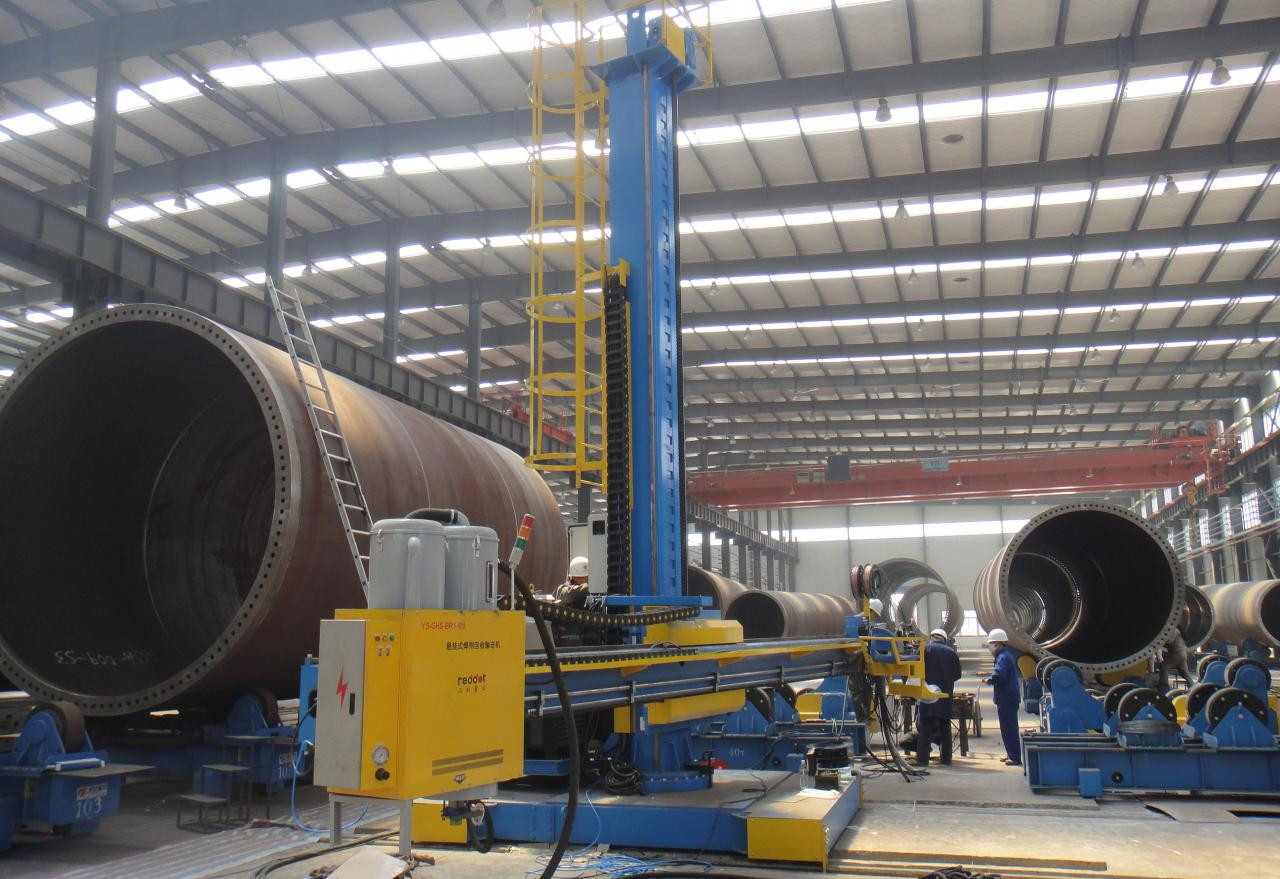
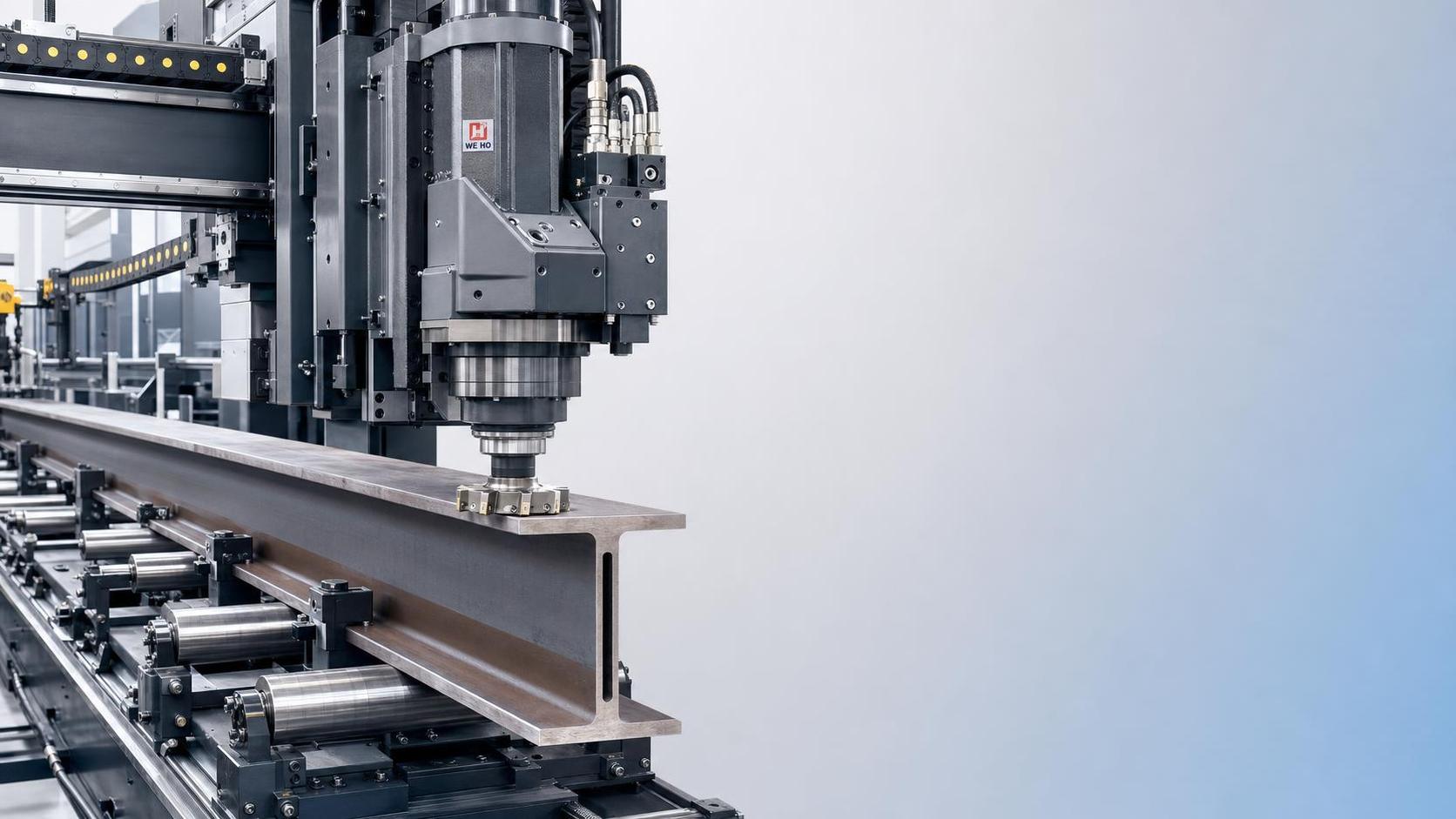
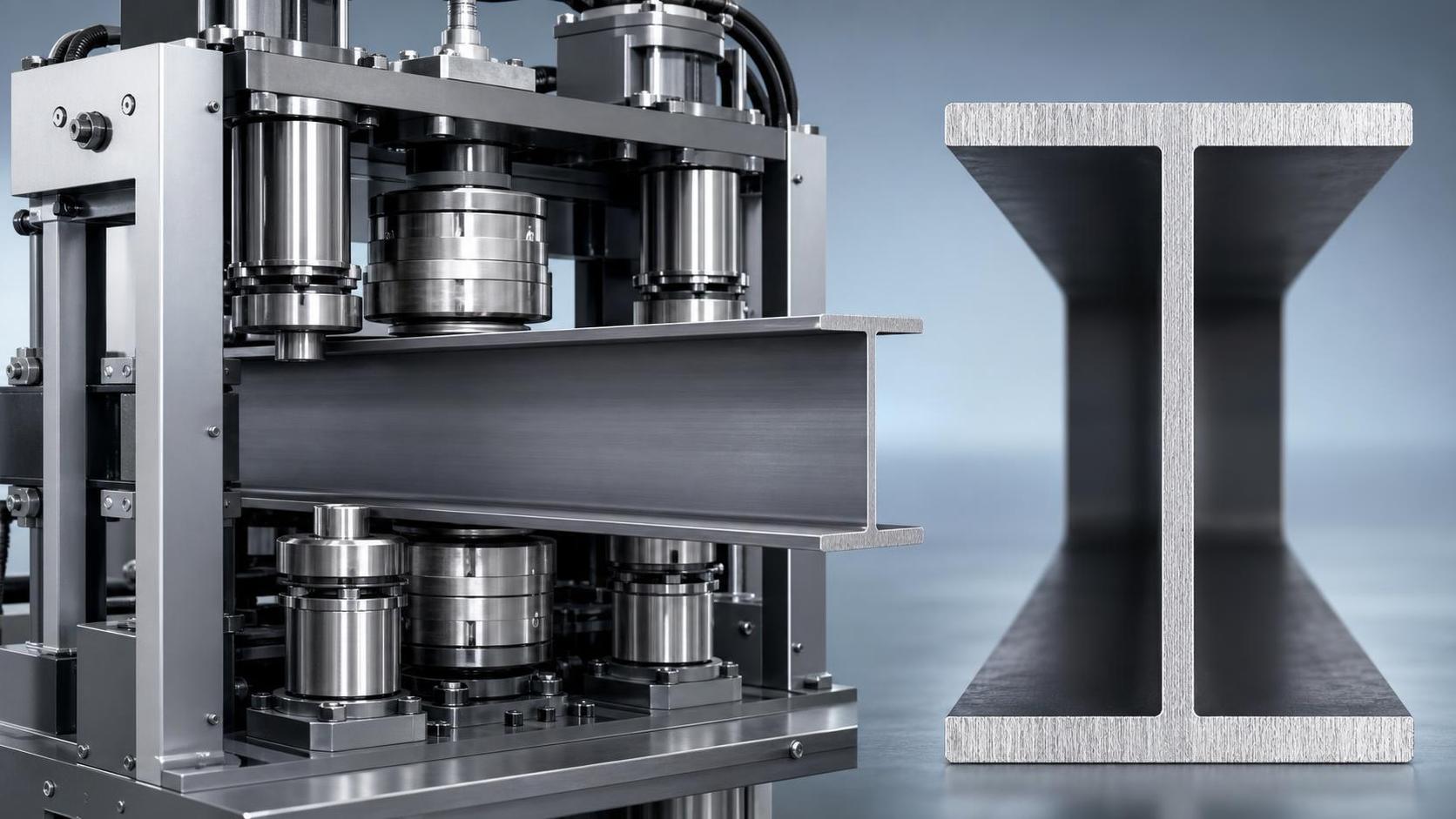
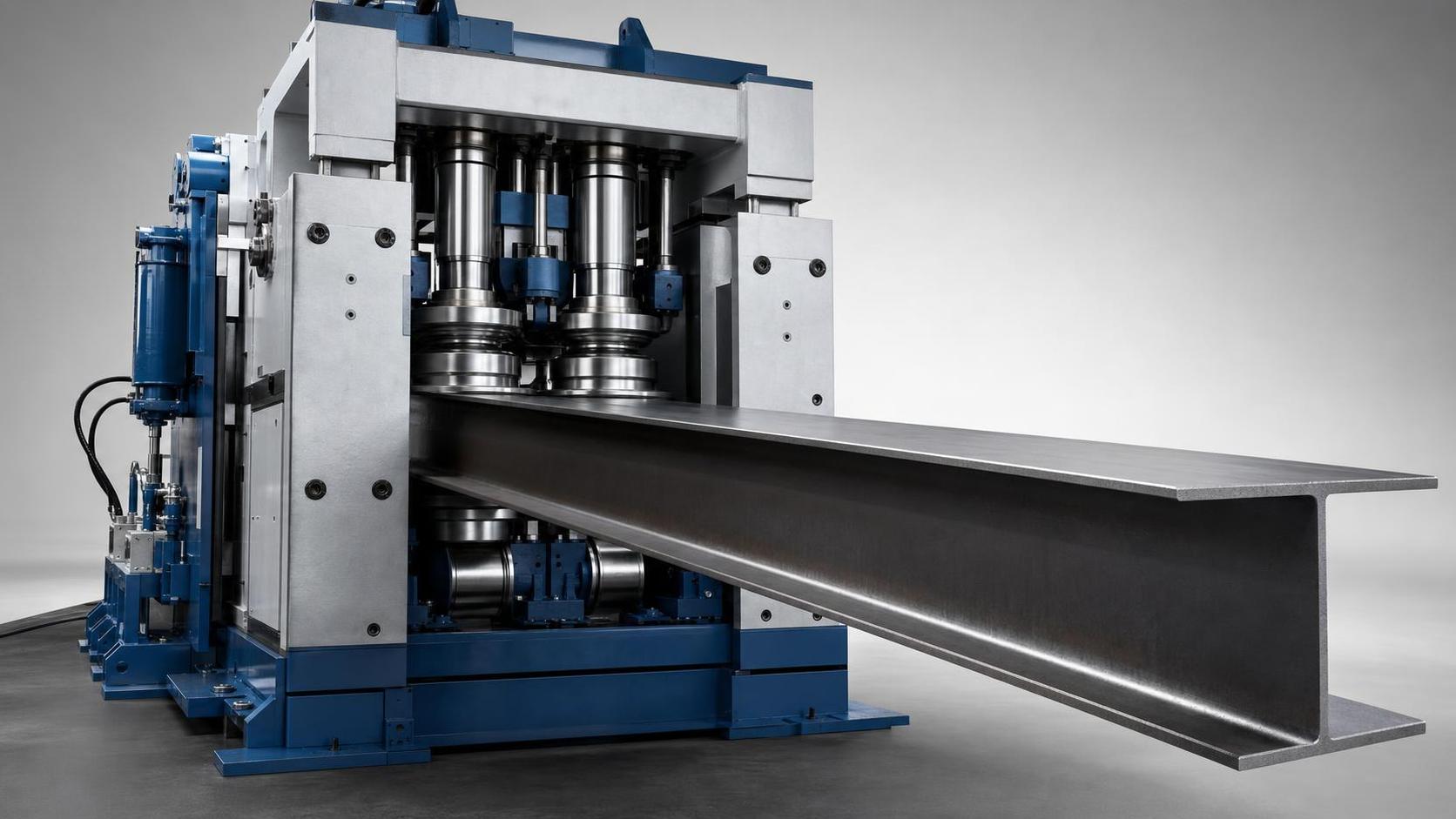
 HYJ-800 H beam straightening machine1.Introduction for H beam straightening machine:
1.1.The mainframe is integral frame structure with stress relief, it is processed and shaped in one step by CNC floor type boring and milling machine,with the advantages of compact structure, strong strength and enough rigidity.H beam straightening machine
1.2.The material of upper roller is 35CrMo, the abrasion resistance has been improved after the process of heat treatment and grinding.Automatic H beam straightening machine
1.3.The material of main transmission roller is 40Cr with integral forging process, as well as high frequency quenching process and grinding on the surface, the precision and abrasion resistance has been improved a lot.H beam flange straightening machine YTJ-60B and YTJ-80B H beam straightening machine1.Introduction for H beam straightening machine:
1.1.The mainframe is integral frame structure with stress relief, it is processed and shaped in one step by CNC floor type boring and milling machine,with the advantages of compact structure, strong strength and enough rigidity.H beam straightening machine
1.2.The material of upper roller is 35CrMo, the abrasion resistance has been improved after the process of heat treatment and grinding.Automatic H beam straightening machine
1.3.The material of main transmission roller is 40Cr with integral forging process, as well as high frequency quenching process and grinding on the surface, the precision and abrasion resistance has been improved a lot.H beam flange straightening machine YTJ-60A and YTJ-80A H beam straightening machine1.Introduction for H beam straightening machine:
1.1.The mainframe is integral frame structure with stress relief, it is processed and shaped in one step by CNC floor type boring and milling machine,with the advantages of compact structure, strong strength and enough rigidity.H beam straightening machine
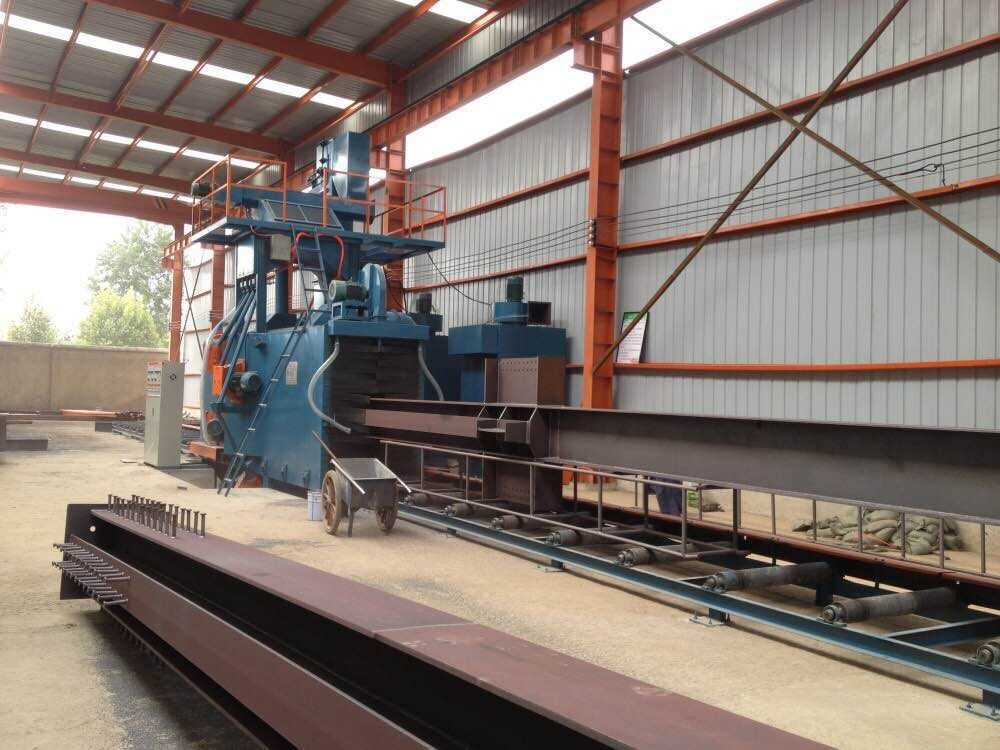
1.2.The material of upper roller is 35CrMo, the abrasion resistance has been improved after the process of heat treatment and grinding.Automatic H beam straightening machine Shot blasting machineH beam Shot blasting machine is primarily for shot-blasting of steel structural parts, aluminum profiles,steel sheets and steel billets to remove the rusty spot, rusty layer and scale cinder on steel to obtain a uniform, smooth and glossy metal surface allowing improved coating quality and higher anti-corrosion performance. Shot blasting machine To ensure the high shot-blasting performance and extend the service of rollers, a high-chromium grinding-resistant sheath is installed on the room rollers to extend its service life by scores of times,Automatic H beam Shot blasting machine.
