— —
Drilling Machine Price: The Complete 2026 Guide to Types, Specifications, and Cost Factors
What Drilling Machine Price Really Means In 2026
The term drilling machine price refers to the market cost of equipment used to create holes in metal components such as plates, beams, flanges, tubes, and fabricated structures. In industrial purchasing, the price is not defined by drilling diameter alone. It is shaped by machine architecture, spindle performance, feeding accuracy, automation level, controller brand, duty cycle, and the ability to hold tolerance under continuous production.
In 2026, buyers usually compare drilling machine price across three broad categories: conventional manual machines, semi-automatic production machines, and CNC drilling systems. A radial drilling machine may suit repair shops and general fabrication, while a high speed CNC drilling and milling machine for steel plates or tube sheets is evaluated more like a productivity asset than a simple workshop tool. That difference changes both acquisition price and return expectations.
Price evaluation also depends on whether the buyer is purchasing a standalone unit or a machine integrated into a steel fabrication line. For example, beam processing plants may compare a drilling system together with cutting, welding, shot blasting, and material handling. In those cases, the real benchmark is cost per qualified hole, cycle stability, and the impact on downstream assembly, not the lowest quoted machine price.
A useful purchasing approach is to treat drilling machine price as a combined indicator of capability, reliability, and support. Buyers who only compare base quotations often miss tooling cost, installation, electrical requirements, operator training, maintenance intervals, and spare parts access. Those factors become decisive in cross-border B2B procurement where delivery risk and after-sales response affect production continuity.
How Drilling Machines Work And Why The Design Affects Cost
The basic drilling process uses spindle rotation and controlled feed to remove material with a drill bit. Although this principle is simple, industrial performance depends heavily on structural rigidity, spindle torque, guide accuracy, coolant delivery, chip evacuation, and vibration control. Better machine design allows higher feed rates, cleaner hole finish, and more stable hole position, especially on thick or hard materials.
That is why drilling machine price rises with frame strength, slide precision, servo control, and spindle quality. A light workshop machine may handle occasional drilling, but heavy steel fabrication requires stronger column structures, stable clamping, and repeatable motion control. When the machine must process beams, plates, or flanges for long shifts, the value of a rigid frame becomes visible in reduced rework and more consistent output.
Automation adds another layer. CNC systems use programmed coordinates, servo-driven axes, and digital feedback to position the tool precisely. This improves repeatability and reduces operator dependence, but it also increases component cost through motors, drives, control systems, sensors, and software. As a result, the drilling machine price of a CNC platform is typically higher than that of a manual or radial machine, yet the labor saving and throughput gain can justify the investment.
Auxiliary functions also influence cost. Tapping, milling capability, automatic tool change, workpiece detection, mist or flood cooling, and integrated marking or punching systems all increase complexity. For buyers handling multiple hole patterns and part sizes, these options may lower total production cost even when the initial drilling machine price is significantly higher.
Main Machine Types And Their Typical Price Logic
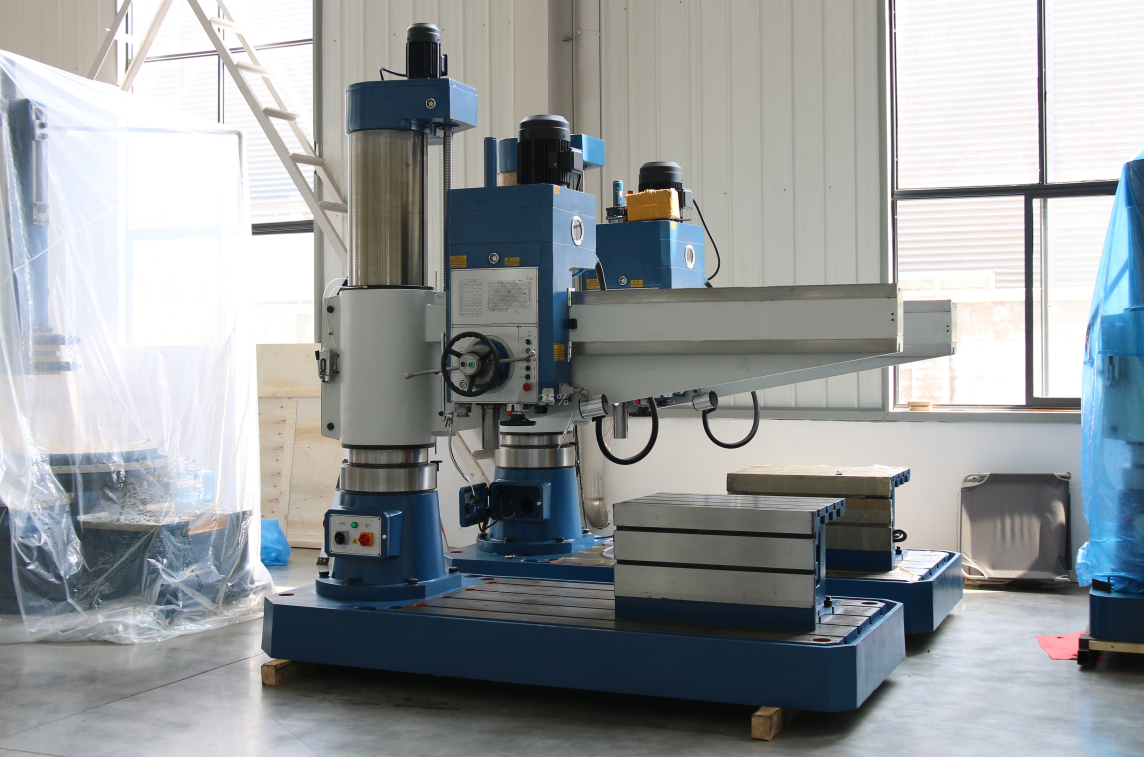
Radial drilling machines remain common in maintenance workshops, fabrication shops, and medium-duty metalworking. Their main advantage is flexibility. The arm can move across a larger working area, making setup practical for varied components. A radial drilling machine price is usually driven by arm length, spindle travel, drilling capacity, motor power, table size, and overall machine weight. For buyers with mixed jobs and lower daily volume, this type often offers a practical balance between cost and versatility.
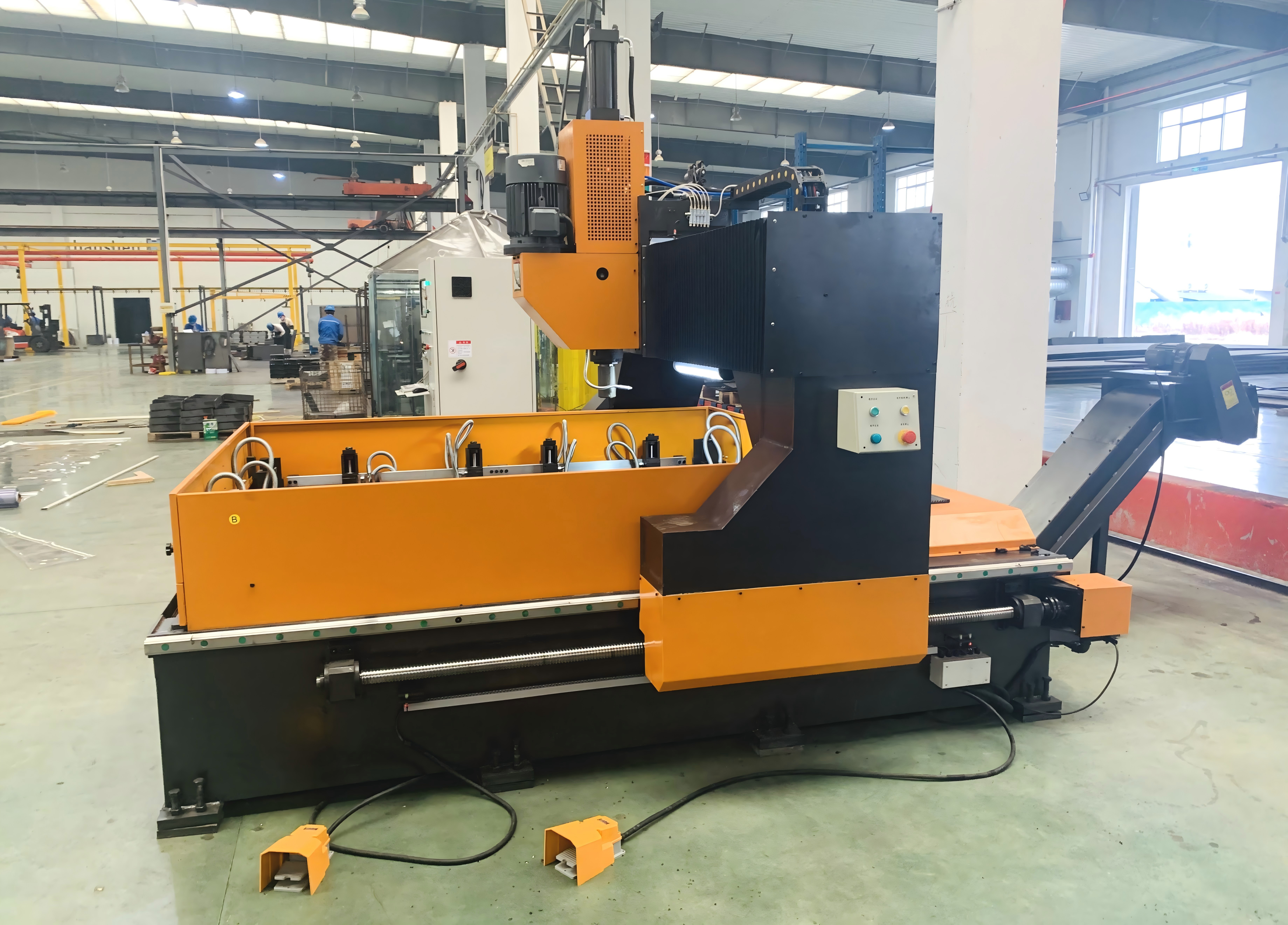
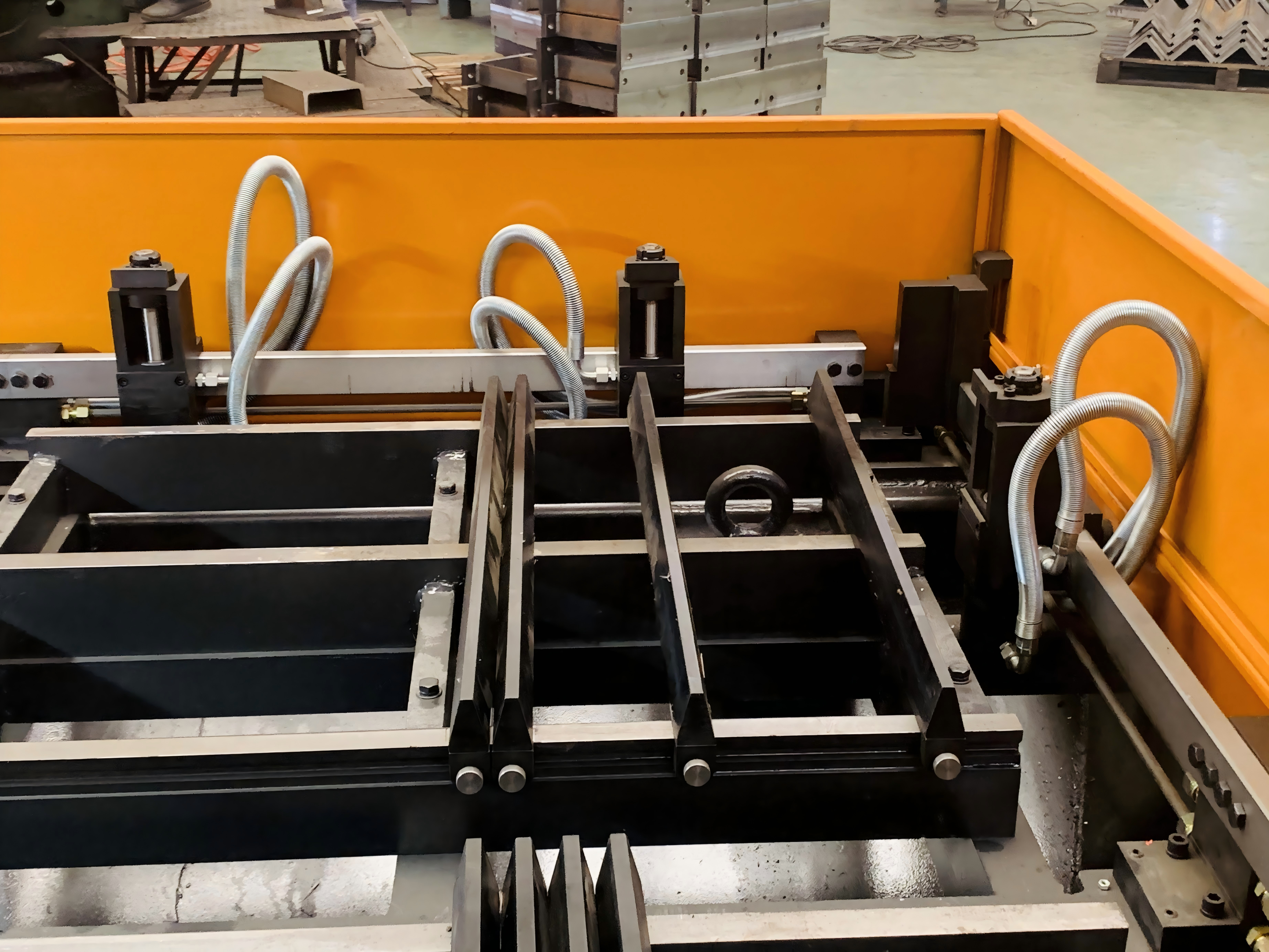
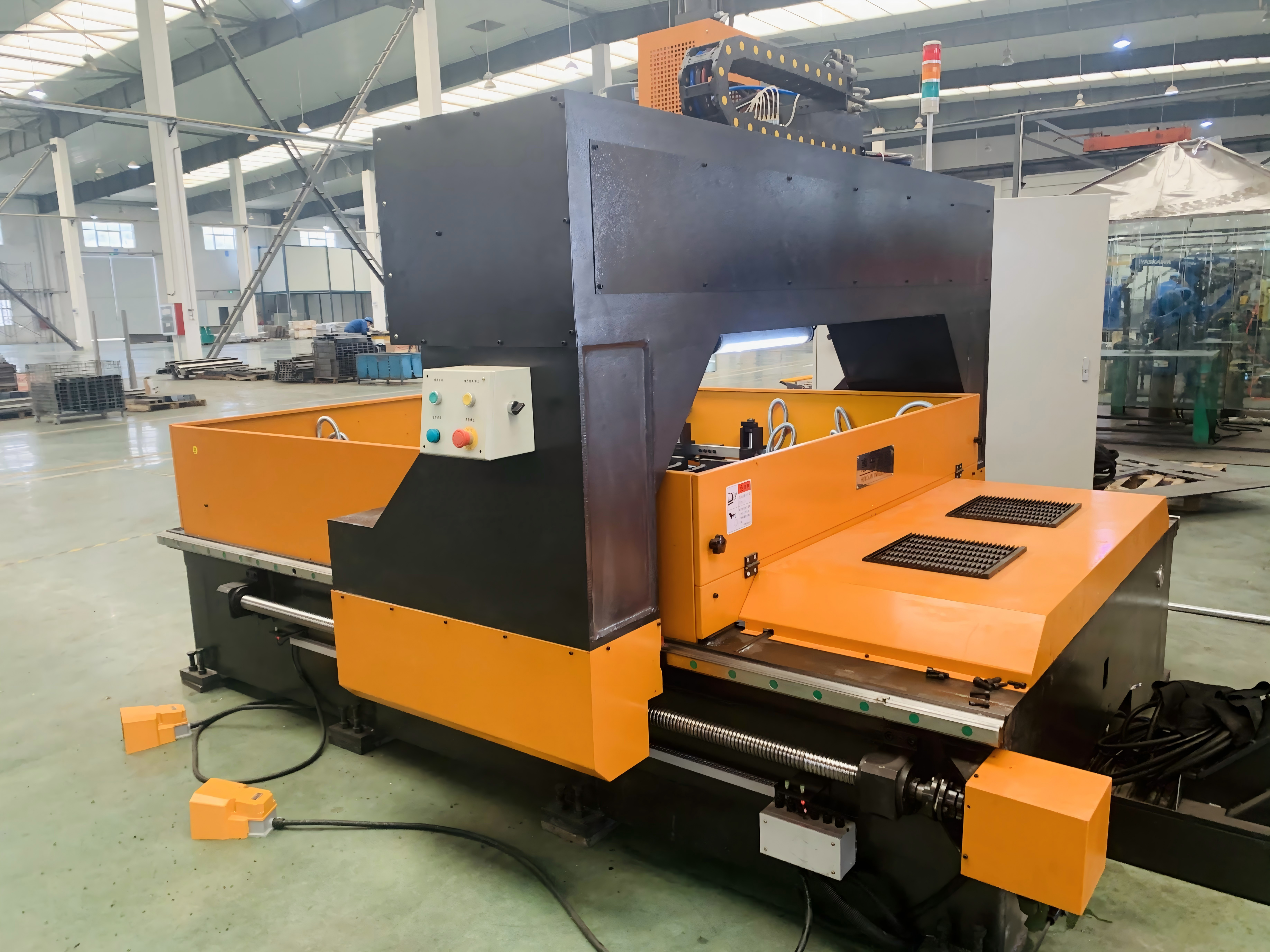
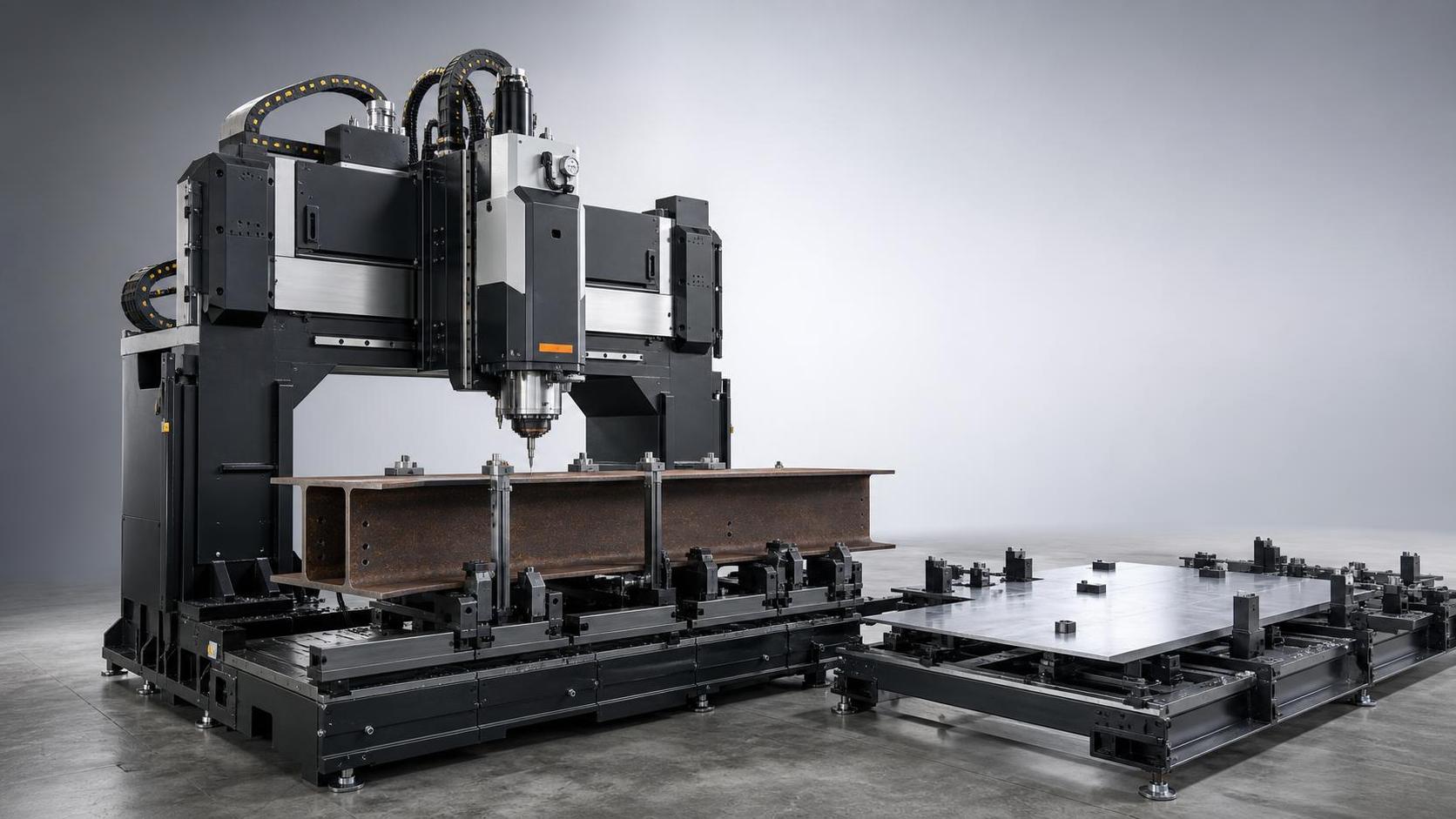
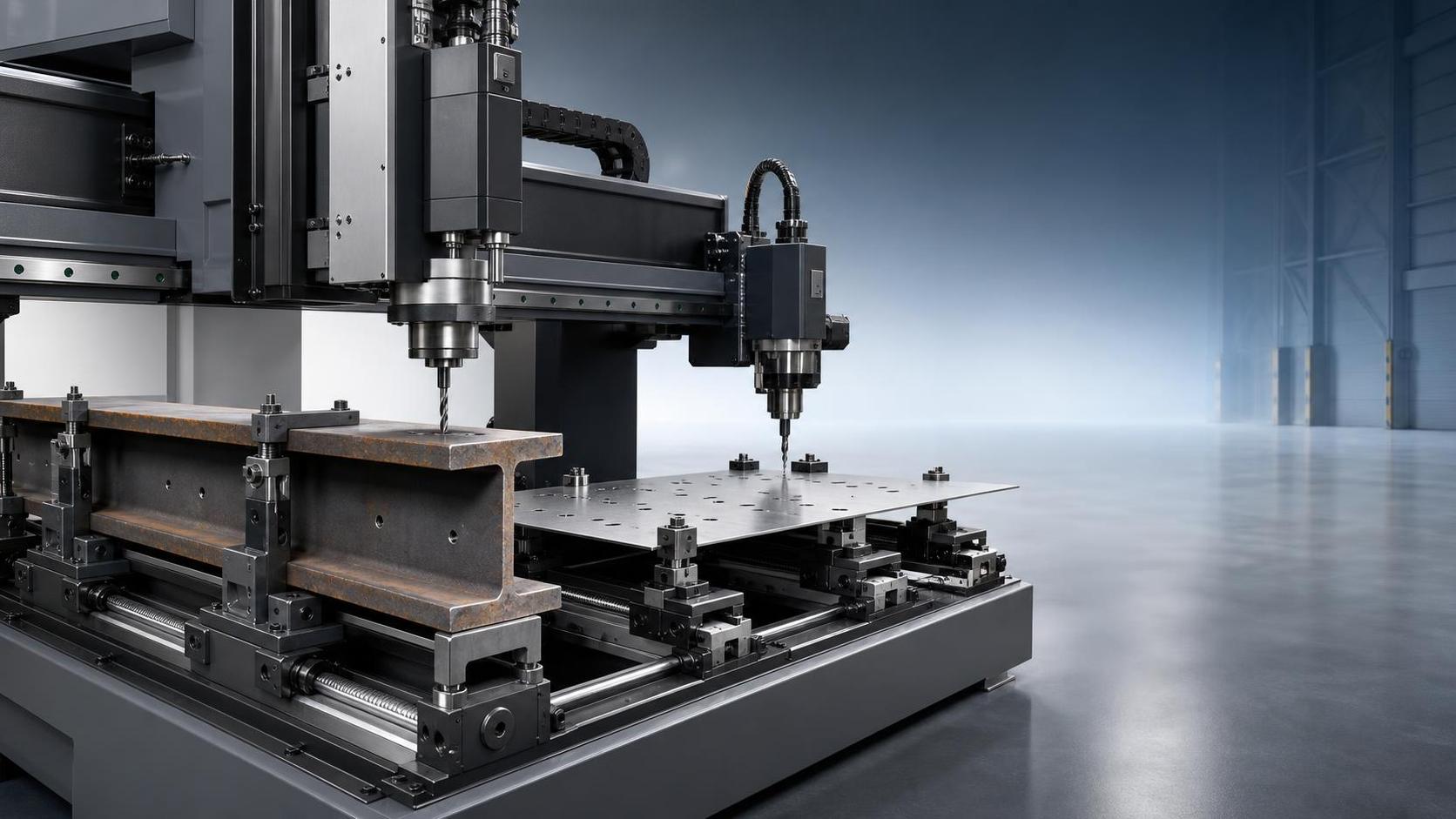
Plate drilling machines and CNC drilling and milling machines for steel plates, flanges, and tube sheets are designed for more standardized production. Their price logic depends on table size, effective work envelope, spindle speed range, hole diameter capability, axis quantity, and control sophistication. Because these machines can process repetitive hole layouts with higher speed and lower labor input, buyers often evaluate them by output per shift rather than by hardware cost alone.
Beam drilling systems serve structural steel manufacturers that process H beams, channels, and similar profiles. Here, drilling machine price reflects not only the drilling heads but also material conveying, clamping, position sensing, and software integration. In a beam line environment, compatibility with upstream cutting and downstream assembly matters. A machine that fits a broader fabrication workflow can deliver more value than a lower-priced isolated unit.
There are also combined production systems where drilling is part of a larger steel processing solution. Wuxi Armada supplies a broad machine portfolio that includes H beam 3D drilling equipment, CNC cutting systems, welding automation, shot blasting machines, and plate processing equipment. For buyers building or upgrading a fabrication plant, this wider capability can simplify supplier coordination, installation planning, and future line expansion.
Who Should Focus Most On Drilling Machine Price Analysis
Not every buyer should analyze drilling machine price in the same way. Small workshops, maintenance departments, and job shops often need broad adaptability and lower capital exposure. They may place more weight on a moderate initial purchase price, simpler operation, and easy maintenance. For these users, a conventional or radial machine can be economically sound if production volume is irregular and tolerance demands are manageable.
Steel structure manufacturers, pressure vessel fabricators, and heavy equipment suppliers usually need a different approach. Their profitability often depends on repeatability, throughput, and schedule reliability. In these sectors, the wrong machine can create bottlenecks across cutting, fit-up, welding, and finishing. Buyers in this group should compare drilling machine price against labor usage, setup time, scrap reduction, and coordination with the rest of the line.
Export-oriented manufacturers also need to think beyond production speed. They must meet customer drawing requirements, documentation expectations, and in many markets, machine compliance standards for imported equipment. Wuxi Armada highlights ISO9001, CE, and SGS credentials, which can be useful signals for buyers who must justify supplier selection through internal procurement review or international project audits.
Engineering contractors, OEM component makers, and metal service centers should also evaluate operator skill availability. If skilled manual operators are limited, a CNC-based solution with easier program repeatability may deliver a better long-term result even when the drilling machine price is higher at the start. The labor market in many regions makes this an increasingly practical concern.
How To Select The Right Machine By Specification Instead Of Headline Price
A disciplined selection process starts with workpiece data. Buyers should define material type, thickness range, hole diameter range, hole tolerance, expected daily output, and part dimensions before asking for quotations. Without that information, drilling machine price comparisons are often misleading because suppliers may quote machines built for very different production demands. A cheaper machine may simply be undersized for the actual job.
The next step is to review spindle power, speed range, feed system, and structural capacity. High spindle speed is useful for some plate and milling applications, but heavy drilling in thick steel also needs torque and rigidity. Buyers should verify whether the machine is optimized for steel plates, flanges, tube sheets, or structural beams. The better the match between machine design and workpiece category, the more meaningful the drilling machine price becomes.
Control and software should be assessed with equal care. CNC systems vary in interface quality, nesting logic, programming convenience, and fault diagnostics. A lower quote can become expensive if the programming workflow is slow or if local technicians struggle to maintain the controls. It is sensible to request sample cycle data, hole accuracy expectations, and a clear list of included software functions before final supplier comparison.
For integrated fabrication businesses, supplier scope matters. Wuxi Armada offers drilling-related solutions alongside welding rotators, positioners, cutting machines, face milling machines, edge milling machines, plate rolling systems, and other metal processing equipment. This broader offering can help buyers standardize sourcing, coordinate utility planning, and reduce interface issues between separate machine vendors.
Application Scenarios, Standards, And Real Procurement Context
Drilling machines are used across structural steel fabrication, pressure vessel production, shipbuilding support work, machinery manufacturing, energy equipment, and general metal processing. In structural applications, hole alignment directly affects assembly speed and fit-up quality. In plate and flange work, consistent hole position supports downstream bolting, welding, and machining. This is why drilling machine price has a direct connection to plant productivity and quality performance.
International buyers also look at machine documentation, electrical compatibility, safety design, and certification support. While specific local compliance requirements vary, general export readiness matters in B2B transactions. Wuxi Armada states ISO9001, CE, and SGS credentials and serves customers such as URALSTANKOIMPORT, MD Calbah Industries Pty Ltd, Ersay International Transport, Zein Steel Industries Co. LLC, PT. Cahaya Mas Cemerlang, and Lincoln Electric-MENA. These references indicate experience working with geographically diverse industrial buyers.
In practical terms, a buyer in steel construction may choose a radial drilling machine for maintenance and one-off modifications, while selecting an H beam 3D drilling machine or a CNC plate drilling system for volume production. The suitable drilling machine price therefore depends on whether the application is repair work, custom fabrication, or repeat industrial processing. The wrong category choice often costs more than paying a higher but better-matched initial price.
A strong procurement process usually includes technical clarification, sample drawing review, utility confirmation, layout planning, tooling discussion, and after-sales response terms. These are not minor details. They determine whether the quoted drilling machine price translates into a machine that can be installed efficiently and deliver the expected output from the first production cycle.
Maintenance Timing, Upgrade Cycles, And 2026 Market Trends
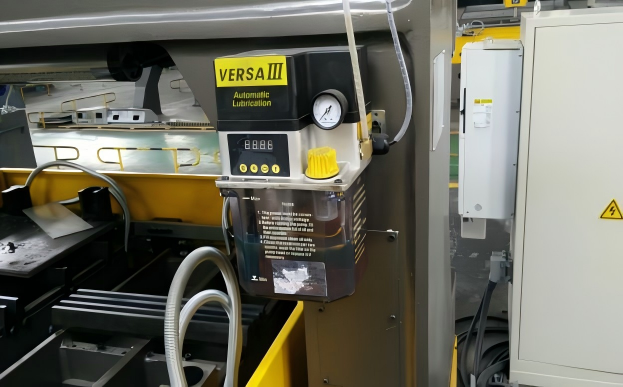
A drilling machine should be evaluated over its operating life, not only at purchase. Preventive maintenance typically includes lubrication checks, spindle inspection, coolant system cleaning, guideway monitoring, fastener checks, and calibration review. Machines used in multi-shift steel fabrication require stricter maintenance discipline than those used occasionally in repair environments. Poor upkeep can erase any advantage gained from a low drilling machine price.
Upgrade timing usually depends on three signals: rising maintenance cost, falling output efficiency, and increasing tolerance demands from customers. If setup time is high, scrap is increasing, or skilled operators are difficult to retain, moving from a manual machine to a CNC drilling platform may become commercially reasonable. The purchase decision should be tied to production reality, not to technology fashion.
In 2026, market direction continues toward higher automation, digital diagnostics, and line integration. Buyers increasingly ask for machines that communicate with planning systems, simplify operator training, and support remote troubleshooting. These features can increase drilling machine price, but they often reduce downtime and improve planning visibility in larger factories.
Another clear trend is application-specific machine design. Buyers no longer compare all drilling equipment as if it were interchangeable. Plate work, beam processing, tube sheet production, and general workshop use each demand different technical priorities. This specialization means price ranges can widen, but it also allows more accurate matching between machine capability and actual manufacturing need.
How To Estimate Total Cost Of Ownership And Return On Investment
The best way to compare drilling machine price is through total cost of ownership. Buyers should include machine purchase cost, sea or inland freight, customs-related charges where applicable, installation, commissioning, tooling, electrical preparation, operator training, preventive maintenance parts, and expected downtime risk. In many cases, these combined factors can change the economics more than a small difference in base quotation.
Operating cost should also be measured by output. A higher-priced CNC machine may reduce labor hours, improve first-pass quality, shorten setup time, and increase daily throughput. If a plant regularly processes repeat hole patterns on steel plates or structural members, the labor and rework savings can offset a higher drilling machine price within a practical payback window. The reverse is also true: overbuying automation for low-volume work can weaken ROI.
A sound ROI discussion should use real plant data. Buyers should estimate current hole quantity per month, average labor cost, rejection or rework rate, delivery pressure, and expected business growth. Then they can compare a radial drilling machine, a CNC plate drilling machine, or a beam drilling solution on a consistent economic basis. This method is more reliable than relying on catalog positioning or assumptions about premium equipment.
For buyers sourcing across multiple fabrication processes, working with a supplier such as Wuxi Armada can add value beyond the machine itself. When drilling, cutting, welding, forming, and finishing equipment are planned with compatible production goals, the plant can reduce coordination loss and scale capacity more smoothly. In that context, the right drilling machine price is the one that supports stable output, predictable quality, and practical long-term ownership economics.
 How to Judge If One Drilling Machine Can Meet Export Order NeedsCan a drilling machine process both H beam and sheet metal? Learn how to judge export order fit by capacity, precision, changeover efficiency, and cost before you buy.
 Can a Drilling Machine Process Both H-Beam and Sheet Metal?Is Wuxi Armada a reliable drilling machine supplier for overseas buyers? Discover how one drilling machine can handle both H-beam and sheet metal with accuracy, flexibility, and export-ready support.
 Can One Drilling Machine Handle Cutting and Drilling for Export Orders?Can one drilling machine handle cutting and drilling for export orders? Learn when one machine saves cost, meets precision goals, and supports reliable export production.
 What Buyers Should Check Before Choosing a Drilling Machine for H-Beam and Sheet MetalCan a drilling machine process both H beam and sheet metal? Learn whether one drilling machine can handle cutting and drilling for export orders, and if Wuxi Armada is a reliable supplier.
 Radial drilling machine1.1 The swivel drill is suitable for drilling, reaming, tapping, planing, and tapping threads on medium and large-sized metal parts. The main functional movements of the hydraulic swivel drill are realized by the handle, buttons, etc. on the spindle box.
1.2 The outer column drives the swivel arm to rotate ±180º around the inner column.
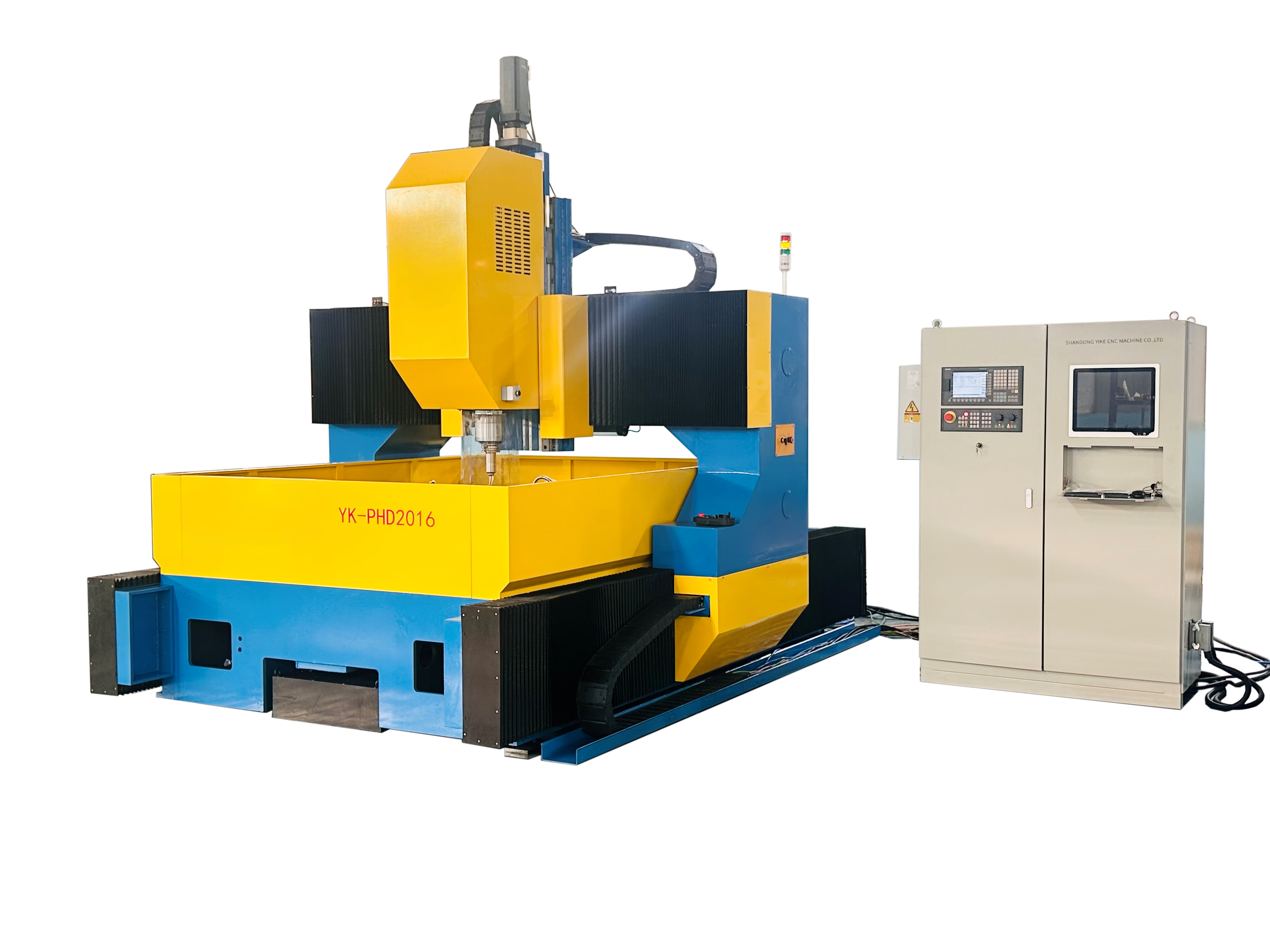
1.3 The swivel arm moves up and down along the outer column. High Speed CNC Drilling And Milling Machine For Steel Plates/ Flanges/ Tube Sheets1.Model: YK-PHD1010/ YK-PHD1616/ YK-PHD2016/ YK-PHD3016/ YK-PHD4016
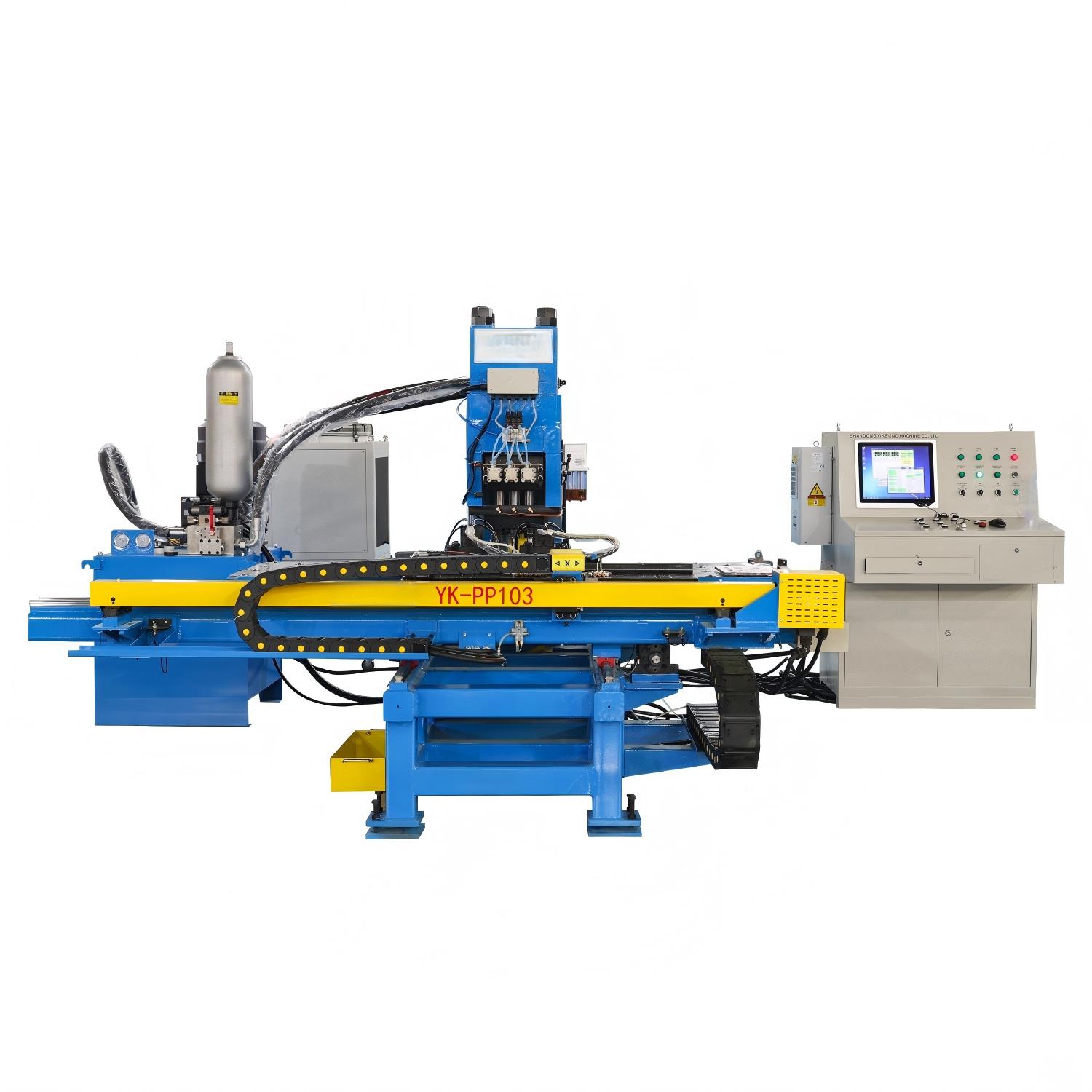
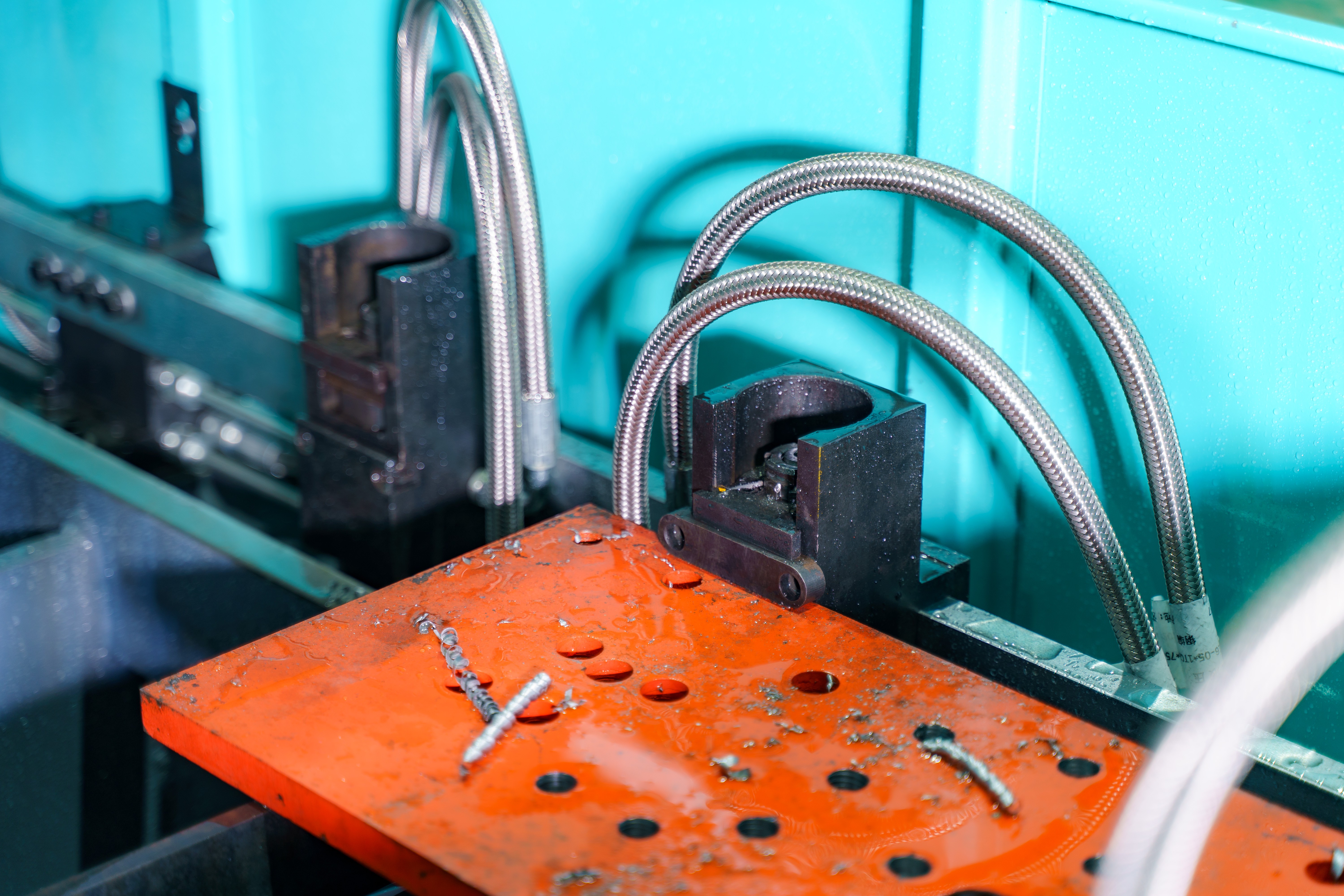
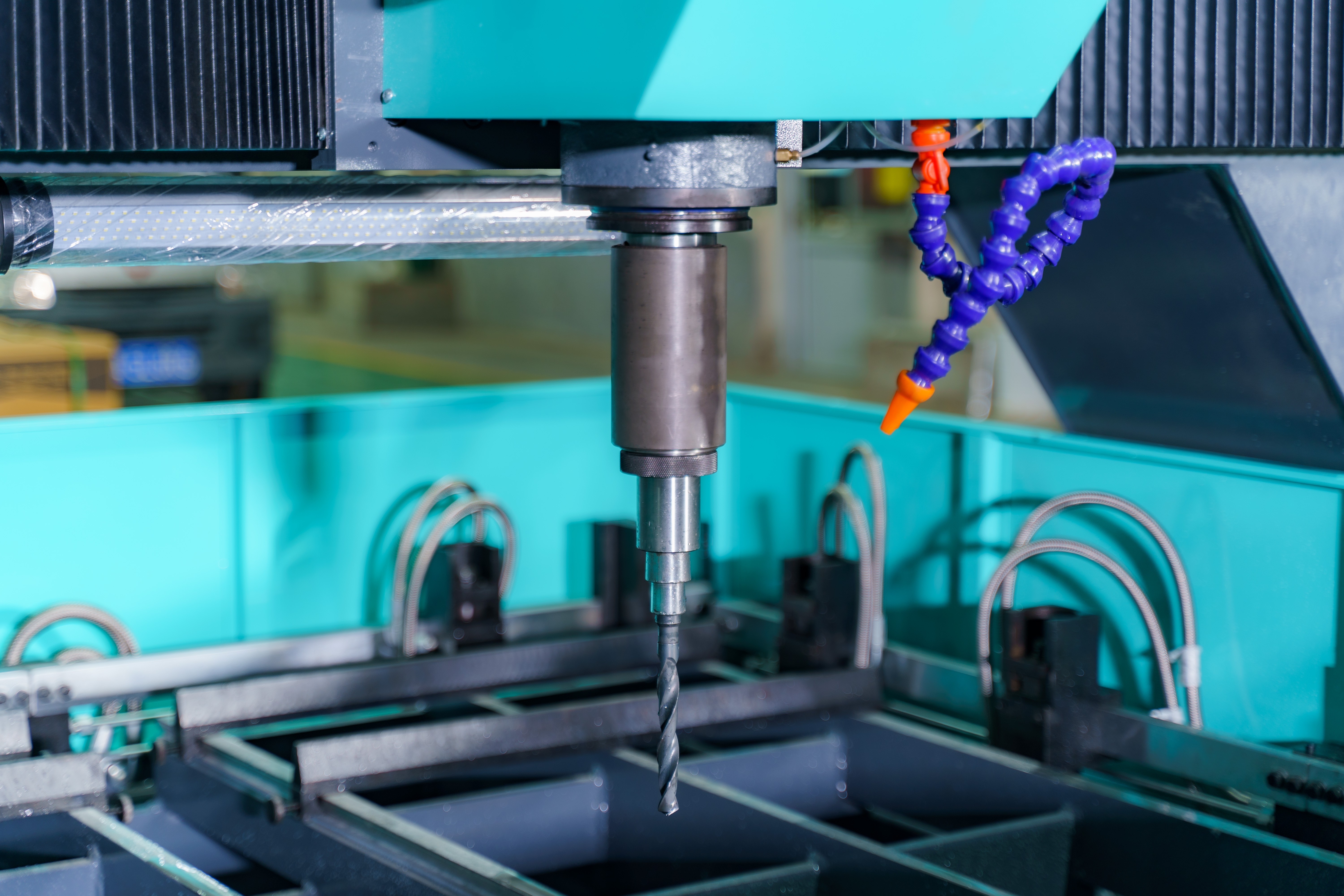
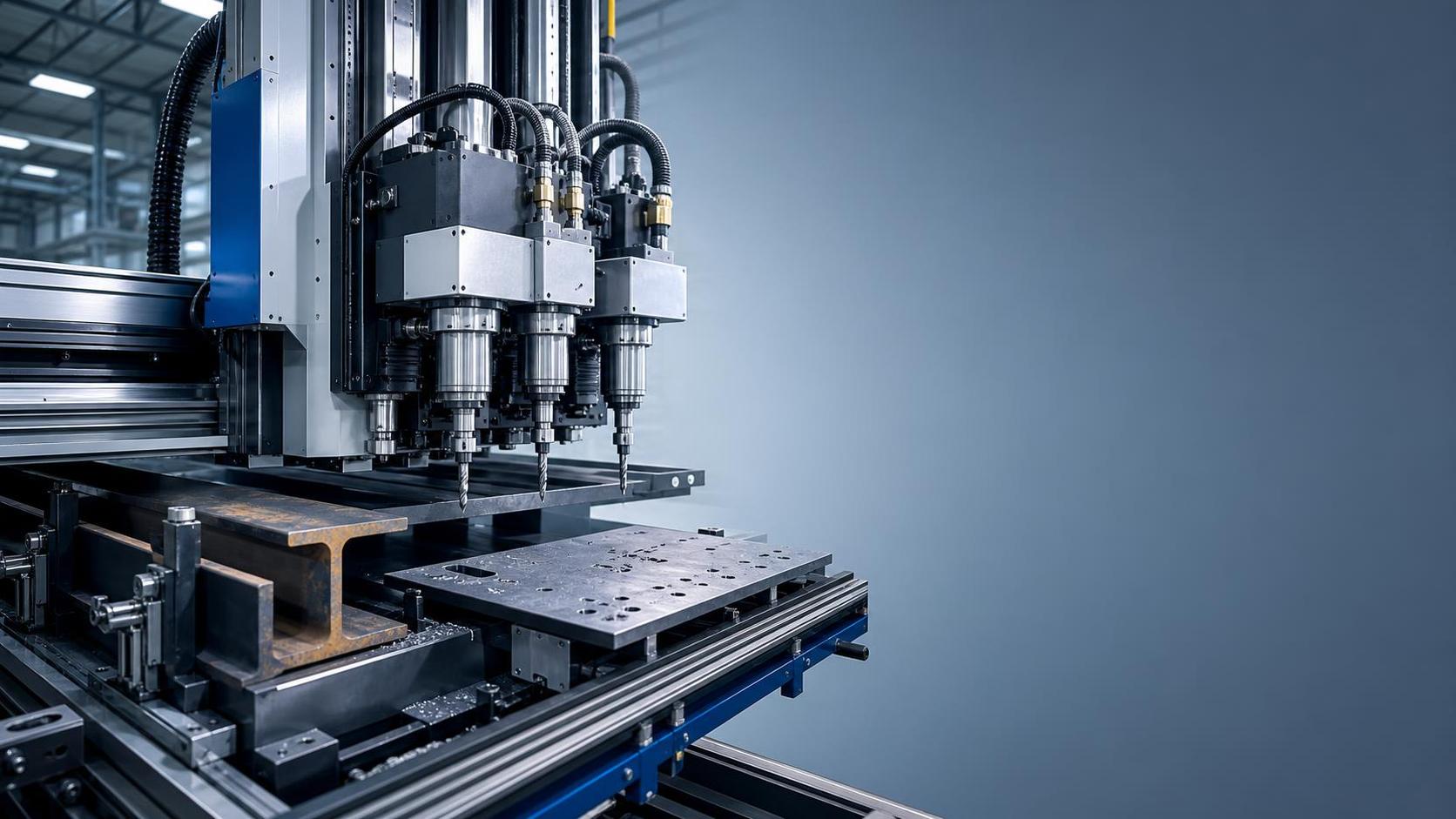
2.This machine is a gantry mobile CNC high-speed drilling and milling machine. It is mainly used for drilling, tapping and milling of workpieces such as steel plates, flanges, heat exchangers, tube sheets, and slewing supports. Carbide drills can be used for high-speed drilling with internal cooling. This machine is equipped with KND or Siemens CNC system bus control, convenient operation, can achieve automation, high -precision, multi -variety, small and medium -sized production. CNC Punching And Marking Machine For Steel PlatesModel: YK-PP103/ YK-PPR103/ YK-PP104/ YK-PPR104
Special CNC machine for punching and marking of steel plates in the field of steel tower industry. It is also used to punch and mark of steel plates of other industries.") CNC Drilling Machine For Steel Plates (Normal Speed)Model: YK-PD2012/ YK-PD2016/ YK-PD3016/ YK-PD4016/ YK-PD2020-2
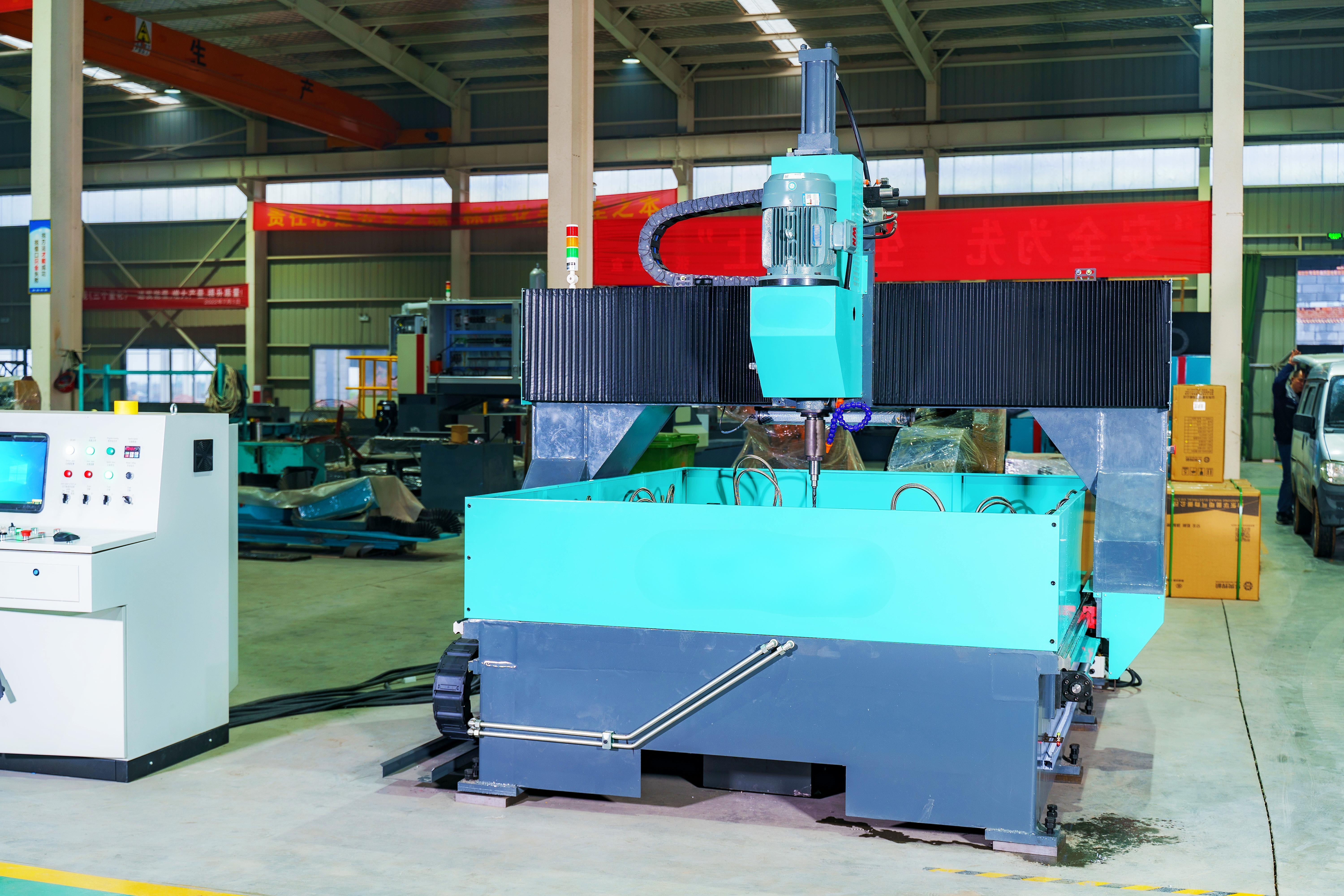
CNC Drilling Machine For Steel Plates (Normal Speed)Model: YK-PD2012/ YK-PD2016/ YK-PD3016/ YK-PD4016/ YK-PD2020-2
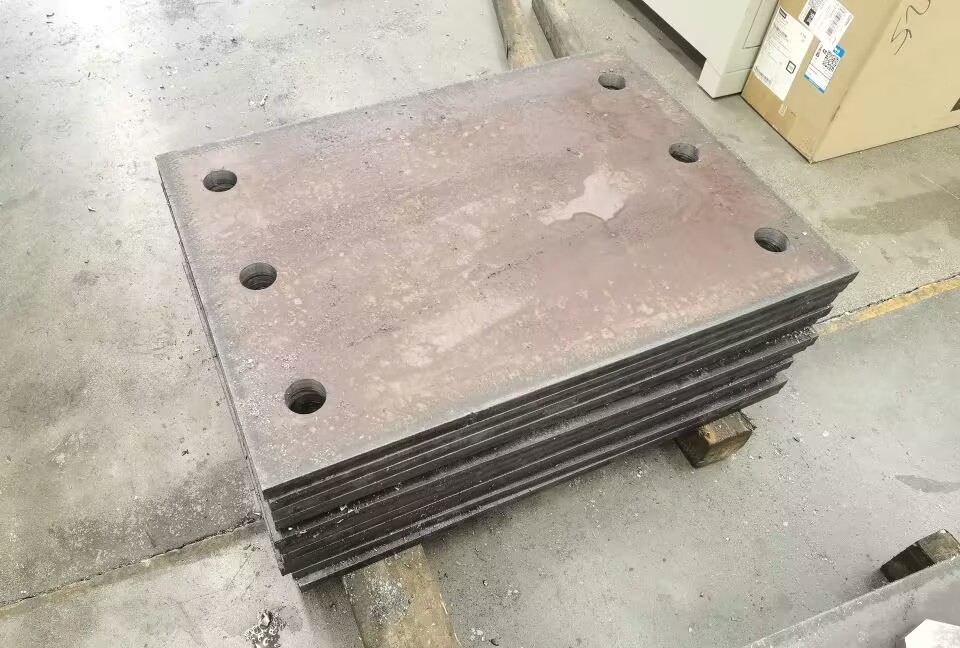
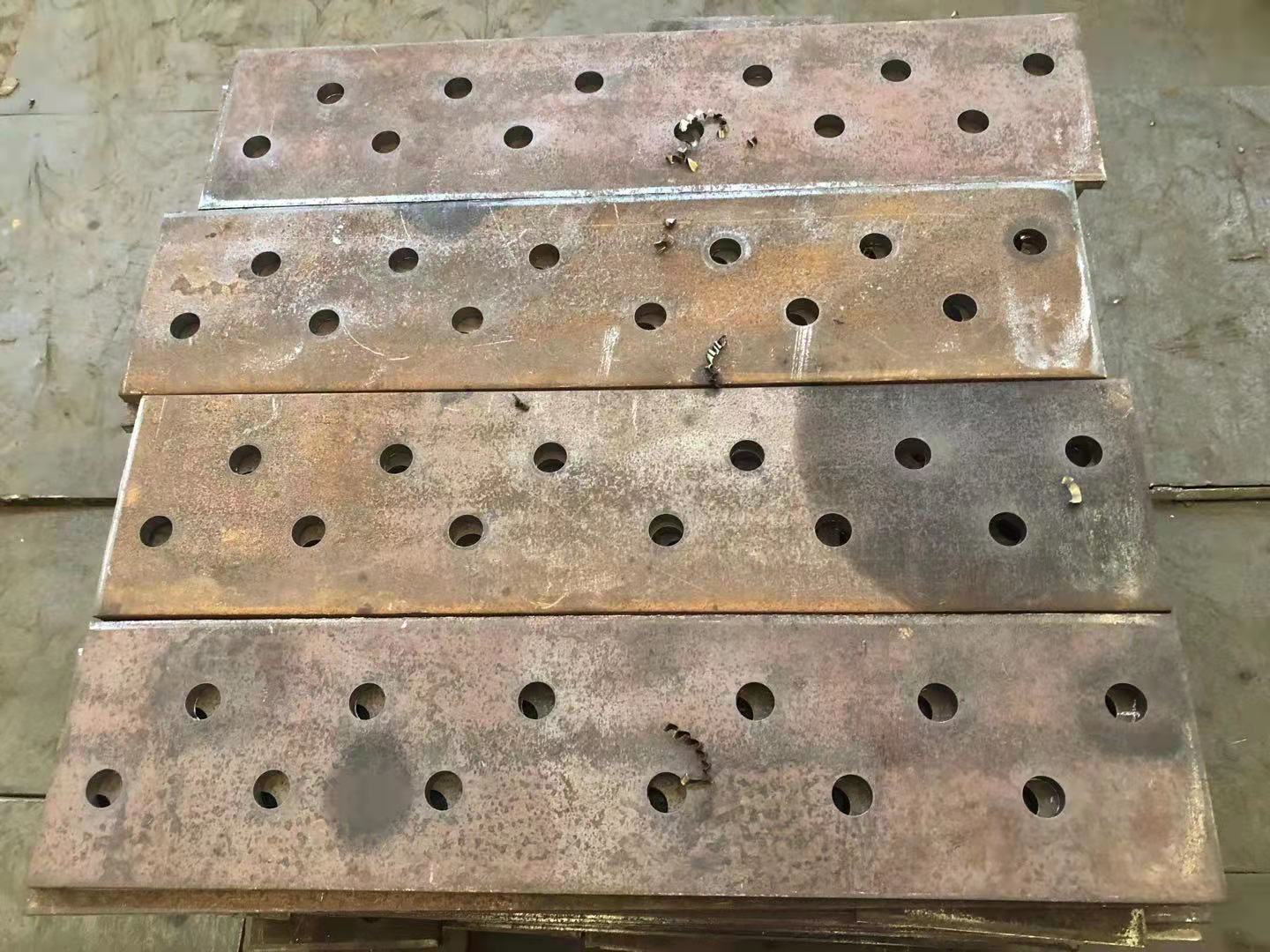
This is special CNC machine for drilling plates and flanges, mainly used in steel structure, tower, bridge and other industries.