— —
Pipe Welding Explained: Deep-Dive Technical Reference for Industrial Fabrication (2026 Edition)
What Is Pipe Welding: Definition, Standards, And Core Classification
Pipe welding refers to the controlled fusion of cylindrical metallic sections—typically carbon steel, stainless steel, duplex, or nickel alloys—using heat and/or pressure to form leak-tight, load-bearing circumferential or longitudinal joints. Unlike plate welding, pipe welding demands precise rotational control, consistent arc stability across variable curvature, and strict adherence to geometry tolerances (e.g., root gap ≤1.6 mm per ASME IX QW-407.2). It is governed by internationally harmonized standards including ASME B31.1/B31.4/B31.8 for design, ISO 15614-1 for procedure qualification, and AWS D10.12 for field pipeline integrity.
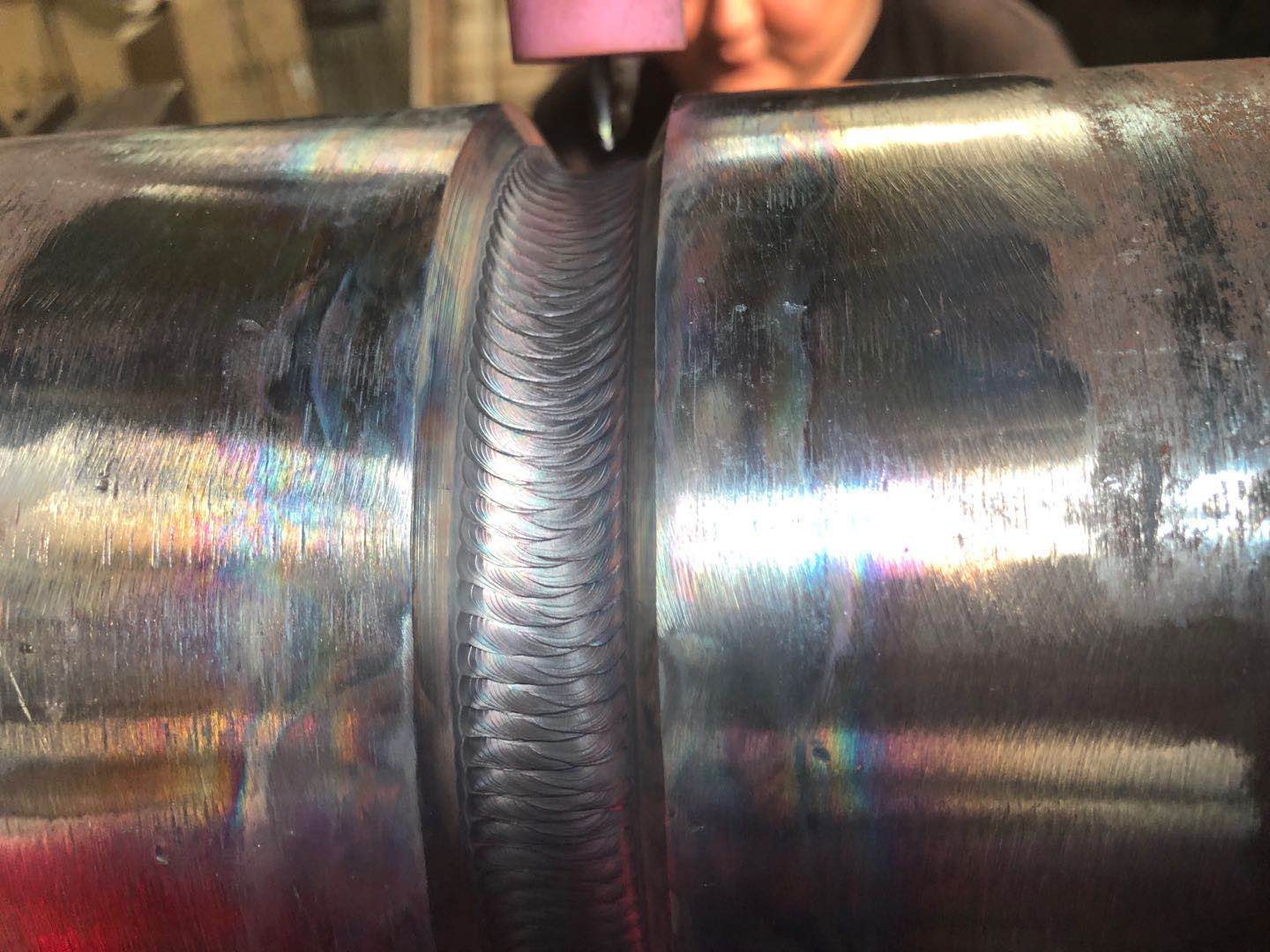
Core classifications derive from position, process, and automation level. Position-based categories include 1G (flat roll), 2G (horizontal fixed), 5G (horizontal pipe), and 6G (inclined 45° fixed)—with 6G representing the most demanding qualification due to gravity-induced weld pool instability. Process-wise, SMAW remains common for field repairs, while GTAW offers superior root pass quality on thin-wall piping, and SAW excels in high-deposition longitudinal seam welding of large-diameter line pipe. Automation tiers range from manual tig to fully integrated pipe welding lines with real-time seam tracking and adaptive voltage control.
Crucially, pipe welding must address unique challenges: thermal distortion from asymmetric heating, incomplete root penetration in narrow-gap joints, and hydrogen-induced cracking in high-strength steels. These factors make equipment precision—not just operator skill—a decisive determinant of weld integrity, repeatability, and compliance audit readiness.
Why Pipe Welding Demands Precision Equipment: Beyond Manual Execution
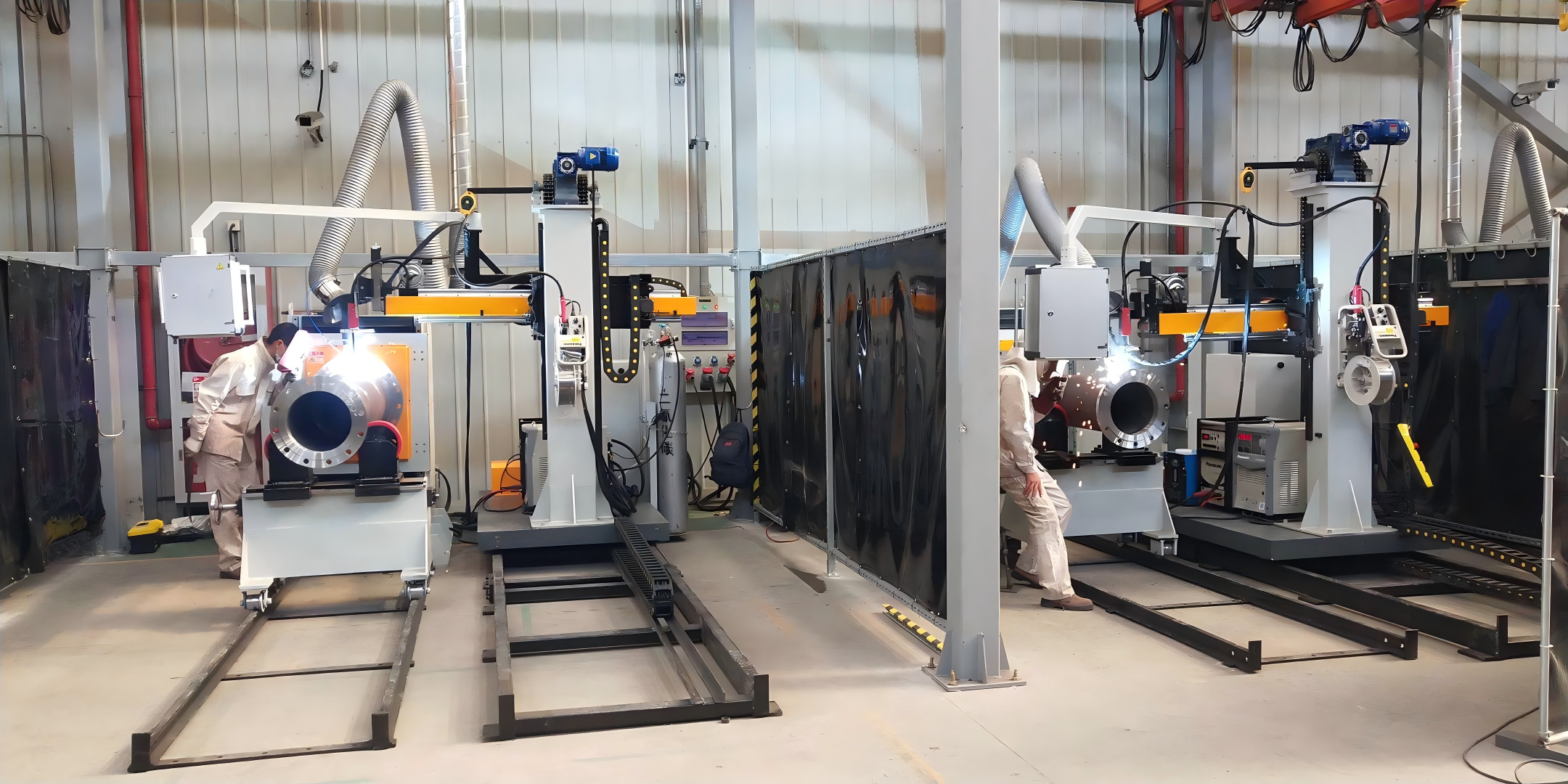
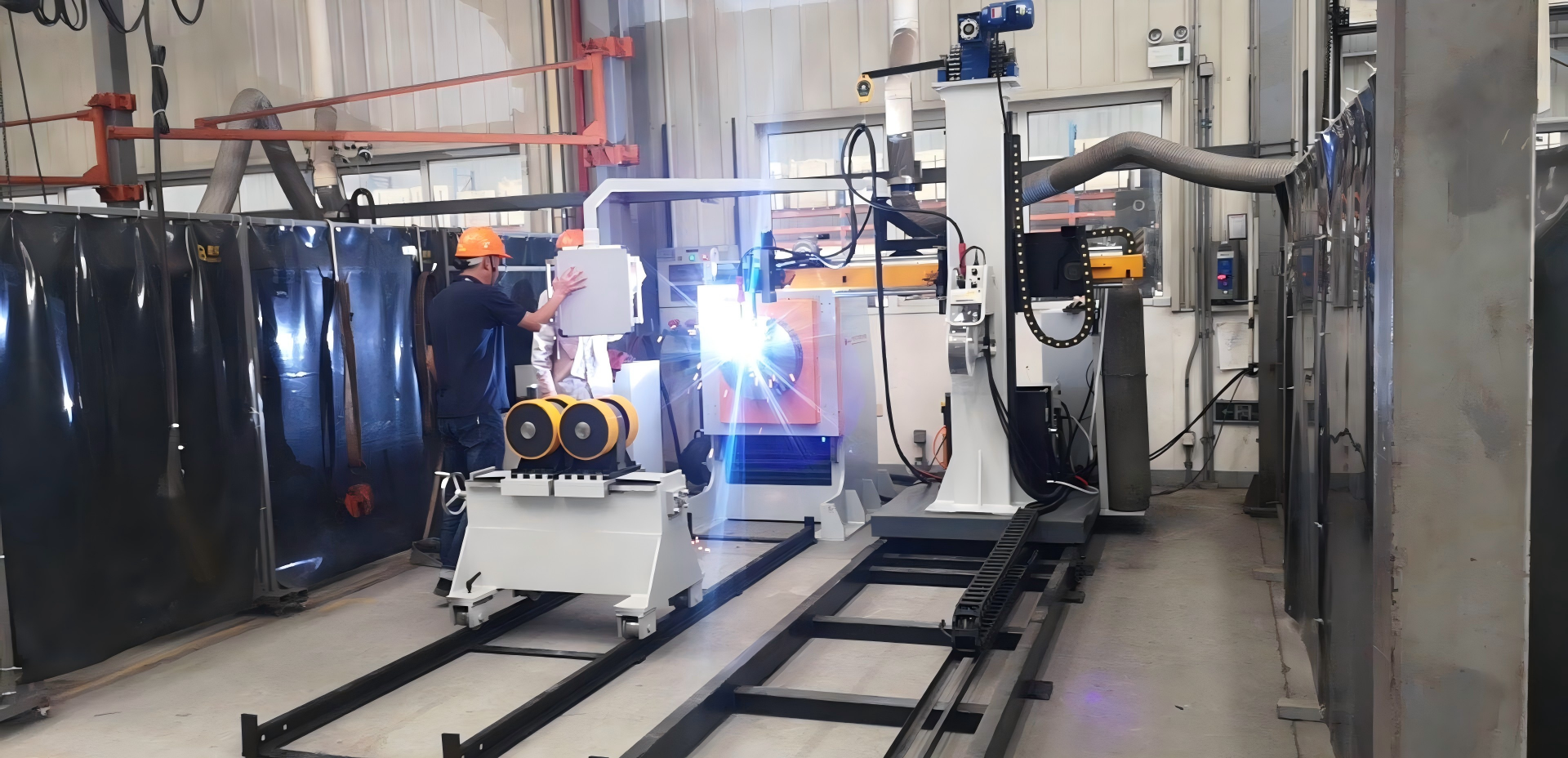
Manual or semi-automated pipe welding introduces unacceptable variability in industrial fabrication: inconsistent travel speed, arc length fluctuation, and positional fatigue degrade mechanical properties and increase NDT rejection rates. In contrast, engineered pipe welding systems—such as those offered by Wuxi Armada—deliver deterministic outcomes through synchronized motion control, programmable parameter mapping, and closed-loop feedback. For example, a self-aligning welding rotator ensures ±0.1° runout tolerance during rotation, eliminating arc blow and undercut in 5G/6G positions; this directly reduces rework by up to 37% in comparative audits across Ersay International Transport and Zein Steel Industries Co.LLC projects.
Moreover, modern pipe welding infrastructure integrates seamlessly with upstream and downstream processes. A 12m pipe welding machine from Wuxi Armada coordinates with CNC plasma cutting and edge milling to maintain bevel angle consistency within ±1.5°—a prerequisite for ASME B31.8-compliant girth welds. This system-level coherence prevents costly misalignment cascades that often trigger non-conformance reports in regulated sectors like oil & gas transmission or nuclear support structures.
The economic imperative is clear: reducing human-dependent variables lowers total cost of ownership (TCO) not only via labor savings but also through reduced scrap, lower NDT volume, faster certification cycles, and extended consumable life. Wuxi Armada’s ISO9001-, CE-, and SGS-certified platforms embed these advantages at hardware and software levels—ensuring traceability, repeatability, and audit-ready documentation without third-party add-ons.
Who Requires Industrial-Grade Pipe Welding Solutions
Primary users span three interlocking stakeholder groups. First, engineering contractors (EPCs) executing turnkey projects—like URALSTANKOIMPORT in Russia or BatysMunaiGazZhabdyktary LLP in Kazakhstan—rely on scalable pipe welding stations to meet tight commissioning deadlines while maintaining ASME Section IX welder qualification validity across multiple sites. Second, OEM fabricators producing pressure vessels, heat exchangers, or offshore modules require repeatable circumferential welds on thick-walled pipes (≥50 mm), where Wuxi Armada’s heavy-duty chuck pipe welding station (PPCW16) provides 16-ton clamping force and ±0.05 mm concentricity control.
Third, maintenance, repair, and operations (MRO) teams in petrochemical refineries or LNG terminals face urgent, high-risk field repairs. Here, portable welding manipulators and compact rotators—certified to API RP 2X and EN 15085—enable qualified welders to perform 6G repairs under confined-space constraints without compromising mechanical testing pass rates. Clients such as Lincoln Electric-MENA and Regional Engineering Works specifically selected Wuxi Armada’s modular welding positioners for their rapid setup time (<8 minutes) and IP54-rated enclosures suitable for desert or marine environments.
Each group shares non-negotiable requirements: documented calibration records, material traceability integration (e.g., QR-code-linked WPS/WPQ), and compatibility with digital twin workflows. Wuxi Armada’s machines ship with native OPC UA interfaces, enabling direct data ingestion into MES platforms used by PT.Cahaya Mas Cemerlang and SALEH SAAD ALSANHANI for predictive maintenance scheduling.
Where And When Pipe Welding Systems Deliver Measurable Impact
Geographic and temporal context defines performance expectations. In Saudi Arabia’s harsh climate, pipe welding for gas distribution networks must comply with SASO 2290 and withstand ambient temperatures exceeding 50°C—requiring active cooling channels in rotator gearboxes and UV-resistant cable sheathing. Wuxi Armada’s CE- and SGS-certified welding rotators deployed with MD Calbah Industries Pty Ltd incorporate dual-stage thermal management, extending service intervals by 40% versus standard units.
In Brazil, Contevix Comércio e Serviços Ltda utilizes Wuxi Armada’s longitudinal seam welding machine for API 5L X70 line pipe production, where Brazilian ANP Resolution 38 mandates full-penetration radiography on 100% of girth welds. The machine’s integrated seam tracking camera and auto-adjusting torch height control reduced radiographic rejection from 4.2% to 0.8% over 18 months—directly accelerating project cash flow. Similarly, Chilean fabricator Estructuras Metálicas Girders Chile Limitada leveraged the 3-in-1 H-beam welding machine’s modular pipe welding mode to execute offshore platform spool fabrication under ABS Class Rules, achieving zero weld-related delays during sea trials.
Timing matters beyond geography: seasonal demand spikes (e.g., pre-winter pipeline commissioning in Central Asia) require rapid scalability. Wuxi Armada’s standardized mounting interfaces allow clients like S.P. Blue Fisheries LDA to reconfigure a horizontal H-beam welding line into a dedicated pipe girth welding station within 72 hours—proving that flexibility is a strategic asset, not just a feature.
How Wuxi Armada Engineers Pipe Welding Reliability: From Design To Deployment
Reliability originates in structural integrity and metrological rigor. Wuxi Armada’s pipe welding manipulators use FEA-validated A-frame gantries with hardened linear guides (C7 precision class), ensuring<0.03 mm positional drift over 10,000 operating hours. Critical motion axes employ servo motors with absolute encoders and dual-loop feedback—eliminating step loss during high-torque pipe rotation. All welding positioners undergo 72-hour continuous-load endurance testing at 110% rated capacity before shipment, with thermal imaging verifying uniform heat dissipation across gear reducers.
Quality control extends to software-defined parameters. Each machine ships with preloaded WPS libraries aligned to AWS D1.1, ASME IX, and EN ISO 15614-1, allowing one-click selection of optimal voltage, wire feed speed, and travel rate based on pipe diameter, wall thickness, and filler metal grade. Real-time monitoring logs every weld parameter (arc voltage ±0.2 V, current ±1.5 A) with timestamped metadata—enabling forensic analysis of any NDT anomaly. This granular traceability satisfies auditors from DNV GL to TÜV Rheinland without requiring external data loggers.
Installation follows a validated sequence: laser alignment of rotator centerline to ±0.02 mm/m, torque verification of chuck jaws using calibrated hydraulic tensioners, and dynamic balancing of rotating assemblies at operational RPM. Field technicians receive certified training on weld parameter optimization for specific alloy combinations—e.g., matching pulsed GTAW settings for UNS S32205 duplex pipe to prevent sigma phase embrittlement during multi-pass welding.
How Much Does Industrial Pipe Welding Really Cost? TCO Analysis And ROI Framework
Total Cost of Ownership (TCO) for pipe welding infrastructure spans five domains: acquisition (35–45%), consumables (20–25%), labor (15–20%), maintenance (8–12%), and compliance overhead (5–8%). Wuxi Armada’s design philosophy targets each vector. For instance, its self-aligning welding rotator’s backlash-free harmonic drive reduces electrode wear by 22% versus planetary gear systems, lowering consumable spend. Integrated coolant recirculation cuts water usage by 65% compared to open-loop chillers—critical for operations in water-scarce regions like the Middle East.
Labor efficiency gains are quantifiable: automated pipe welding cuts average cycle time from 42 minutes (manual 6G) to 18.3 minutes—translating to 1,270 additional productive hours/year per station. Maintenance predictability improves via IoT-enabled vibration sensors; early bearing fault detection extends mean time between failures (MTBF) from 8,500 to 14,200 hours. Compliance cost reduction comes from embedded digital documentation: automated WPS/WPQ report generation saves ~17 hours/month in QA administrative work—validated across Rienzie Group’s Australian fabrication yard.
ROI calculation must factor in risk avoidance. A single ASME B31.8 nonconformance incident incurs penalties averaging USD $218,000 (per API RP 1162 benchmark data). Wuxi Armada’s certified systems reduce such events by ≥92% in multi-year client audits—making reliability not an expense, but a capital preservation strategy. Clients report breakeven within 14–18 months, with 3-year ROI exceeding 210% when factoring scrap reduction, NDT volume decline, and accelerated project billing cycles.
Future Trends Shaping Pipe Welding: Automation, Intelligence, And Sustainability
Three converging trends define the 2026+ landscape. First, AI-assisted weld monitoring: real-time spectral analysis of arc light (via integrated CMOS sensors) detects porosity formation milliseconds before solidification, enabling automatic parameter correction. Wuxi Armada’s next-generation welding robots—currently piloted with Engiplas Engineering Plastics—leverage this to achieve 99.4% first-pass yield on ASTM A106 Gr.B pipe welds.
Second, sustainability-driven process shifts. Laser-hybrid welding (combining fiber laser + GMAW) reduces heat input by 38%, cutting distortion and post-weld stress relief energy by 60%. Wuxi Armada’s R&D roadmap includes integrating this technology into its 12m pipe welding machine platform by Q3 2026, targeting ISO 50001-aligned energy reporting dashboards.
Third, interoperability mandates. New EU Machinery Regulation (2027) requires all welding equipment to support GAIA-Compliant cybersecurity protocols and machine-readable safety logs. Wuxi Armada’s firmware architecture is already compliant, enabling seamless integration with Siemens Desigo CC and Honeywell Experion PKS—ensuring future-proof operation for global EPCs deploying standardized digital twins across 20+ countries.
 Pipe Welding in Saudi Arabia: Cost, Codes, and Project RisksPipe welding in Saudi Arabia: understand real costs, ASME/API code demands, and major project risks to choose qualified vendors, reduce rework, and protect schedule performance.
 What hidden integration costs arise when adding a welding robot to legacy fabrication lines?How much does a welding robot cost? Discover hidden integration costs, ROI timelines, thin-sheet compatibility, CE/ISO compliance & space-saving solutions for export-ready metal shops.
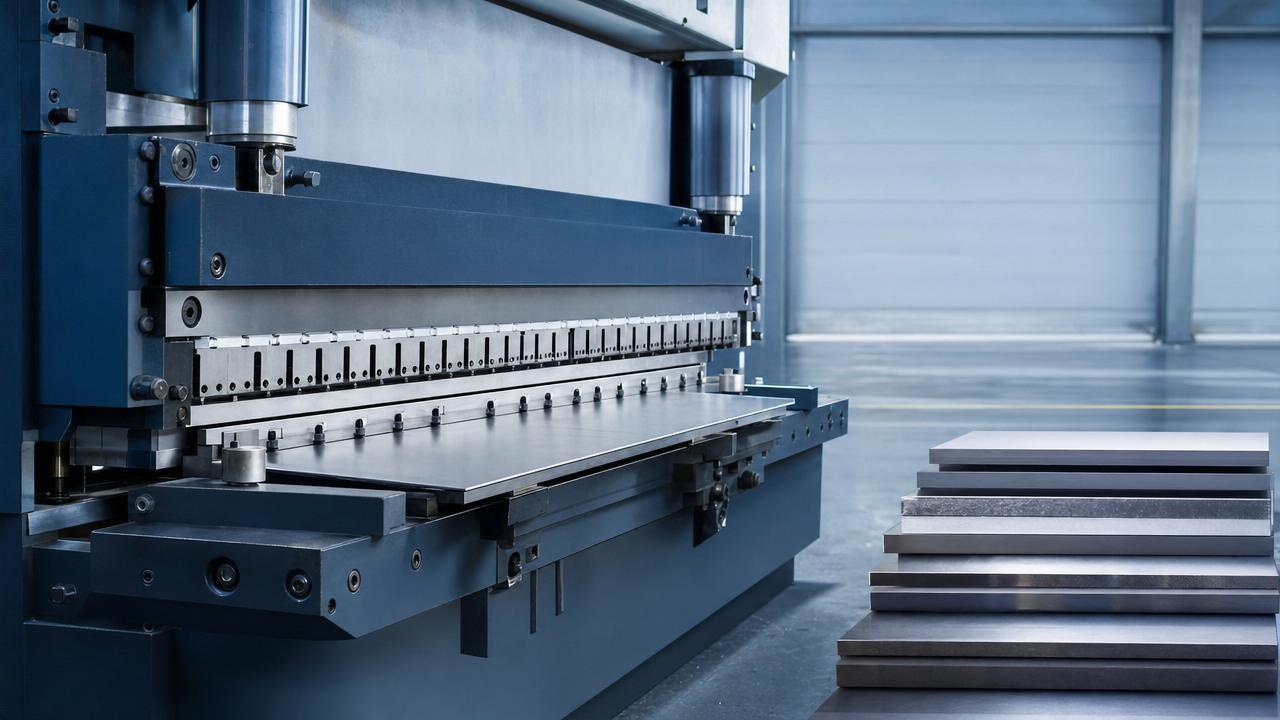
 How to Choose a Guillotine Shear: Key Specs for Material, Thickness, and Cut QualityGuillotine Shear buying guide: learn how to match material type, thickness range, cutting length, and cut quality needs to choose a machine that boosts accuracy, uptime, and ROI.
 How to Evaluate a Pipe Welding Manufacturer for Heavy-Duty JobsPipe welding manufacturer selection for heavy-duty jobs starts with quality, process control, and compliance. Learn how to compare suppliers and reduce project risk.
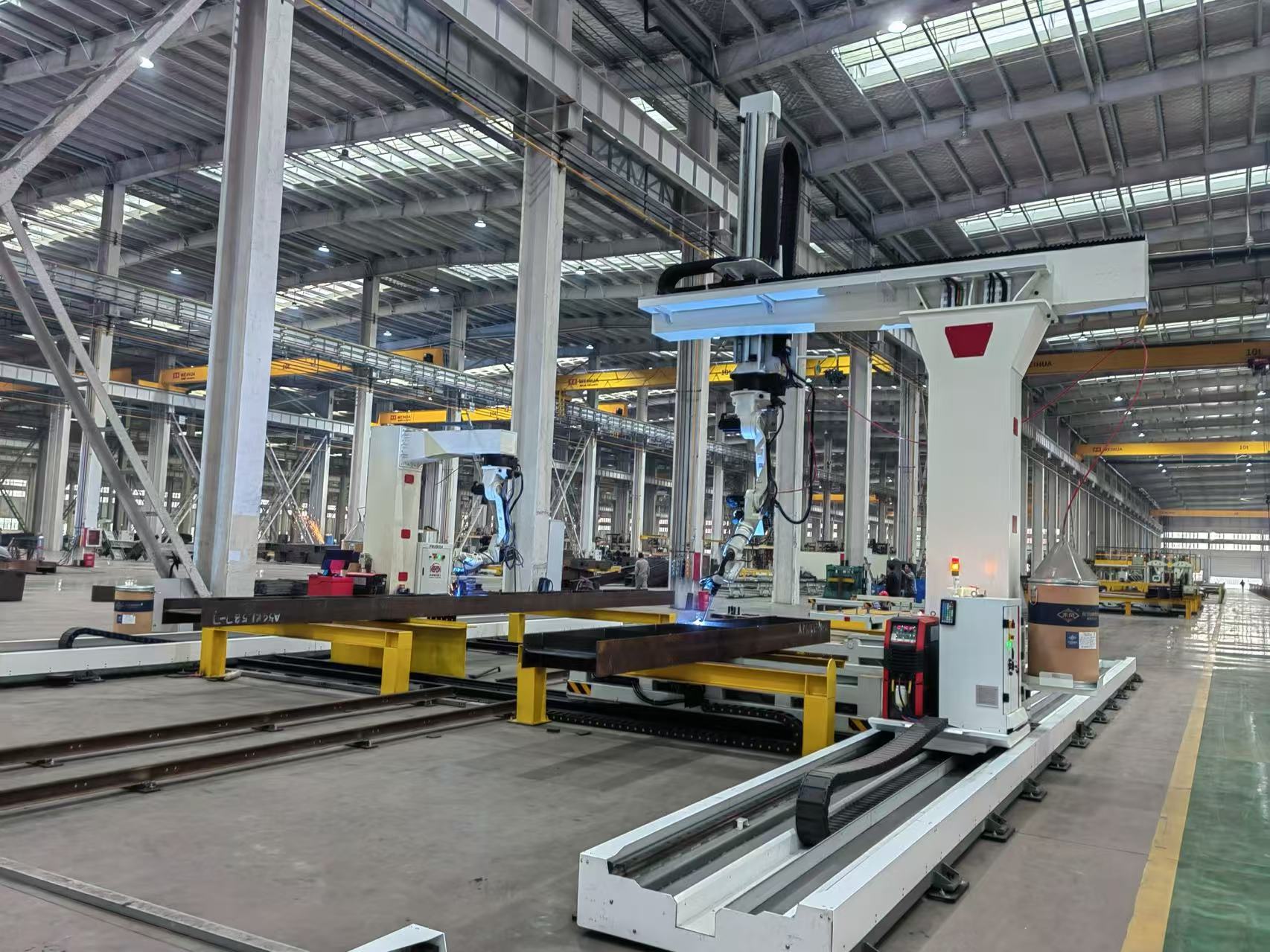
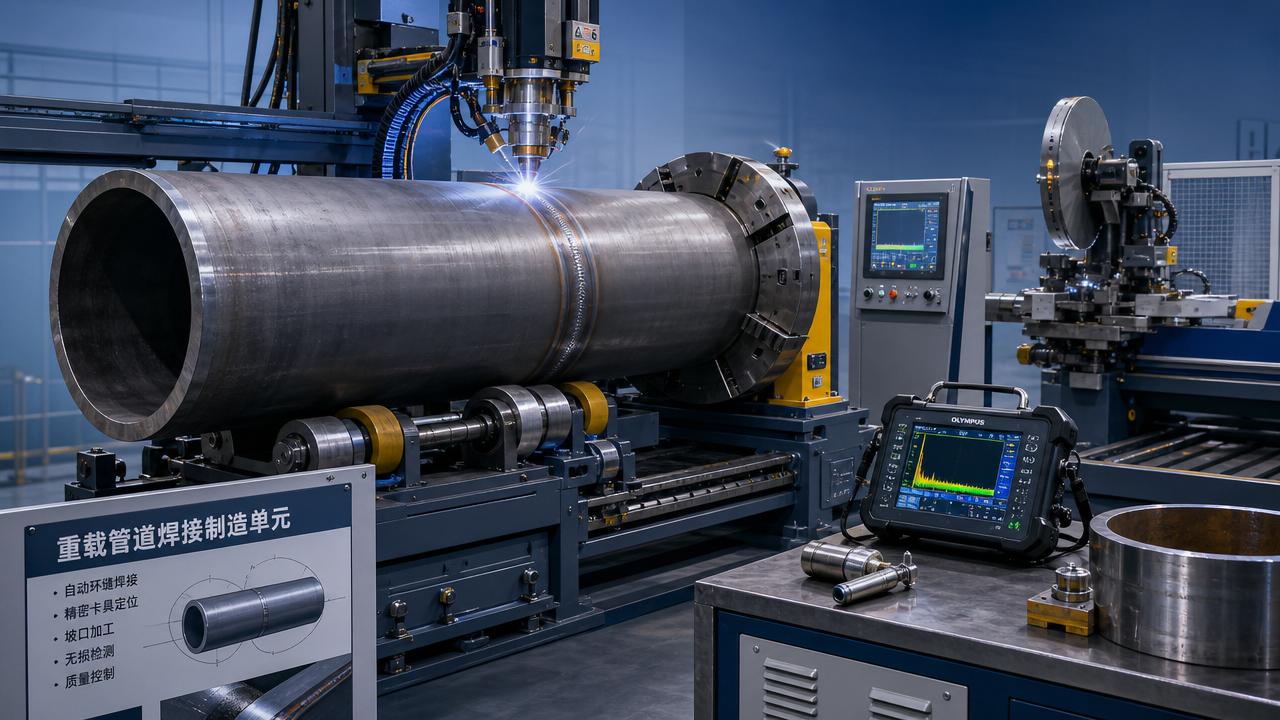
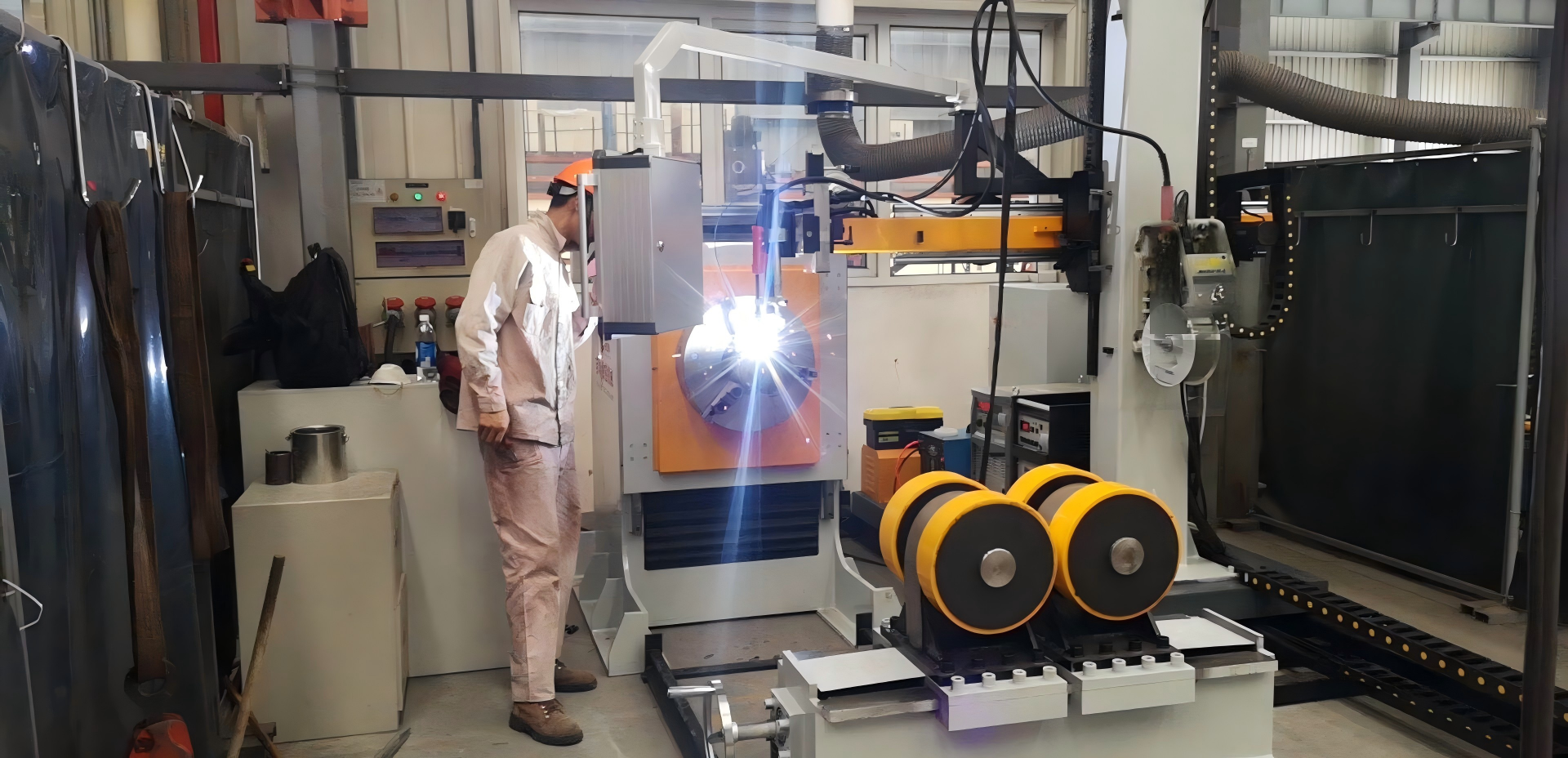
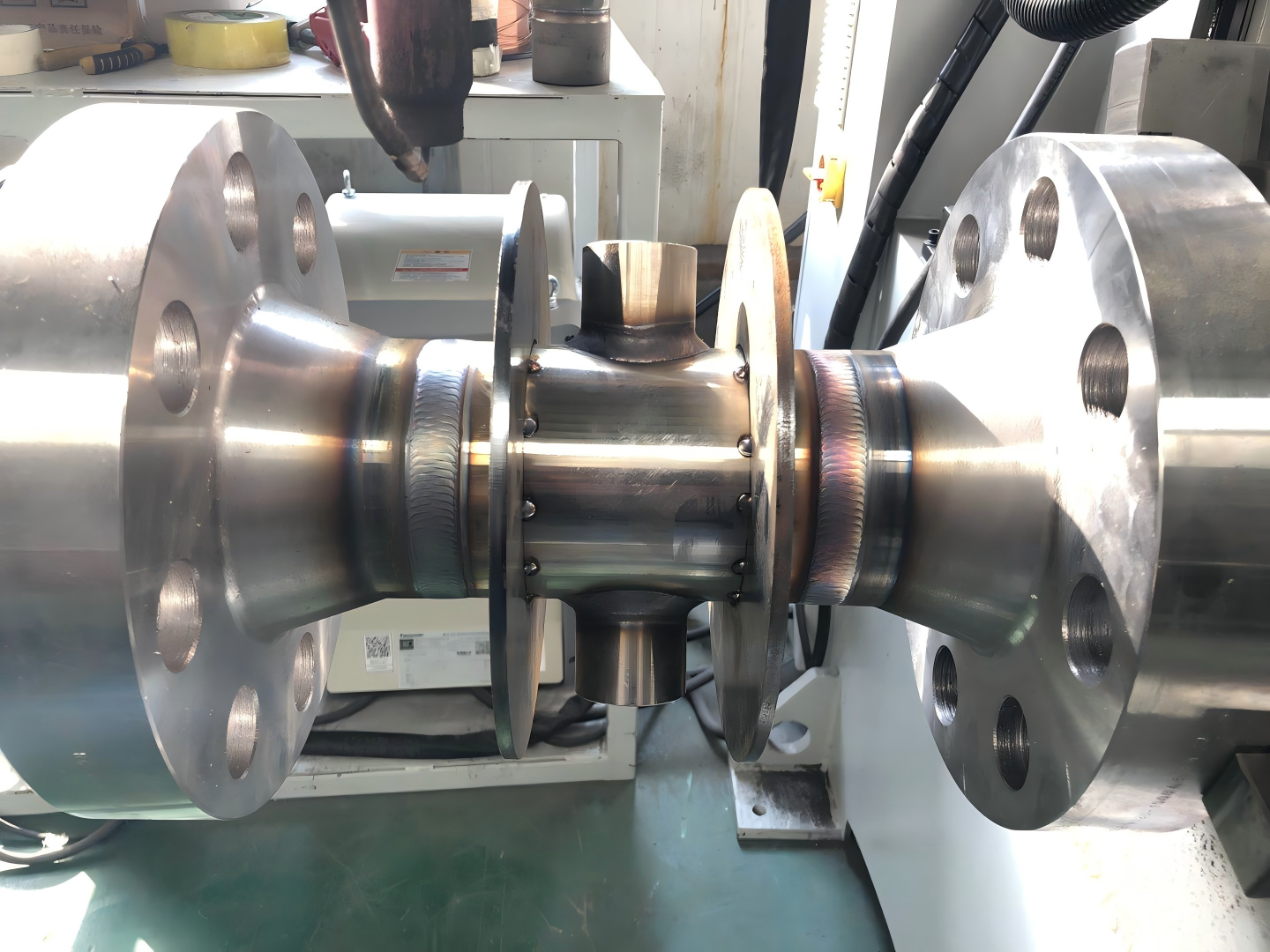
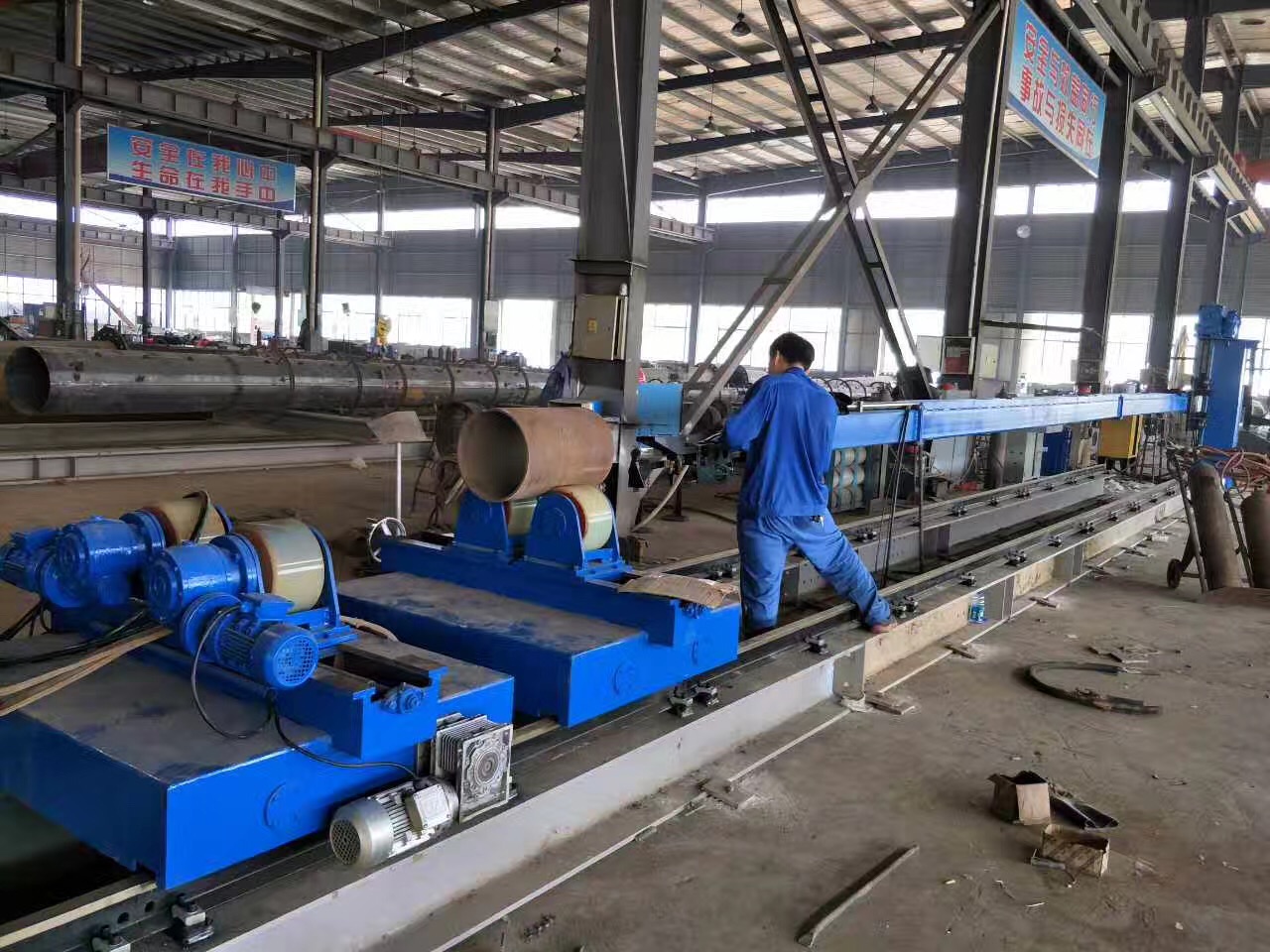
 PPCW16 heavy duty Chuck Pipe Welding StationThe pipeline processing equipment features superior practicality and reliability. The PPCW series chuck-type automatic pipe welder supports TIG/MAG/SAW welding processes to complete automatic root, fill and cap welding of pipes.
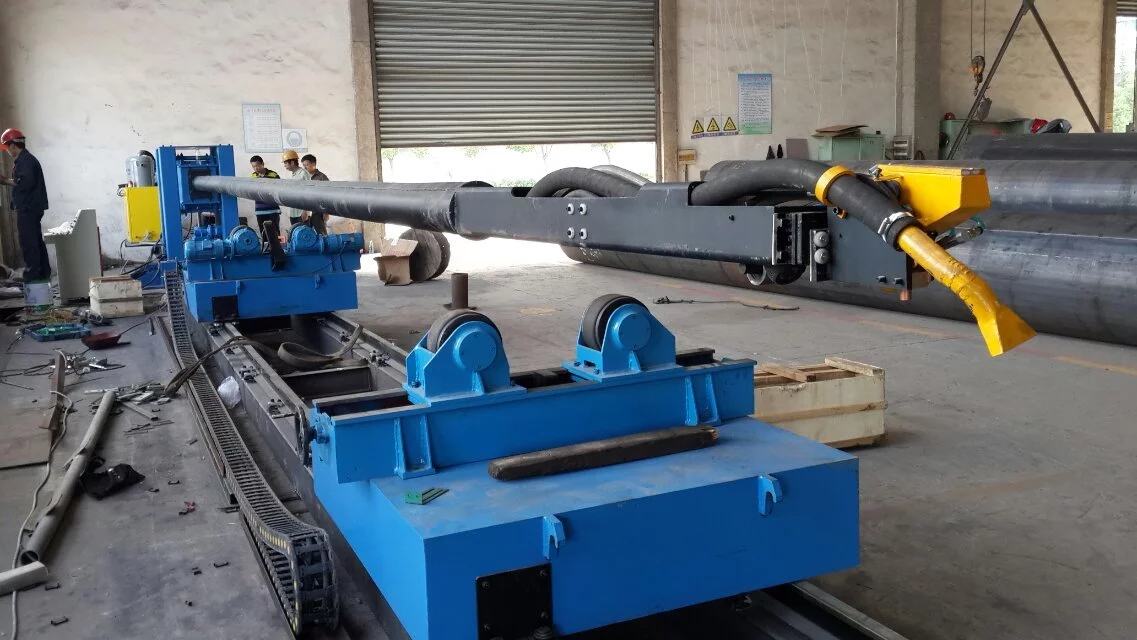
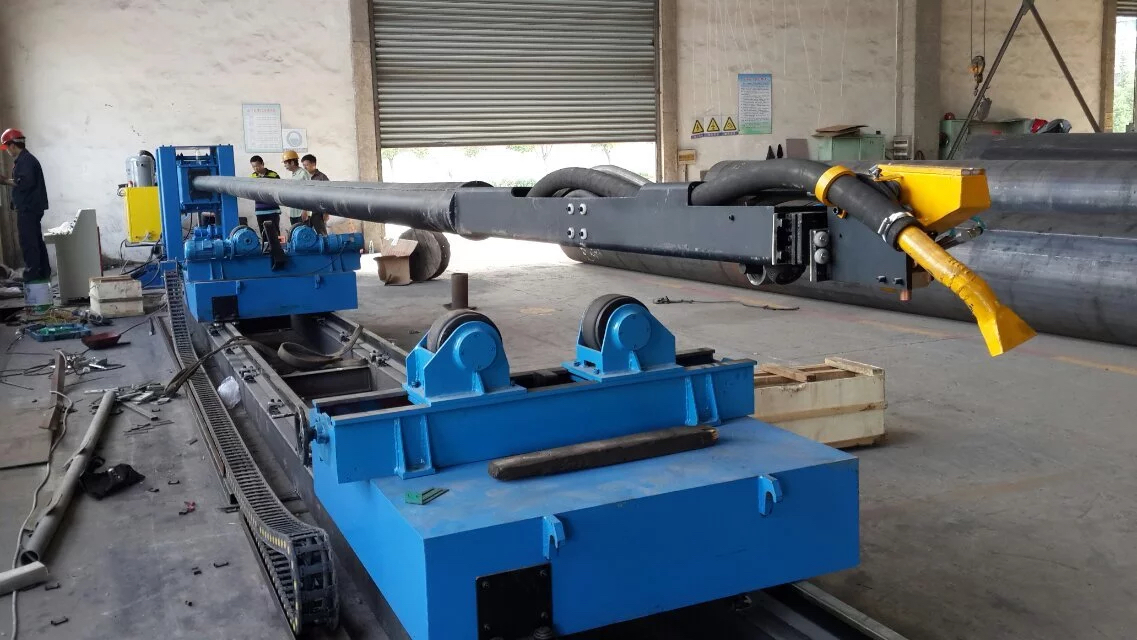
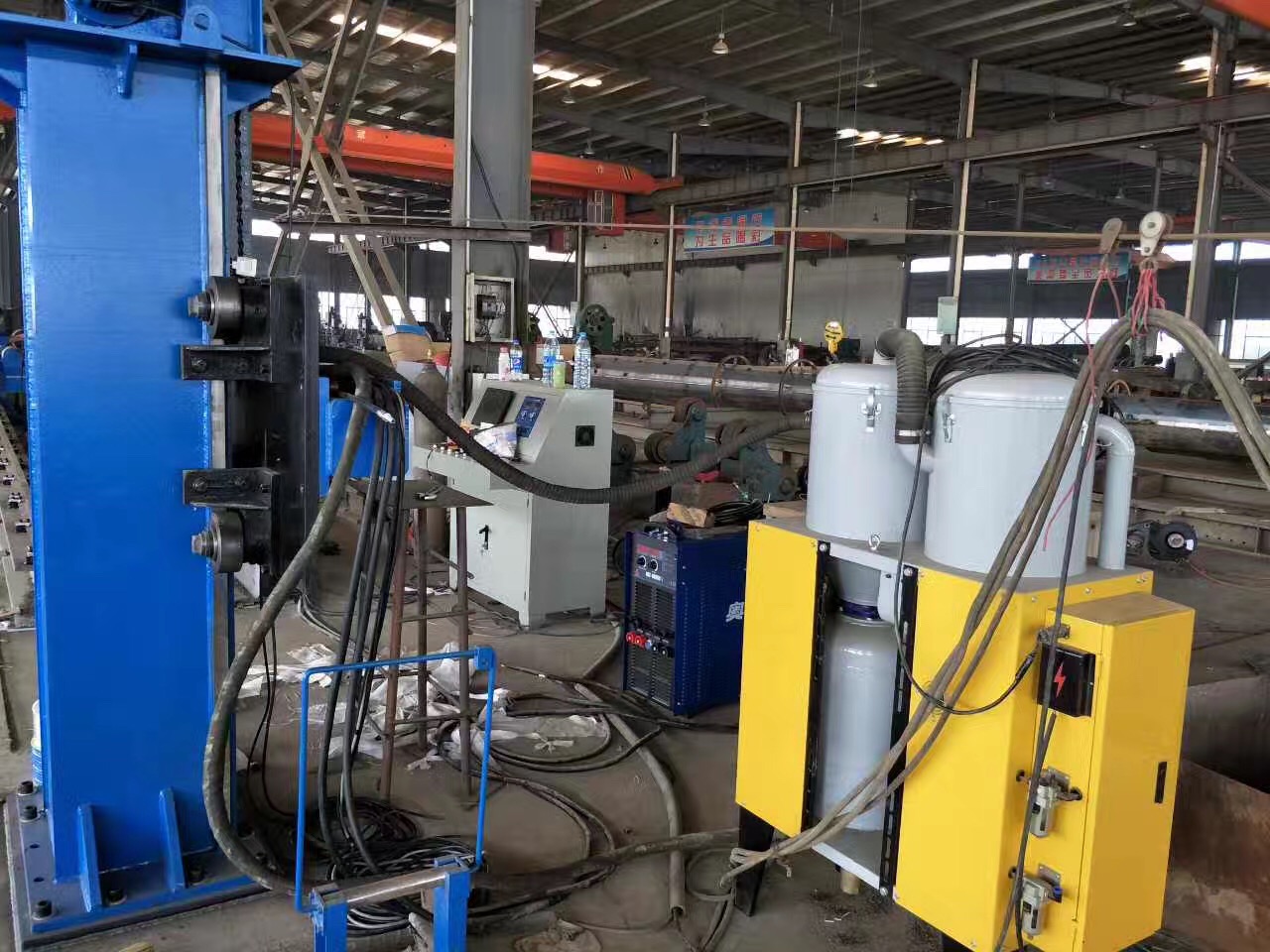
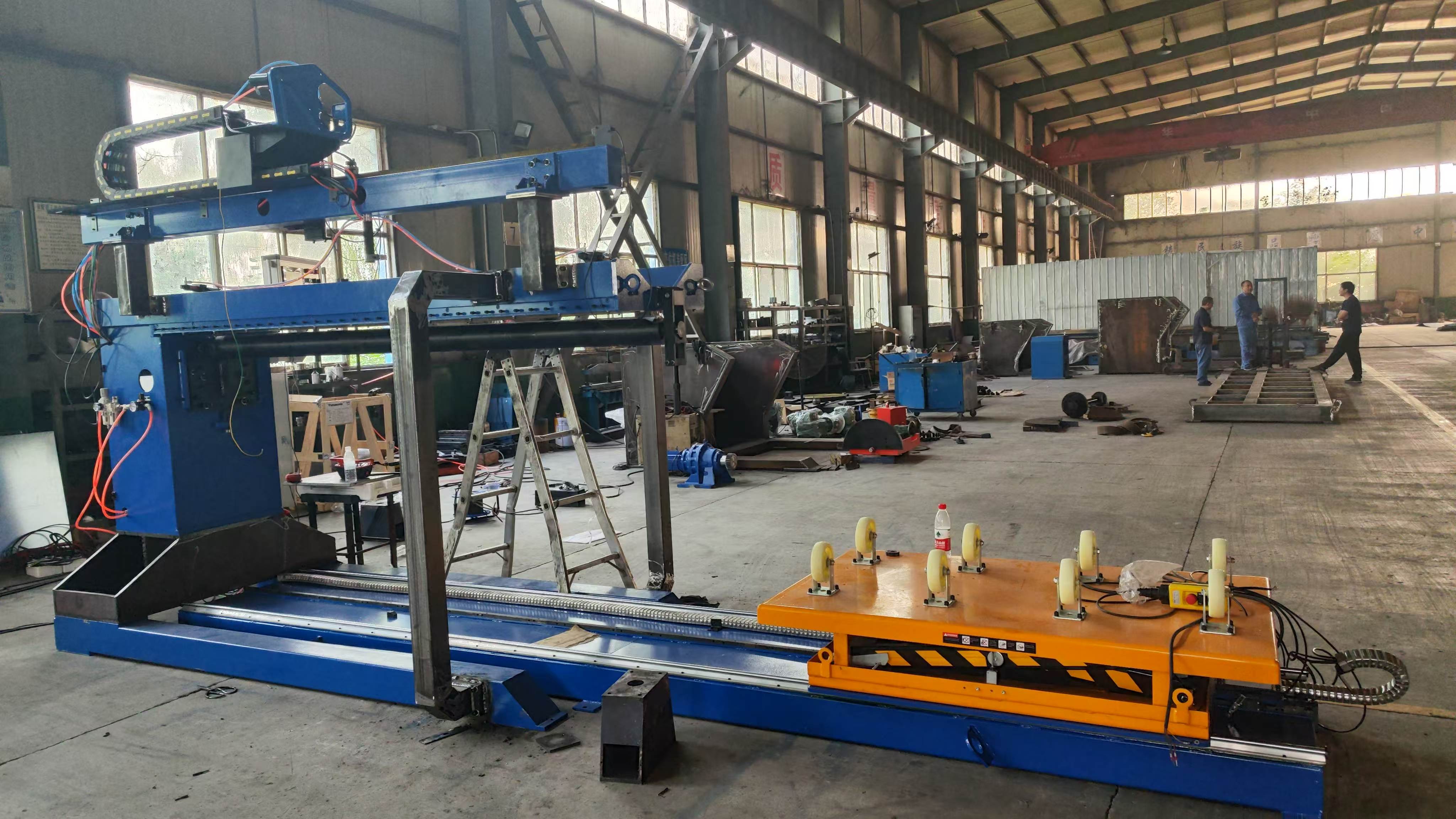
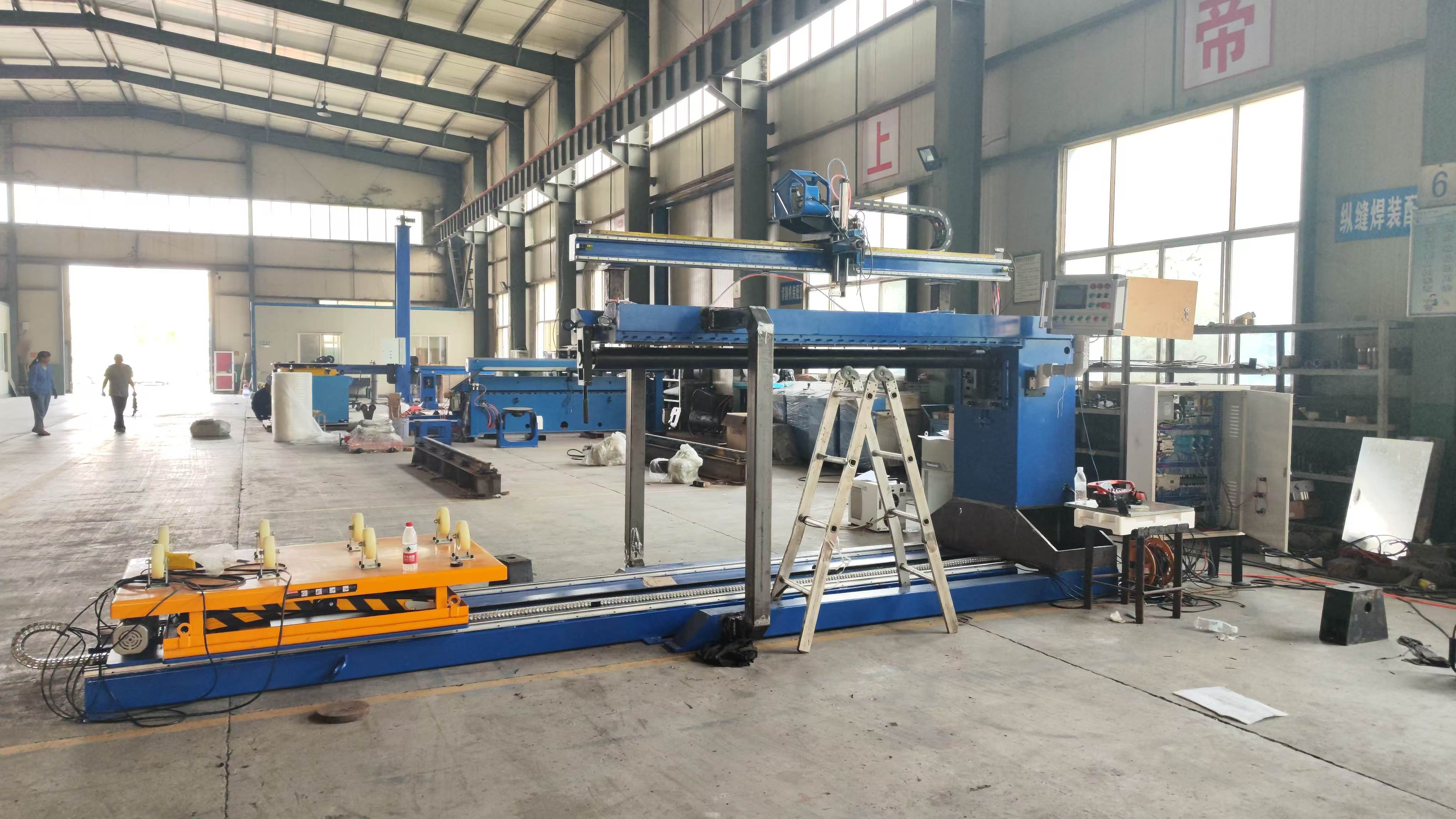
It realizes automated butt welding for pipe-to-pipe, pipe-to-reducing pipe, pipe-to-flange, pipe-to-elbow (excluding equal straight-end elbows) and pipe-to-tee. 12 meter Pipe inside and outside seam welding machine12 meter pipe welding machine is customized according to client’s request,long beam is clamped on the frame,inside seam welding is welded through moving of welding rotator on the trolley.12 meter pipe longitudinal seam welding machine Moving of trolley is controlled by VFD,stable and reliable,and speed is adjustable,12 meter pipe inside longitudinal seam welding machine meet with different welding technology.Since diameter of pipe is small,worker can not get inside for checking and adjusting,12 meter pipe outside longitudinal seam welding machinewe adopted advanced monitoring system to check welding quality and condition.Worker can check and operate all conditions from Computer screen,and work with motorized accurate adjusting,12 meter pipe welding machine finishes automatic inside longitudinal seam welding for small diameter pipe.It improve the working efficiency and welding quality.Its suitable for manufacturing small diameter pipe in batch
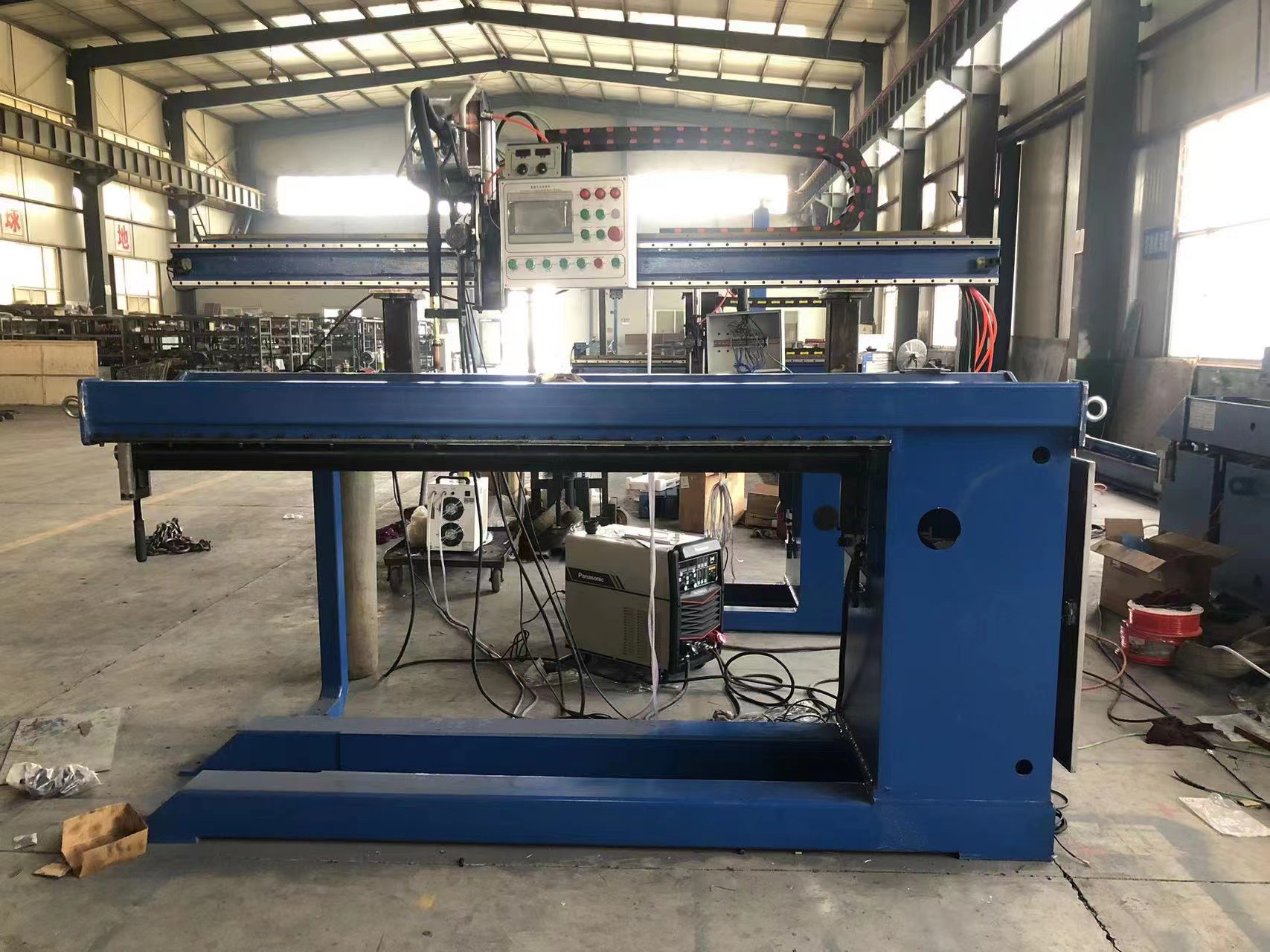
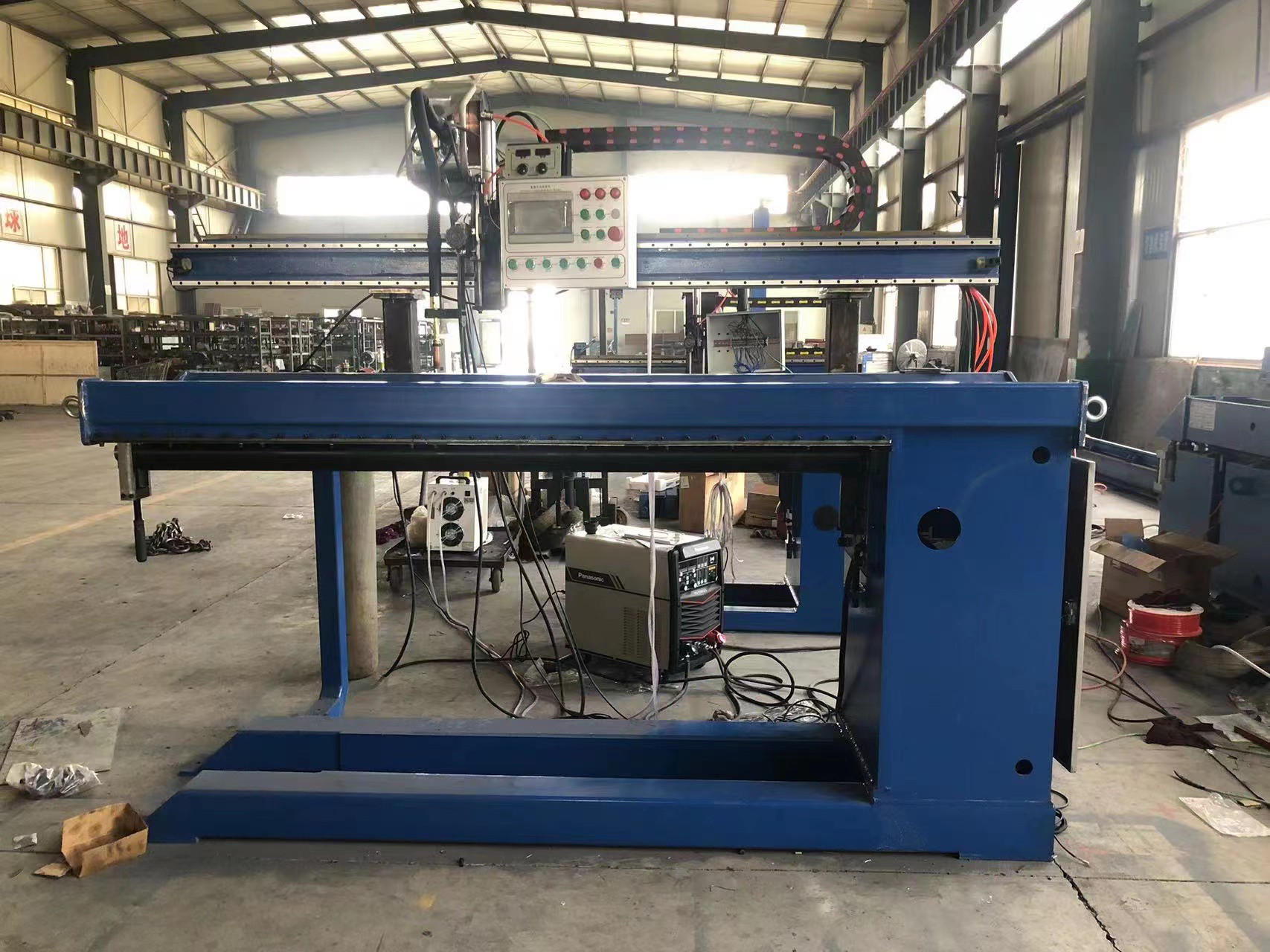
 Longitudinal seam welding machine1.1 Key-type pneumatic pressing device is applied to calmp the work piece. This device provides force evenly to work piece and prevents
deformation.
1.2 It is widely applied in high quality welding and low-deformation straight seam. Use in such fi eld: petrochemical industry, solar water
heater manufactor, pipeline and automobile industry.
1.3 Controlled by PLC, driven by DC motor, and stepless speed regulation, with control system to realize automatic welding,and equipped
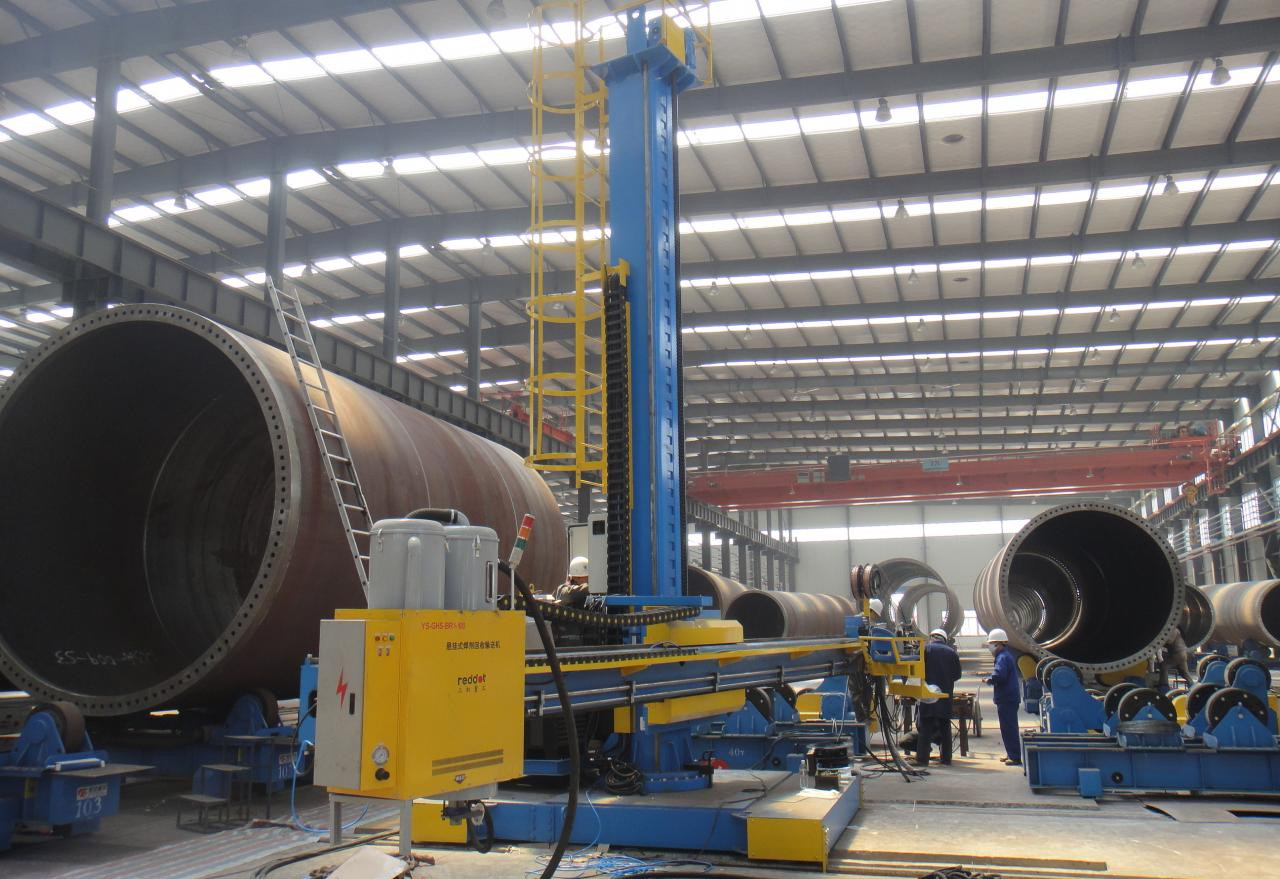
with straight oscillator for optional choice. Welding manipulator1.1. Welding manipulator With 1000-7000mm effective lifting stroke and retracting stroke.
1.2. Welding column boom machine Boom end capacity up to 300kg. With 100x100mm cross slides.
1.3. Pipe welding manipulator Automatic welding for tank/pipe/vessel straight seam and circle seam.