— —
Edge Milling: The Complete 2026 Guide to Process, Machines, and Industrial Applications
What Edge Milling Means In Industrial Fabrication
Edge milling is a machining process used to prepare the edge of metal plates or structural parts before welding, assembly, or further processing. In most heavy fabrication environments, the goal is not only to remove irregular edges but also to produce a controlled geometry such as a straight edge, square edge, or weld bevel with repeatable accuracy.
Compared with manual grinding or thermal-only edge preparation, edge milling gives a more uniform finish, better dimensional consistency, and improved fit-up between parts. That is especially important when fabricators work with pressure vessel plate, tank components, bridge sections, shipbuilding materials, or thick steel for large welded structures.
The process is commonly applied to carbon steel, stainless steel, alloy steel, and other plate materials. Depending on the machine design, edge milling can prepare one side or both sides of a plate, create V, X, K, or custom bevel profiles, and support downstream welding procedures that demand tight joint control.
For buyers, edge milling is not just a machine category. It is a production capability that affects welding quality, material utilization, labor intensity, and the predictability of final assembly. That is why it remains a key step in many modern fabrication lines in 2026.
How The Edge Milling Process Works
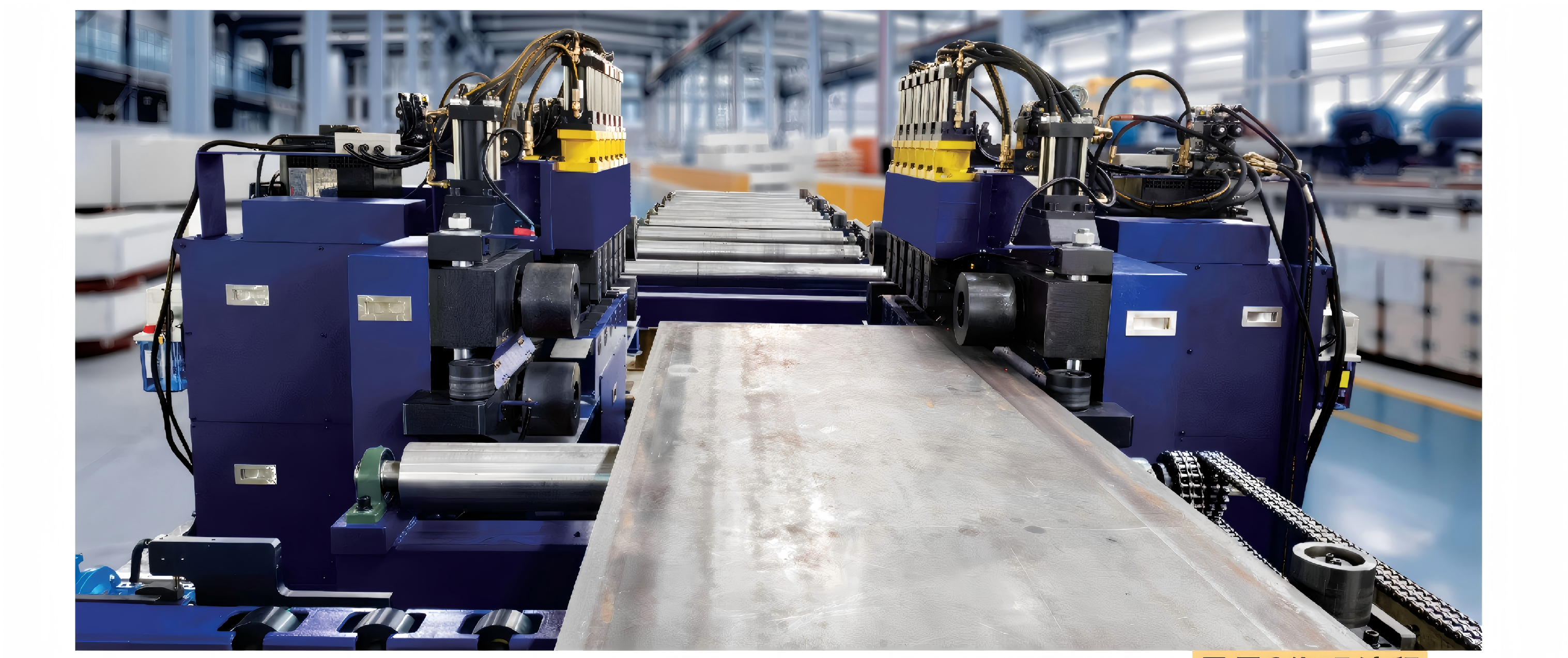
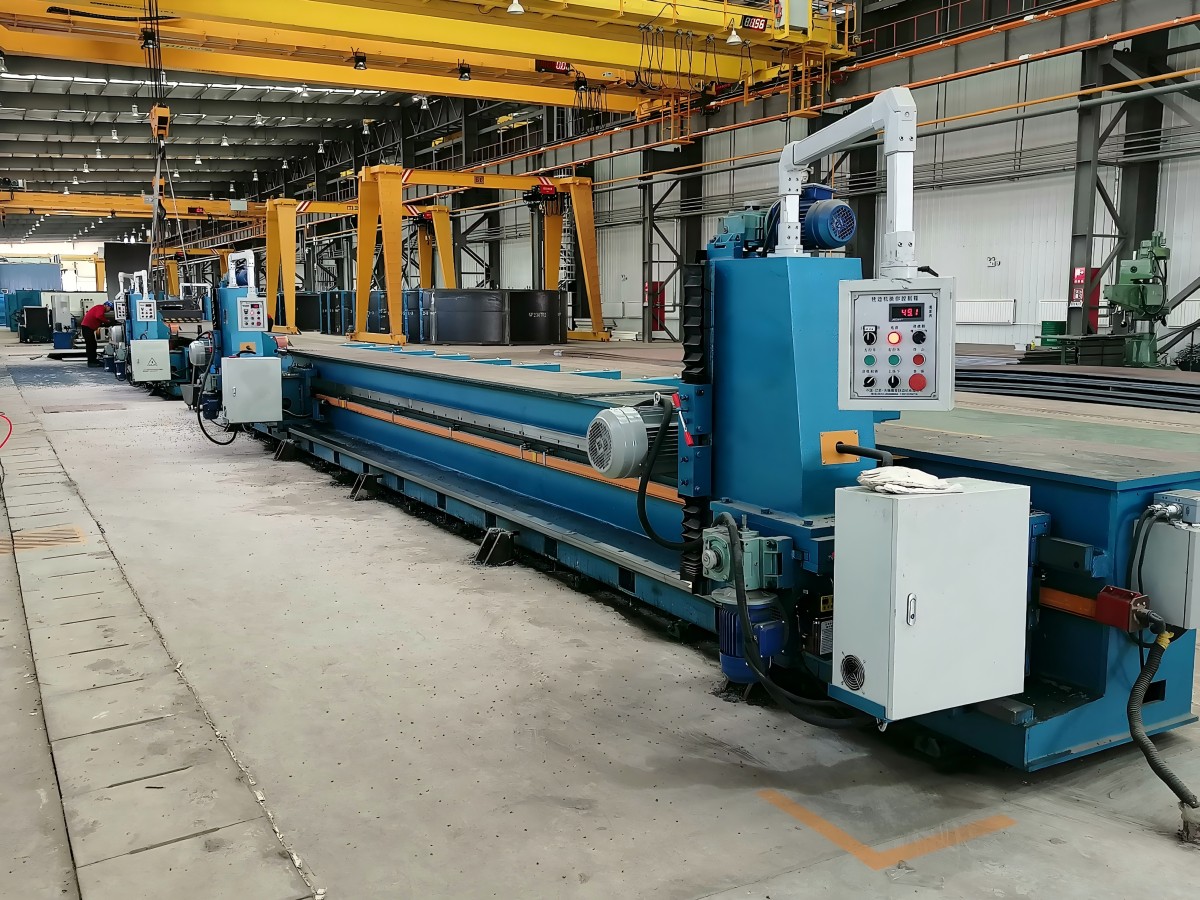
The basic principle of edge milling is straightforward: a clamped workpiece is fed in relation to a rotating cutter so that metal is removed in a controlled path along the plate edge. The machine structure, feed system, cutter head, and clamping arrangement together determine the stability of the cut and the final edge quality.
In a typical workflow, the operator first checks plate thickness, length, width, material grade, and the required bevel angle or land. The plate is then positioned and secured to minimize vibration. After tool setup, the machine performs roughing or finishing passes according to the required profile and surface condition.
Process quality depends on several variables, including spindle power, cutter geometry, feed speed, cutting depth, rigidity of the bed, and chip evacuation. If these factors are not balanced properly, users may see chatter, inconsistent bevel angles, poor surface finish, or faster tool wear, especially on thick or high-strength materials.
In high-throughput workshops, edge milling is often integrated with plate handling, marking, cutting, and welding preparation. This reduces manual intervention and supports more stable production planning. For fabricators handling long plates and heavy parts, the machine’s ability to maintain precision over extended travel is often more important than peak cutting speed alone.
Main Types Of Edge Milling Machines
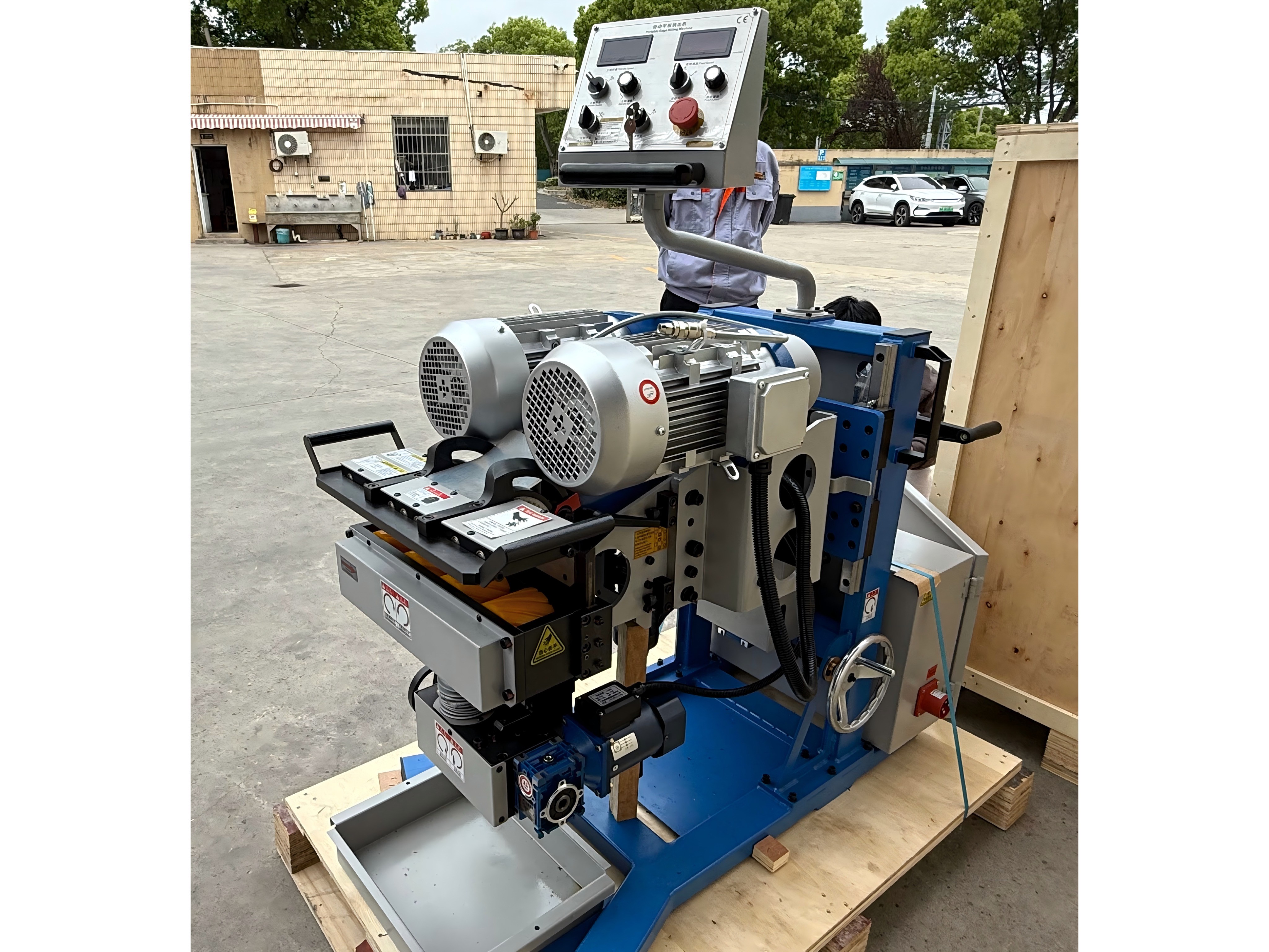
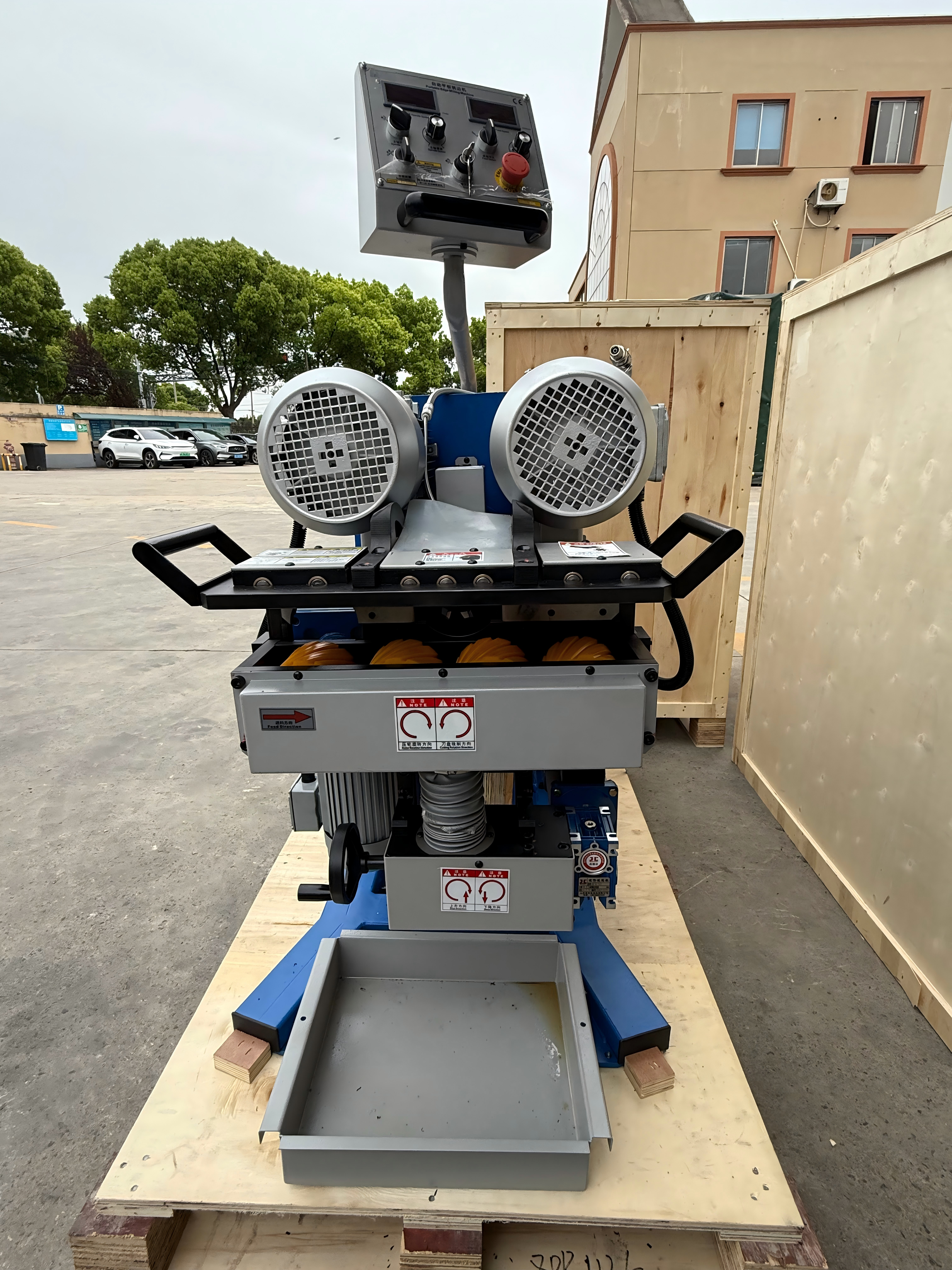
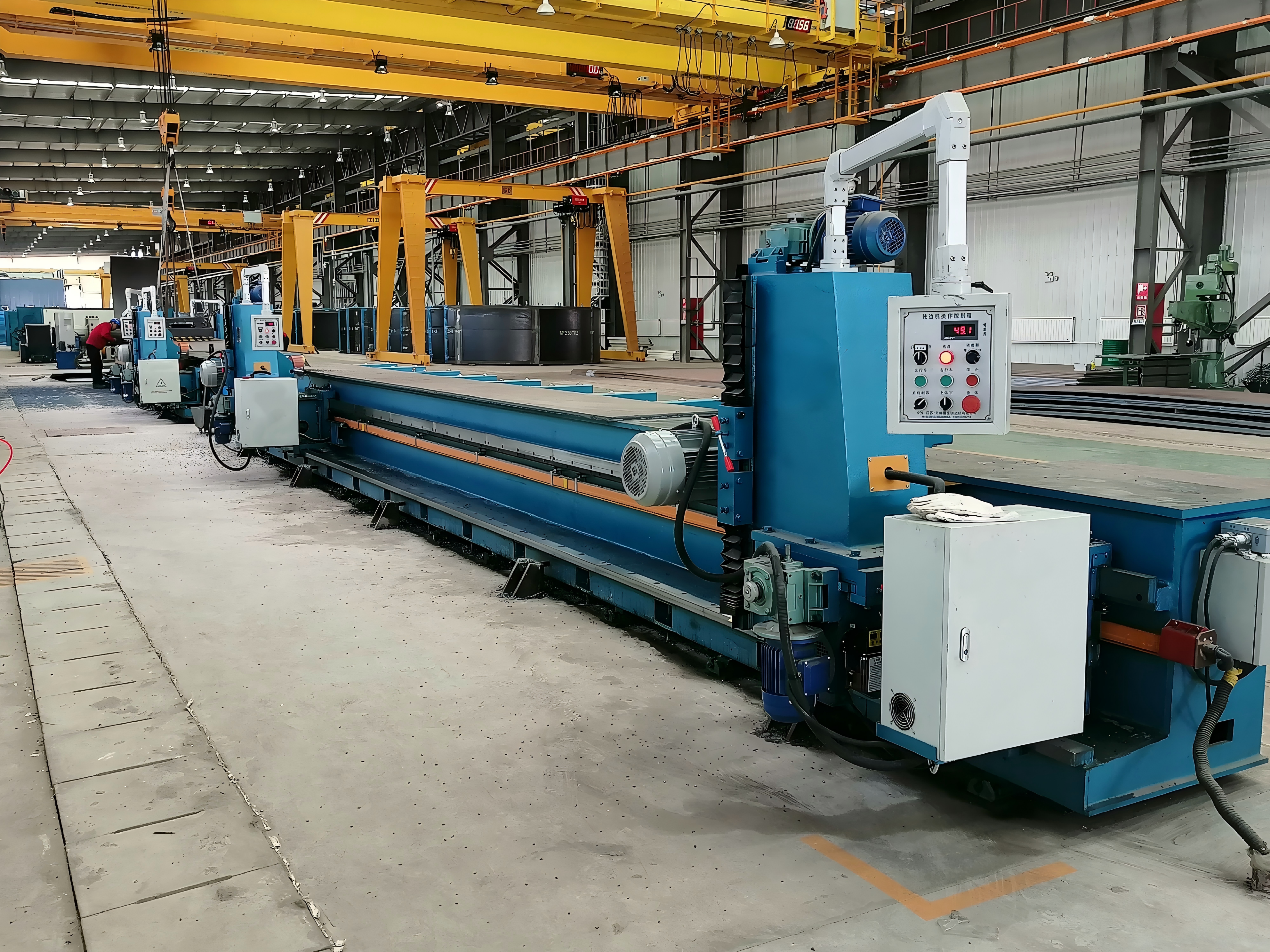
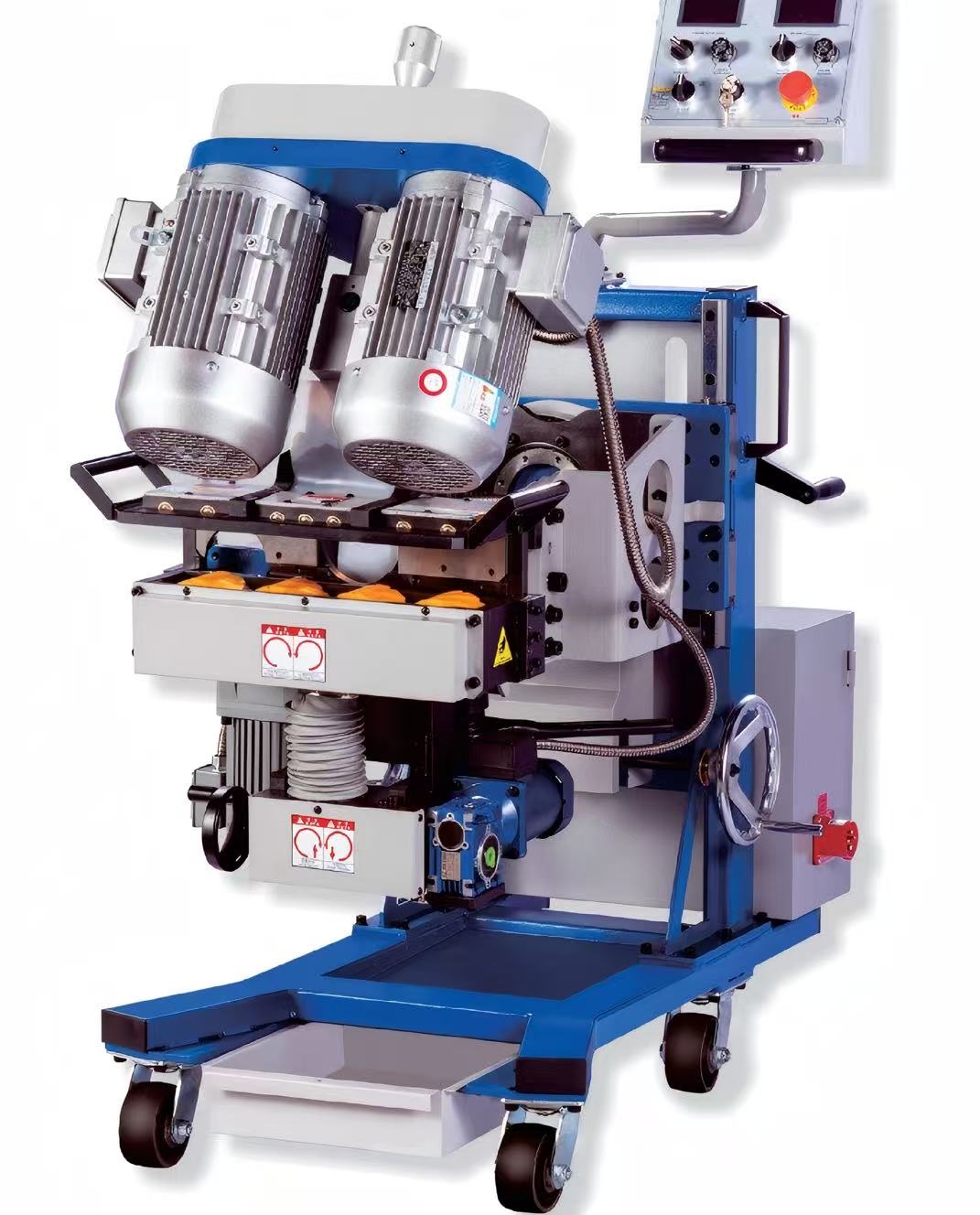
The mainstream edge milling market includes several machine formats. Standard plate edge milling machines are used for general straight-edge and bevel processing on flat plates. Turn type plate edge milling machines are often selected when users need more flexible handling of heavy workpieces or efficient processing of different bevel forms.
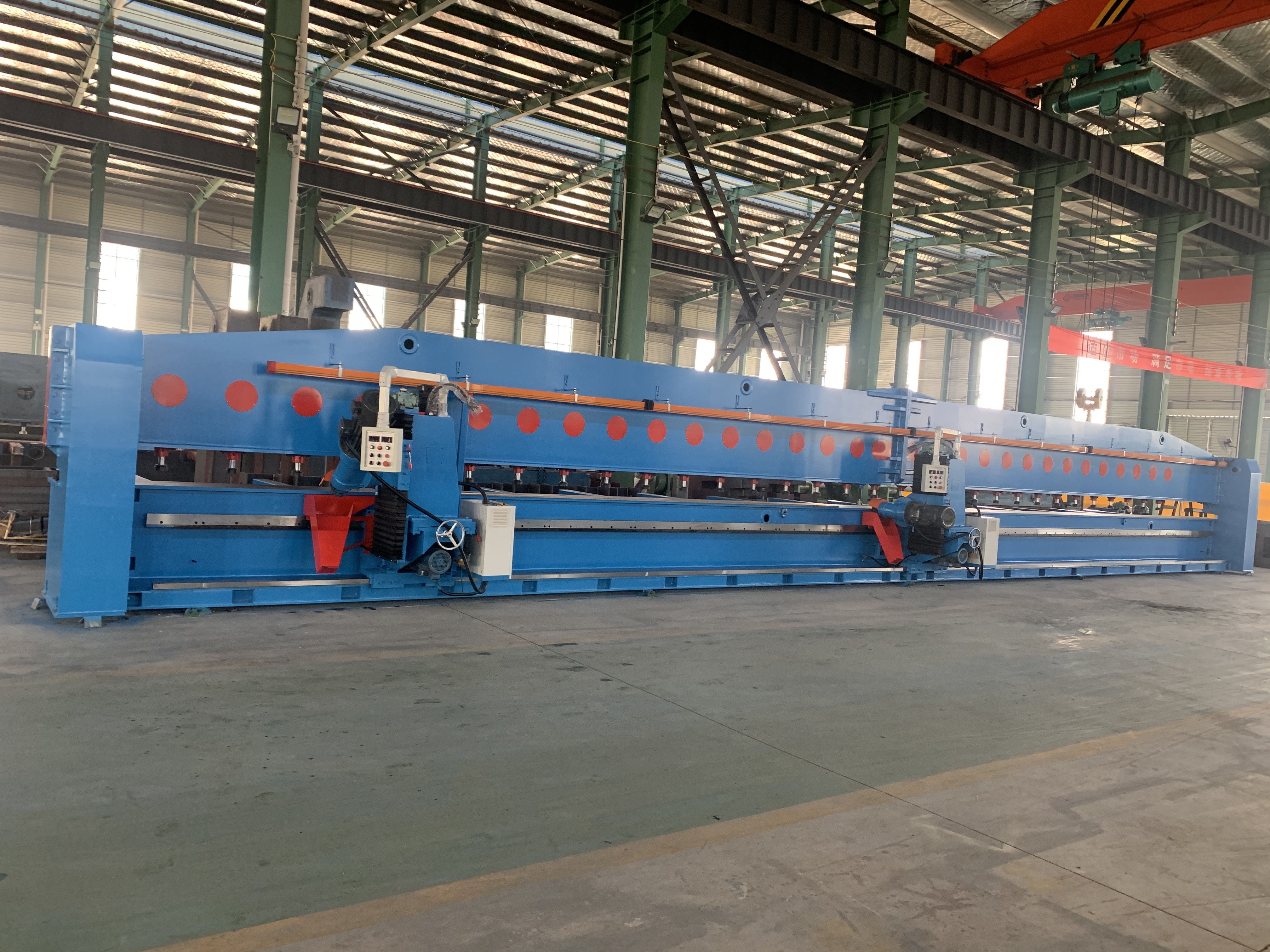
For thicker plate and large vessel production, beveling and milling systems for heavy tank applications are common. These machines are designed with stronger beds, robust clamping, and stable feed systems to process demanding materials used in storage tanks, pressure equipment, and large structural assemblies.
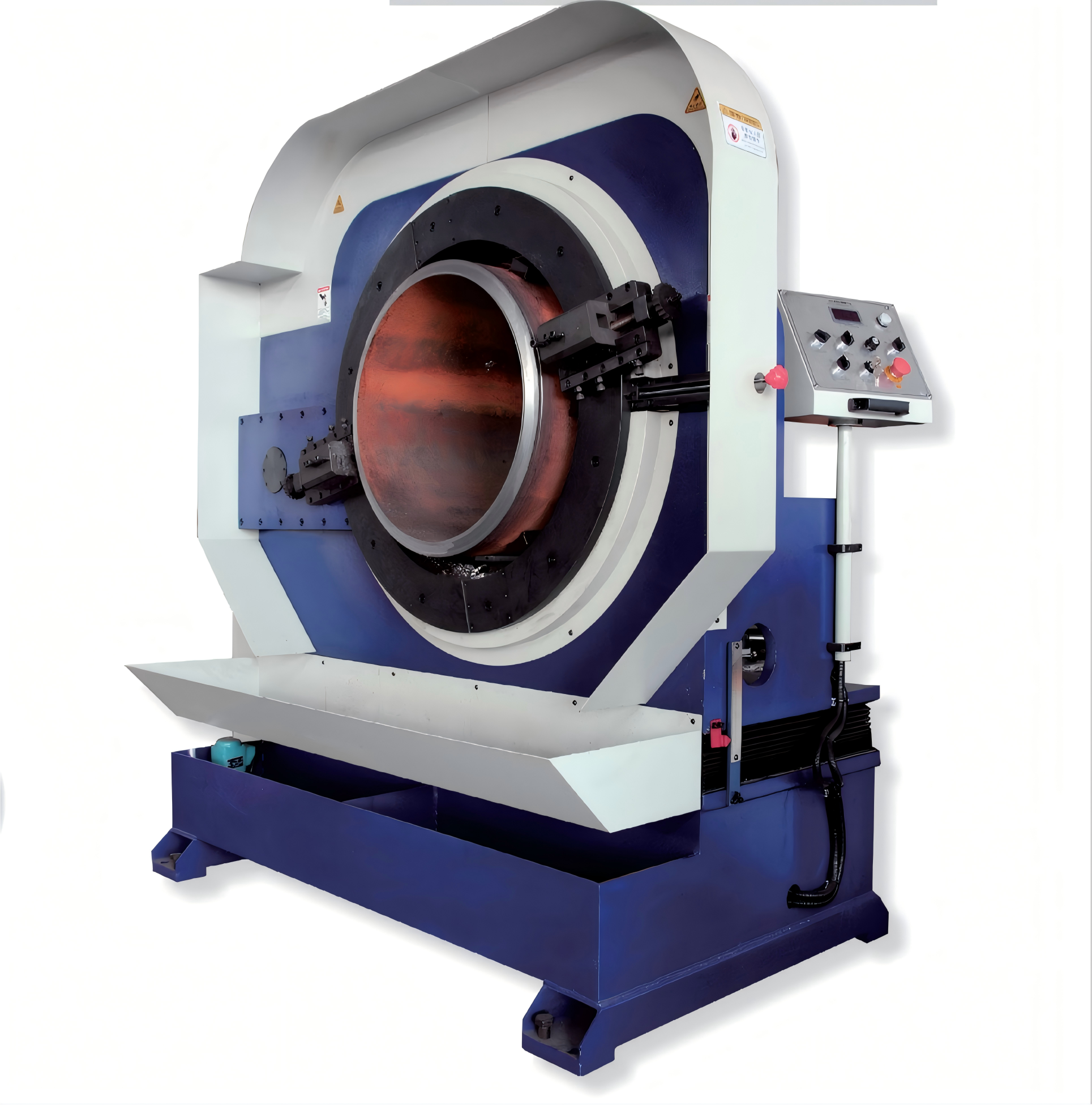
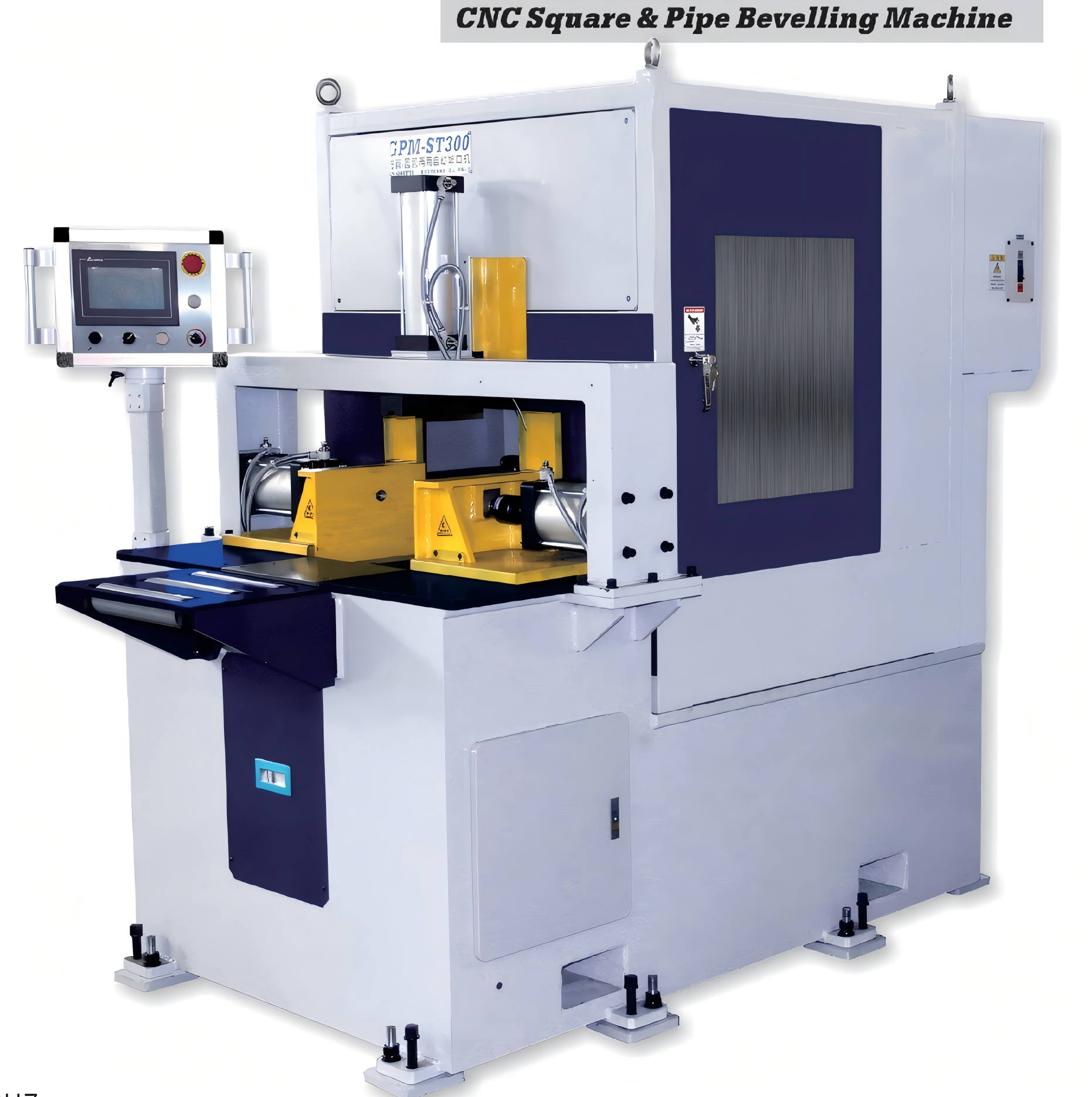
Some production environments need adjacent solutions rather than a single standalone machine. For example, pipe cutting and beveling machines serve cylindrical parts, while face milling machines are selected for end-face machining. Buyers often evaluate these categories together when building a complete preparation line for plates, pipes, and welded assemblies.
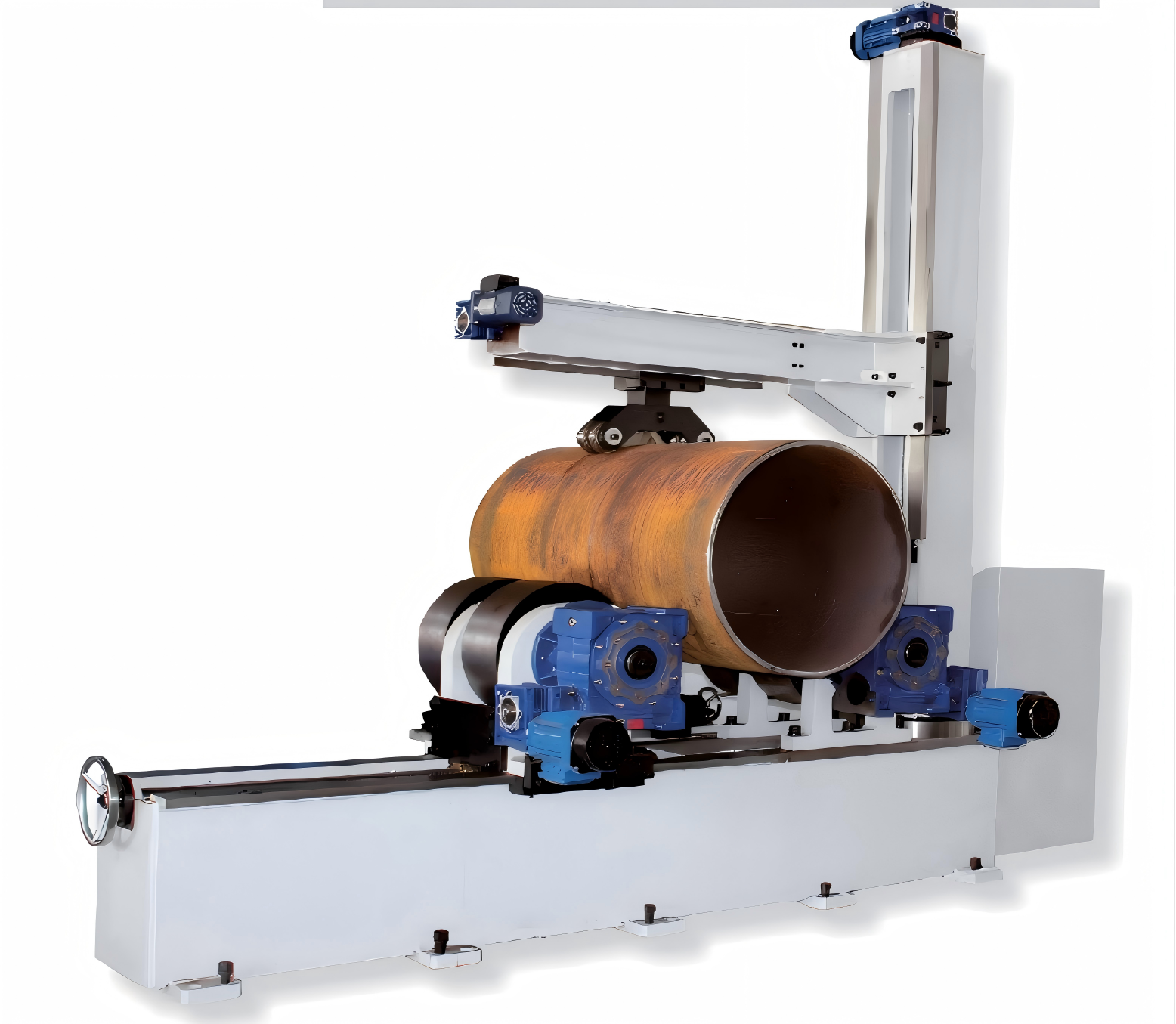
Wuxi Armada supplies edge milling machines alongside a broad range of fabrication equipment, including welding manipulators, welding rotators, longitudinal seam welding machines, CNC cutting systems, face milling machines, plate rolling machines, and sheet metal deburring machines. For buyers planning line-level integration, that wider equipment scope can simplify supplier coordination and process matching.
Why Edge Milling Matters More Than Traditional Edge Preparation
Traditional edge preparation methods such as manual grinding, oxy-fuel beveling, or plasma-only preparation may still be suitable for some jobs, but they often create variability in bevel geometry, heat-affected zones, surface finish, and labor time. Edge milling provides a cold machining approach that can reduce these issues and produce a more controllable weld-prep result.
In industries where fit-up accuracy directly affects welding efficiency, the value of edge milling becomes clear. More consistent groove geometry can lower rework, reduce filler consumption in some joint designs, and improve the reliability of automated or semi-automated welding operations. These benefits become more visible as plate thickness and project complexity increase.
For manufacturing teams, the process also helps standardize production. Instead of depending heavily on operator skill for each edge, the machine establishes repeatable settings and measurable outputs. This is particularly useful for export-oriented fabricators that need stable quality across multiple shifts, multiple projects, and diverse material batches.
When buyers compare options, the advantage is rarely just machining speed. The stronger argument is process control across the full fabrication chain, from incoming plate to final weldment. That is where a properly selected edge milling solution can outperform less controlled preparation methods.
Who Uses Edge Milling And Where It Fits Best
Typical users of edge milling include pressure vessel manufacturers, storage tank fabricators, shipyards, offshore structure builders, steel structure workshops, wind tower producers, and heavy equipment manufacturers. Any factory that routinely prepares thick plate edges for welding can benefit when precision and throughput matter at the same time.
The process is especially relevant in operations where long plate seams must be welded with limited gap variation. Longitudinal shell seams, tank wall joints, box girder structures, heavy frames, and bridge components are common examples. In such cases, edge quality influences not just welding appearance but also assembly speed and distortion control.
Wuxi Armada’s customer list shows that its machinery reaches different international markets and application contexts, including companies such as URALSTANKOIMPORT, MD Calbah Industries Pty Ltd, Zein Steel Industries Co.LLC, BatysMunaiGazZhabdyktary LLP, PT.Cahaya mas Cemerlang, and Lincoln Electric-MENA. These references do not imply one identical use case, but they do indicate global relevance across fabrication-driven industries.
For procurement teams serving export projects, machine selection is also linked to compliance and supplier credibility. Available trust signals such as ISO9001 certificate, CE certificate, and SGS certificate can support qualification discussions, especially where buyers need documented manufacturing and inspection discipline before approving capital equipment suppliers.
How To Select The Right Edge Milling Machine
Choosing an edge milling machine starts with the workpiece, not the catalog. Buyers should define maximum plate length, thickness range, material type, target bevel forms, annual throughput, and the required edge accuracy. A machine that looks economical at first may become restrictive if it cannot support the real mix of products on the shop floor.
Key technical checkpoints include machine bed rigidity, clamping reliability, spindle power, feed stability, travel length, bevel angle range, tooling system, and ease of maintenance. If the workshop processes heavy plate continuously, attention should also be paid to chip removal, lubrication access, and operator safety around loading zones.
Automation level is another major decision point. Some buyers prefer straightforward manual or semi-automatic systems for varied job-shop work, while others need a more integrated solution linked with CNC cutting, welding preparation, or material handling. The right answer depends on production volume, labor structure, and how standardized the product mix is.
For plants sourcing multiple fabrication machines together, there can be an advantage in evaluating edge milling alongside complementary equipment such as face milling machines, CNC flame cutting machines, CNC plasma cutting machines, CNC fiber laser cutting machines, and plate rolling machines from one supplier. This approach may reduce interface risk during installation and process planning.
Process Control, Installation, And Quality Assurance
A good edge milling result depends on more than the machine itself. Installation quality, foundation stability, alignment, electrical reliability, and operator training all influence long-term performance. Before commissioning, workshops should confirm leveling, spindle alignment, clamping function, and trial-cut consistency across the full work envelope.
In daily production, quality control should include inspection of bevel angle, root face, edge straightness, surface finish, and repeatability between batches. Tool wear monitoring is also essential because worn inserts or unstable cutter heads can quickly affect joint geometry and downstream welding quality. A disciplined inspection routine prevents small deviations from becoming expensive assembly problems.
Maintenance planning should focus on guideways, clamping units, feed drives, lubrication points, cutter head condition, and chip management. This is consistent with broader industry discussions around maintenance priorities for high-precision non-standard edge milling machines, where uptime often depends on preventive action rather than reactive repair.
From a supplier evaluation perspective, buyers often ask whether the manufacturer can support installation guidance, consumables planning, and service response after delivery. In a B2B purchasing environment, the machine is only one part of the decision. The supplier’s ability to support stable production matters just as much over the equipment life cycle.
How Buyers Should Think About Total Cost And ROI
The total cost of an edge milling investment includes far more than the purchase price. Buyers should account for installation, tooling, consumables, operator training, maintenance labor, spare parts, floor space, and power use. If imported equipment is involved, logistics, duties, and commissioning support may also affect the project budget.
At the same time, the return on investment often comes from hidden operational gains. These can include lower rework, fewer weld-preparation bottlenecks, improved fit-up, reduced manual grinding, more stable welding quality, and better utilization of skilled labor. In many fabrication plants, these indirect gains are more important than a narrow comparison of machine selling price.
Procurement teams should also compare expected productivity by part family. A machine optimized for thick long plates may generate stronger ROI in tank or vessel work, while a more flexible configuration may be better for mixed contract manufacturing. The best value comes from matching the machine to the dominant production pattern rather than chasing the lowest upfront quote.
For sourcing discussions with Wuxi Armada, buyers can evaluate edge milling as part of a broader fabrication equipment package. Where a project also needs welding automation, cutting, rolling, drilling, or deburring equipment, consolidated procurement may improve planning efficiency and reduce coordination costs across the factory buildout.
Trends Shaping Edge Milling In 2026 And Beyond
The edge milling market in 2026 is influenced by three major pressures: tighter weld quality expectations, labor efficiency demands, and the need to process thicker or more demanding materials with fewer interruptions. As fabrication becomes more data-driven, buyers increasingly want machines that are easier to set, monitor, and integrate into planned workflows.
Another trend is the rise of high-precision and non-standard configurations. Standard machines remain important, but more users are seeking application-specific solutions for heavy tank work, long plate processing, or special bevel geometries. This aligns with the industry shift toward precision where accuracy has a direct economic payoff in downstream welding and assembly.
Material trends also matter. As fabricators continue working with carbon steel, stainless steel, and higher-spec materials for energy, marine, and infrastructure projects, edge quality becomes more closely tied to productivity and defect prevention. The conversation is moving away from simple material removal and toward controlled preparation as a strategic process step.
For decision-makers, the practical takeaway is clear: edge milling is becoming less of a standalone workshop task and more of a connected capability inside modern fabrication systems. Buyers who assess machine performance, service support, and line compatibility together are generally better positioned to build reliable long-term production capacity.
 How a Multi Spindle Drilling Machine Reduces Cycle Time in Repetitive Hole PatternsMulti spindle drilling machine solutions cut cycle time in repetitive hole patterns by drilling multiple holes at once, improving throughput, consistency, and cost efficiency. Learn how to boost productivity.
 How to Evaluate CNC Accuracy and Thermal Stability in Heavy H-Beam Lines for ASTM A6/A992 Grade Steel ComplianceHeavy h beam line accuracy under thermal load? Discover how to validate CNC precision & thermal stability for ASTM A6/A992 compliance—avoid costly rework.
 What Is a Polishing Machine? Core Functions, Types, and Industrial Use Cases ExplainedPolishing machine explained: discover core functions, key types (vibratory, CNC orbital, centrifugal), and real-world industrial use cases for precision surface finishing.
 What to Check Before Working With a Drilling Machine Manufacturer on OEM ProjectsDrilling machine manufacturer selection can make or break OEM success. Learn what to check in quality, customization, delivery, and support before you sign.
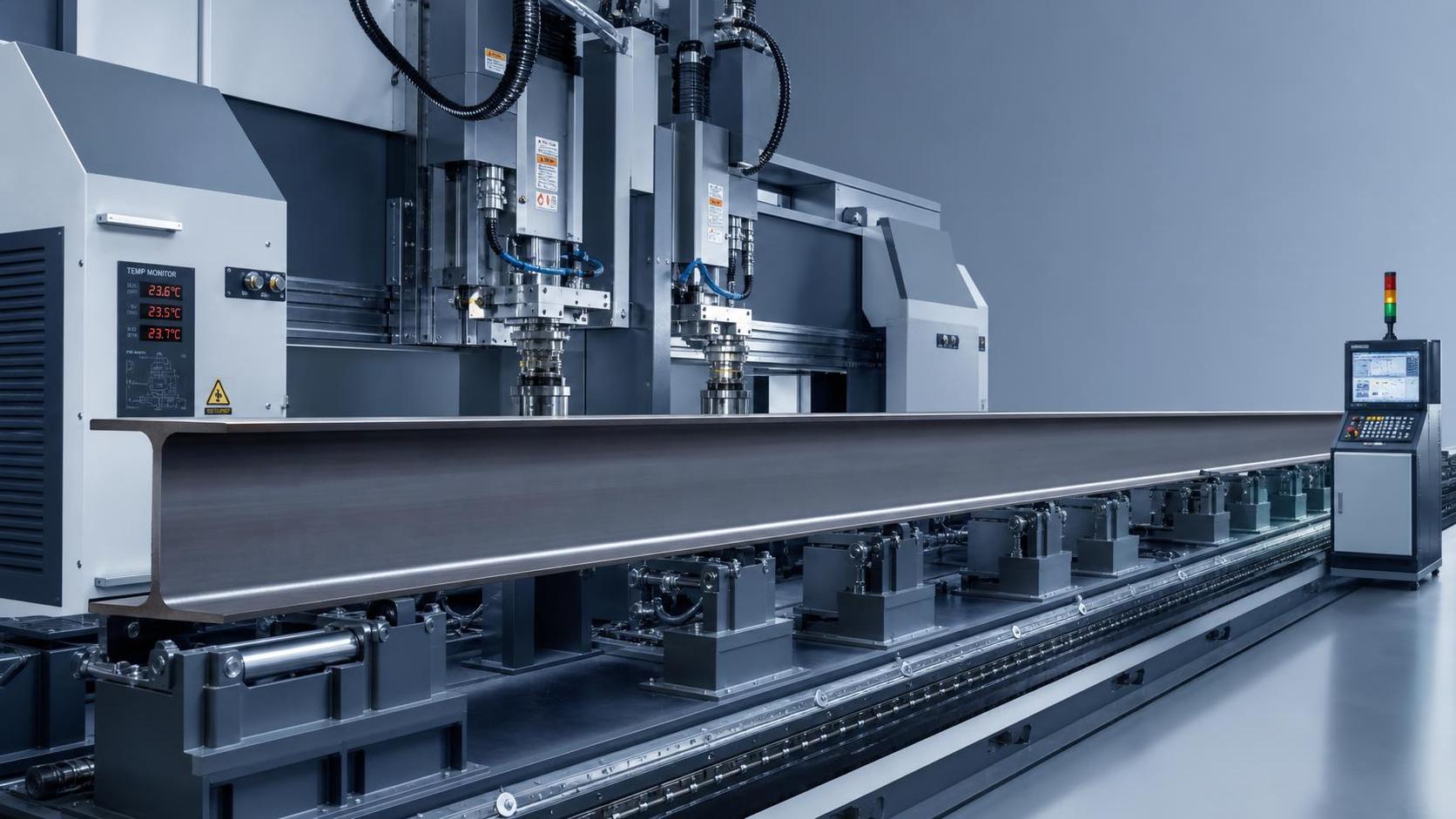
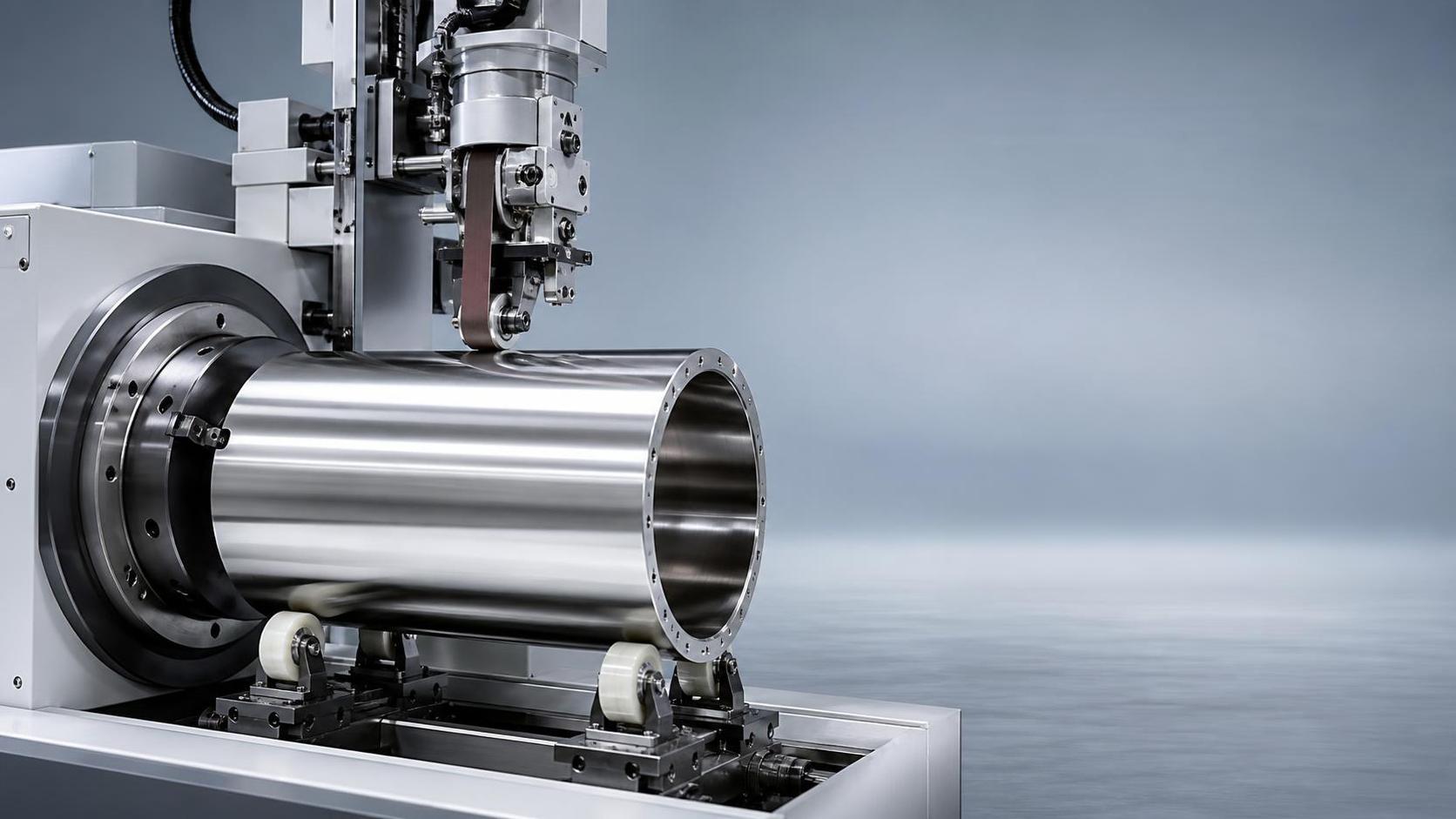
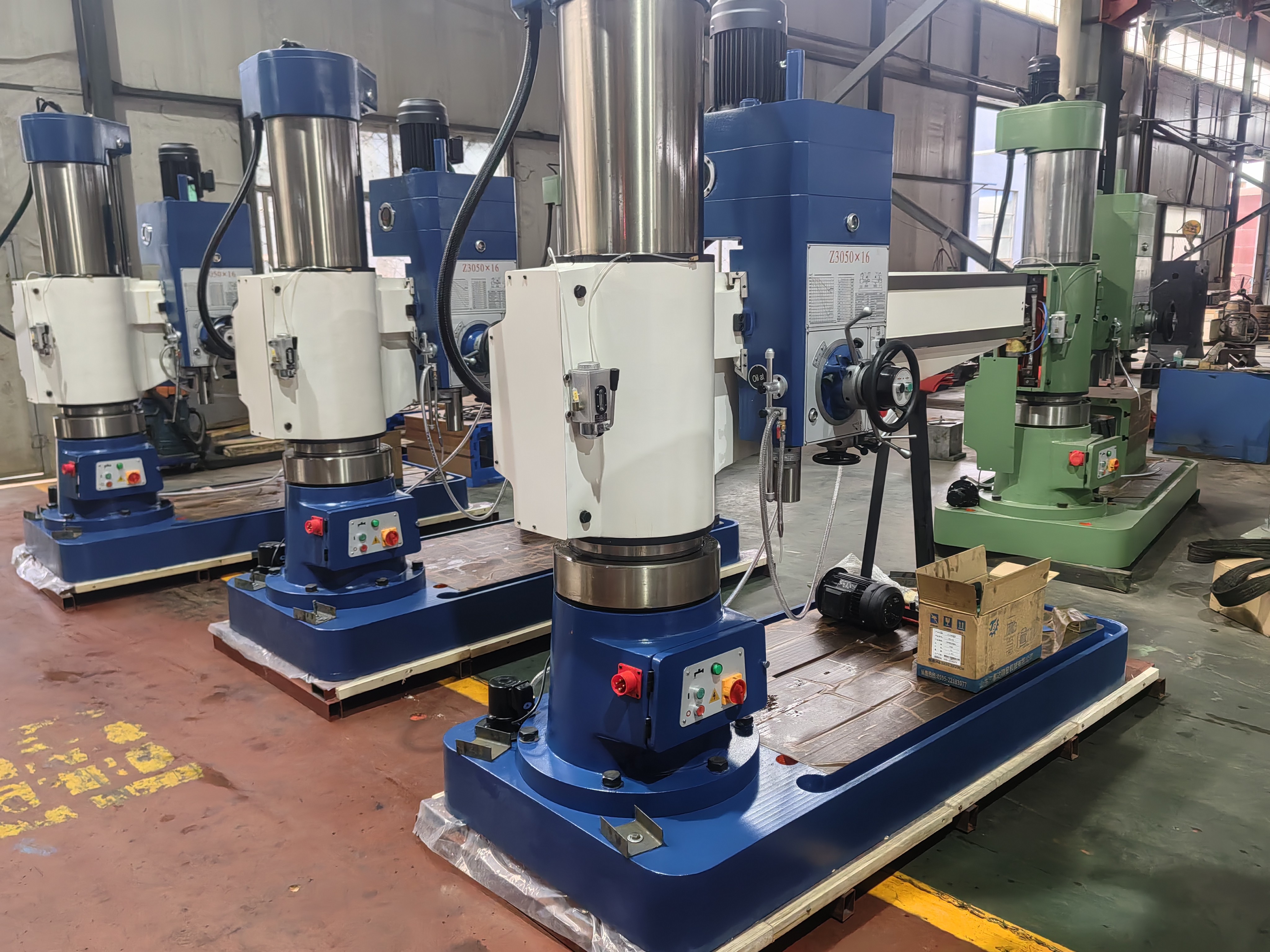
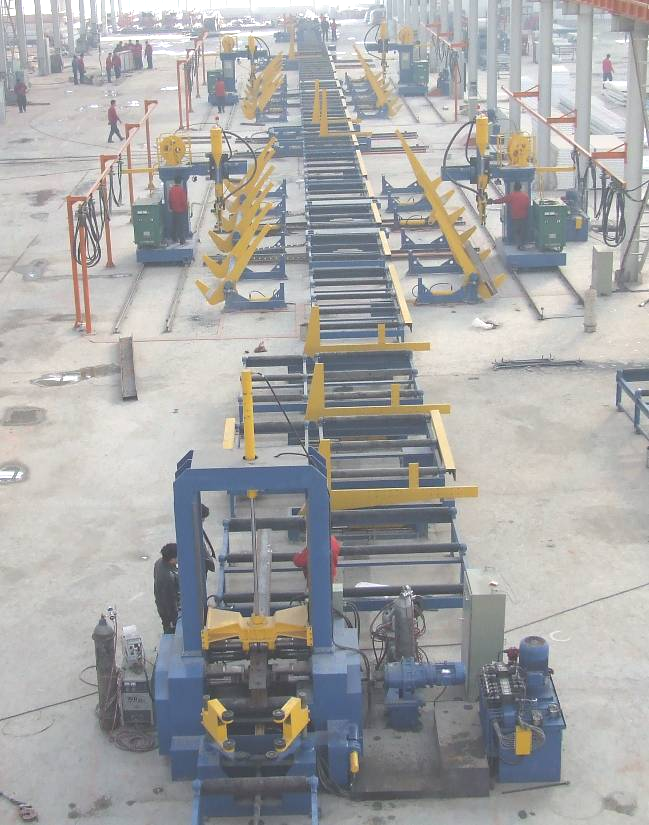
 Heavy automatic h beam line1.Introduction for Heavy automatic h beam line:
As a highly automatic H-beam production line, Heavy-duty steel production line sees reducing the use frequency of overhead crane as its subject. Through using automatic machines as roller conveyor, turning machine and conveying machine to conveying, turning and moving H beam during welding process, which greatly improved user’s production efficiency.
The General production process of heavy-duty steel production line as following: Turn Type Plate Edge Milling Machine1.1. Main frame is welded ,after welding,use high temperature decrease process to avoid transformation
1.2. Guide rail combines suspension and seater,Its more stable than normal suspension ,Steel plate milling machine will reduce vibration
1.3. Feeding device of this machine is driven by motor,it adopts VFD control ,and its speed is 0.13~1.0m/min
1.4. Steel plate edge milling machine adopts standard milling cutter for cutting head
1.5. There is workpiece keep-off device,it makes metal plate position more convenient
1.6. There is special support device at bottom of equipment,its designed for long workpiece.
1.7. Automatic Steel plate edge milling machine adopts slide -touch wire,its more safe and beautiful than normal hanging wire. Beveling & Milling Edge For Heavy Tank1.1. Main frame is welded ,after welding,use high temperature decrease process to avoid transformation
1.2. Guide rail combines suspension and seater,Its more stable than normal suspension ,Steel plate milling machine will reduce vibration
1.3. Feeding device of this machine is driven by motor,it adopts VFD control ,and its speed is 0.13~1.0m/min
1.4. Steel plate edge milling machine adopts standard milling cutter for cutting head
1.5. There is workpiece keep-off device,it makes metal plate position more convenient
1.6. There is special support device at bottom of equipment,its designed for long workpiece.
1.7. Automatic Steel plate edge milling machine adopts slide -touch wire,its more safe and beautiful than normal hanging wire. Pipe Cutting & Beveling Machine1.1. Main frame is welded ,after welding,use high temperature decrease process to avoid transformation
1.2. Guide rail combines suspension and seater,Its more stable than normal suspension ,Steel plate milling machine will reduce vibration
1.3. Feeding device of this machine is driven by motor,it adopts VFD control ,and its speed is 0.13~1.0m/min
1.4. Steel plate edge milling machine adopts standard milling cutter for cutting head
1.5. There is workpiece keep-off device,it makes metal plate position more convenient
1.6. There is special support device at bottom of equipment,its designed for long workpiece.
1.7. Automatic Steel plate edge milling machine adopts slide -touch wire,its more safe and beautiful than normal hanging wire.